



Decorative Painted Cupboard
A decorative painted cupboard brings colour and narrative to a room, drawing the eye with surface artistry and practical storage.
Decorative Painted Cupboard
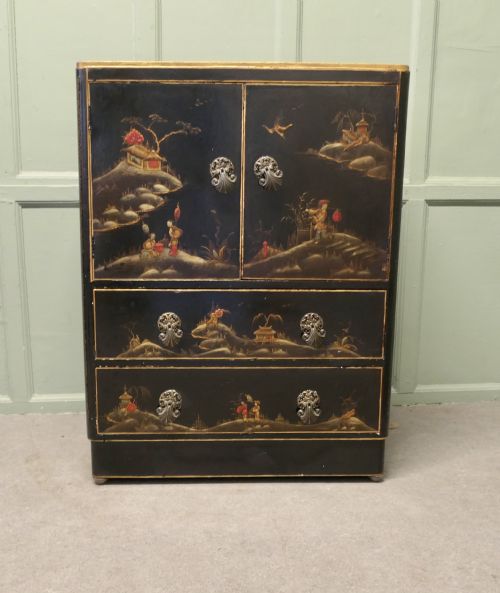
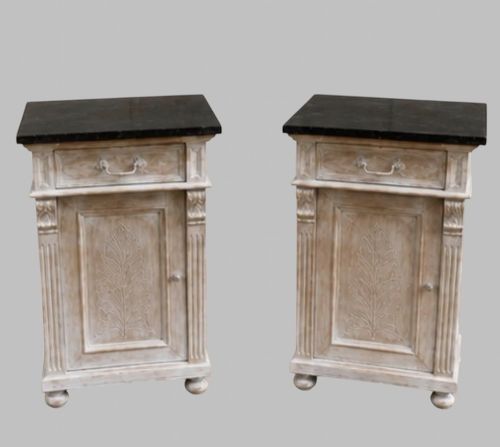
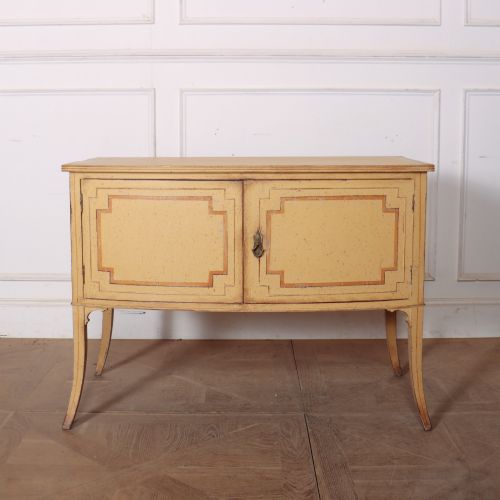
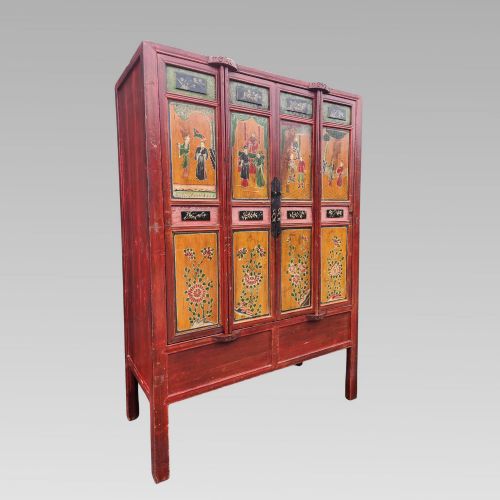
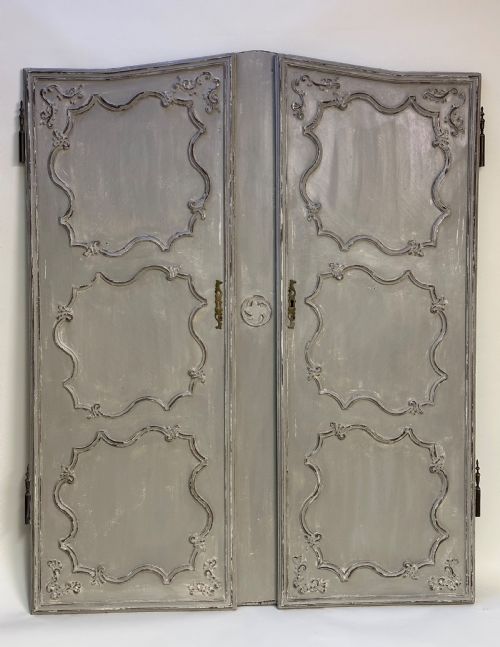
A decorative painted cupboard provides enclosed storage while serving as a prominent visual feature through applied artistic finishes. These pieces range from bedside cabinets and corner units to large armoires and marriage cabinets, originating across the eighteenth, nineteenth, and early twentieth centuries. The versions most frequently encountered here display regional influences such as English country, French provincial, and Chinoiserie styles.
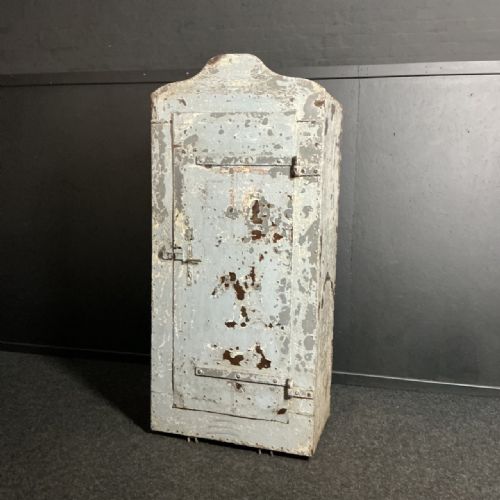
Makers and workshops utilise various formats, including cabinets on stands and single-door cupboards, constructed from painted wood, fruitwood, and steel. The surface treatments define the character, moving from polychrome florals to intricate lacquer and hand-painted narratives. Buyers select these items to introduce character and historical depth into contemporary interiors.
How they were made
Carpenters constructed these cupboards primarily from wood, fruitwood, and occasionally steel, employing traditional joinery appropriate to each period. Surfaces were prepared with gesso or priming layers to receive paint, lacquer, or gilt details. Artisans then applied pigments by hand, sometimes sealing the work with clear varnishes to protect the delicate imagery.
Decorative elements frequently include hand-painted motifs, faux finishes like tortoiseshell, and applied brass or iron hardware. The integration of structural woodwork with detailed surface painting requires precise coordination between the cabinetmaker and the decorative artist.
Listings span from the eighteenth century through to the 1930s, encompassing styles from English country to Pre-Raphaelite revival and Chinoiserie.
What varies in quality
The distinction between standard and superior pieces rests upon the finesse of the surface artistry and the integrity of the underlying construction. Master painters executed intricate Chinoiserie scenes, Pre-Raphaelite figures, or polychrome panels with depth and precision, whereas lesser pieces display repetitive or crude stencilling. The harmony between the original form of the cabinet and its decorative scheme dictates the overall success of the piece.
Proportions also govern value, with smaller-scale pieces, cupboards on original stands, and matched pairs commanding greater interest than standard single items. The preservation of the primary painted surface, free from unsympathetic overpainting, remains central to the integrity of any antique cabinet.
Melissa White
The Decorative Painted Cupboard Glossary
- Polychrome
- Decorated in multiple colours. This technique appears on Italian and continental European furniture to create vibrant, pictorial surface designs.
- Armoire
- A tall wardrobe or cupboard with doors enclosing shelving or hanging space. Originating in France, these substantial pieces often feature decorative painted panels or provincial carvings.
- Marriage cabinet
- A large storage cupboard traditionally presented to couples in Chinese culture. These pieces typically exhibit vibrant red lacquer and gilt ornamentation.
- Canterbury cupboard
- A specialised form of small cabinet or stand used for storing sheet music, books, or papers. Examples can feature bespoke hand-painted decoration.
Decorative Painted Cupboard: Frequently Asked Questions
Where should I place a decorative painted cupboard?
These cupboards suit living rooms, hallways, or bedrooms where their painted surfaces can function as a focal point. They offer practical enclosed storage while adding colour and historic character to neutral spaces.
Ensure the piece avoids direct sunlight to protect pigmented and lacquered surfaces from fading over time. Adequate clearance allows doors to open fully without damaging surrounding furniture.
How do I care for a painted antique surface?
Dust the exterior regularly with a soft, dry cloth to prevent particulate accumulation. Avoid chemical sprays, abrasive cleaners, or excess moisture, which can lift or cloud aged paint and lacquer.
Maintain stable room humidity and temperature to prevent the underlying wood from expanding or contracting, which stresses the painted finish.
Are these cupboards suitable for daily storage?
Most pieces provide functional shelving or hanging space suitable for everyday use. Corner units, bedside cabinets, and large armoires accommodate contemporary storage needs while retaining their historic appearance.
Review the interior configuration of each cabinet to ensure it matches your intended storage requirements, whether for clothing, crockery, or media.
How can I distinguish period paint from later decoration?
Examine the surface under magnification to observe craquelure, pigment ageing, and wear patterns consistent with the stated age. Later overpainting often sits differently on the wood compared to original ground layers.
Provenance, maker attribution where present, and consistent wear around handles and edges help confirm the authenticity of the decorative scheme.