




Vintage Stone Garden Figure
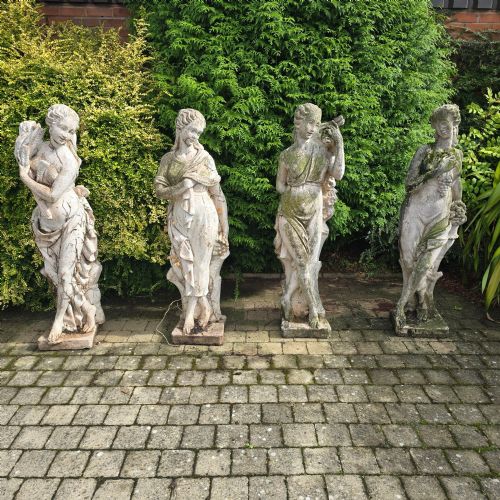
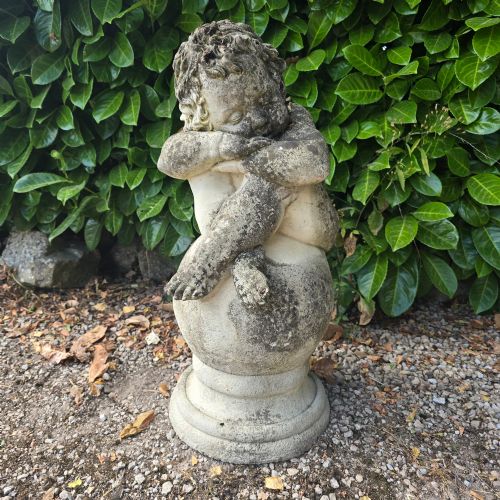
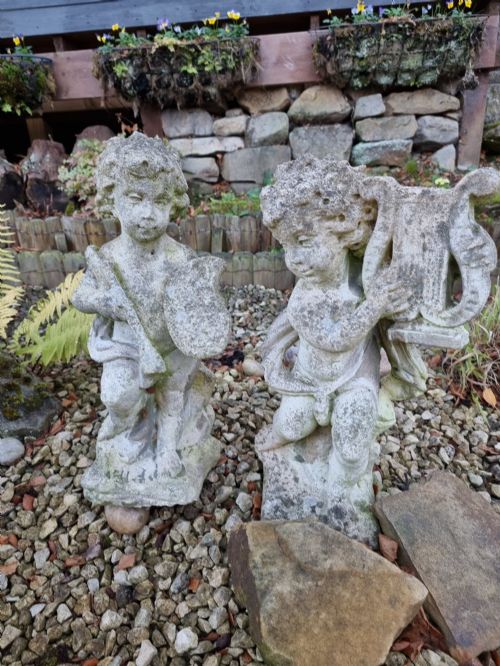
These vintage stone garden figure examples bring classical presence and character to outdoor spaces, ranging from modest cherubs to life-sized allegorical statues.
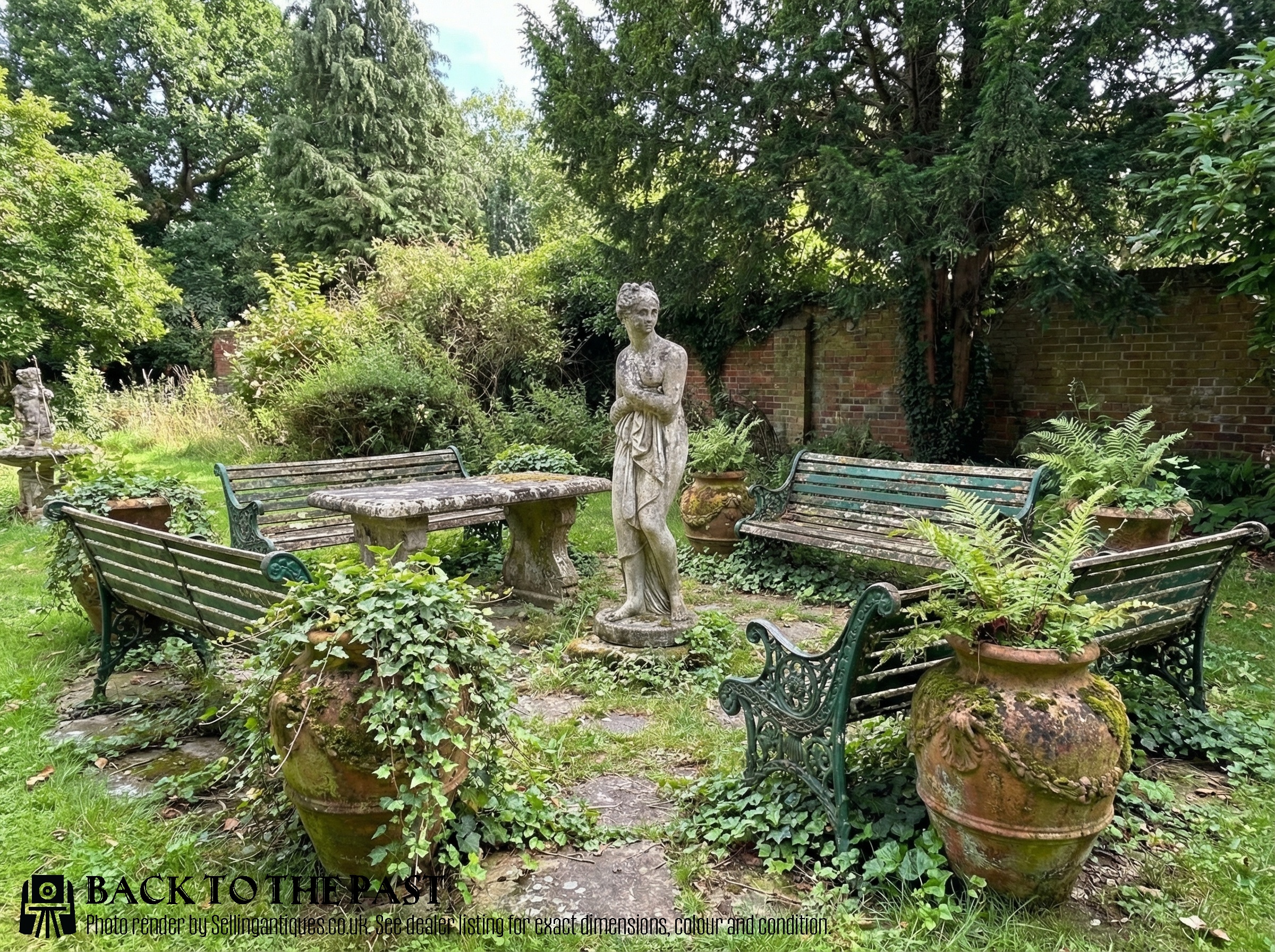
Vintage Stone Garden Figure
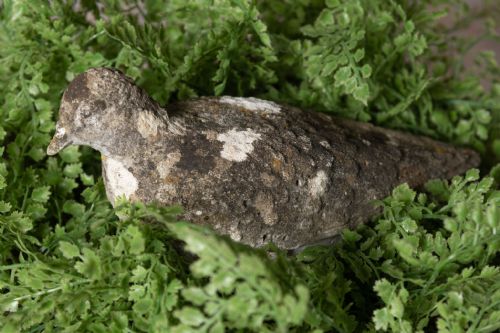
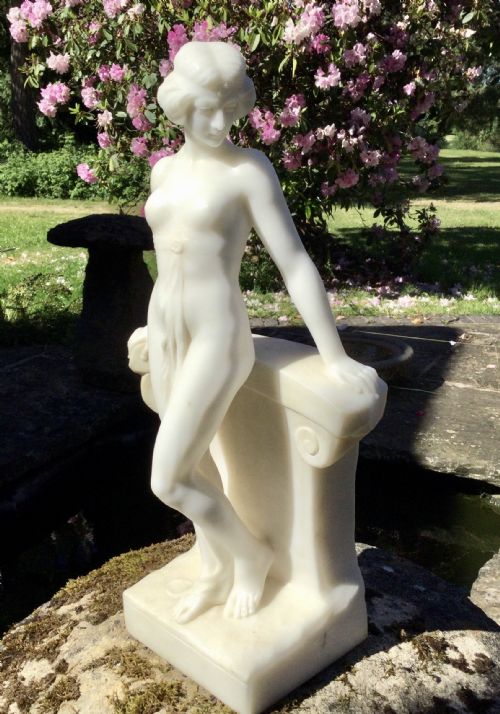
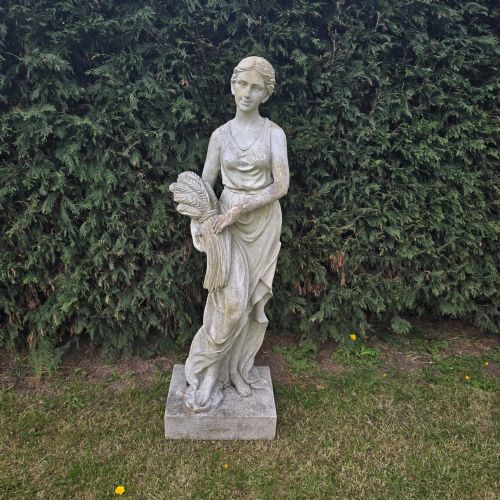
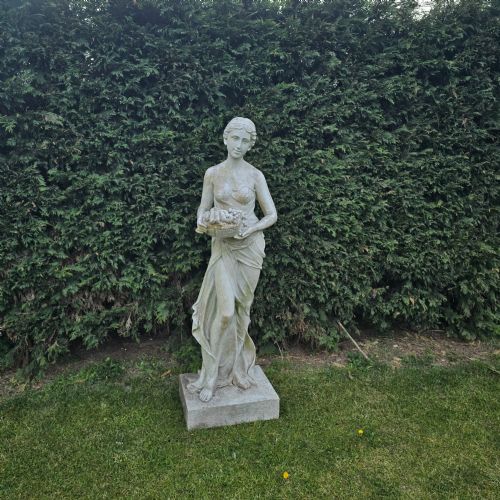
When you search for a vintage stone garden figure, you encounter ornamental statues and sculptures designed for exterior display across grounds and patios. These pieces draw heavily on classical motifs, featuring representations of allegorical seasons, mythological deities, and guardian animals like lions.
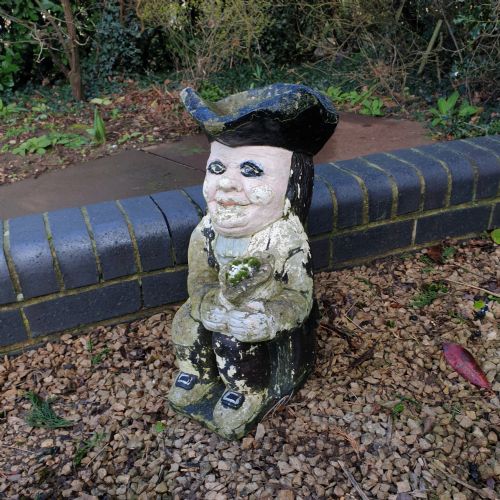
The selections on this page span from the nineteenth century through the mid-twentieth century, capturing enduring neoclassical styles alongside charming folk art expressions. You are particularly likely to meet cast and reconstituted stone figures from the nineteen-thirties and nineteen-fifties, often weathered by decades outdoors.
Forms vary widely from pairs of architectural lions and sleeping cherubs to life-sized figures of ladies and planters. Many incorporate integral plinths or pedestals designed to elevate the sculpture within a garden landscape.
How they were made
Makers utilised durable outdoor mediums, predominantly casting reconstituted stone, composite stone, and concrete into detailed moulds. These poured methods allowed workshops to replicate intricate classical details efficiently while ensuring structural resilience against weather.
Terracotta served as another primary material, seen in fired clay figures and large architectural dogs from the nineteenth century. Artisans occasionally applied surface paint to cast stone and concrete, layers of which frequently flake or weather over long exposure.
Materials across these listings range from reconstituted stone and concrete to terracotta and white marble.
What varies in quality
Natural weathering and surface patina significantly influence desirability, distinguishing genuine atmospheric age from uniform artificial distressing. The integrity of the underlying stone or terracotta composite determines how gracefully a piece withstands outdoor elements.
The Vintage Stone Garden Figure Glossary
- Reconstituted stone
- A manufactured material made from crushed stone or aggregate mixed with a binder such as cement, then moulded into shape. This composite offers the appearance of natural stone with high durability for exterior ornaments.
- Cast stone
- A refined building product manufactured from cement, sand, and fine aggregates to mimic natural cut stone. It forms the basis of many twentieth-century garden statues and architectural dressings.
- Neoclassical
- A Western stylistic movement drawing inspiration from the classical art and culture of ancient Greece and Rome. Garden figures in this style often depict mythological deities, draped ladies, and allegorical seasonal personifications.
- Terracotta
- Fired unglazed or glazed clay possessing a characteristic reddish-brown earthen colour. It is widely employed for durable garden ornaments, pots, and sculptural figures.
- Plinth
- A heavy block or base upon which a statue, column, or urn is mounted. Many garden figures incorporate these integral or matching pedestals to elevate the sculpture from the ground.
Vintage Stone Garden Figure: Frequently Asked Questions
How do I clean a stone garden statue?
Gentle washing with water and a soft brush preserves the accumulated lichen and moss that contribute to the historic character of a vintage stone garden figure.
Avoid harsh pressure washers or chemical detergents, which can strip away original surface patinas and erode reconstituted stone or painted concrete.
Can these garden figures stay outside in winter?
Most reconstituted stone, cast stone, and terracotta pieces withstand cold weather, provided they sit clear of standing waterlogged ground.
Lifting figures onto small feet or bricks during freezing months prevents moisture absorption and subsequent frost damage from splitting the material.
What is the difference between cast stone and reconstituted stone?
Both terms describe composite materials made from aggregate bound with cement, though production methods and aggregate grades vary slightly between makers.
Both provide robust structural integrity suitable for permanent outdoor garden display across changing seasons.
How do I identify the period of a garden figure?
Dating relies on stylistic clues, manufacturing materials, and the extent of natural weathering accrued on the surface.
Nineteenth-century examples frequently utilise heavier terracotta or carved marble, while mid-twentieth-century pieces commonly employ poured concrete or reconstituted stone.