

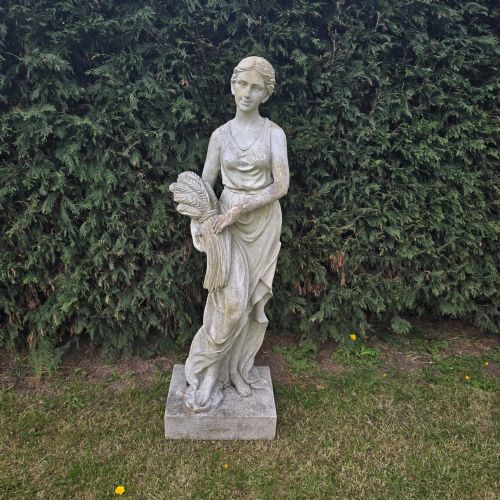


Outdoor Stone Figure Sculpture
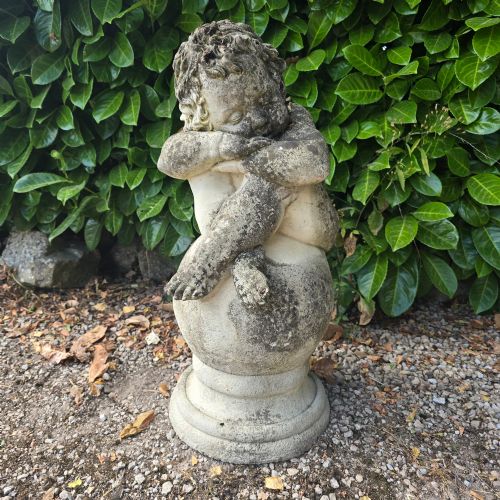
Outdoor stone figure sculpture brings classical presence and enduring character to gardens, featuring in forms from sleeping cherubs to life sized figures.
Outdoor Stone Figure Sculpture
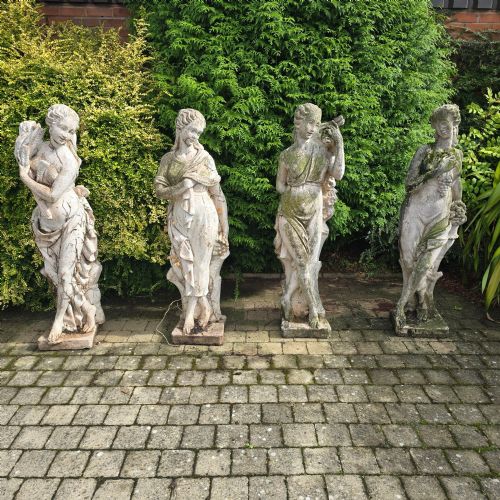
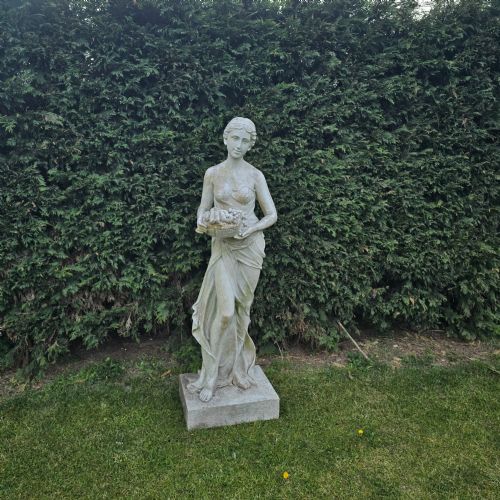
An outdoor stone figure sculpture forms a focal point in a garden, often taking the shape of classical figures, lions, or allegorical representations like the Four Seasons. Buyers seek these pieces to establish a sense of history and permanence in outdoor spaces. The selection ranges from grand garden statues on plinths to smaller animal carvings and garden ornaments.
Pieces from the nineteenth and twentieth centuries dominate the selection, alongside earlier medieval examples such as a carved stone bishop. Forms span garden statuary, planters, and conservatory figures executed in styles including Neoclassical, Classical Revival, and English Country. These sculptures interact with their environment, developing patinas as they weather outdoors.
Figures representing specific mythological or allegorical subjects appear frequently, including Venus de Milo, Grecian ladies, and Una with the lion. Guardian lions and cherubs serve traditional placement roles near entrances or garden paths. Each piece brings architectural weight and sculptural form to terraces and lawns.
How they were made
Makers utilised carved stone, white marble, and various moulded aggregates such as reconstituted, cast, composite, and composition stone. Carved pieces involve direct reduction of solid material, whilst cast and reconstituted stone utilise moulds to shape aggregate mixtures.
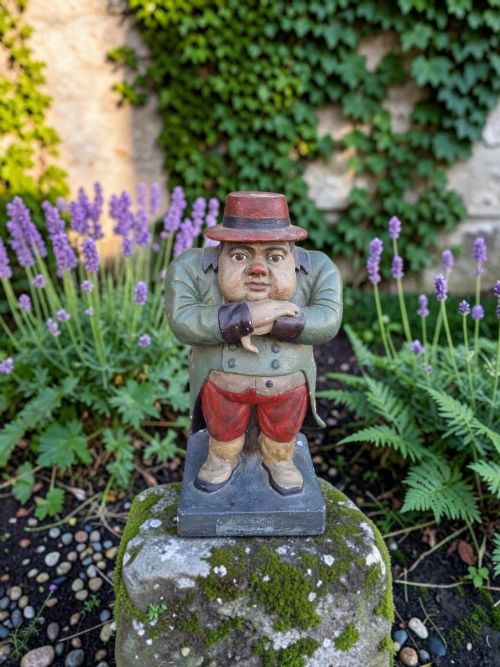
Surface treatments include original flaky paint applied to cast stone garden gnomes, alongside natural weathering on unpainted surfaces. Carved solid marble sculptures showcase detailed chisel work on subjects like Una and the lion, whilst composite stones offer durable alternatives for outdoor display.
Outdoor Stone Figure Sculpture Retail Price Guide 2026
Typical asking prices for outdoor stone figure sculpture among the pieces listed under this phrase on Sellingantiques today, from the lower quarter to the upper quarter. They describe what is for sale here now, not the wider market.
Materials recorded across the selection include solid white marble, carved stone, and various cast stone composites.
What varies in quality
The finesse of the carving or moulding distinguishes finer examples, particularly in the rendering of drapery, facial expressions, and anatomical details on life sized figures. Softer details in cast pieces often reflect the wear of moulds or simpler production methods, whilst crisp carving defines superior works.
The choice of material impacts the character of the piece, with solid carved marble and early stone carvings representing distinct sculptural traditions compared to twentieth century composite stone. Weathering patterns also influence visual appeal, as balanced ageing enhances the integration of the sculpture into a garden setting.
The Outdoor Stone Figure Sculpture Glossary
- Reconstituted stone
- A manufactured material made from crushed stone or aggregate mixed with a binder to imitate natural stone. It allows for detailed casting of garden ornaments and statues.
- Neoclassical
- A style inspired by the classical art and architecture of ancient Greece and Rome. Pieces in this style frequently depict mythological figures and classical drapery.
- Plinth
- A heavy base or pedestal supporting a statue or urn. Many garden statues are elevated on these architectural supports.
- Composite stone
- A durable building material combining stone dust or aggregates with resins or cements. It is commonly utilised for outdoor garden statuary.
Outdoor Stone Figure Sculpture: Frequently Asked Questions
How do I place an outdoor stone figure sculpture?
Position statues near pathways, focal points in garden beds, or on dedicated plinths to elevate their presence.
Consider sightlines from windows and seating areas to integrate the sculpture into the overall garden design.
What materials are used in these sculptures?
Sculptures utilise natural stone, carved white marble, and moulded compositions like reconstituted and cast stone.
Some pieces feature surface treatments such as original paint finishes that show weathering over time.
How do I care for stone garden figures?
Allow natural weathering to develop patinas, which enhance the historical character of outdoor stone.
Clean gently with water when necessary to remove excessive organic growth without damaging the surface.
How are different periods identified?
Stylistic indicators such as Neoclassical drapery or Classical Revival forms help suggest the era of production.
Manufacturing techniques like twentieth century casting methods also distinguish modern composite pieces from earlier carved works.