

Vintage Standing Table Mirror
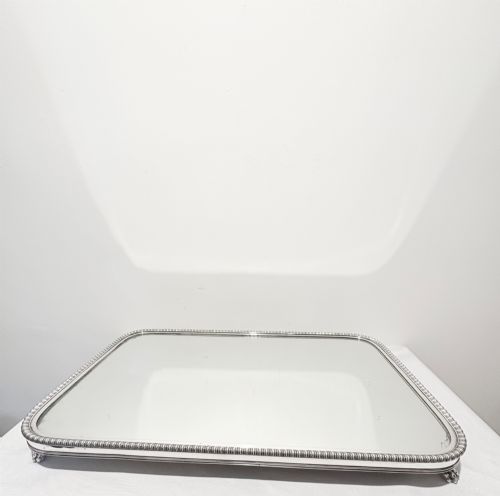
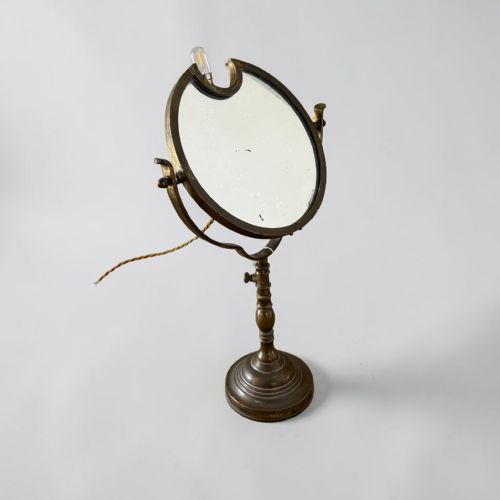
These vintage standing table mirror examples offer functional reflection and decorative poise across periods from the eighteenth century to the art deco era.
Vintage Standing Table Mirror
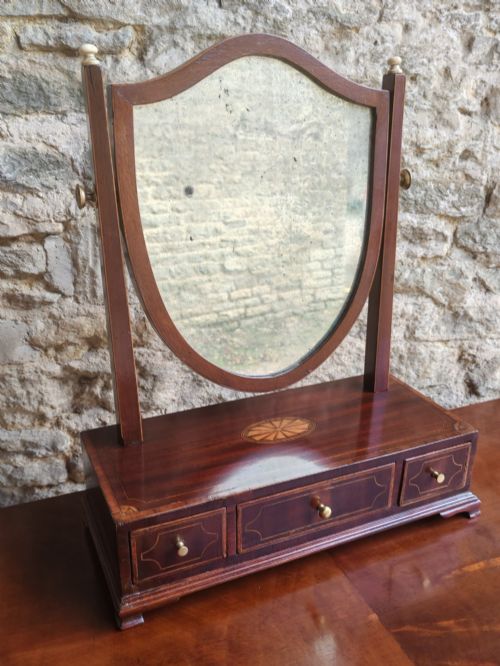
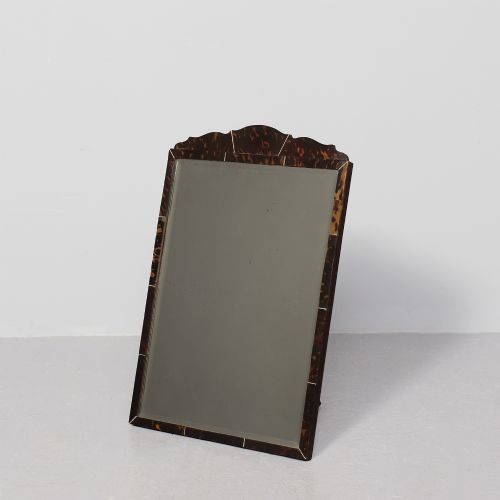
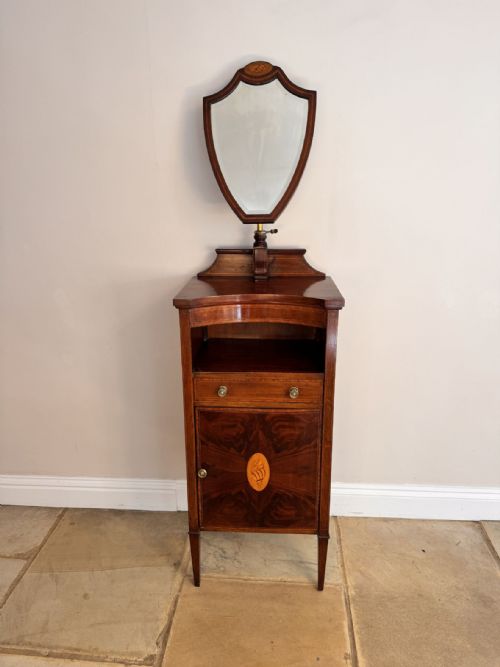
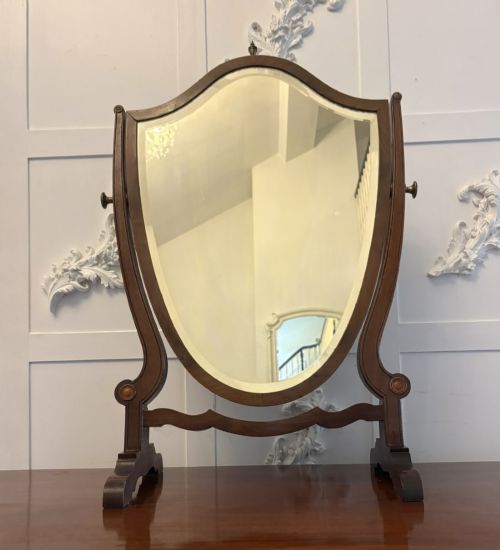
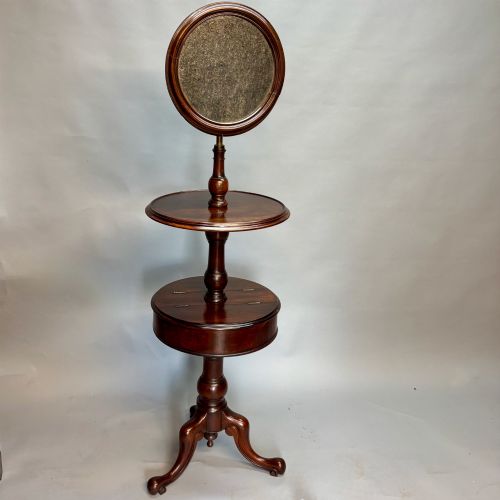
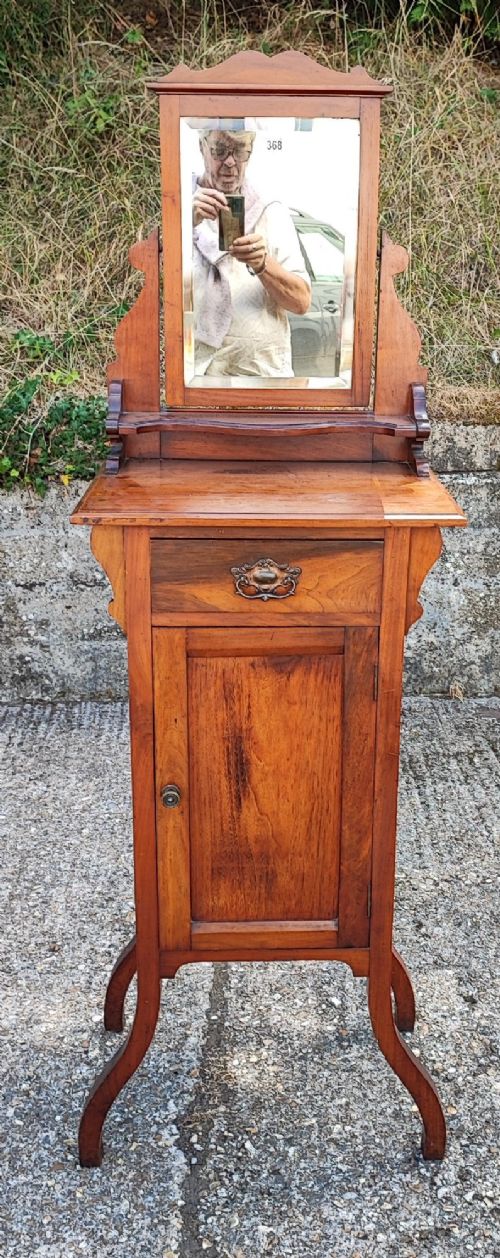
A vintage standing table mirror is designed for dressing tables, chests and sideboards, providing a portable reflective surface supported by an easel back, swivel pivots or a fixed frame. When searching for a vintage standing table mirror, buyers encounter numerous forms including shield-shaped toilet mirrors, shaving stands and vanity glasses.
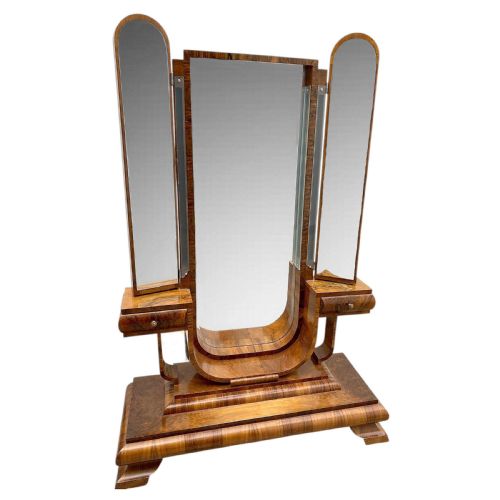
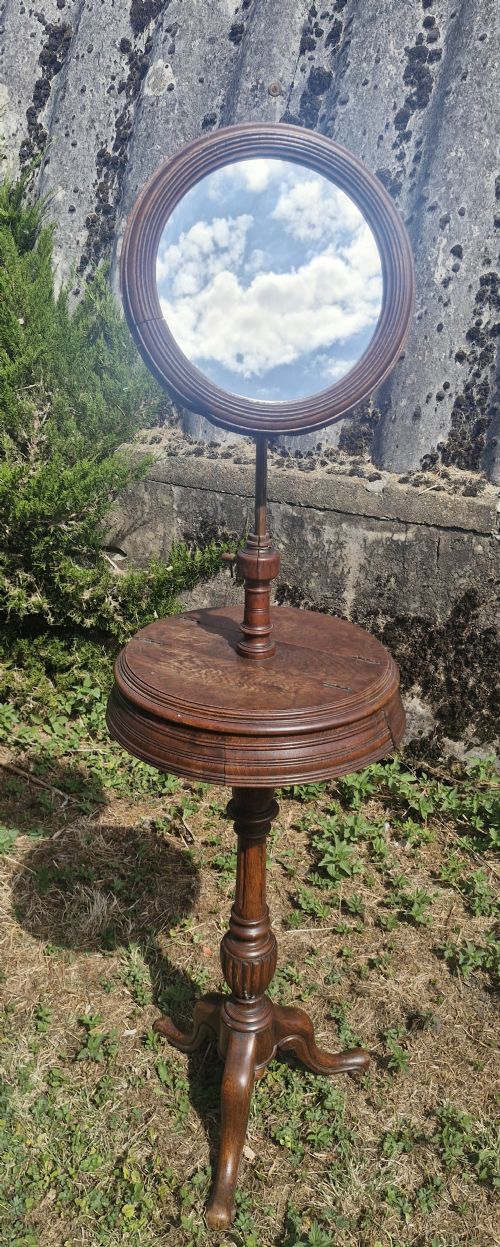
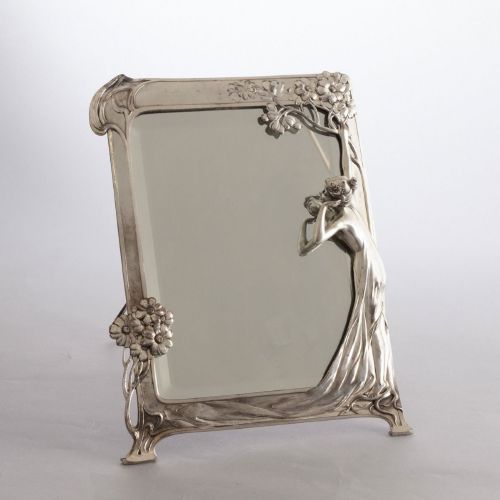
The selections span distinct historical periods from eighteenth-century Georgian designs to early twentieth-century Edwardian and Art Deco pieces. Walnut, mahogany, oak and brass predominate as the structural foundations for these items.
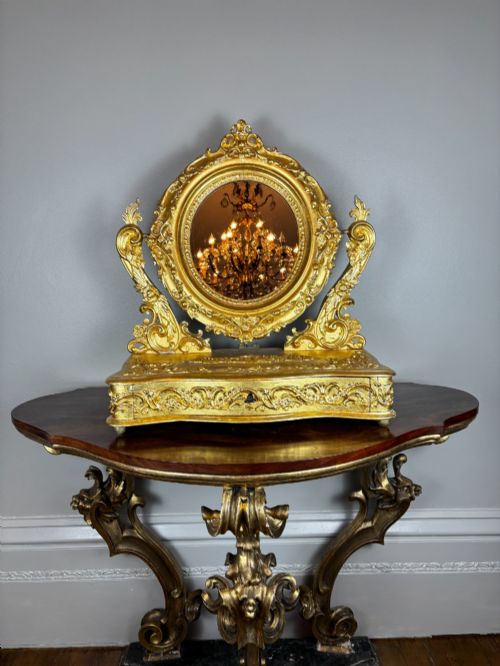
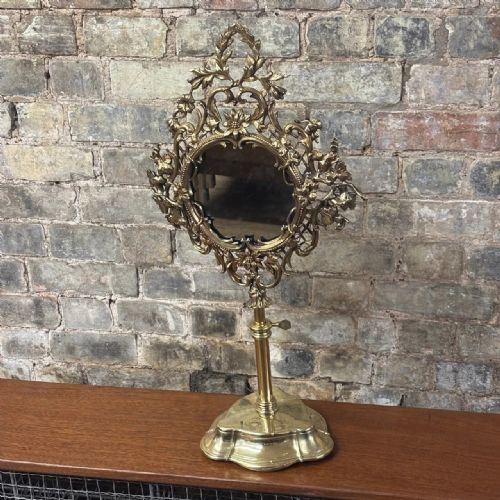
Origin and design vocabulary range from French Rococo-style giltwood frames to simple mahogany swing mirrors. Many incorporate functional adjustments, allowing the glass plate to tilt for personal grooming.
How they were made
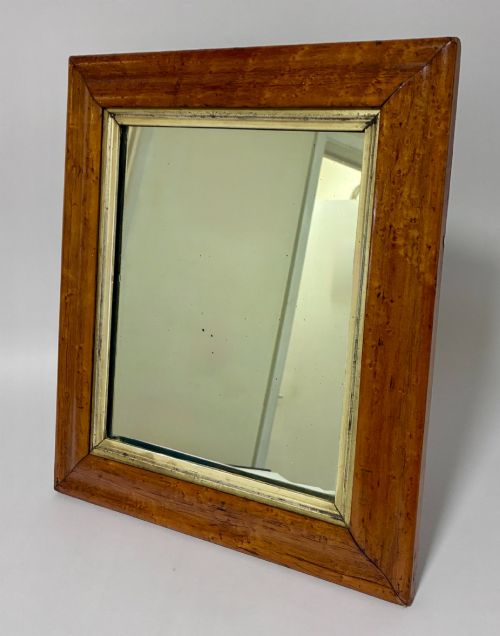
Cabinetmakers constructed the frames using native and exotic timbers such as mahogany, walnut, birds-eye maple and oak, often incorporating fine joinery like dovetailed drawer boxes on the base plinths. Brass, giltwood, gesso and cast bronze served as primary materials for decorative metalwork and ornate framing.
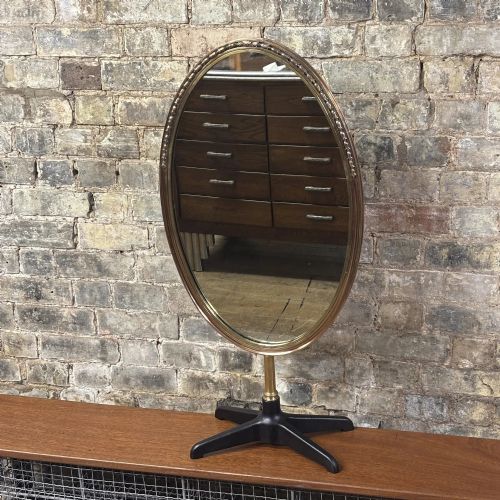
Mirror plates relied on early glass-pouring and silvering techniques, held securely within rebated wooden frames or supported by brass struts and easel backs. Specialised items like shaving stands and vanity mirrors integrated adjustable brass brackets and mechanical pivots to alter the viewing angle.
Vintage Standing Table Mirror Retail Price Guide 2026
Typical asking prices for vintage standing table mirror among the pieces listed under this phrase on Sellingantiques today, from the lower quarter to the upper quarter. They describe what is for sale here now, not the wider market.
What varies in quality
The refinement of the timber carving and the crispness of the giltwood or brass repoussé work distinguish superior examples from standard production pieces. Figured veneer selection, such as matched walnut or birds-eye maple, indicates the maker's dedication to visual harmony.
Mechanical integrity in the swivel pins, adjustable screws and easel struts separates durable survivals from compromised items. Original glass plates retaining their historical silvering distortion also add greater authenticity compared to modern replacement mirrors.
Flashman and Co·Heal and Sons·Thomas Rubergall·WMF
The Vintage Standing Table Mirror Glossary
- Cheval mirror
- A full-length or large standing mirror supported on a frame with vertical pillars and pivots, allowing the glass to swing freely. Smaller table-top versions also utilise this pivoting mechanism.
- Toilet mirror
- A smaller dressing mirror designed to sit atop a table or chest of drawers, frequently constructed during the Georgian and Victorian periods with small drawers in the base.
- Strut mirror
- A mirror featuring a hinged prop or leg on the reverse side to support it upright on a flat surface.
- Gesso
- A plaster-like mixture applied to wood surfaces as a base for moulding and gilding, common in ornate Italian and French frames.
- Repoussé
- A metalworking technique where the artist hammers the metal from the reverse side to form a raised design in relief on the front.
Vintage Standing Table Mirror: Frequently Asked Questions
How do I date a table mirror?
Dating relies on identifying the underlying timber species, assembly methods, and stylistic cues such as Georgian proportions or Art Deco geometric lines.
Hardware components like screws, hinges, and the composition of the mirror glass provide further physical evidence for chronological placement.
Where should I place a table mirror?
These mirrors suit placement on dressing tables, sideboards, and chest tops where they bounce natural light around a room and offer functional reflection.
Smaller strut versions work effectively on mantelpieces or console tables alongside decorative ornaments.
Are shaving stands adjustable?
Many period shaving stands incorporate pivoting mirror plates and adjustable sliding shafts to accommodate different heights and angles for grooming.
Brass fittings and mechanical thumbscrews facilitate these daily adjustments.
What is the difference between a vanity mirror and a toilet mirror?
Toilet mirrors traditionally describe eighteenth and nineteenth-century examples often mounted on small drawer bases for personal toiletries.
Vanity mirrors encompass a broader category spanning Art Deco and Edwardian periods with simpler easel or swivel frames.