


Vintage Standing Light
A vintage standing light brings height and illumination to a room, offering functional vertical form alongside period character.
Vintage Standing Light
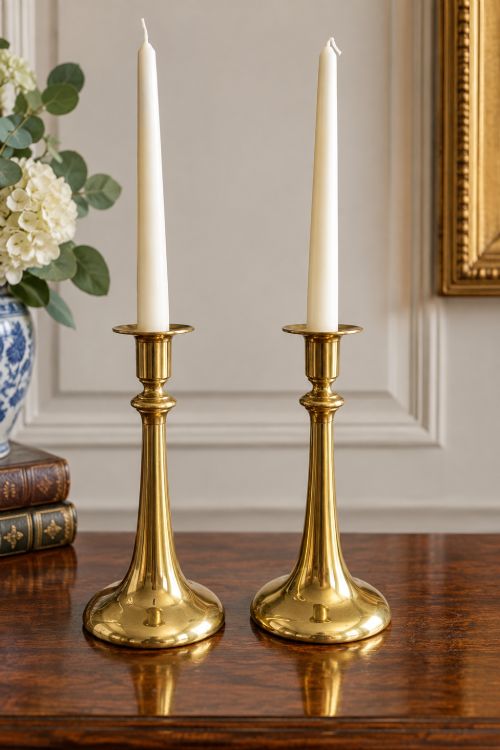
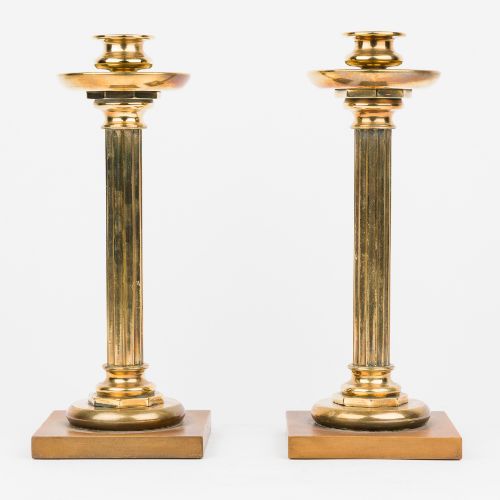
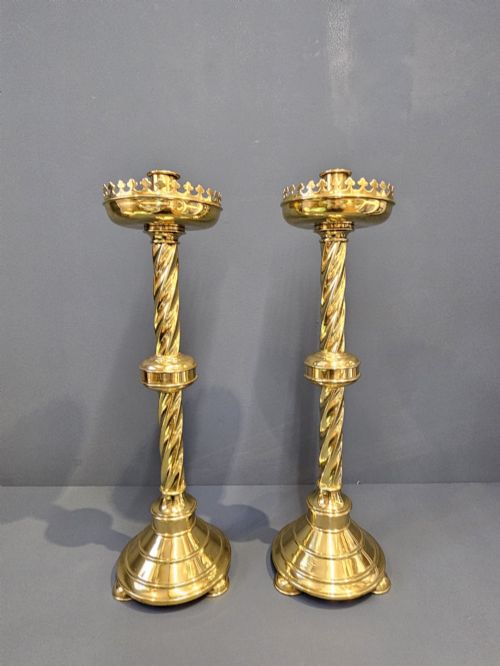
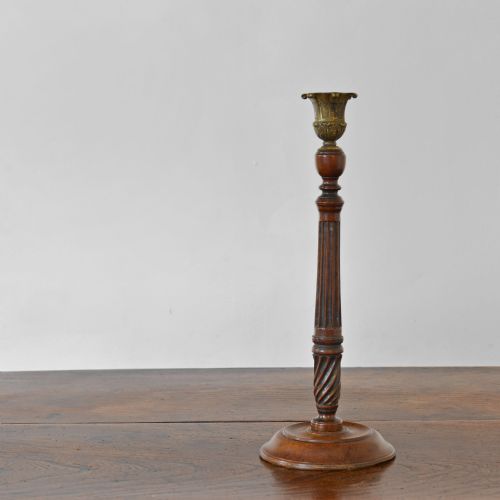
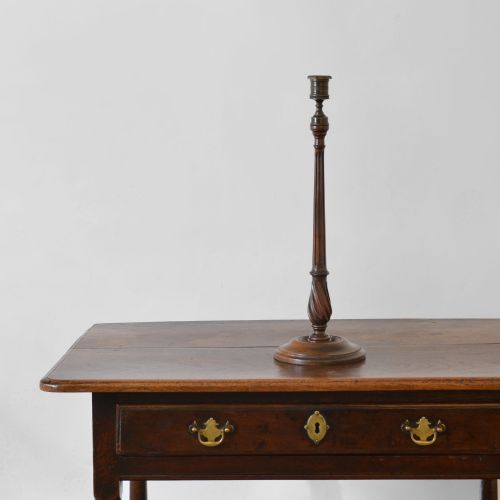
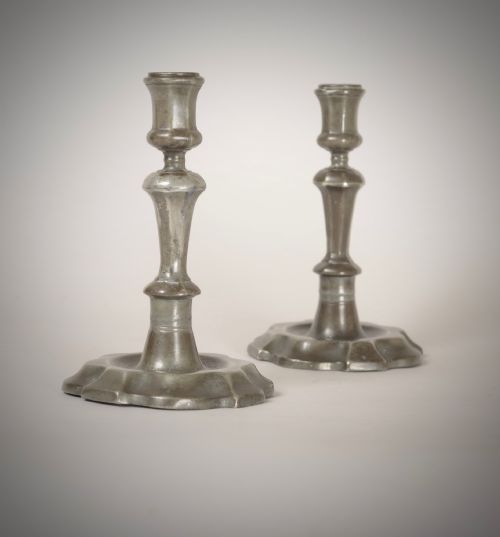
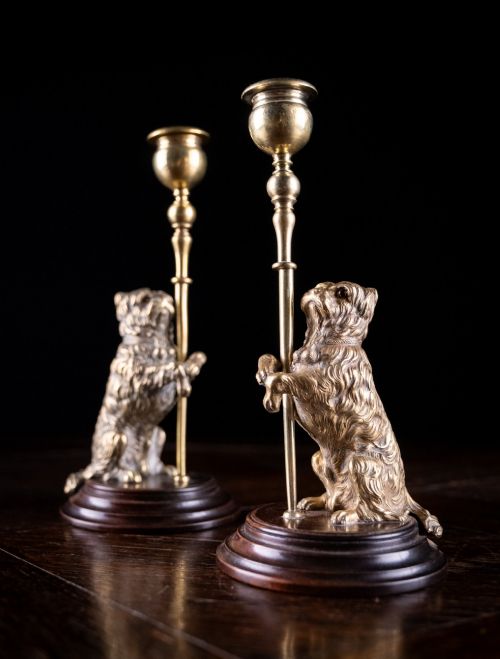
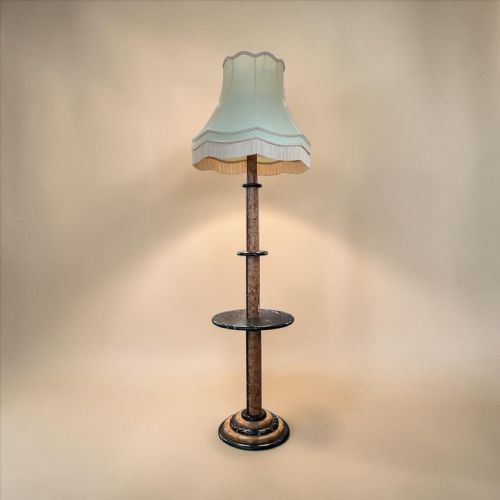
A vintage standing light encompasses floor-standing lamps, standard lamps and tall table-height candle holders that elevate illumination above surface level. Buyers searching for a vintage standing light find both electric floor standards and traditional floor-standing candle holders spanning multiple centuries.
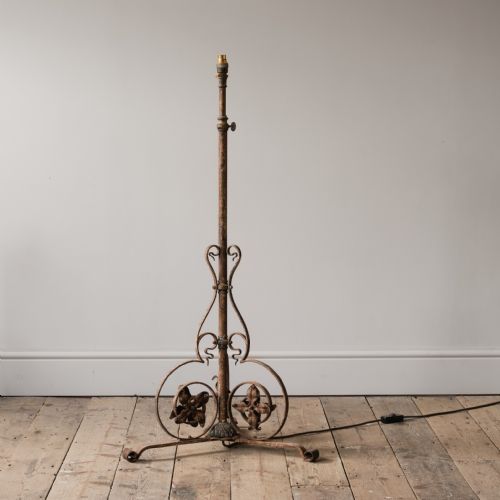
The selection ranges from early Georgian mahogany and brass candlesticks to substantial Arts and Crafts, Art Deco and Edwardian standard lamps. Floor lamps with adjustable mechanisms sit alongside solid oak, satinwood and cast-iron standards, often paired with fabric or vellum shades.
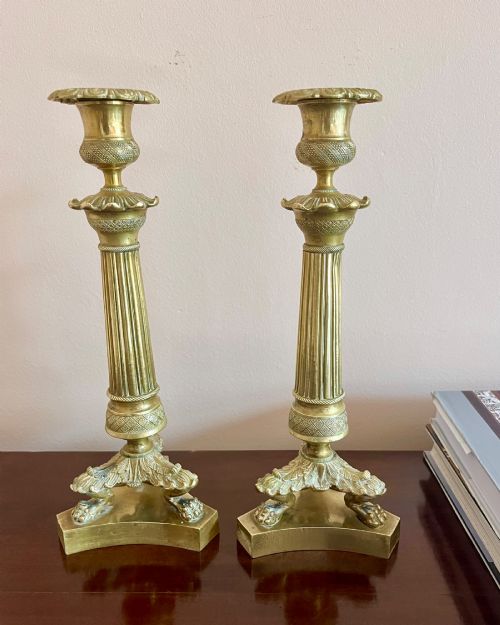
Origin and period vary widely, extending from the eighteenth century through the Victorian era and into the interwar years. Pieces include specialised forms such as bouillotte lamps, church candlesticks and tripod bases.
Materials and construction
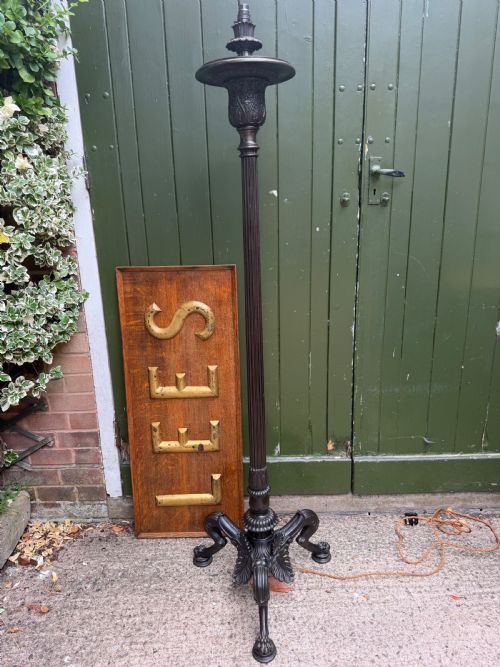
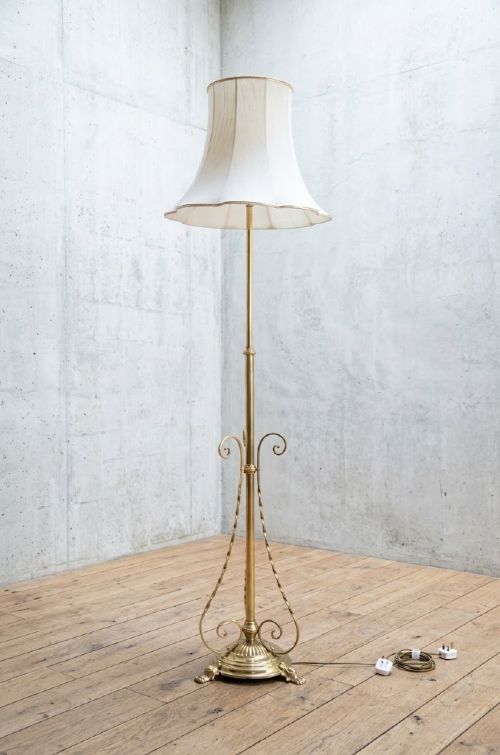
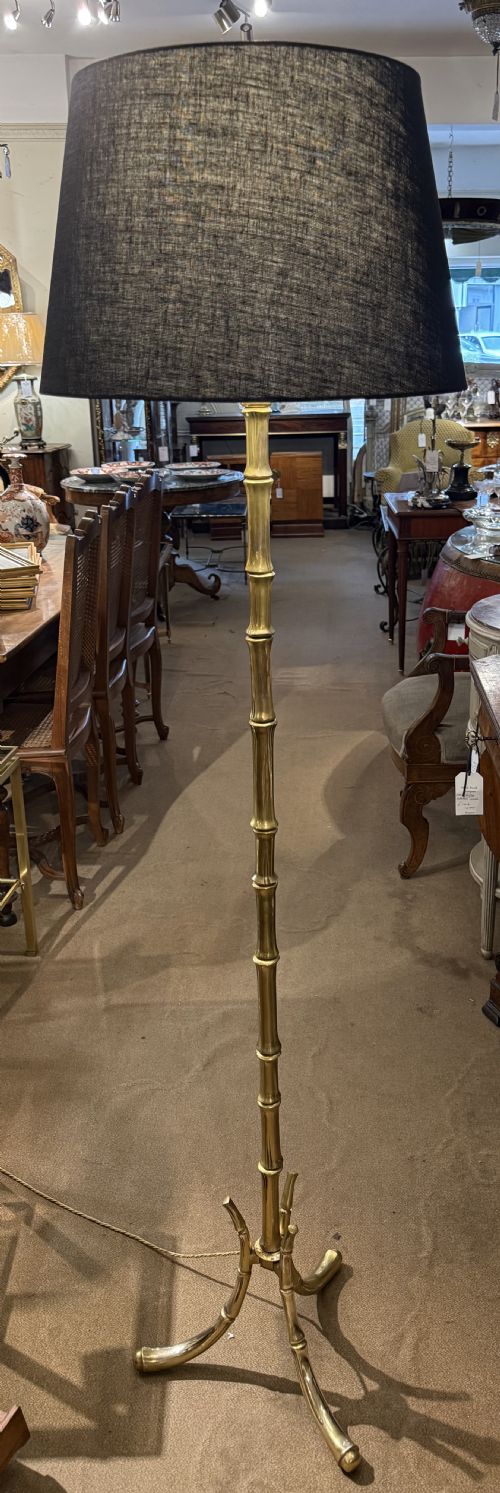
Metalworking dominates the construction of these pieces, utilising cast iron, solid brass, bronze patina, ormolu and silver plate shaped into heavy bases and slender columns. Blacksmith-made ironwork and intricate turned brass demonstrate period engineering, often incorporating height-adjustable stems.
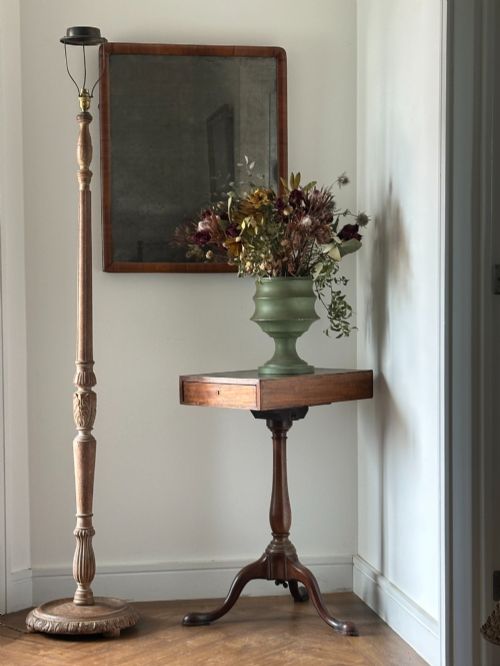
Woodworking traditions appear in carved oak, mahogany, and satinwood floor standards, sometimes paired with marble bases or decorated with Chinoiserie motifs. Fabric and vellum complete the upper sections of the lighting fixtures, providing diffusion for the light source.
Vintage Standing Light Retail Price Guide 2026
Typical asking prices for vintage standing light among the pieces listed under this phrase on Sellingantiques today, from the lower quarter to the upper quarter. They describe what is for sale here now, not the wider market.
Listings span multiple materials including oak, mahogany, marble, pewter, and gilt bronze across Georgian, Victorian, and Art Deco periods.
Distinctions in manufacture
Quality rests upon the weight and stability of the base, the integrity of the adjustment mechanisms, and the precision of the metal casting or timber carving. Substantial gauge metals and dense hardwoods distinguish the finer standard lamps from lighter utilitarian examples.
Artistry in surface treatment - such as hand-applied ormolu, patination, or detailed Chinoiserie decoration - separates standard production pieces from higher-tier workshop creations.
Maison Bagues·Heals
The Vintage Standing Light Glossary
- Standard lamp
- A tall floor lamp designed to stand directly on the floor and provide ambient or reading illumination.
- Candlestick
- A portable holder with a socket or spike to support a single candle.
- Ormolu
- Gilt bronze mounted or applied as a decorative finish to metalwork, popular in Regency and nineteenth-century pieces.
- Chinoiserie
- European decorative style employing Chinese-inspired motifs, often seen on lacquered lamp standards.
- Pricket candlestick
- A candlestick featuring a central metal spike upon which a candle is impaled, common in earlier stylistic revivals.
Vintage Standing Light: Frequently Asked Questions
How do I wire a vintage standard lamp?
Rewiring typically involves replacing older internal cord with modern insulated flex routed through the central column. A qualified electrician ensures the lamp meets current safety standards while preserving the original brass or wood housing.
Many antique floor lamps accept standard modern bulb holders, allowing you to use contemporary LED lamps safely within vintage shades.
What is the difference between a standard lamp and a floor lamp?
In British terminology, a standard lamp traditionally refers to a tall, floor-standing electric lamp with a fixed or adjustable column. Floor lamp is often used interchangeably, though historical listings may group tall candlesticks under standing lights.
Both types serve the same function of elevating a light source above furniture level to illuminate a seating area.
How do I choose a shade for a vintage lamp?
Proportion dictates shade selection, ensuring the diameter balances the visual weight of the timber or brass base. Fabric, silk, or vellum shades mirror the materials recorded on period standards.
Consider the height of the lamp standard so the lower edge of the shade conceals the bulb fitting at eye level.