


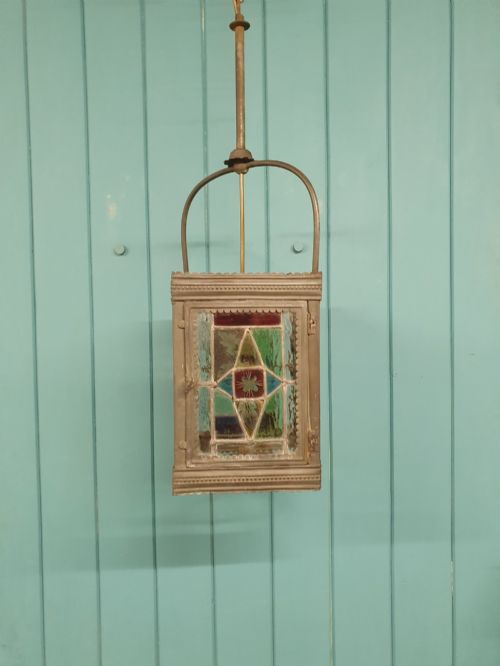


Vintage Stained Glass
These vintage stained glass pieces bring historic colour and light into rooms through leaded windows, panels, and lanterns.
Vintage Stained Glass
When searching for vintage stained glass, buyers encounter architectural salvage including windows and panels alongside smaller items like decorative bowls and lamps. The selection spans the Victorian, Edwardian, and Art Deco periods, encompassing 19th Century craftsmanship up to the 1930s.
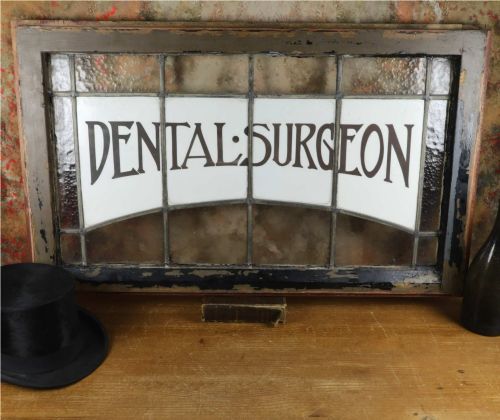
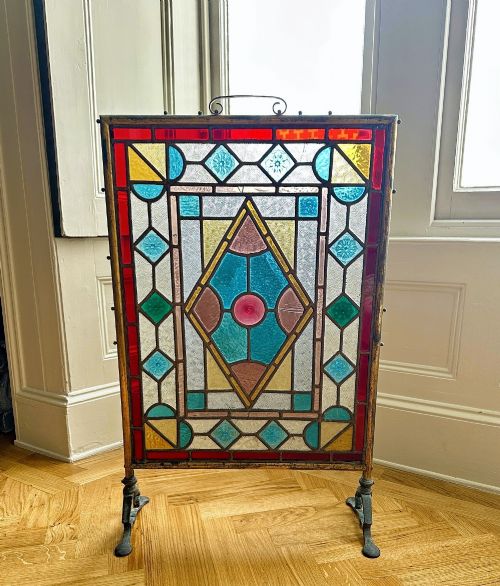
Windows and panels dominate the offerings, often featuring hand-painted scenes of countrysides, castles, farmhouses, and birds on branches. These architectural pieces capture the distinct aesthetic movements of their respective decades, from Victorian Gothic and Arts and Crafts to Art Nouveau.
Materials and construction
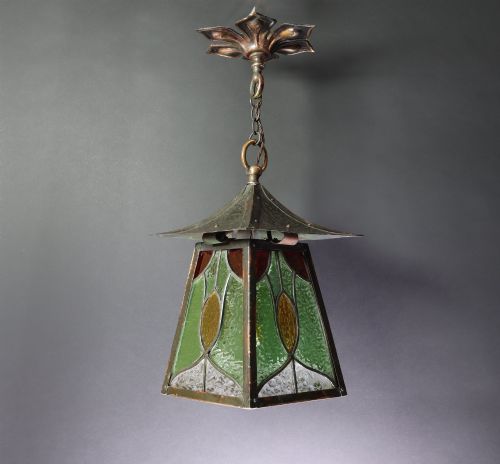
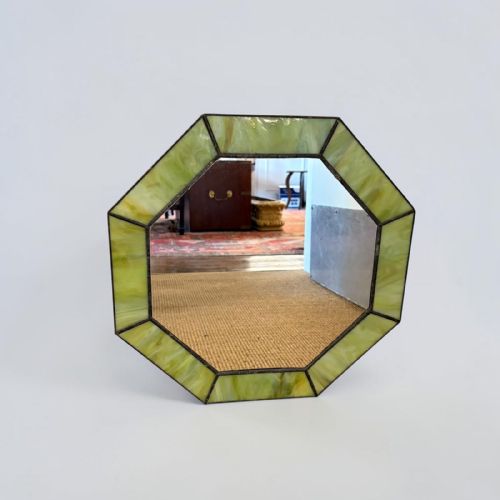
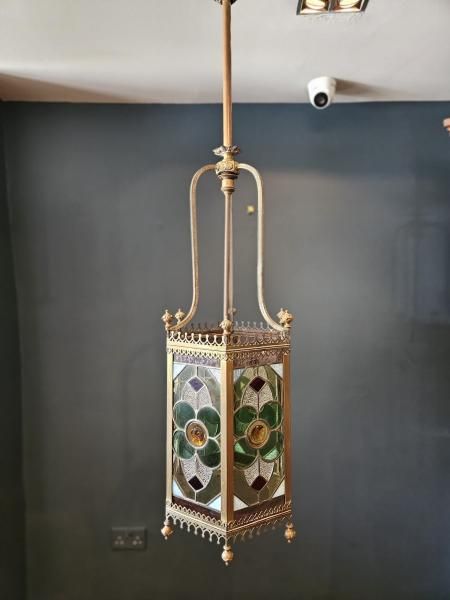
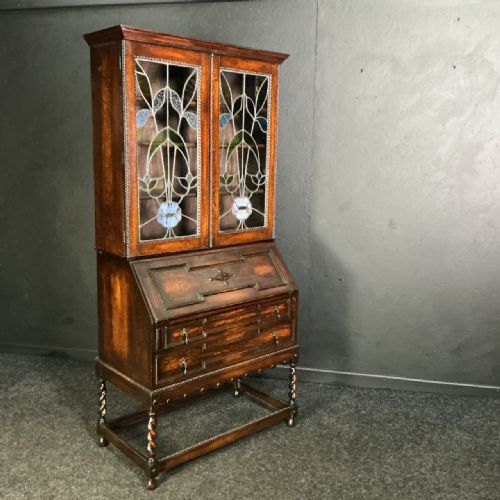
The construction relies on coloured or hand-painted glass held together by lead cames, forming detailed pictorial designs enriched by amber bullseyes. Artisans combined these leaded structures with timber frames or iron stands for support in architectural settings.
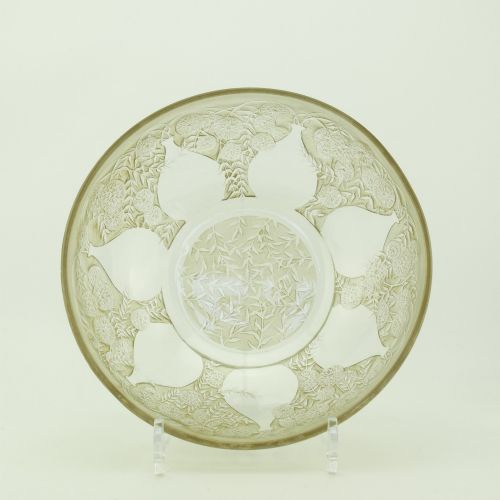
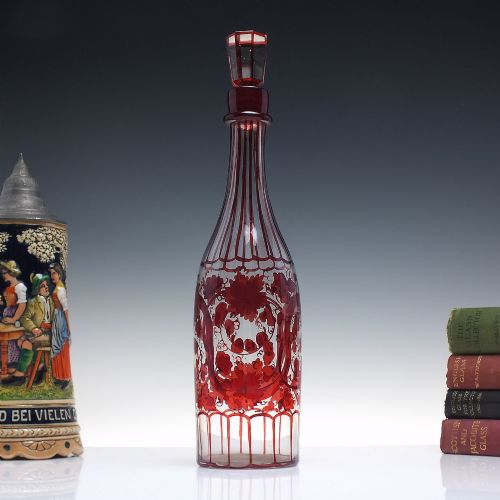
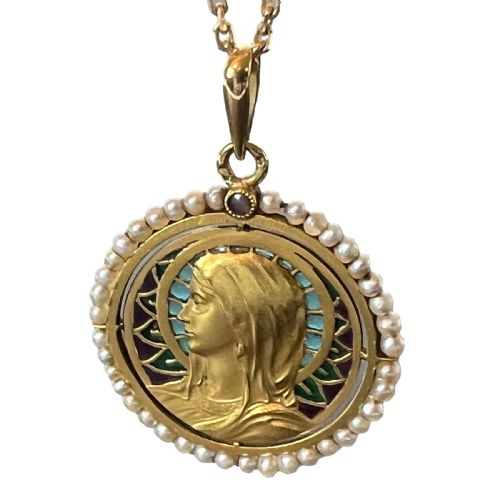
Moulded glass and enameled techniques appear across decorative vessels and panels, utilising brass and wood as supporting elements. Craftspeople applied surface treatments including blue, red, and sepia staining to accentuate moulded details.
Vintage Stained Glass Retail Price Guide 2026
Typical asking prices for vintage stained glass among the pieces listed under this phrase on Sellingantiques today, from the lower quarter to the upper quarter. They describe what is for sale here now, not the wider market.
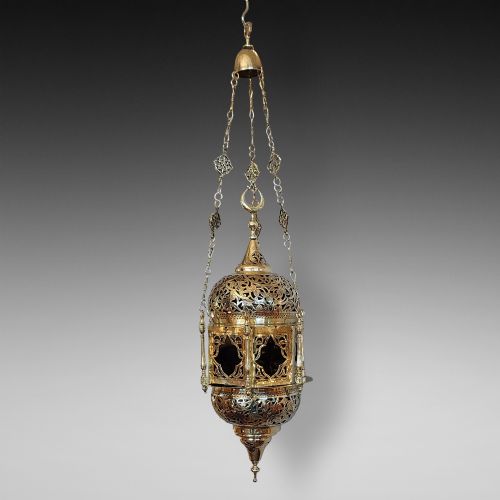
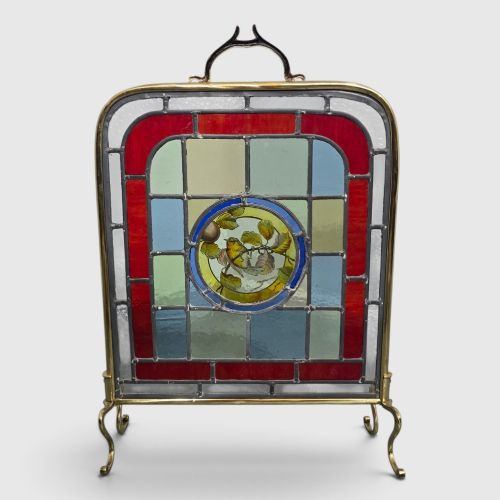
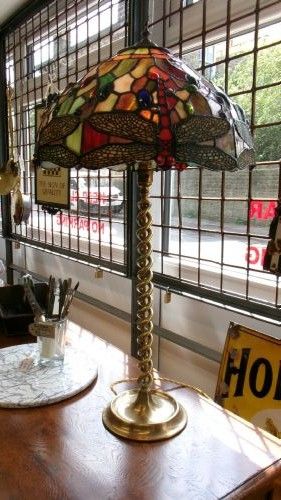
The listings show leaded windows featuring hand-painted countryside scenes, farmhouses, and wildlife alongside Edwardian brass lamps.
Judging quality in vintage glass
Quality rests in the precision of the lead work and the intricacy of the hand-painted details within the glass panels. Superior pieces demonstrate crisp execution in pictorial scenes depicting landscapes, figures, or natural motifs.
The integrity of the leading and the depth of the glass colour differentiate standard production from finer examples. Artistry in applied surface staining and the preservation of original timber or metal surrounds influence the overall character.
Rene Lalique
The Vintage Stained Glass Glossary
- Came
- A grooved strip of lead used to hold pieces of glass together in a window or panel. These flexible strips form the structural grid of the design.
- Bullseye
- A circular patch of glass with a central protrusion, formed from the centre of a spun glass disc. They frequently appear as accents in leaded windows.
- Architectural salvage
- Building elements rescued from structures slated for demolition, including windows, doors, and panels. This material preserves historical craftsmanship for modern reuse.
- Arts and Crafts
- A design movement advocating traditional craftsmanship and simple forms, prominent in many of these windows and firescreens. It emphasises hand-rendered details over industrial production.
Vintage Stained Glass: Frequently Asked Questions
How do I install an antique stained glass window?
These panels can be hung within an existing window opening using brackets or mounted against a lit wall box to display the colours properly.
Ensure the wooden or metal frame is sufficiently stable to support the weight of the leaded glass before securing it in place.
What periods do these glass pieces come from?
The pieces span from the Victorian and Edwardian eras through the Arts and Crafts period and into the 1930s Art Deco years.
Stylistic markers such as floral motifs, hand-painted pastoral scenes, and geometric lead patterns help identify the specific decade.
How do I clean vintage stained glass?
Wipe the glass gently with a soft cloth and a mild, non-ammonia cleaner to protect the aged surface and any hand-painted details.
Avoid pressing hard on the lead cames, as older lead can be pliable and susceptible to shifting under pressure.
Are all listed items authentic antiques?
The selection includes genuine pieces originating from the nineteenth and early twentieth centuries, constructed with period materials and techniques.
Evidence of age typically shows in the slight irregularities of the glass and the natural oxidation of the lead framing.