
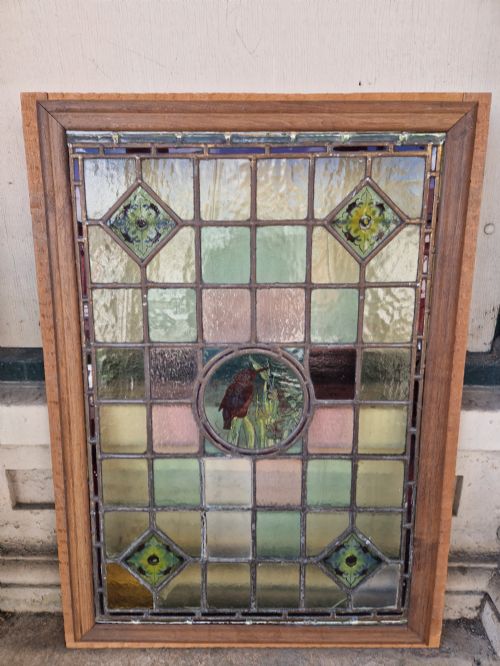


Framed Stained Glass
Framed stained glass brings colour and historic craftsmanship into a room through leaded windows, panels, and firescreens.
Framed Stained Glass
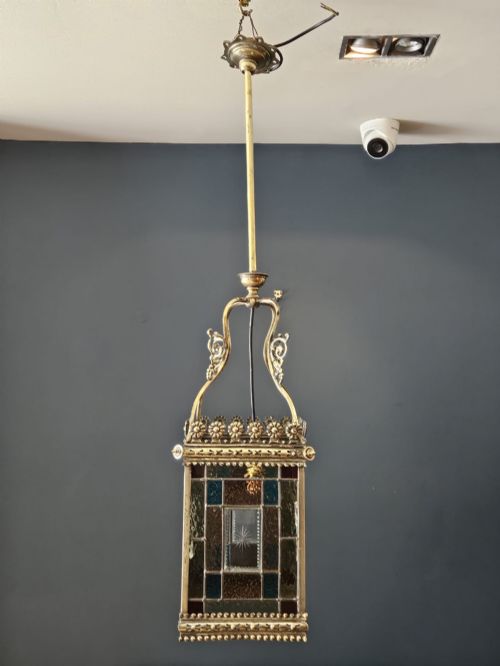
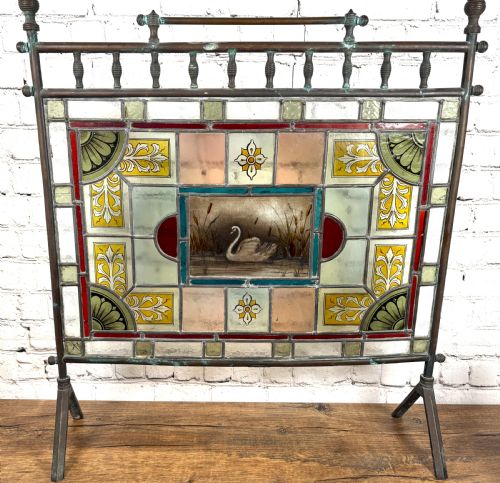
Framed stained glass encompasses architectural salvage, hanging panels, and domestic accessories like firescreens and lanterns. These pieces span periods from the nineteenth century through to the nineteen-thirties, crossing Victorian, Edwardian, and later design movements.
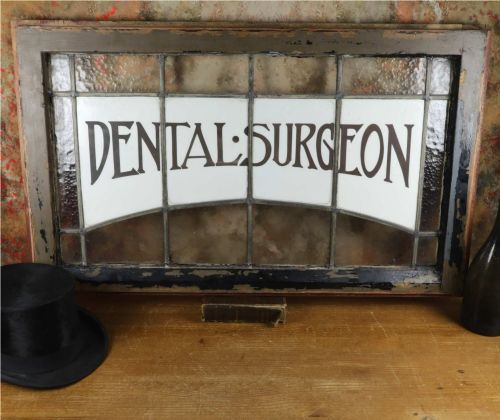
The buyer meets domestic windows with pictorial subjects such as birds, landscapes, and literary emblems alongside architectural pieces like church windows and doorway transoms. Wooden and metal framing secures the delicate leaded matrixes for interior display or structural reuse.
Materials and construction
Pieces are constructed using coloured or painted glass held together by lead cames, soldered at the joints to form intricate pictorial and geometric designs. Timber frames in pine and hardwood, as well as brass and iron surrounds, provide structural support for the glass panels.
Surface decoration frequently includes hand-painted details and fired enamels, sometimes incorporating amber bullseyes or etched textures to catch the light. Frames are fitted to accommodate hanging, standing as firescreens, or installation within interior and exterior architectural openings.
Listings feature pieces from the Victorian and Edwardian eras alongside nineteen-twenties examples, utilising lead, timber, brass, and iron.
Assessing quality
Quality rests in the intricacy of the painted detail and the ambition of the composition, distinguishing simple geometric leaded panes from elaborate pictorial scenes featuring knights, landscapes, or religious iconography. The integrity of the lead cames and the stability of the surrounding wooden or brass frame also define the standard of a piece.
The harmony of the glass colours and the crispness of any painted or etched elements demonstrate the skill of the original maker. Original matching pairs and specialised domestic forms like firescreens or lanterns represent higher degrees of design specialisation.
The Framed Stained Glass Glossary
- Came
- The slender H-section lead strips used to hold individual pieces of glass together in a window or panel. These flexible channels are soldered at every intersection to form a rigid structural web.
- Bullseye
- A small, circular centre piece of glass formed during the glassblowing process, featuring a characteristic concentric thickening. They appear in windows to add texture and catch the light.
- Firescreen
- A domestic furnishing designed to shield a room from the heat of an unlit fireplace, frequently constructed with a decorative glass panel set into a brass or timber frame.
- Architectural salvage
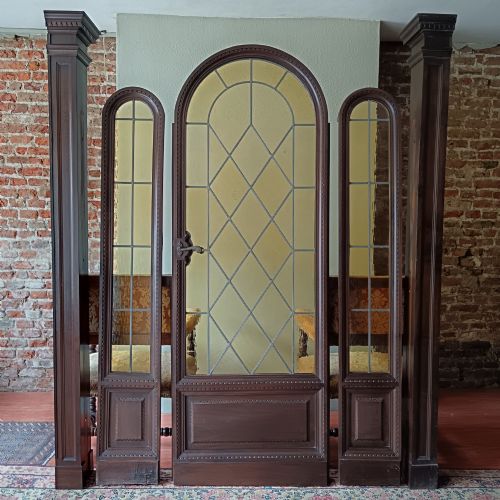
- Building components rescued from demolition or alteration, including doorways, transoms, and church windows intended for reuse in interior design.
- Gothic Revival
- An architectural and decorative style drawing inspiration from medieval design forms, visible in pointed arch windows and ecclesiastical framing.
Framed Stained Glass: Frequently Asked Questions
How do I hang a stained glass panel?
Panels require secure fixings attached directly to the window frame or wall studs to support the combined weight of the glass and lead. Hanging chains or brackets should distribute the load evenly across the outer timber or metal frame rather than the lead matrix itself.
Positioning the piece against a natural light source ensures the colours and painted details are fully illuminated. For interior walls without direct daylight, a backlit display box provides an alternative way to exhibit the glass.
Were these windows originally exterior?
Many pieces began as exterior architectural elements in homes, churches, and commercial premises, designed to admit light while providing privacy. Over time, buildings are altered or demolished, resulting in these windows being salvaged and reframed for interior decorative use.
Smaller items like firescreens and decorative panels were created specifically for interior domestic settings. Examining the frame and the weather-facing side helps determine the original architectural context of a panel.
How do I date a stained glass window?
Dating relies on stylistic clues within the glass design and the construction methods of the surrounding frame. Victorian and Gothic Revival pieces often feature ecclesiastical motifs or formal geometric layouts, while Edwardian and nineteen-twenties examples frequently show naturalistic floral or pictorial scenes.
The materials used for the frame, such as heavy brass or specific timbers, also provide chronological indicators that align with the broader periods of manufacture.
Can these windows be fitted into modern walls?
Stained glass panels can be incorporated into modern interiors as room dividers, hung wall art, or inset within larger window openings. Professional installation is recommended to ensure the frame adequately supports the weight and protects the lead work from bending.
When placed in front of existing glazing, a small air gap is typically maintained to prevent thermal cracking of the historic glass.