

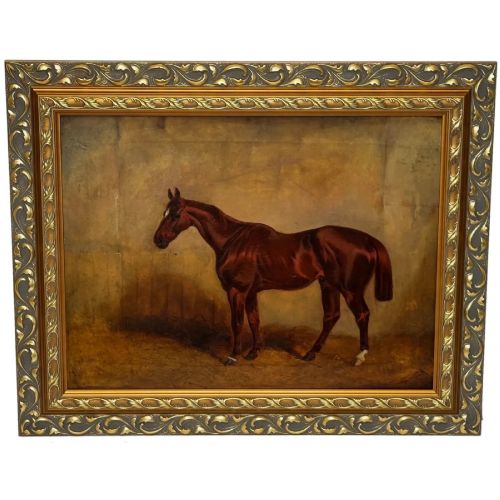
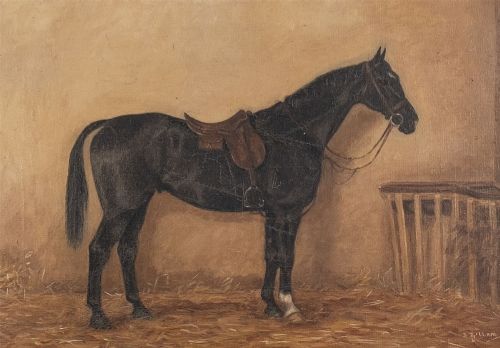
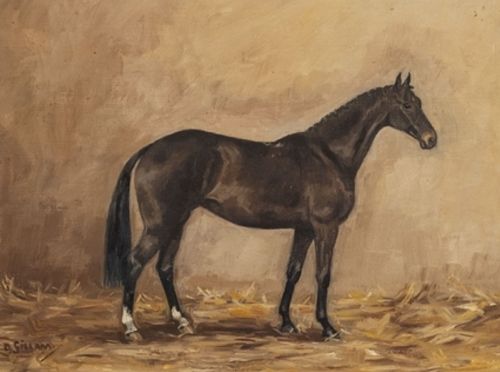
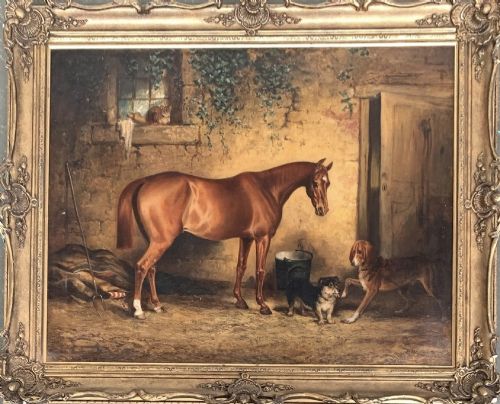

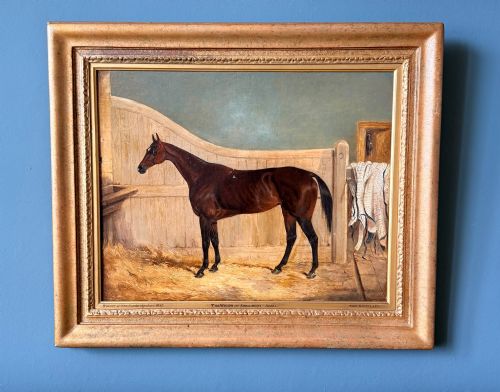


Vintage Stable Painting
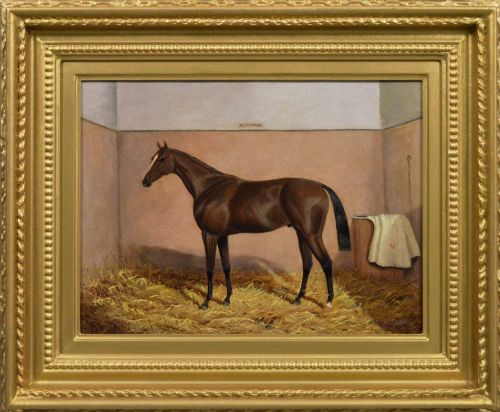
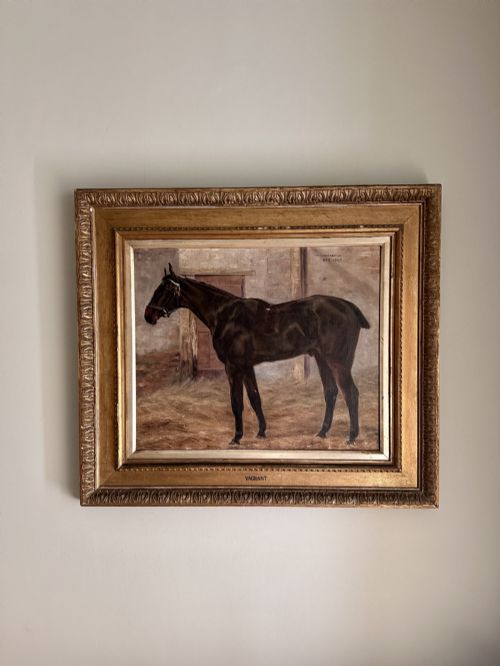
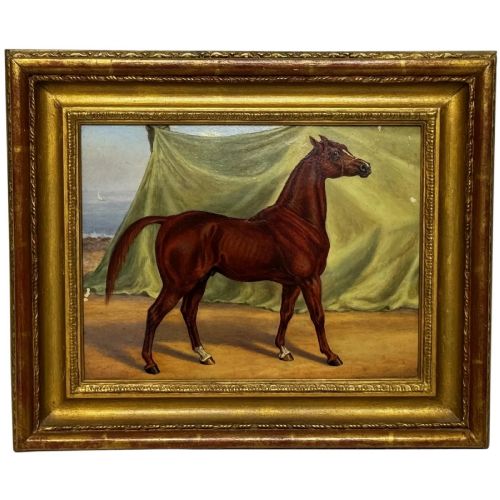
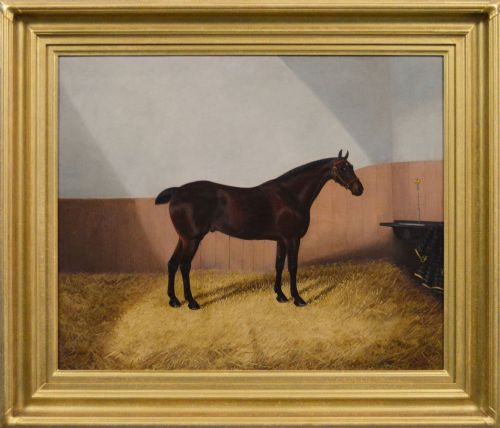
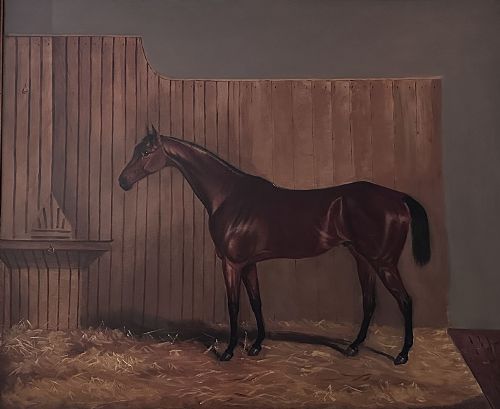
These vintage stable painting works capture horses and equines in their quarters, offering a direct window into nineteenth and early twentieth century sporting life.
Vintage Stable Painting
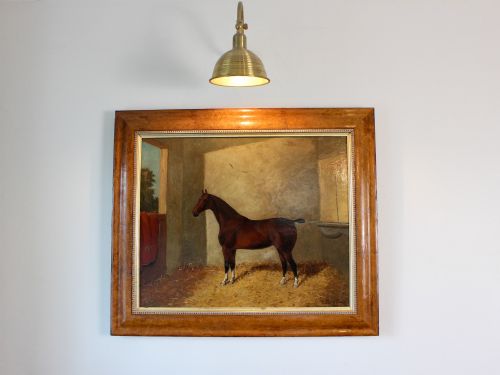
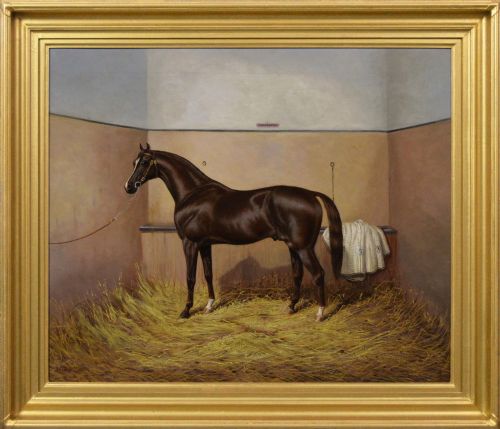
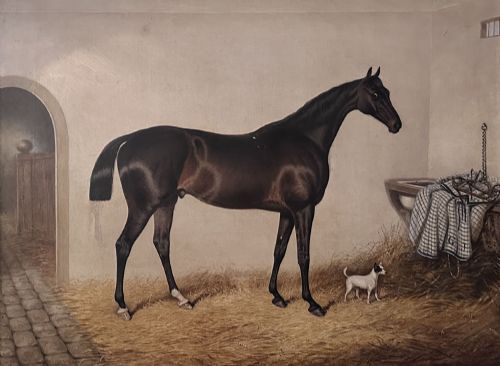
A vintage stable painting depicts horses, hunters, and racehorses within domestic or stable settings, often rendered in oil on canvas or watercolour. Buyers searching this phrase encounter nineteenth century Victorian works alongside pieces from the Edwardian era up to nineteen twenty.
The subjects range from named racehorses and prize hunters to specific establishments such as Bombay Stables and local hunt stables. Artists document these animals with precise attention to conformation, coat colour, and individual character.
Framing is frequently contemporary to the artwork, utilising giltwood or plain wood frames that complete the period presentation. These oil paintings and watercolours function as both equine portraits and historical records of equestrian culture.
Materials and techniques
Painters relied principally upon oil paint applied to canvas, building up the horse coats and stable interiors through layered brushwork. Watercolour and gouache on paper also appear across the selection, offering a lighter medium for detailed equine studies.
Works are housed within wooden surrounds, frequently featuring gilt wood or giltwood mouldings that enhance the depth of the composition. These traditional framing methods protect the canvas and paper substrates over generations of display.
Vintage Stable Painting Retail Price Guide 2026
Typical asking prices for vintage stable painting among the pieces listed under this phrase on Sellingantiques today, from the lower quarter to the upper quarter. They describe what is for sale here now, not the wider market.
Several horses depicted in these stables retain illustrious nineteenth century racing records alongside their exceptionally groomed winter coats.
What distinguishes finer examples
The distinction between standard works and superior pieces lies in the anatomical precision of the horse and the atmospheric depth of the stable interior. Master artists render musculature, light falling through stable doors, and the alert expression of the animal with convincing realism.
Provenance and attribution elevate specific pieces, particularly when a named artist, a documented racehorse winner, or a notable estate history is attached to the painting. The preservation of the original canvas and authentic period framing further distinguishes the most accomplished works.
Henry Barraud·Albert Clark·Fred Fitzpatrick·Thomas Walker Bretland·Edward Lloyd of Ellesmere·George E Sharpe·Benjamin Cam Norton·Alfred Moginie Bryant·Alfred Grenfell Haigh·Charles Bilger Spalding RA·William Shayer Snr
The Vintage Stable Painting Glossary
- Oil on Canvas
- Pigment mixed with drying oil applied to a stretched cloth support. This medium allows for rich colour blending and durability over centuries.
- Giltwood
- Wood carved and coated with gold leaf or gold paint. It provides a reflective, ornate border typical of nineteenth century picture frames.
- Equestrian Art
- Depictions involving horses as the primary subject matter. This genre encompasses racing portraits, stable scenes, and hunting subjects.
- Watercolour
- Paint consisting of water-soluble pigments dissolved in water applied to paper. It yields transparent washes and delicate line work.
- Provenance
- The documented history of ownership of an artwork. It establishes authenticity and traces the piece back through galleries or estates.
Vintage Stable Painting: Frequently Asked Questions
What is a vintage stable painting?
These works are nineteenth and early twentieth century portraits of horses housed within stables or rural settings. They serve as historical records of notable racehorses, hunters, and equestrian establishments.
Artists during the Victorian and Edwardian periods specialised in recording the exact conformation and personality of individual animals. Many pieces identify the specific horse and painter within the canvas or documentation.
How do I date a stable painting?
Dating relies upon the costume of any human figures, the style of the wooden or giltwood frame, and written signatures or inscriptions on the canvas reverse. Nineteenth century works often display traditional Victorian sporting art conventions.
Changes in painting technique and canvas preparation across the eighteen seventies through to nineteen twenty help narrow the production period. Archival provenance records also confirm the exact year a race was won or a portrait was commissioned.
Where should I hang a horse painting?
These paintings suit traditional drawing rooms, studies, or hallways where period lighting enhances the oil pigments and gilt frames. They pair well with wood panelling and antique furniture.
Direct sunlight and damp environments should be avoided to protect the canvas, oil paint, and paper watercolours from deterioration over time.
Are watercolours as durable as oils?
Watercolour and gouache paintings on paper require careful framing behind glass to prevent moisture and light damage. They offer finer graphic detail compared to heavier oil on canvas works.
Both mediums survive well when kept in stable indoor conditions away from direct heat sources.