







Vintage Spring Clock
A vintage spring clock brings mechanical precision and rich cabinet-making into a room, spanning mantel, wall and bracket formats.
Vintage Spring Clock
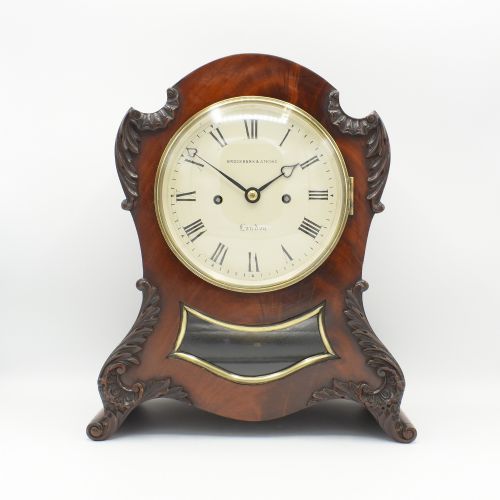
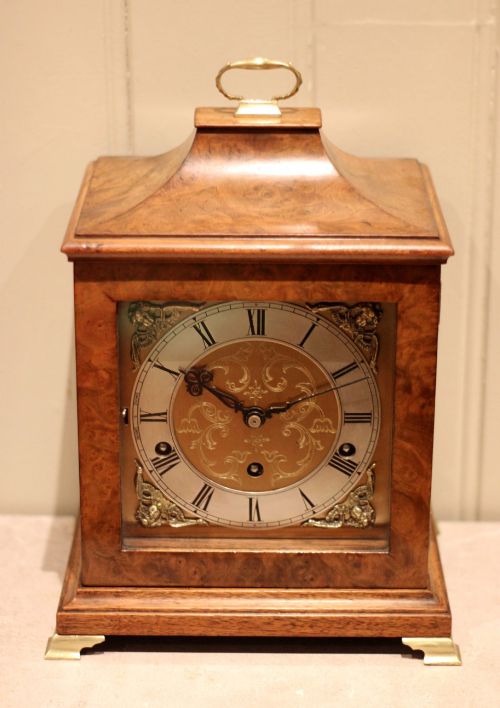
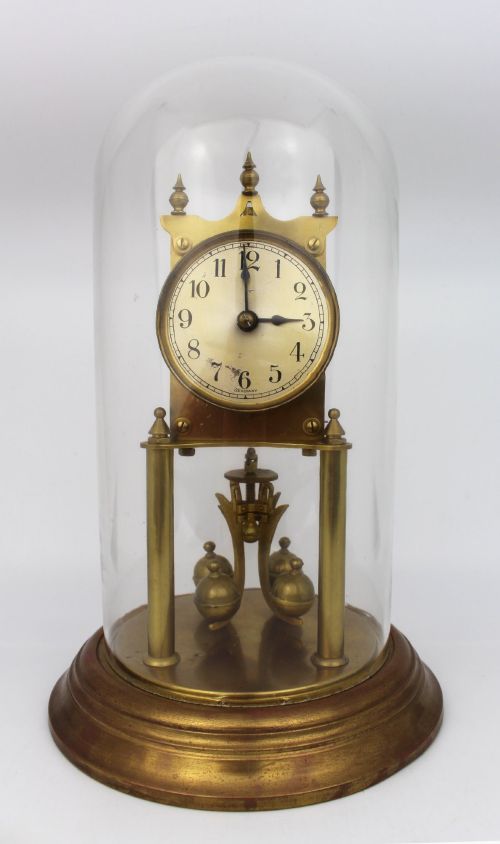
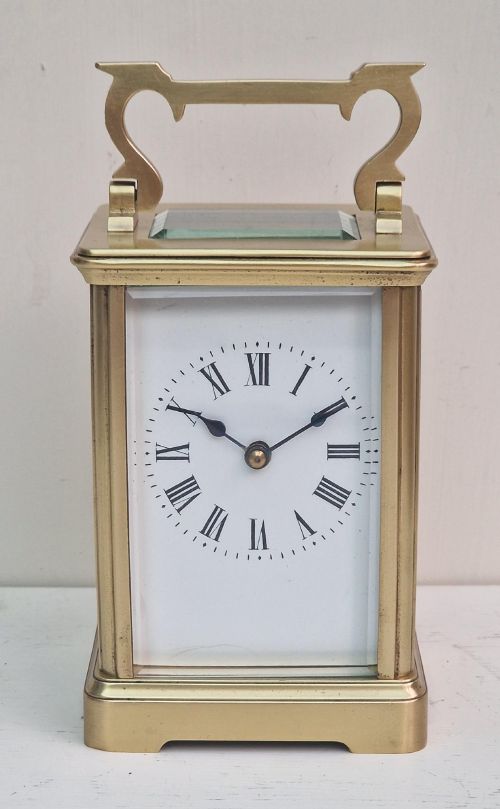
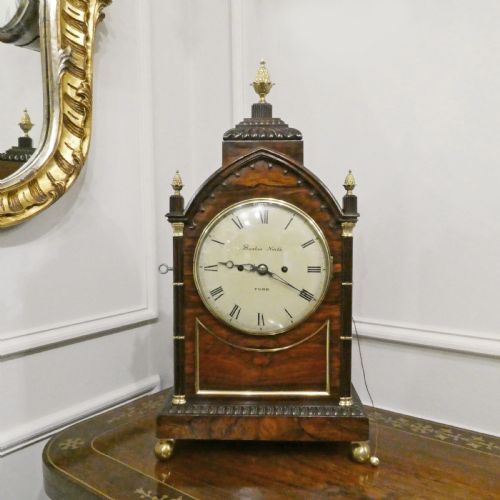
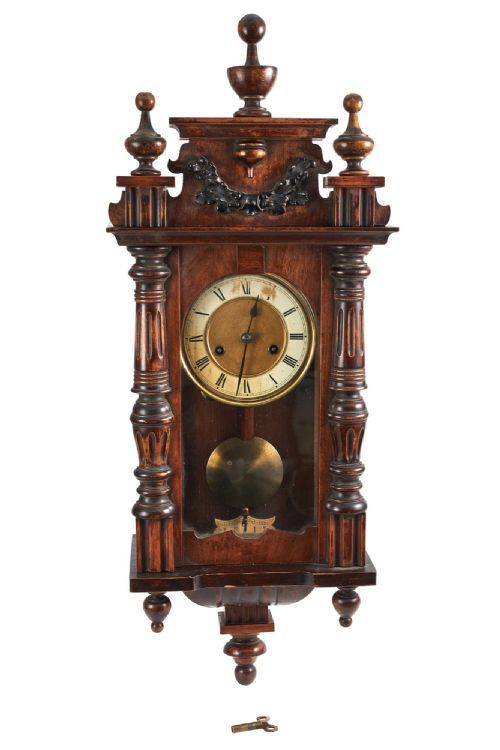
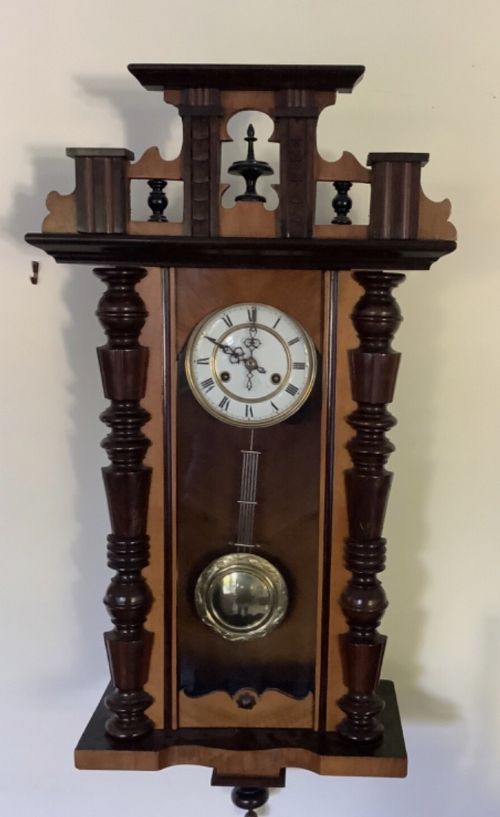
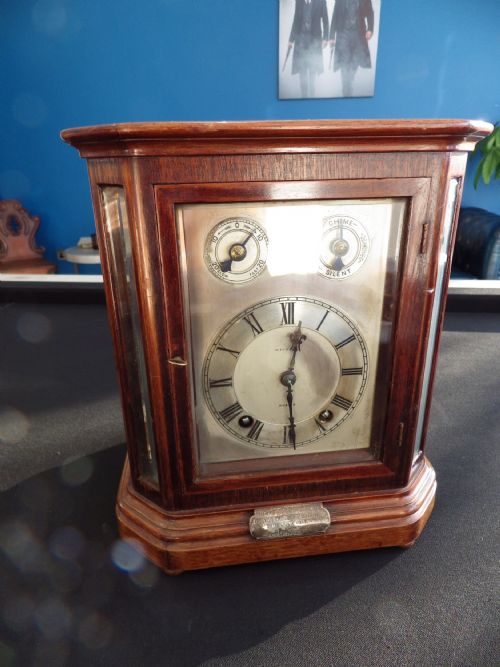
When buyers search for a vintage spring clock, they encounter a diverse selection of timepieces driven by mainsprings rather than weight drops. The forms span robust mantel clocks, portable carriage clocks, hanging wall clocks and substantial bracket clocks designed for tabletops or shelves.
The pieces originating across the nineteenth and early twentieth centuries show regional variety, from provincial English makers to Viennese workshops and French carriage clock ateliers. Mahogany, rosewood, oak and walnut dominate the cabinet woods, often paired with brass bezels and enamelled dials.
Materials and construction
Cabinet-makers constructed the wooden housings using dense timbers like mahogany, walnut and rosewood, frequently adding ebonised finishes, brass inlay or satinwood details. These cases house mechanical movements powered by steel mainsprings regulated by escapements and pendulums.
Dial work typically combines brass backplates, silvered chapter rings and white enamel numerals beneath protective glass panes. Movement engineering ranges from single and double fusee gear trains to Westminster chimes and German striking mechanisms.
What separates the grades
The standard of a spring clock rests on the crispness of the cabinet joinery and the refinement of the brass movement inside. Finely figured wood veneers, subtle brass engraving and well-proportioned architectural cases separate workshop masterworks from simpler provincial pieces.
Horological complexity also divides the range, distinguishing basic timepieces from examples featuring fusee movements, striking complications or chiming trains housed in architectural architectural cases.
Brockbanks and Atkins·Mappin and Webb·Barber and North of York·L Vick of Stroud·Thomas Moss·Turner of London·Hyde of Salisbury·Louis Recordon·Johann Baptist Beha·Dwerrihouse and Bell·Winterhalder and Hofmeier·Piggin Norwich·Joseph Lum of London·Leith of London·Payne and Co of London
The Vintage Spring Clock Glossary
- Fusee
- A conical pulley used in spring-driven clocks to maintain even power as the mainspring unwinds. This device ensures consistent timekeeping across the winding cycle.
- Bracket clock
- A portable table clock originally designed to sit upon a matching wall bracket. These spring-driven pieces frequently feature carrying handles and glazed side panels.
- Carriage clock
- A small, spring-driven timekeeper enclosed in a brass and glass case with a folding handle. They originated for travel in horse-drawn carriages during the nineteenth century.
- Anchor escapement
- A mechanical linkage that controls the descent of power and gives the pendulum its regular beat. It forms the heartbeat of many traditional mantel and wall clocks.
- Chapter ring
- The metal ring on a clock face bearing the hour numerals. These are commonly silvered brass or painted enamel.
Vintage Spring Clock: Frequently Asked Questions
How do spring-driven clocks work?
These movements rely on a coiled steel mainspring that stores mechanical energy as it is wound up with a key. As the spring slowly unwinds, it drives the gear train that moves the hands.
Regulating components like an escapement and pendulum or balance wheel control the release of this energy to ensure steady and accurate timekeeping.
Where should I place a bracket clock?
Bracket clocks suit heavy wooden sideboards, mantelpieces, or dedicated wall shelves where their substantial timber cases can be viewed from multiple angles. Because many incorporate striking mechanisms or chimes, placement in principal living spaces allows the sound to be enjoyed.
Keep them away from direct heat sources and damp exterior walls to protect the delicate wooden veneers and interior brass mechanisms.
What is the difference between a mantel clock and a bracket clock?
Bracket clocks historically denote portable spring-driven pieces fitted with top handles and architectural wooden cases, originally built to sit on matching wall brackets. Mantel clocks generally encompass a broader category of smaller shelf clocks developed later in the nineteenth century.
Both rely on mainsprings rather than weights, making them well-suited for placement on furniture without requiring wall mounting.
How do I identify a fusee movement?
A fusee movement incorporates a distinctive cone-shaped pulley connected to the mainspring by a fine chain or cord. This mechanism compensates for the decreasing torque of the spring as it runs down.
Opening the back door of the wooden case usually reveals this grooved cone beside the main spring barrel.