
Mahogany Chime Clock
A mahogany chime clock brings rich timber tones and resonant melodies into a room, marking the hours with traditional acoustic depth.
Mahogany Chime Clock
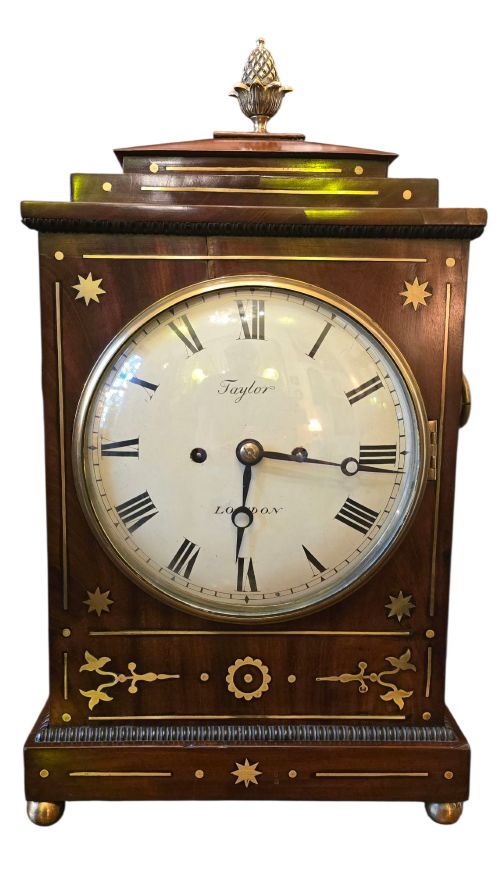
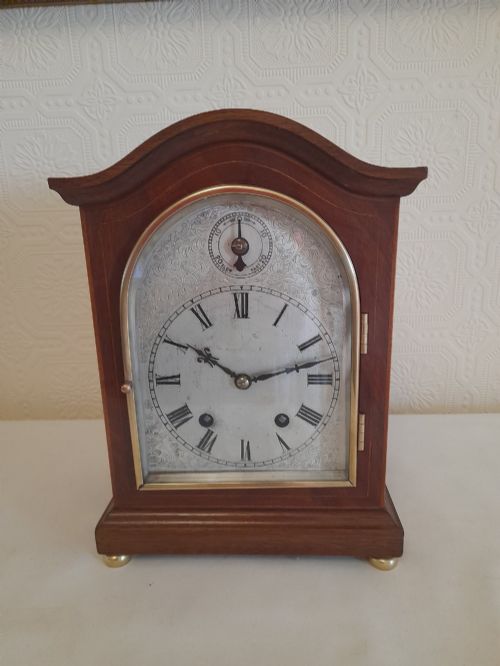
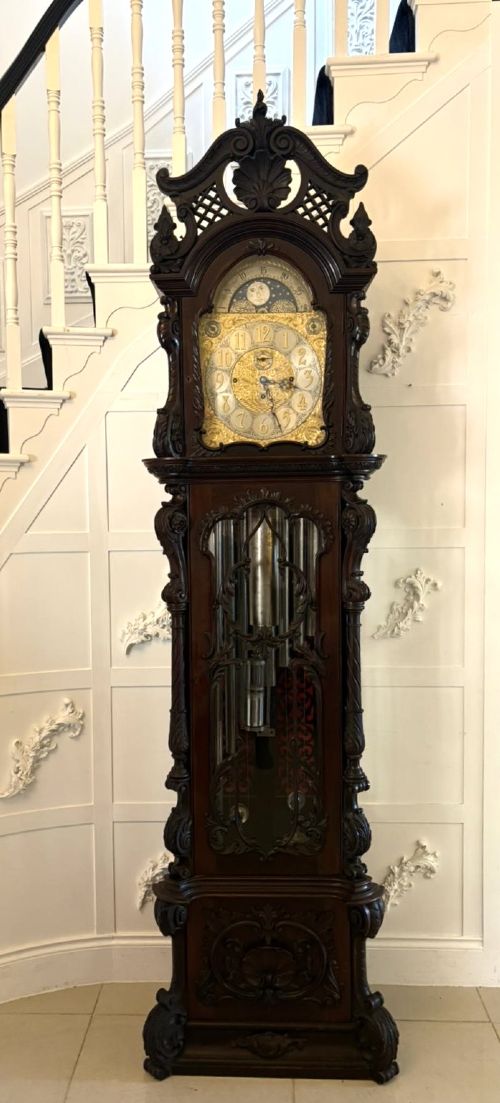
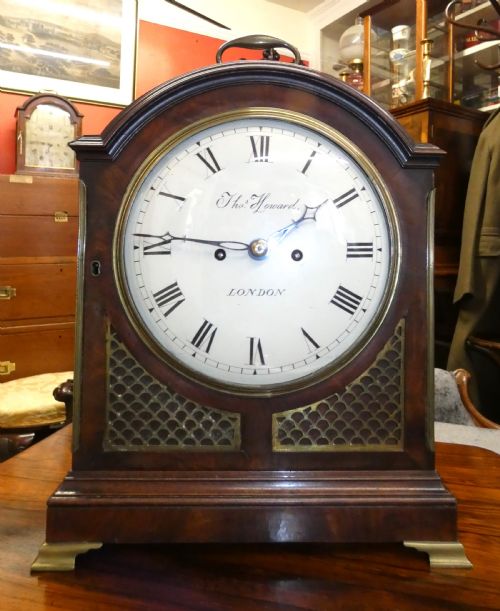
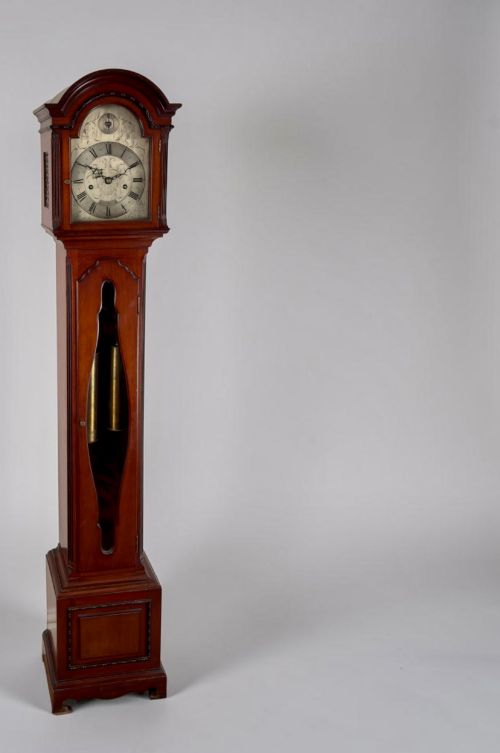
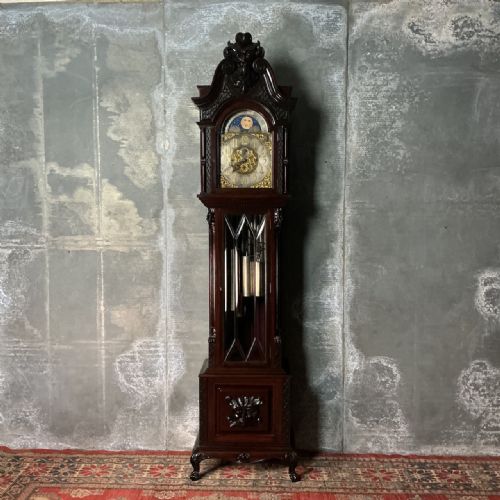
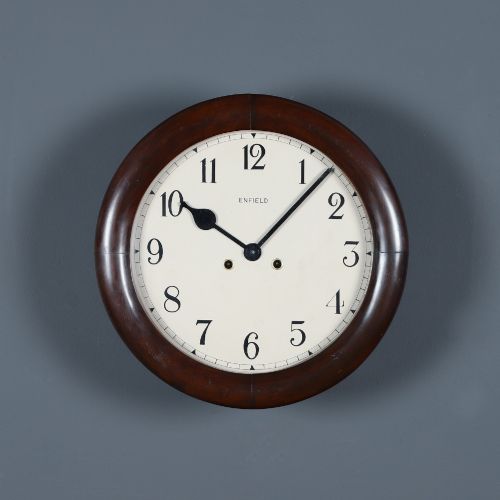
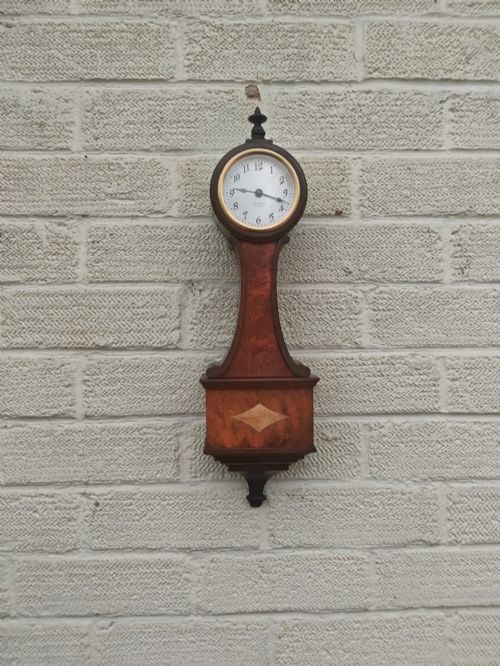
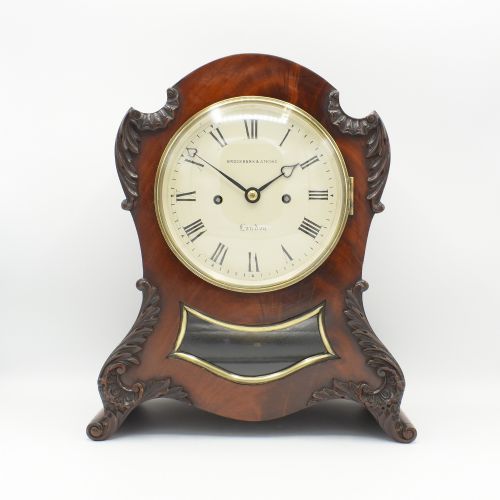
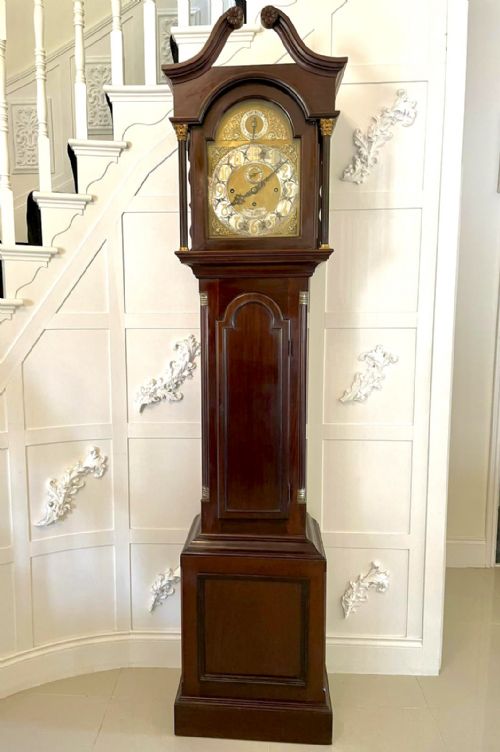
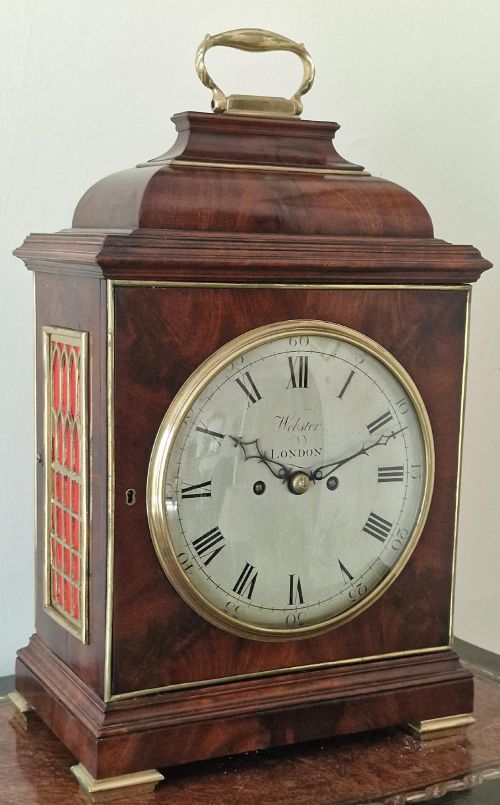
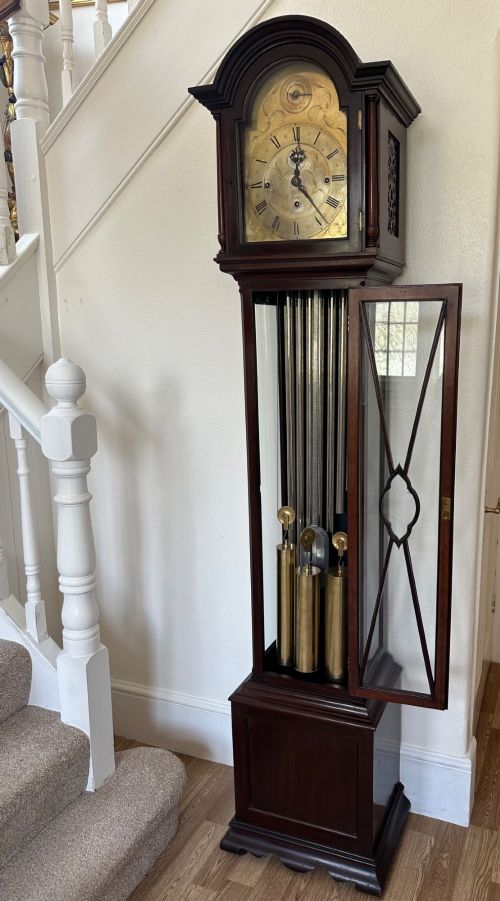
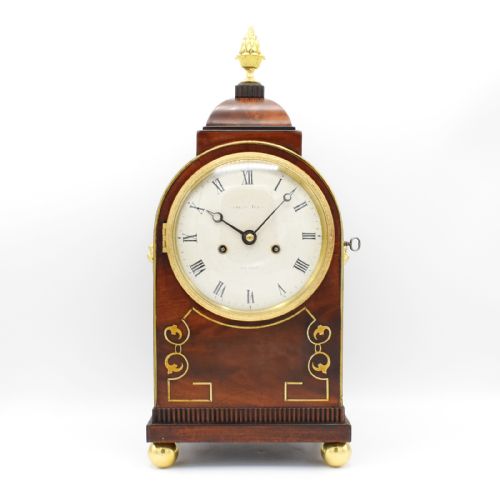
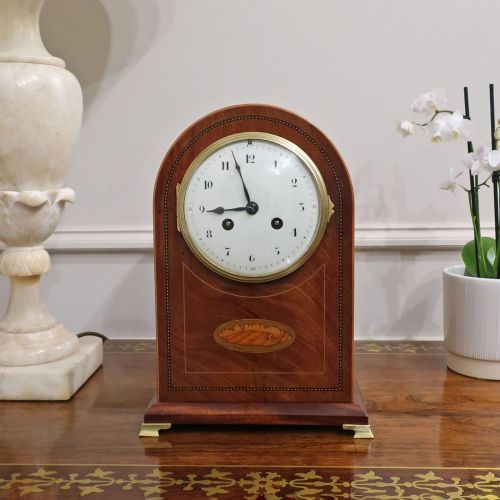
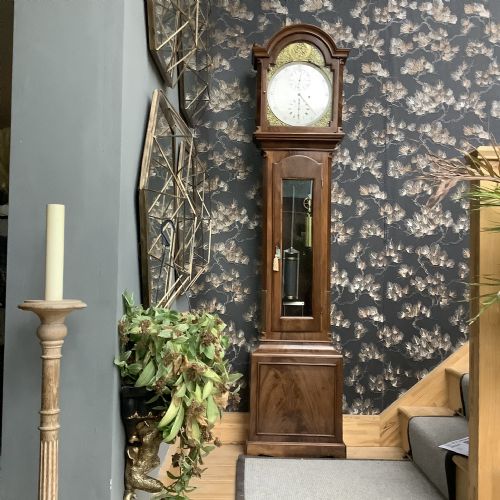
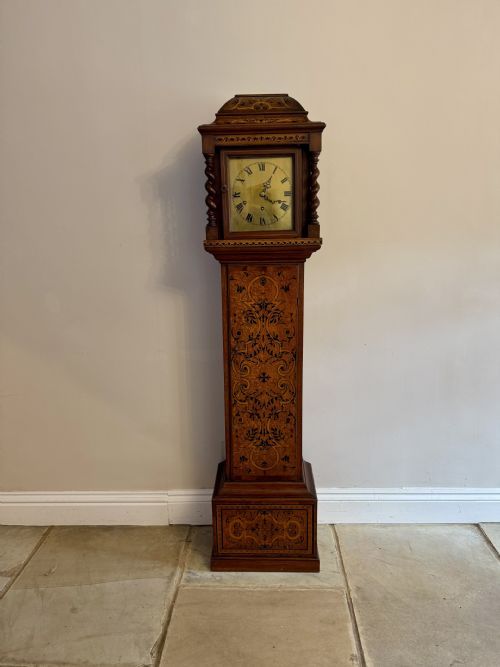
A mahogany chime clock encompasses tall longcase and grandfather models alongside compact bracket, mantel, and wall formats designed for domestic spaces.
The selections span distinct eras from Georgian and Regency periods through Victorian, Edwardian, and later twentieth-century iterations.
Tall grandfather and grandmother clocks dominate floor placement, while bracket and mantel versions occupy tabletops, shelves, and walls with musical movements.
Materials and Construction
Cabinetmakers utilised rich mahogany timber, frequently incorporating satinwood inlay and marquetry decoration to enhance the timber grain.
Clockmakers fitted brass movements, steel components, glass panels, and enamel dials, sometimes adding ormolu mounts to the timber cases.
Quality Variations
Superior examples display sophisticated musical movements, such as multiple tubular bells or complex quarter-chiming systems produced by established makers.
Cabinet work separates standard production from exhibition pieces, where finely carved mahogany cases and detailed inlay demonstrate advanced craftsmanship.
Thomas Howard·Gillett and Johnston·Brockbanks and Atkins·Winsor Bishop·Francis Perigal·Winterhalder and Hofmeier
The Mahogany Chime Clock Glossary
- Bracket clock
- A portable table or shelf clock historically designed to sit on a wall bracket. These models often feature intricate wooden cases and carrying handles.
- Ting-Tang
- A two-hammer striking mechanism that sounds two different notes on two bells or gongs for the quarters.
- Fusee
- A conical pulley used in spring-driven clocks to equalise the power of the mainspring as it unwinds.
- Longcase clock
- A tall pendulum clock enclosed in a wooden case designed to stand directly on the floor.
- Marquetry
- Decorative veneer work created by assembling small pieces of various woods to form pictorial or geometric patterns on the case surface.
Mahogany Chime Clock: Frequently Asked Questions
What is a chime clock?
A chime clock is a timekeeper that plays a musical melody or sequence of notes on bells, gongs, or tubes at regular intervals, typically every quarter hour.
These pieces combine functional timekeeping with acoustic performance, serving as both practical instruments and auditory focal points in a home.
Where should I place a bracket clock?
Bracket clocks suit stable surfaces such as sideboards, mantelpieces, or dedicated wall shelves where their wooden cases remain level.
Ensuring a firm foundation allows the pendulum and escapement to operate accurately without interference.
How do I identify the period of a clock?
Dating relies on stylistic clues in the mahogany case, dial materials, and the sophistication of the internal movement.
Georgian and Regency pieces display classic proportions, while Edwardian and later examples often incorporate inlaid marquetry or specific chime configurations.
What is the difference between a grandfather and grandmother clock?
Grandfather clocks are tall floor-standing timepieces, whereas grandmother clocks are scaled-down, slender versions produced in the twentieth century.
Both utilise longcase construction but occupy different floor spaces and ceiling heights.