





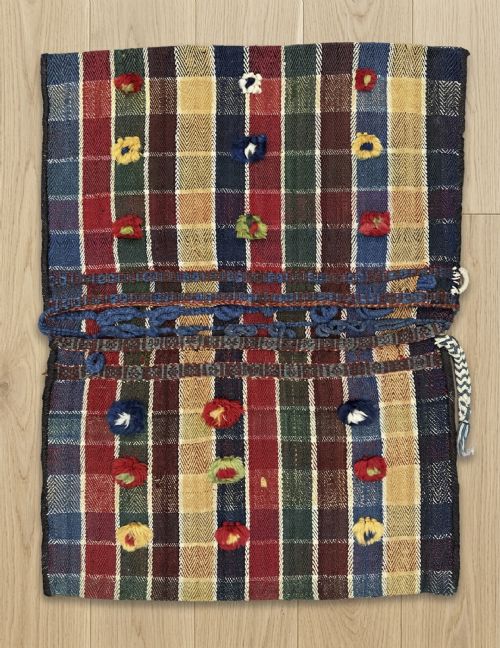


Vintage Southwest Persian Rug
A vintage southwest persian rug brings nomadic tribal artistry and rich natural dyes directly into your interior space.
Vintage Southwest Persian Rug
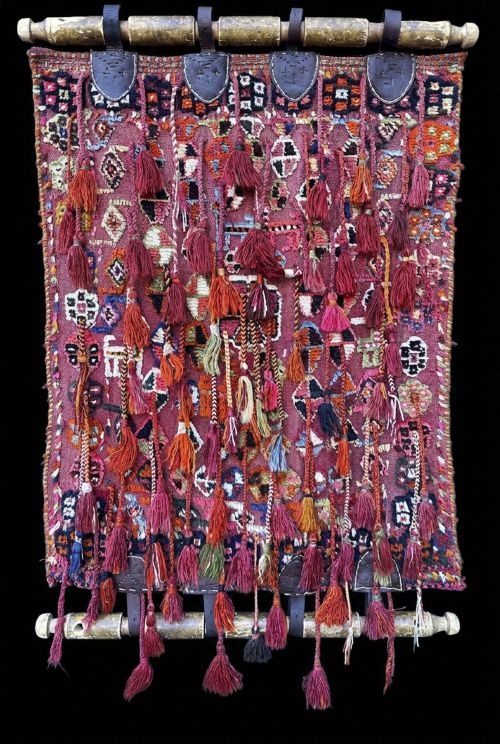
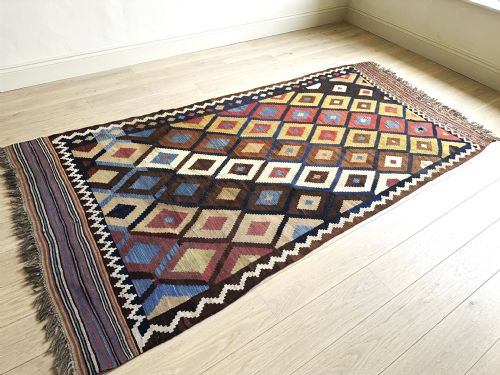
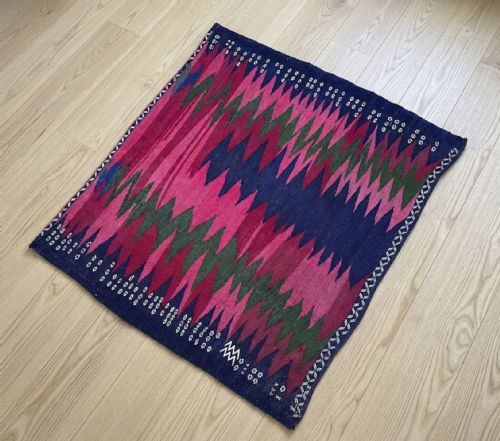
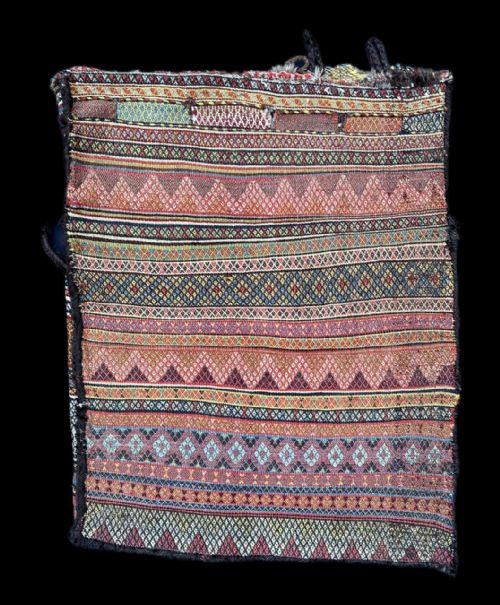
A vintage southwest persian rug encompasses traditional tribal weaving originating from the Fars, Kerman, and Luristan provinces. These textiles reflect the cultural heritage of confederacies and nomadic groups such as the Qashqa'i, Khamseh, Afshar, and Luri peoples. Buyers searching for a vintage southwest persian rug typically encounter floor coverings, area rugs, flatweave kilims, and utilitarian tribal bags dating from the late nineteenth century into the early twentieth century.
The selection ranges from smaller utility pieces like bread sofrehs, storage bags, and baby cradles to larger room-sized carpets and rugs. Tribal expressions on this page include Qashqa'i tribal work, Khamseh sub-tribal pieces, and Luri tribal weaving. Each format demonstrates distinctive regional motifs tied to nomadic life in south-west Persia.
How they were made
Weavers utilised hand-spun wool and natural dyes to construct these textiles on traditional horizontal looms. The material base relies heavily on wool, sometimes supplemented with leather or wood elements in specific utilitarian forms.
Nomadic producers created pile rugs alongside flatweave kilims and storage bags, employing durable knotting and weaving techniques suited to functional daily use. Natural dye stuffs provided the palette seen across nineteenth and early twentieth-century examples.
Vintage Southwest Persian Rug Retail Price Guide 2026
Typical asking prices for vintage southwest persian rug among the pieces listed under this phrase on Sellingantiques today, from the lower quarter to the upper quarter. They describe what is for sale here now, not the wider market.
Current listings span periods from 1870 to 1920, focusing on wool and natural dyes from south-west Persia.
What varies in quality
Quality in a vintage southwest persian rug rests upon the fineness of the wool preparation, the clarity of natural dye application, and the tightness of the weave. Sub-tribal variations and specific tribal groupings within the Qashqa'i or Khamseh confederacies display different levels of technical execution.
The precision of tribal motifs and the preservation of original edges and structural integrity separate standard utility pieces from exceptional tribal textiles. Intricacy in secondary items like saddle-bags or flatweave bread sofrehs also dictates distinction within the category.
The Vintage Southwest Persian Rug Glossary
- Sofreh
- A woven spread or cloth used for meals or dough preparation in nomadic households. These flatweave textiles often display geometric tribal designs.
- Kilim
- A tapestry-woven flatweave textile produced without a pile. These pieces form an essential category of southwest Persian tribal output.
- Confederation
- A union of allied nomadic tribes and sub-tribes sharing geographic regions and weaving traditions in south-west Persia. Groups like the Khamseh and Qashqa'i operate under this social structure.
- Natural Dyes
- Colourants derived from plant and mineral sources prior to the widespread introduction of synthetic alternatives. They impart the characteristic varied tones found in nineteenth-century Persian weaving.
Vintage Southwest Persian Rug: Frequently Asked Questions
How do I identify a Qashqai rug?
Look for distinctive geometric medallion layouts, animal motifs, and rich colour palettes rooted in the Fars province.
These patterns reflect the visual vocabulary of the Qashqa'i confederacy and its associated sub-tribes.
What is a tribal sofreh used for?
Nomadic families utilised these flatweave cloths primarily for serving meals or preparing bread dough.
Their functional origins explain their durable construction and specific rectangular dimensions.
How do I date an antique Persian rug?
Examination of wool quality, natural dye usage, and structural wear helps establish a nineteenth or early twentieth-century timeline.
Specific dates on pieces correspond to documented periods between eighteen seventy and nineteen twenty.
Where were Khamseh carpets made?
These textiles originated within the Khamseh tribal confederation located in south-west Persia.
Sub-tribes like the Basseri and Baharlu produced distinct rugs and carpets in this region.