

Vintage Single Bedstead
These vintage single bedstead pieces bring character and period craftsmanship into a bedroom.
What vintage single bedstead pieces are
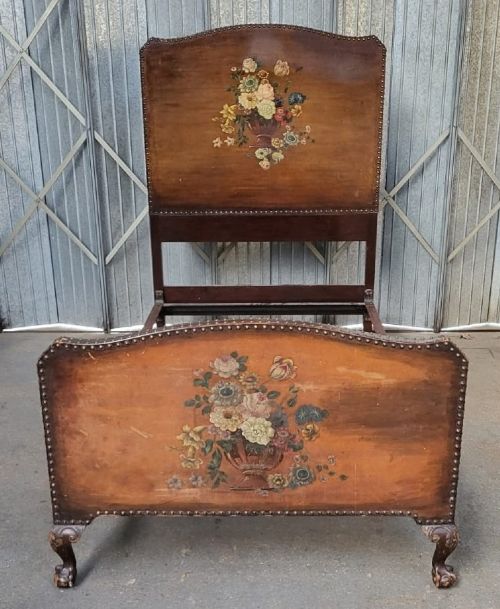
A vintage single bedstead spans the nineteenth century and the nineteen thirties, covering single beds, bed frames, and bedsteads. These pieces offer compact sleeping options built in historical workshops.
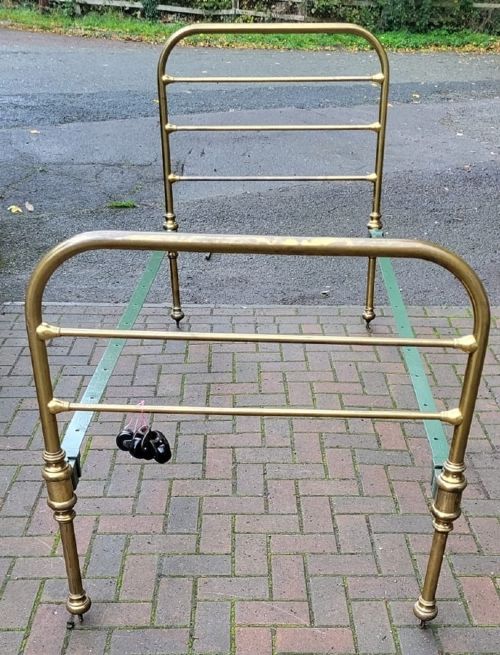
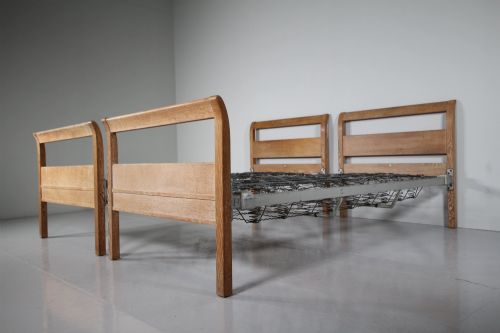
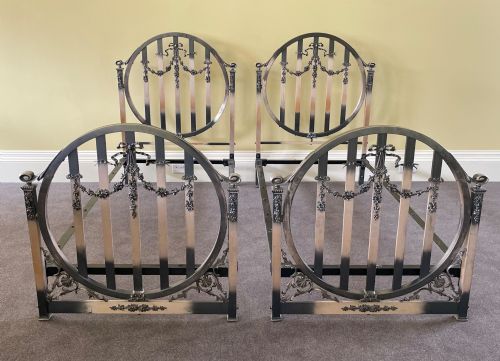
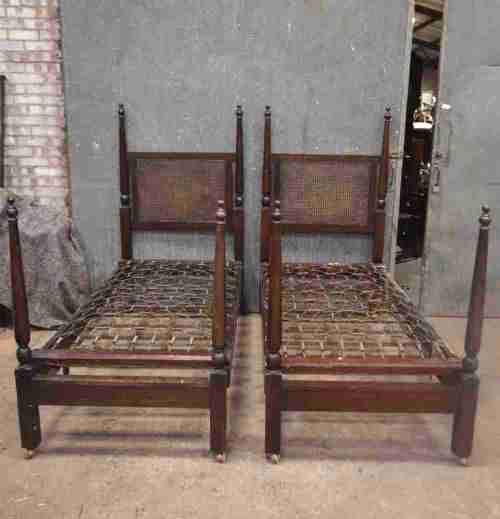
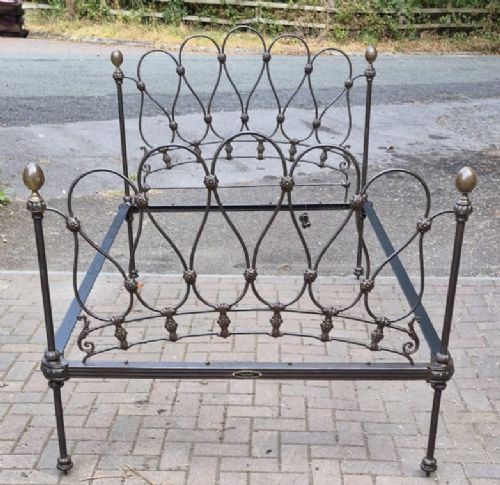
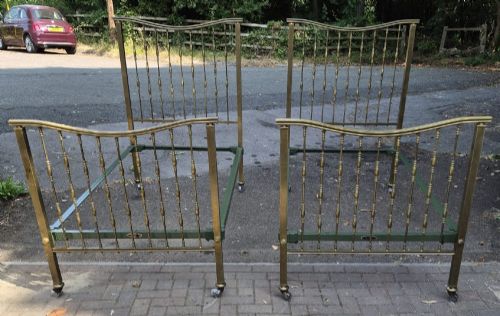
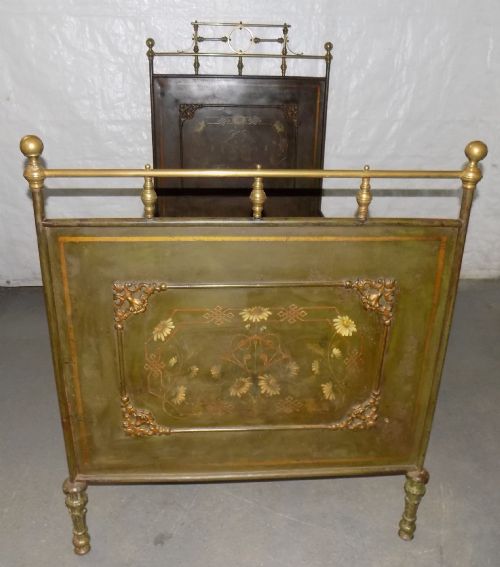
The nineteenth century brings brass, iron, timber, oak, and rustic designs, alongside Victorian and Gothic Revival pieces. Meanwhile, the nineteen thirties introduce Art Deco and Arts and Crafts styles.
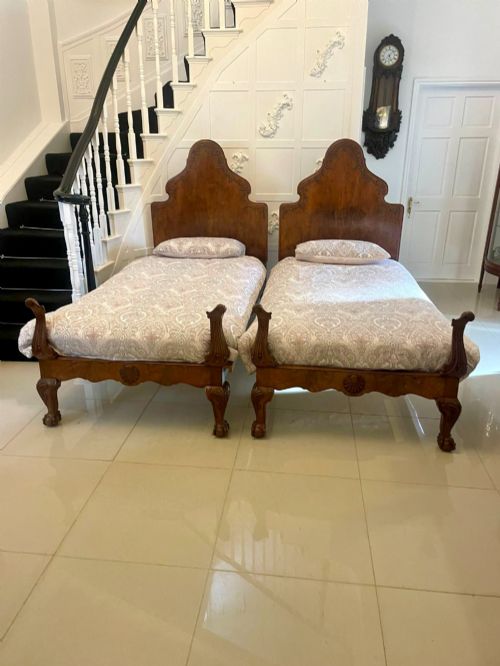
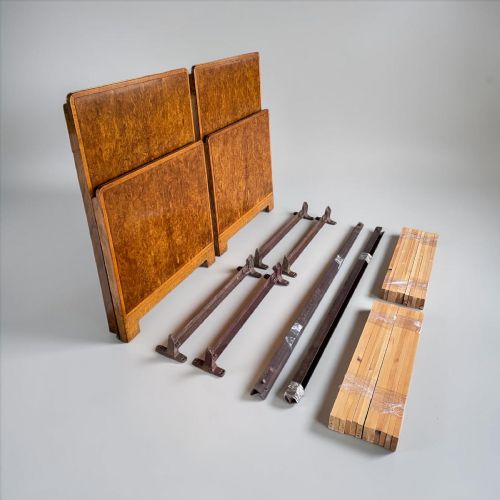
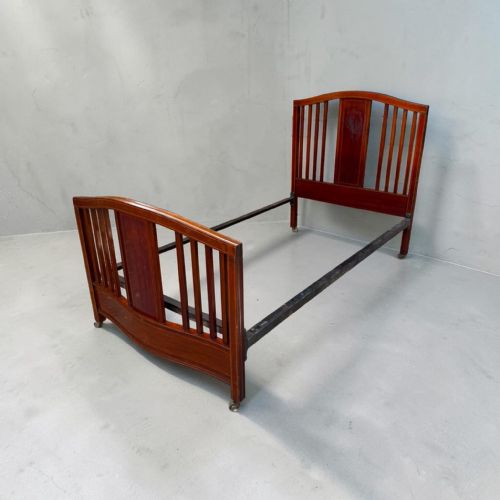
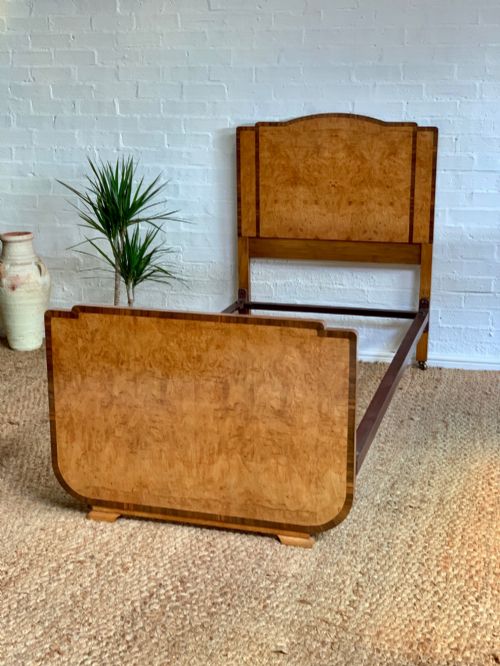
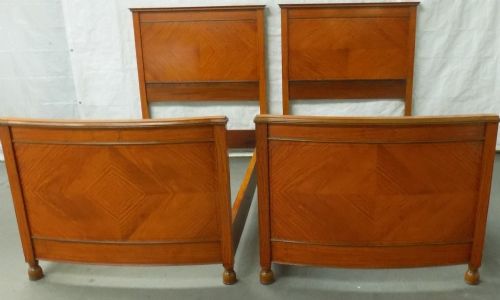
Buyers frequently meet nineteen thirties examples featuring burr walnut, satinwood, and fruitwood alongside earlier metal and wooden frames.
How they were made
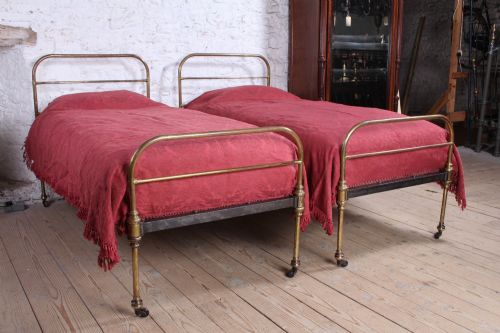
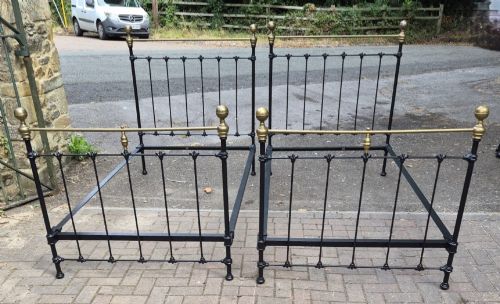
Maker workshops utilised solid timber, fruitwood, burr walnut veneer, satinwood, and rustic oak for wooden frames, shaping distinct grains. Metal versions combined brass and iron components.
Art Deco and Arts and Crafts pieces relied on veneering techniques and polished wood surfaces, while nineteenth-century metalwork integrated joined iron and cast brass elements.
Retail Price Guide 2026
Typical UK retail prices for vintage single bedstead, calculated from the Sellingantiques database of over a million retail prices indexed since 2003. This retail price guide relies exclusively on Sellingantiques data; no external sources or auction records are used, so the figures do not describe the wider market.
Listings feature items from the nineteenth century and the nineteen thirties, using materials including iron, fruitwood, burr walnut, timber, brass, and wood.
What varies in quality
Quality rests in the selection of cabinet timbers, such as figured burr walnut veneer against plain wood, and the finish of exposed joinery. Maker attribution also elevates certain pieces.
Metal bedsteads vary through the weight and casting quality of the brass fittings combined with iron frames, distinguishing standard utilitarian builds from decorative ones.
Oliver Morel·Waring and Gillow
The Vintage Single Bedstead Glossary
- Burr walnut veneer
- A thin slice of wood with a swirling grain pattern applied to a core timber. This decorative surface defines high-end cabinet work.
- Brass and iron
- Combined metals utilised for nineteenth-century bed frames. The pairing provides structural strength and decorative contrast.
- Art Deco
- A design style from the nineteen thirties emphasising clean lines and geometric forms. It influences many wooden single bed frames.
- Gothic Revival
- A nineteenth-century architectural style applied to furniture design. It borrows motifs from medieval architecture.
Frequently Asked Questions
What periods do these beds cover?
These single beds span the nineteenth century and the nineteen thirties. They include Victorian and Gothic Revival pieces alongside nineteen thirties Art Deco examples.
Materials range from brass and iron to fruitwood, burr walnut, and rustic oak.
How do I choose between wood and metal?
Wooden bedsteads offer varied grains like burr walnut and satinwood, suiting traditional and Art Deco interiors. Metal frames provide a lighter visual footprint with brass and iron structure.
Both materials reflect the distinct manufacturing methods of their respective periods.
Are these beds standard single size?
Nineteenth-century and early twentieth-century single beds often vary from modern standard mattress sizes. Historic frames frequently measure around three feet wide.
Checking exact internal dimensions ensures a correct mattress fit.
What styles are common in this selection?
Styles include Victorian, Gothic Revival, Arts and Crafts, and Art Deco. Each style brings specific decorative details to the headboards and footboards.
Nineteenth-century pieces lean towards rustic or ornate metalwork, while nineteen thirties examples showcase sleek veneered woods.