
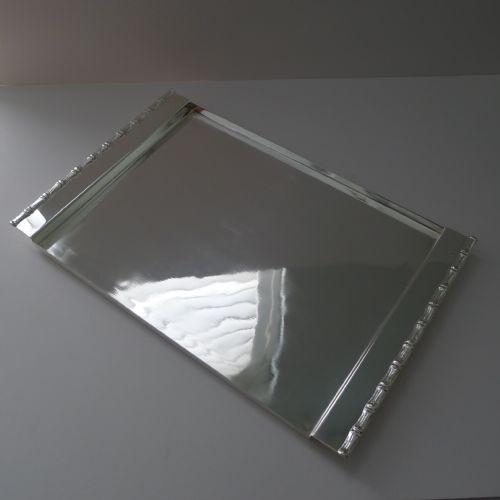
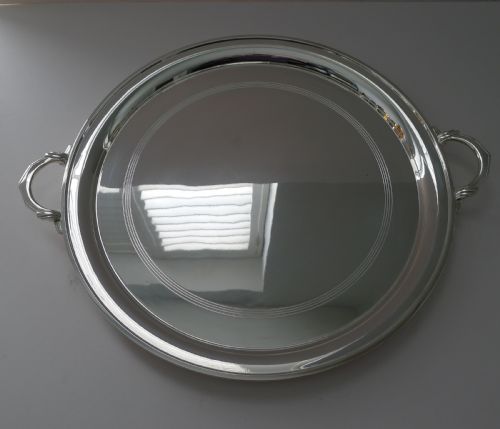
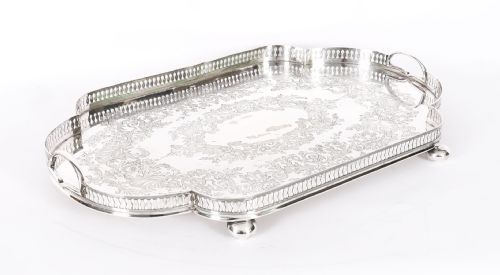
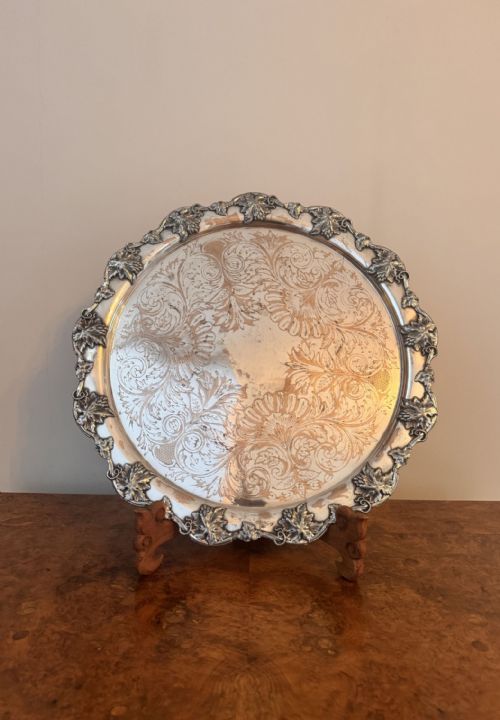

Vintage Silvered Serving Platter
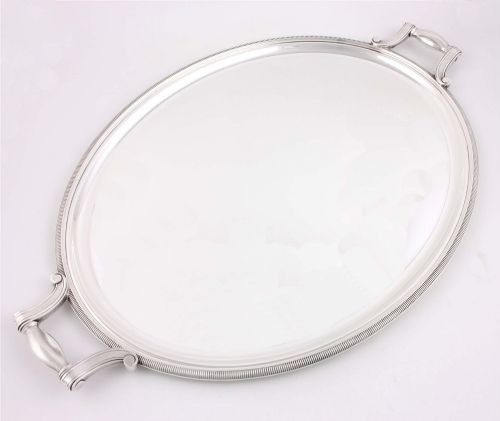
A vintage silvered serving platter brings substance to a table, offering a reflective surface for drinks, roasts and canapés.
Vintage Silvered Serving Platter
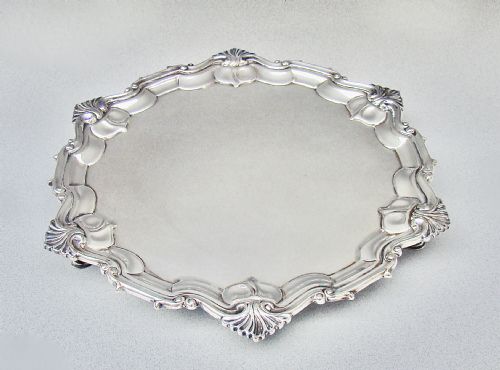
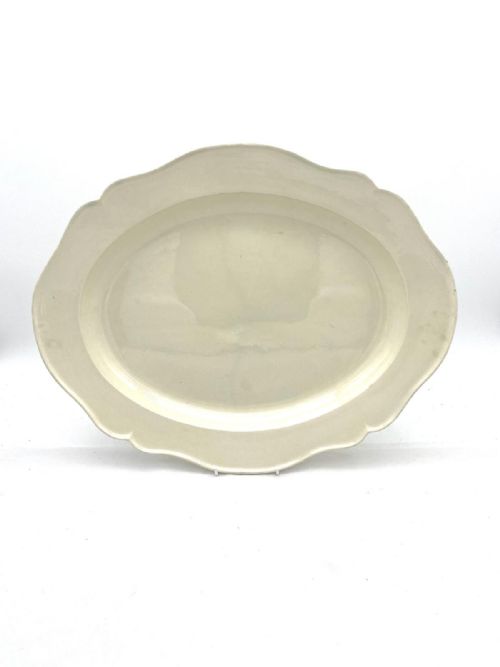
When searching for a vintage silvered serving platter, buyers encounter an array of forms including serving trays, salvers, gallery trays, entree dishes and meat domes. These pieces originate from periods spanning the Victorian and Edwardian eras through to Art Deco and mid-century modern designs.
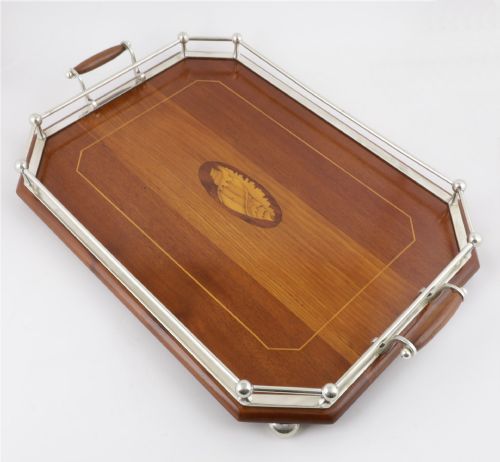
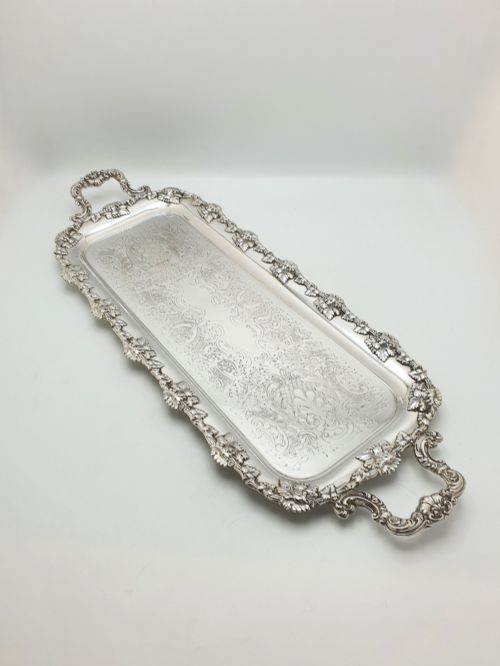
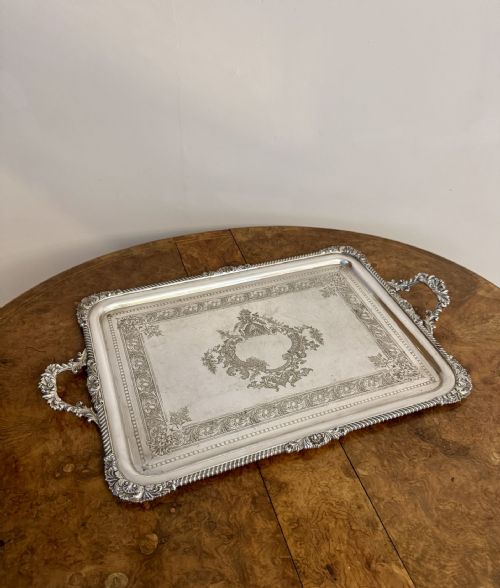
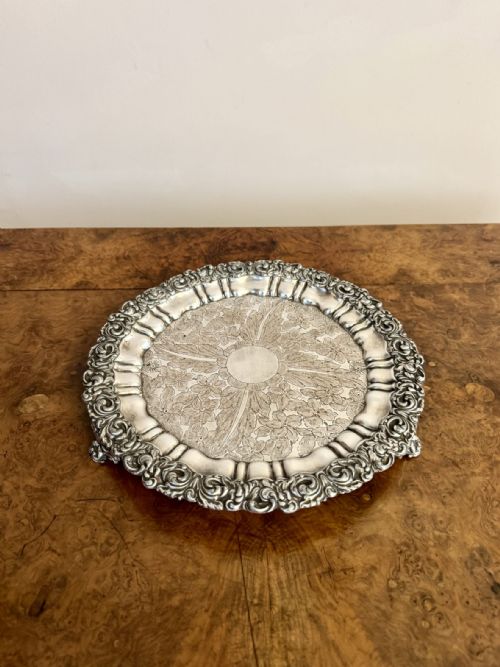
The most common examples on this page are Edwardian and Victorian silver plated trays alongside Art Deco cocktail pieces. Forms range from simple circular and oval shapes to octagonal trays, diamond-shaped cocktail servers and rectangular entree dishes.
Makers and origins vary widely, encompassing English silversmiths alongside continental workshops and modernist Italian production. Items may incorporate practical details such as handles, wooden inlays, cut glass mirrors or extended serving dish stands.
Materials and construction methods
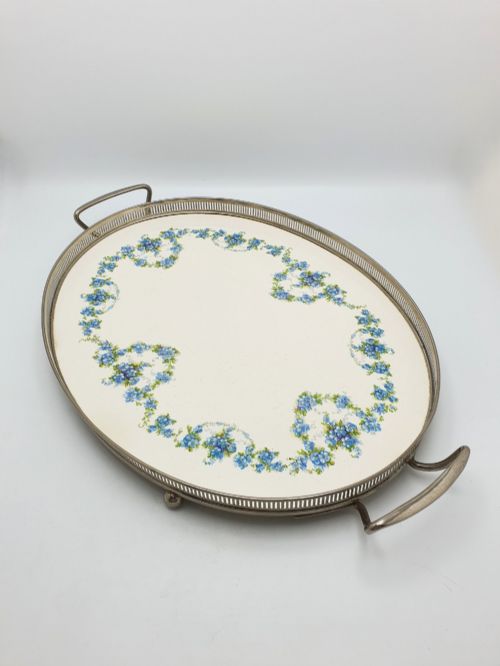
Construction relies heavily on silver plate, electroplated nickel silver (EPNS) and Old Sheffield plate applied over base metals like copper, nickel silver and plain metal. Certain pieces combine these metallic elements with mahogany wood bases, shell inlays or floral ceramic centres.
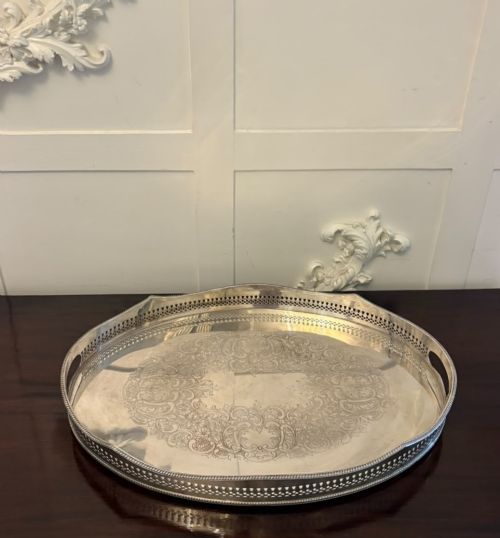
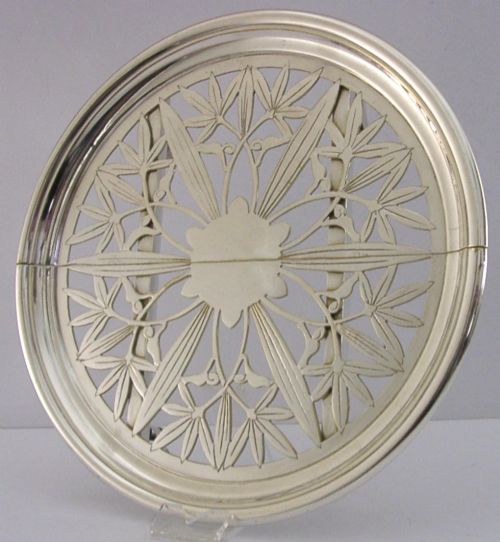
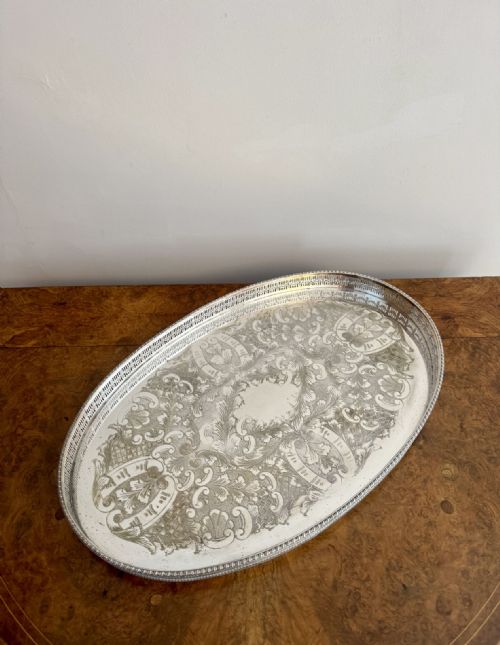
Techniques visible in the construction include pierced repoussé copper work, engraved surface patterns, embossed scrolls and intricate grapevine or shell borders. Cut glass mirrors and inset wooden panels are secured within metal galleries to create multi-material serving pieces.
Some cocktail trays include dedicated compartments designed specifically to keep vintage glassware from sliding during spirited gatherings.
Distinguishing quality across pieces
Quality rests on the crispness of chased and embossed decoration, from sharp scrollwork and grapevine borders to detailed shell motifs. Substantial weight and balanced proportions distinguish finer examples from standard production items.
The integrity of the plated surface and the precision of joinery where handles, galleries or wooden inlays meet the metal indicate the maker's level of care. Hallmarks and recognised workshop attributions also elevate certain items above unmarked wares.
James Deakin·William Hutton & Sons·Mappin & Webb·Christofle·Keith Murray·Padley Parkin·Henry Wilkinson
The Vintage Silvered Serving Platter Glossary
- Silver Plate
- A thin layer of silver fused or electroplated onto a base metal such as copper or nickel silver. This technique allowed manufacturers to produce domestic wares with the appearance of solid silver at a lower cost.
- EPNS
- Electroplated Nickel Silver. A common base metal alloy of copper, nickel and zinc coated with silver via an electrical process.
- Old Sheffield Plate
- An early method of fusing a thin sheet of silver to a thicker copper core by heating and rolling. This process creates a distinct dual-metal structure often seen in pieces from the eighteenth and nineteenth centuries.
- Gallery Tray
- A tray featuring an openwork metal railing or gallery raised around the perimeter. These borders prevent decanters and glasses from sliding off during service.
- Salver
- A flat serving tray, typically circular and raised on feet. Historically used for presenting letters, glasses or small items.
- Entree Dish
- A covered serving vessel designed to keep food warm at the table. These often feature removable handles to allow the lid to double as a secondary shallow dish.
Vintage Silvered Serving Platter: Frequently Asked Questions
How do I clean a silver plated tray?
Use a specialised silver polish and a soft cloth to gently remove tarnish without scrubbing. Avoid abrasive pads that can wear through the thin silver layer.
Rinse the surface with warm water and dry immediately with a clean flannel cloth to prevent water spots.
Can I use these trays for serving food?
Most silvered platters and entree dishes are suitable for serving food directly or holding covered dishes. Ensure the plated surface is clean and free of old cleaning residue before use.
Acidic foods should not be left on silver plate for extended periods to prevent surface marking.
What is the difference between Old Sheffield plate and EPNS?
Old Sheffield plate involves mechanically fusing silver to copper through heat and rolling, an older technique utilised before electroplating. EPNS uses an electrical current to bond silver onto a nickel-silver alloy.
Pieces made with Old Sheffield plate often reveal a subtle copper line where the edge meets.
How do I date a silvered tray?
Dating relies on stylistic clues such as Edwardian gallery borders, Art Deco geometric shapes or Victorian floral engraving. Maker's marks and stamps can also be cross-referenced against historical registration records.
Construction methods like hand-piercing versus modern machine stamping provide further chronological indicators.