
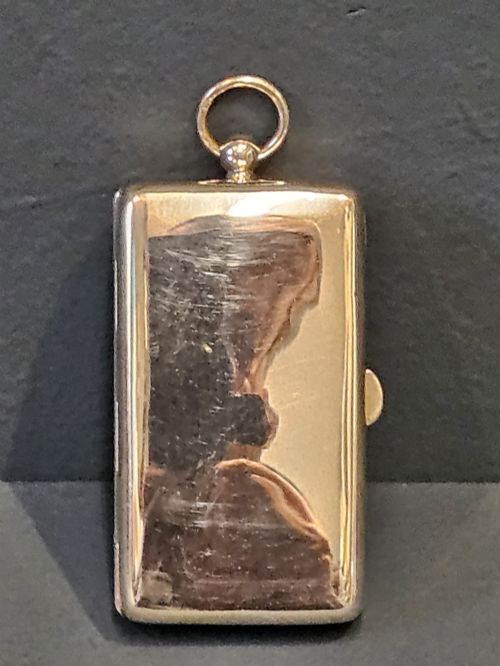
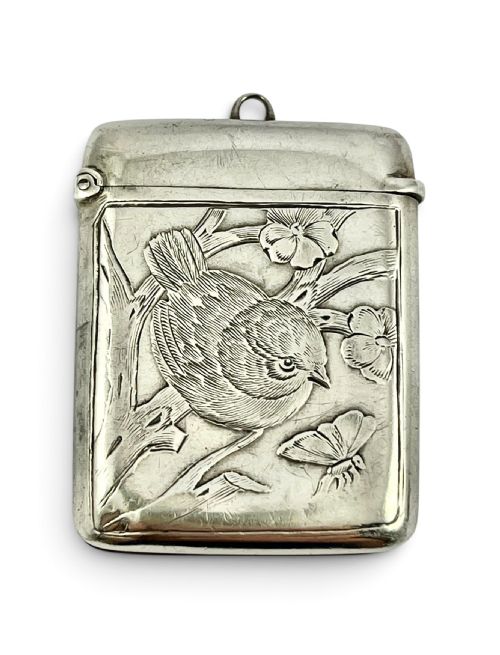
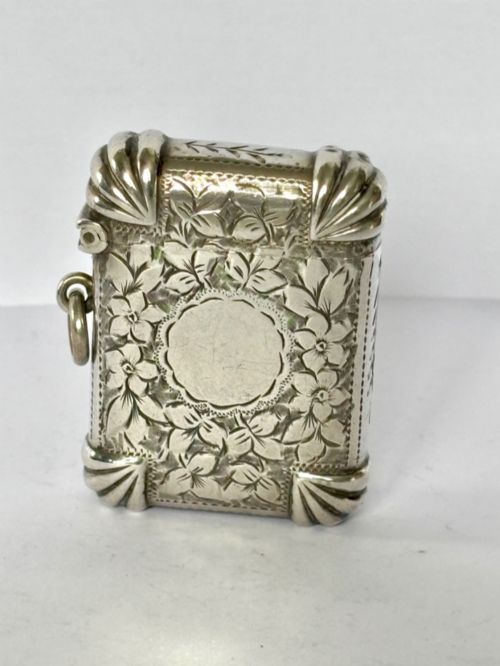
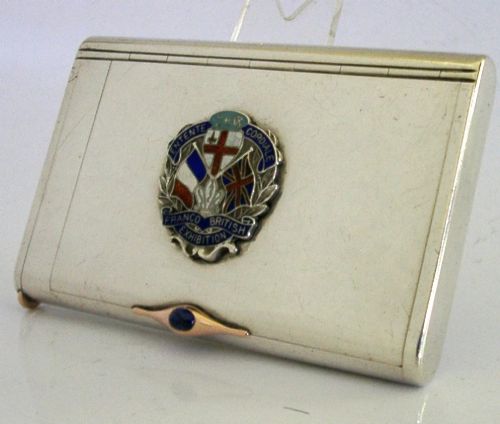



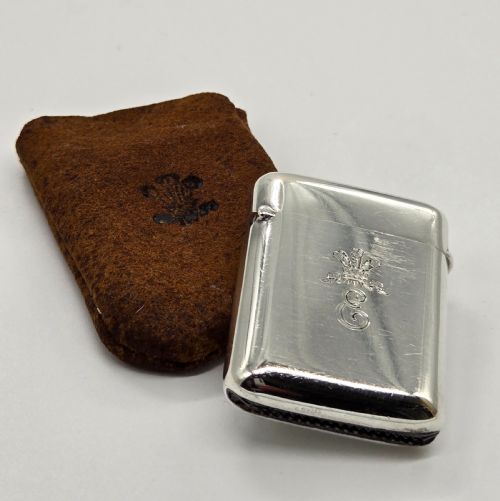
Vintage Silver Vesta Case
A vintage silver vesta case offers a glimpse into an era when carrying matches safely was an everyday necessity.
Vintage Silver Vesta Case
A vintage silver vesta case is a small pocket container designed to hold matches securely while protecting them from dampness. When you search for this phrase, you encounter pieces intended for personal use in waistcoats or handbags.
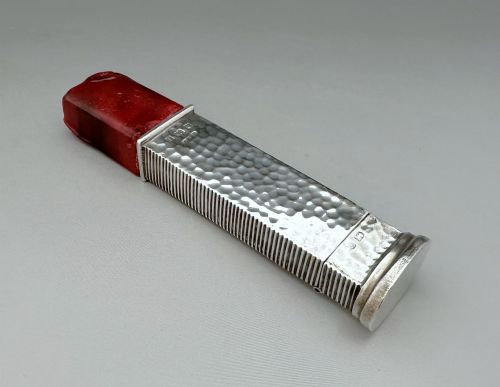
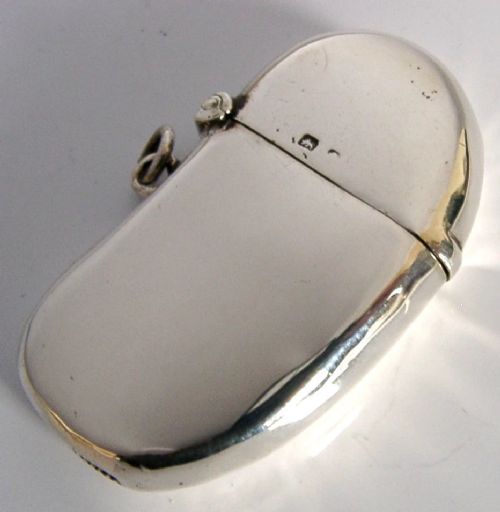
The selections span from the late nineteenth century through the Edwardian period and into the nineteen-twenties, incorporating George V examples. You are most likely to meet standard rectangular boxes alongside shaped versions such as kidney bean designs or novelty animal forms.
Makers utilised sterling silver alongside base metals, sometimes combining the primary medium with enamel, glass, or gold accents. These smoking accessories frequently double as sovereign cases, match strikers, or combined stamp boxes.
Materials and construction
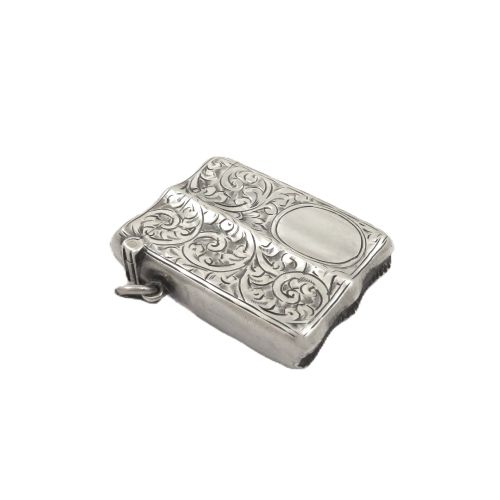
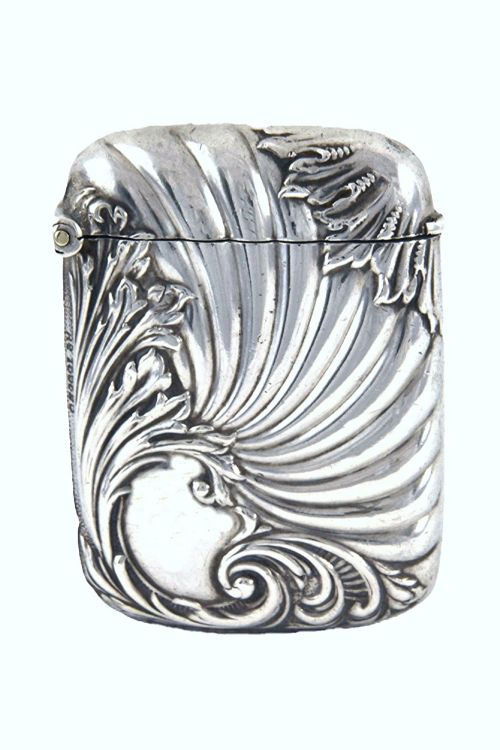
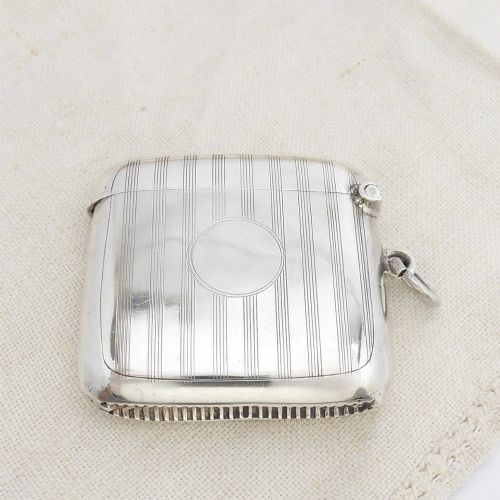
Silversmiths constructed these pocket containers primarily from sterling silver, shaping the body through pressing, casting, or heavy engraving. Many incorporate a striker serration on the base to ignite the matches upon retrieval.
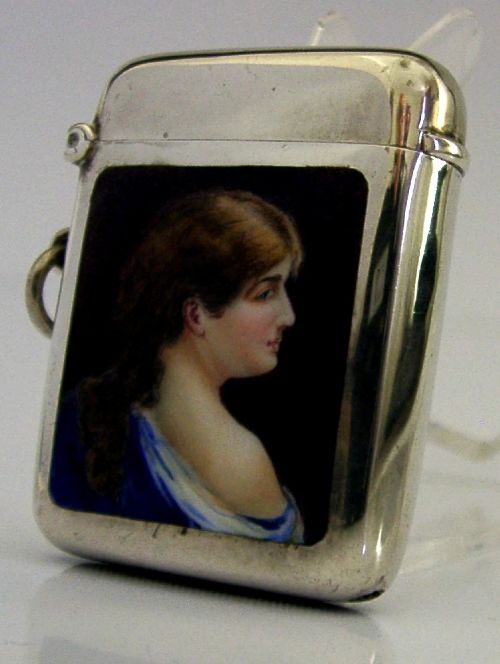
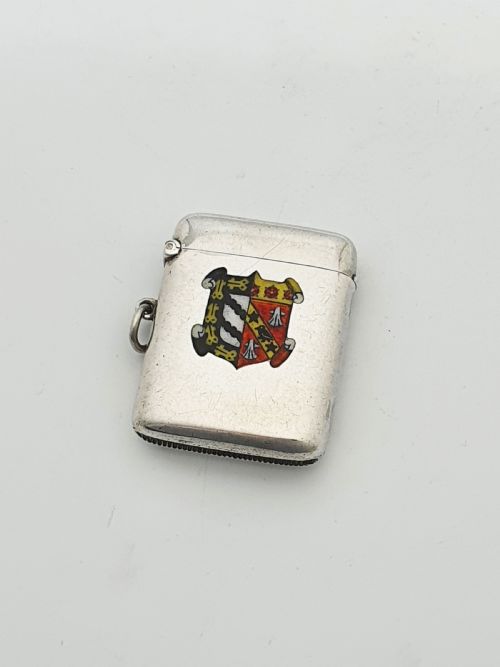
Finer examples integrate vitreous enamel, hand-painted details, or gold highlights to create decorative exterior surfaces. Internal compartments occasionally accommodate additional items like sealing wax or stamps alongside the match storage area.
Distinctions in craftsmanship
The distinction between standard production pieces and finer items rests upon the depth of the hand engraving and the crispness of the repoussé work. Heavy cast silver examples demonstrate a more substantial weight in the hand than thin stamped counterparts.
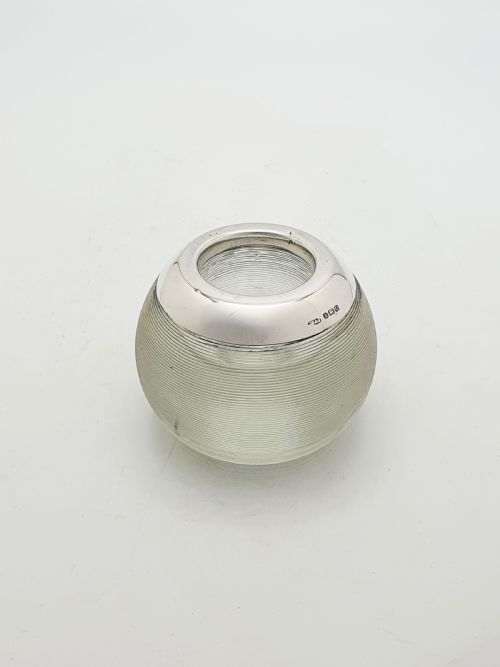
Decoration elevates the standard of a piece, particularly when it involves polychrome enamel work, portrait faces, or figural animal shapes. Hallmarks stamped clearly by recognised makers provide reliable indicators of origin and assay standards.
EV PLEDGE & SON·ROBERT PRINGLE·Alfred Clark·George Betjemann
The Vintage Silver Vesta Case Glossary
- Vesta case
- A small pocket box designed to hold wax matches known as vestas. They feature a hinged lid and a striated surface for striking the match.
- Hallmark
- An official stamp applied by an assay office to indicate the purity of the metal, the maker, and the year of manufacture. British pieces frequently display town marks and date letters.
- Repoussé
- A metalworking technique where the artisan hammers the design from the reverse side to form a raised relief pattern on the front. This adds tactile depth to floral or figural motifs.
- Vitreous enamel
- Glass powder fused to a metal base through high-temperature firing. It provides a durable, glossy coloured finish.
- Sovereign case
- A small circular pocket container made to hold gold sovereign coins. They often share construction methods and hinge styles with match safes.
Vintage Silver Vesta Case: Frequently Asked Questions
What is a vesta case used for?
A vesta case served as a portable container for holding safety matches before the widespread availability of lighters. Gentlemen carried them in pockets or attached them to watch chains.
The textured bottom allowed the user to strike a match securely while outdoors. Today, collectors use them as decorative pocket items or display them as small silver pieces.
How do I know the date of my silver vesta?
British silver items carry hallmarks that include a specific letter corresponding to the assay year. Assay offices in cities like Birmingham, Chester, and London utilised distinct date alphabets.
Matching the letter stamp against published assay office tables reveals the exact year of manufacture. Style elements like Edwardian or Art Deco motifs also help narrow down the decade.
Are all vesta cases made of sterling silver?
While many pieces consist of solid sterling silver, others utilise silver-gilt, nickel-plated brass, or incorporate gold elements. Maker marks and silver purity stamps indicate the specific alloy used.
Some examples combine silver with exterior materials such as enamel, glass, or semi-precious stones. Non-silver items typically rely on base metals while retaining the standard hinged pocket box format.
How should I clean a vintage silver vesta?
Cleaning requires a soft microfibre cloth and mild soapy water to remove dust from engraved crevices. Aggressive scrubbing can wear away thin silver layers or damage delicate enamel panels.
Many collectors prefer to leave a gentle patina on older pieces rather than polishing them to a bright shine. Enamelled and jewelled vestas require particular care to protect the coloured glass surfaces.