

Edwardian Match Holder
An edwardian match holder brings small pocket and table containers into daily use, combining practical function with detailed silver and glass design.
Edwardian Match Holder
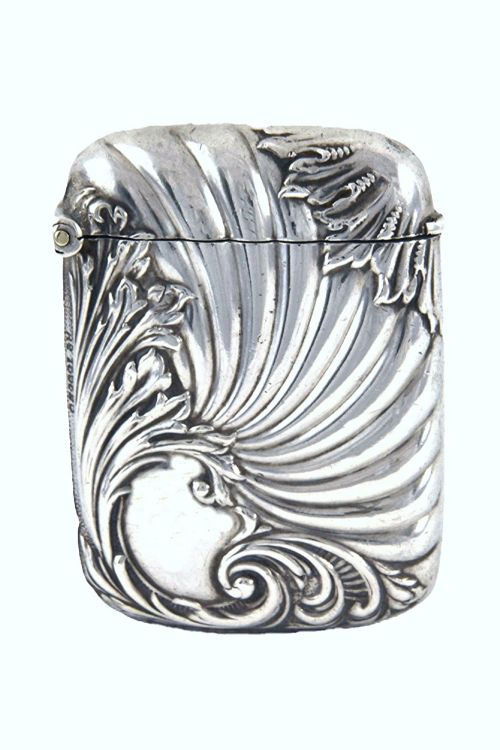
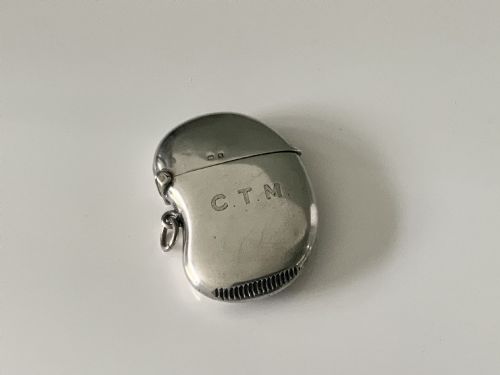
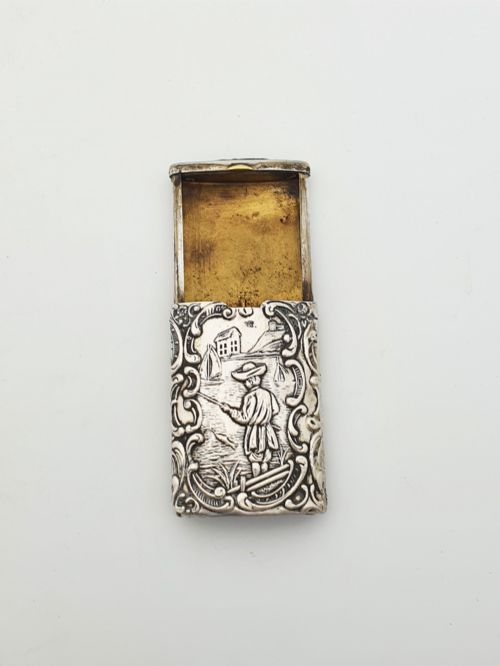
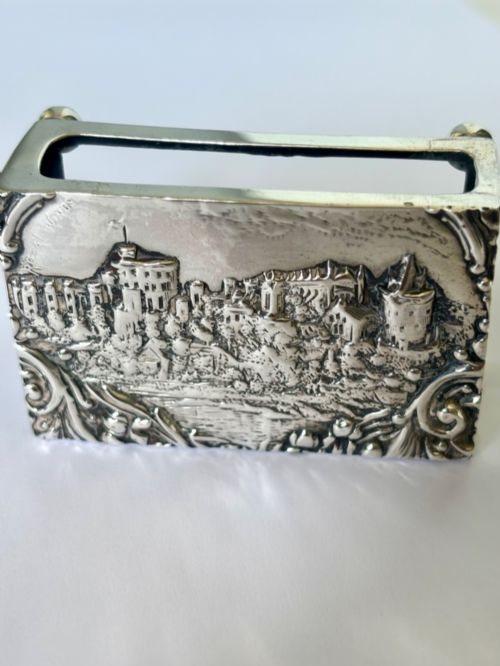
The edwardian match holder category covers a wide variety of pocket and table match containers, predominantly taking the form of vesta cases, matchbox covers, and match strikers. These pieces date principally from the Edwardian period and adjacent decades, encompassing styles from Art Nouveau and Arts and Crafts to early George V and late Victorian eras.
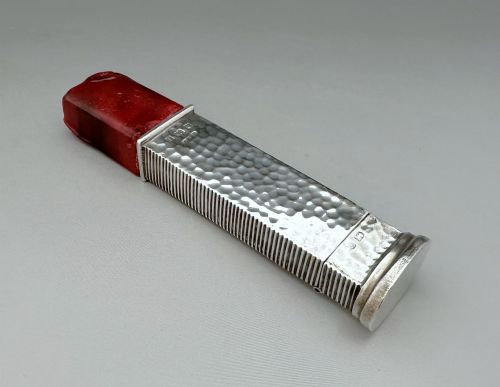
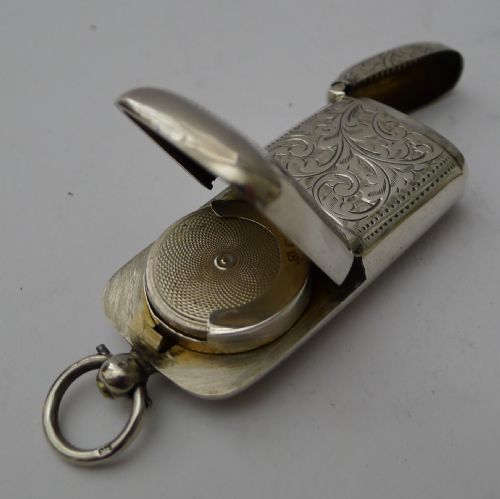
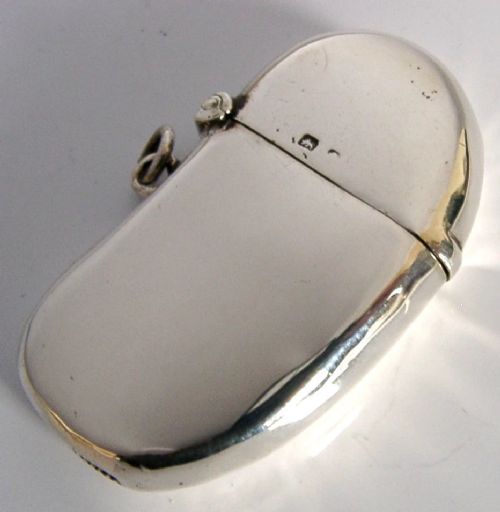
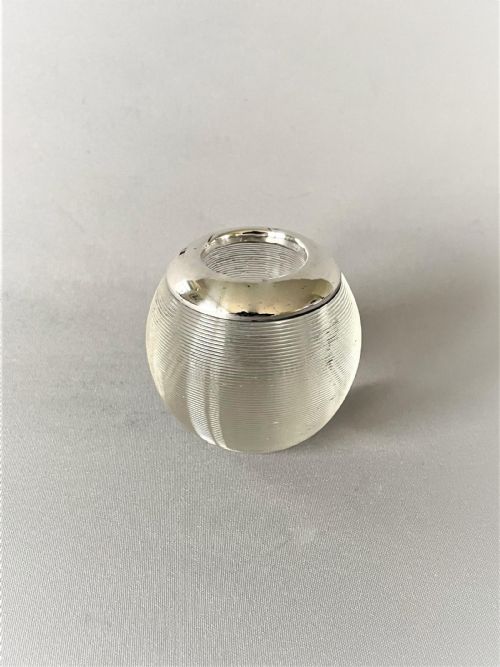
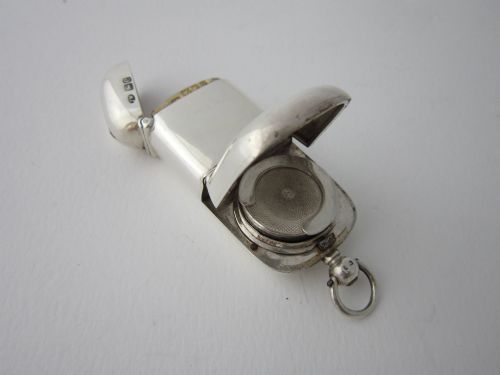
Pocket versions commonly appear as silver vesta cases, sometimes combined with sovereign holders, sealing wax compartments, or watch chains. Table versions feature heavily textured glass, earthenware, and brass bodies mounted with sterling silver or fashioned into novelties like owls and scenic reliefs.
How they were made
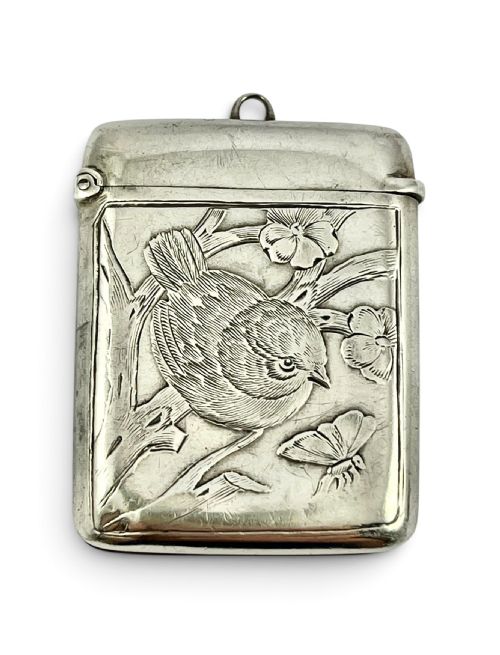
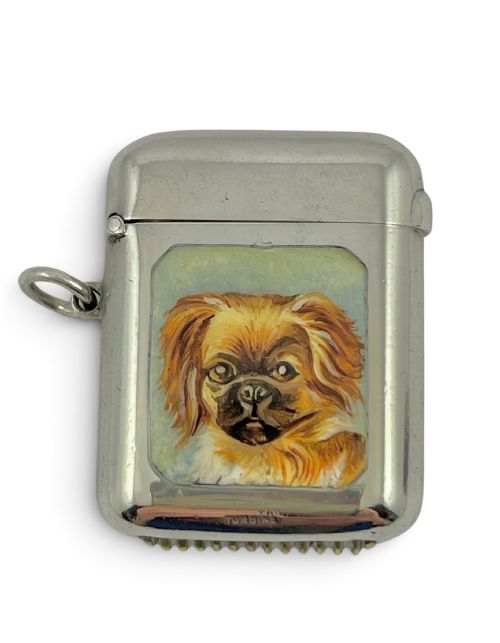
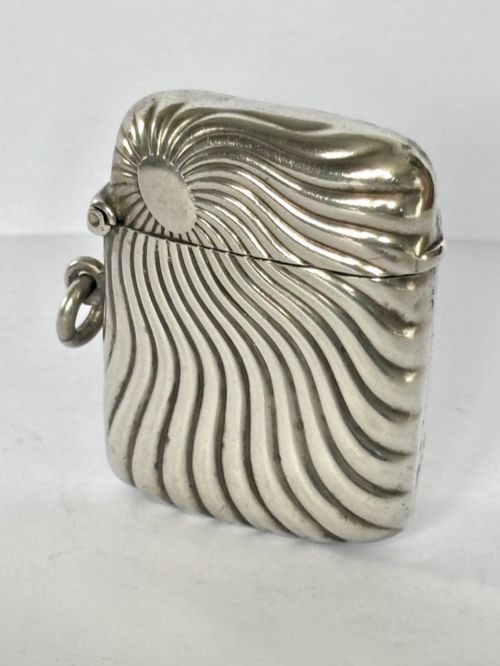
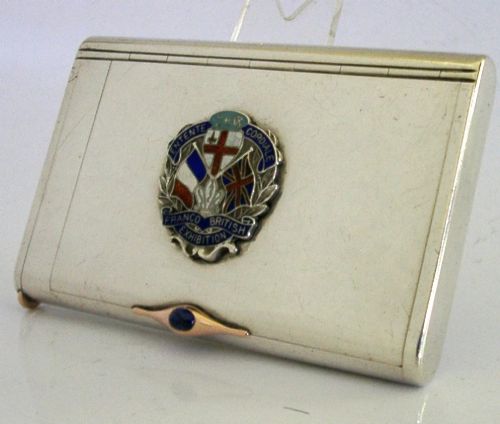
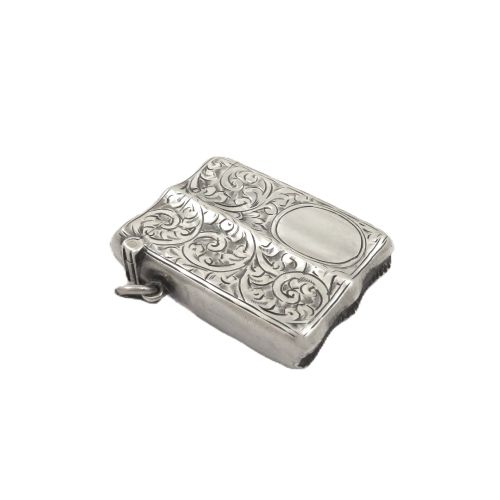
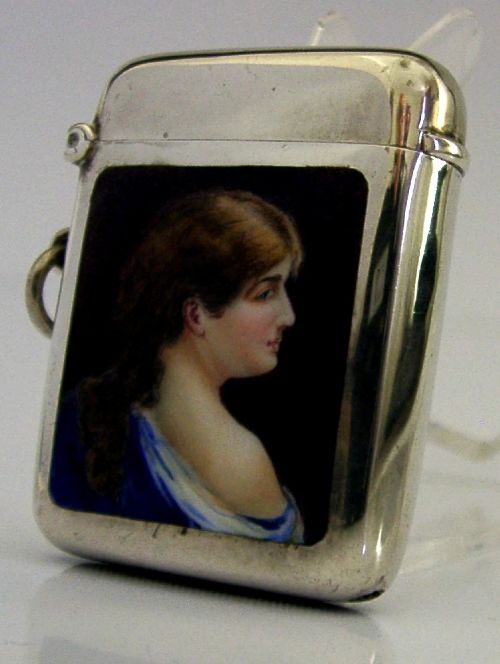
Makers utilised sterling silver, 800 silver, and brass as structural metals, often shaping them through repoussé work, casting, and engraved surface patterns like sunbursts or ribbed threads. Enamel, gold accents, jewels, and hand-painted details frequently embellish the metalwork.
Glass and earthenware bodies provide the contrasting weight required for table match strikers, featuring textured surfaces designed to ignite matches safely. Combinations of silver mounts with green glass globes or ceramic spill vases demonstrate the mixed-media approach common to the period.
Listings demonstrate materials ranging from sterling silver, glass, and enamel to brass, earthenware, and sealing wax across the Edwardian era.
What varies in quality
Quality rests upon the crispness of the chasing, the precision of the hallmark stamps, and the complexity of the form. Standard pocket vestas show simple geometric or ribbed patterns, whereas superior examples incorporate intricate castle top engravings, portrait faces, or figural subjects like owls and pug dogs.
The integration of secondary materials defines the upper tier of execution. Pieces combining enamel, gold, jewels, or specially cast novelty shapes display a higher level of artisanal skill than plain metal sleeves.
Robert Chandler·Mappin and Webb·Raphael Tuck and Sons·Alfred Clark·J.B. Bennet·Sampson Mordan·William Hair Haseler·Ernst Wahliss·William Comyns
The Edwardian Match Holder Glossary
- Vesta case
- A small pocket container designed to hold safety matches, commonly fitted with a striated base for striking them. These boxes usually feature a hinged lid and a loop for attachment to a watch chain.
- Match striker
- A heavy table container, often made from textured glass or earthenware with a silver mount, intended to ignite matches through friction against its roughened surface.
- Sovereign case
- A small circular pocket holder sized precisely to carry gold sovereign coins, frequently combined directly into the body of a vesta case.
- Castle top
- A decorative engraving technique depicting specific architectural landmarks or royal residences, such as Windsor Castle, on the face of a silver vesta or matchbox cover.
- Repoussé
- A metalworking technique where the artisan hammers the metal from the reverse side to form a raised design in relief on the front.
Edwardian Match Holder: Frequently Asked Questions
How were match holders used?
Pocket versions, known as vesta cases, were carried by individuals to keep matches dry and ready for lighting cigars or pipes. Table versions sat in rooms to provide a convenient flame and striking surface.
Many pocket designs also doubled as sovereign cases or held compartments for sealing wax and stamps.
How do I date an edwardian match holder?
Dating relies heavily on the hallmarks stamped into the silver components, which indicate the assay office and year of manufacture. Stylistic markers such as Art Nouveau curves or specific commemorative events also help narrow the timeframe.
Makers' marks and registration numbers further pinpoint the exact production era.
What materials are common?
Sterling silver is the most frequent material encountered, often paired with glass or earthenware for table strikers. Brass, nickel-plated metal, and gold also appear alongside enamel and jewels.
Sealing wax and specialised glass bodies add colour and contrasting texture to the metal mounts.