

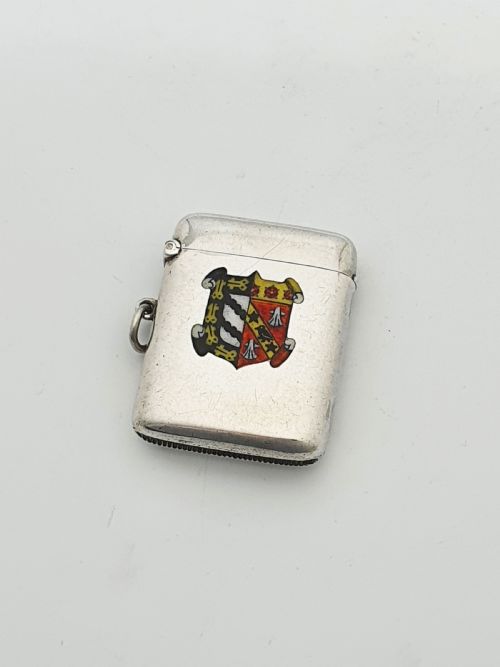


Enamel Match Safe
An enamel match safe is a pocket-sized striker for carrying vestas securely, offering collectors miniature pictorial art in sterling silver or brass.
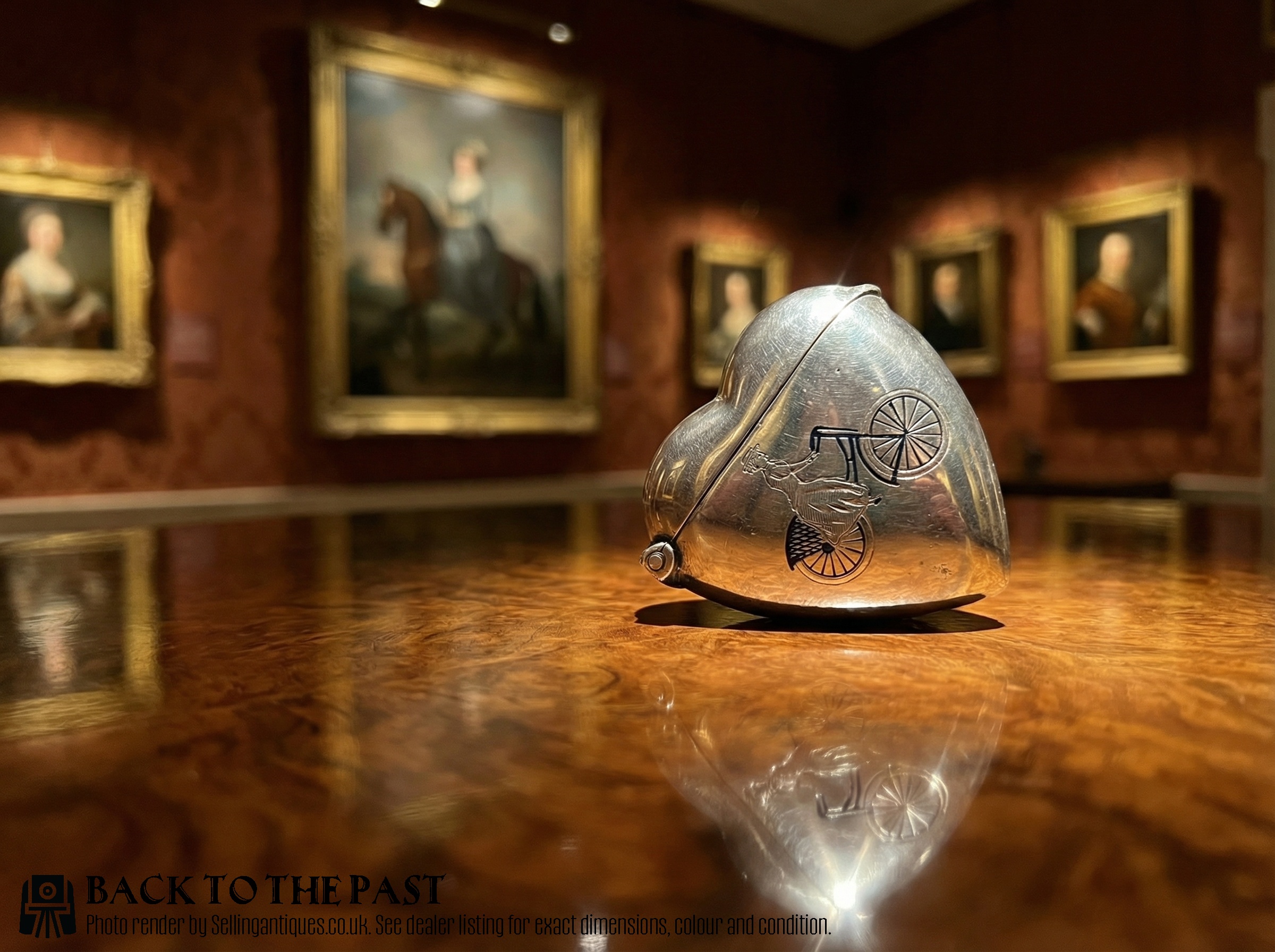
What an enamel match safe is
An enamel match safe, also known as a vesta case, is a pocket container designed to hold matches safely while providing a striking surface on the base. These pieces span the Victorian, Edwardian, and 1920 periods, capturing miniature artistry in portable form.
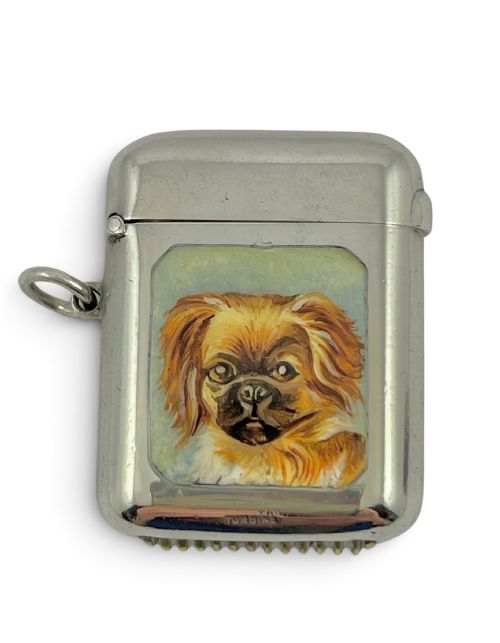
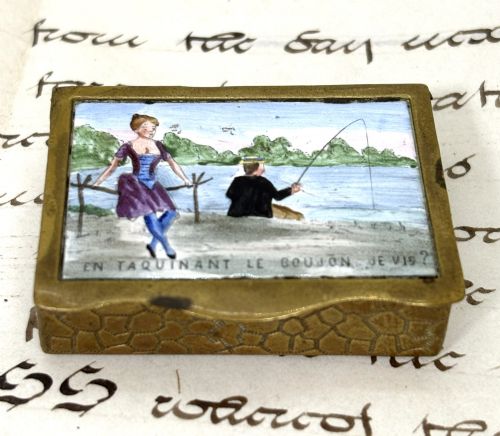
The versions most frequently met on this page originate from British assay offices in Birmingham and Chester, alongside 19th-century French workshops. They arrive in various formations, including pictorial subjects like pug dogs and sentry boxes, as well as risque motifs.
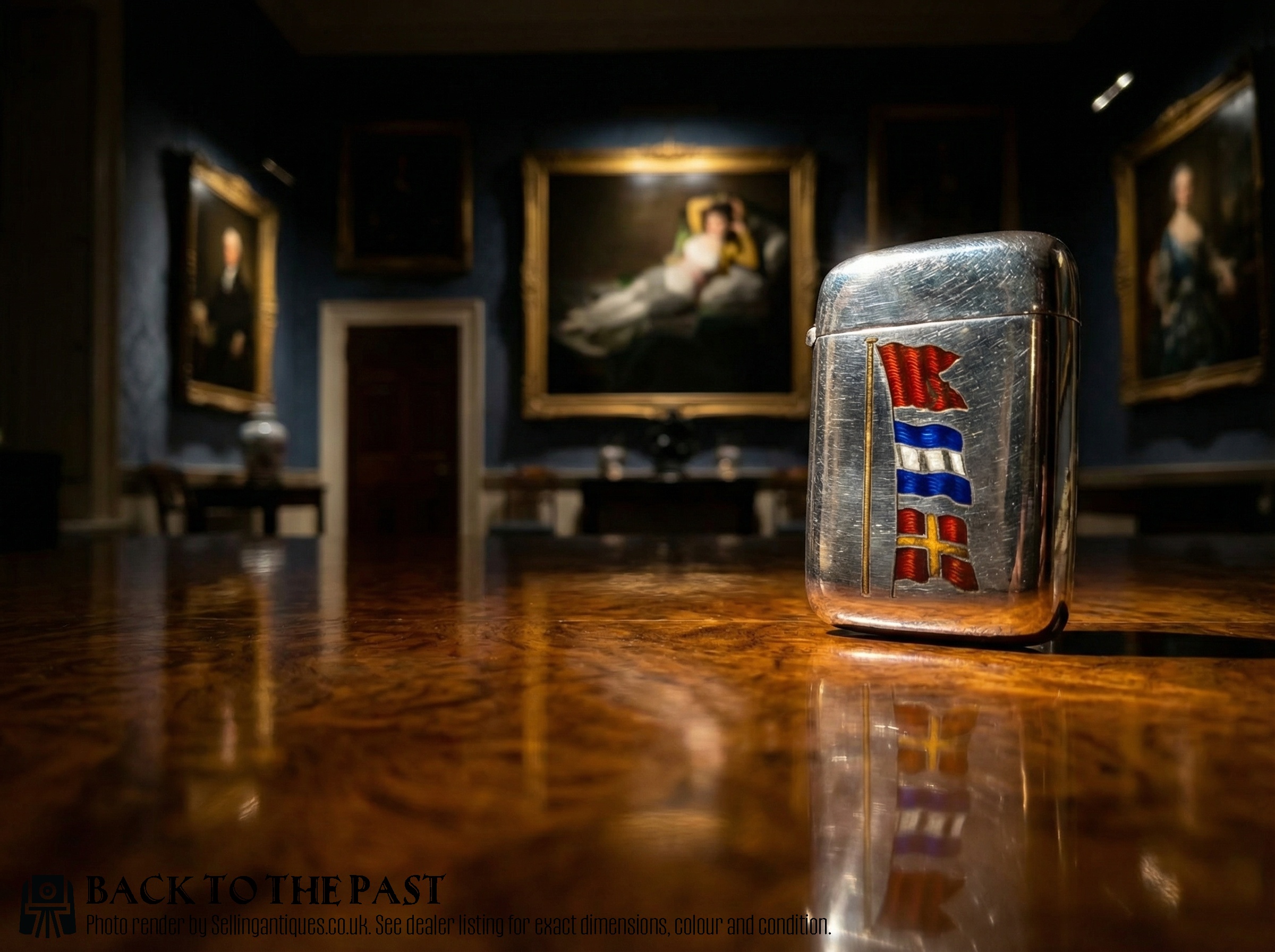
How they were made
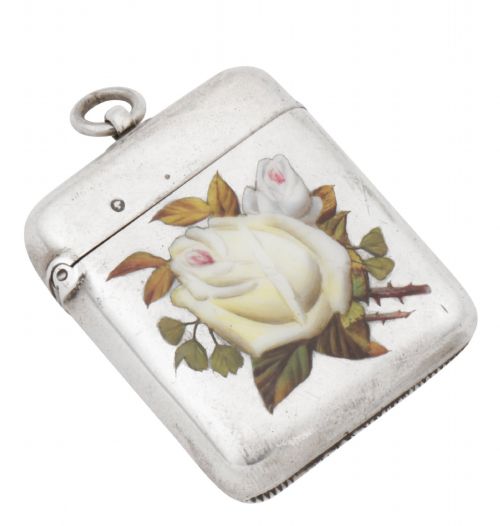
The construction combines precious or base metals with vitreous glass pastes. Artisans shaped sterling silver or brass into hinged boxes, applying enamel colour to the surface before firing.
British examples carry hallmarks stamped into the metal to indicate the assay town and year, while French pieces utilise brass foundations paired with decorative enamel panels.
Retail Price Guide 2026
Typical UK retail prices for enamel match safe, calculated from the Sellingantiques database of over a million retail prices indexed since 2003. This retail price guide relies exclusively on Sellingantiques data; no external sources or auction records are used, so the figures do not describe the wider market.
Current listings feature pieces made from sterling silver, brass, and enamel across Victorian, Edwardian, and 1920 periods.
What varies in quality
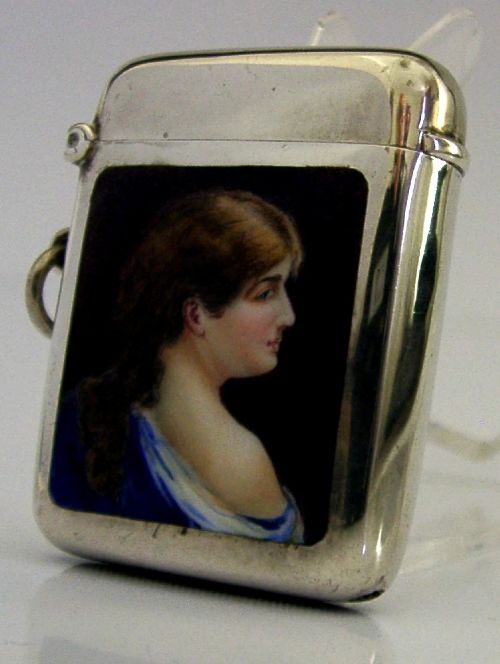
The distinction between standard examples and superior pieces rests in the intricacy and preservation of the enamel work. Complete pictorial scenes, such as dog portraits or figurative subjects, demand greater skill than plain metal surfaces.
Makers like Sampson Mordan elevate quality through clever mechanical execution and whimsical forms, whereas standard production relies on straightforward box construction and simpler decoration.
Sampson Mordan
The Enamel Match Safe Glossary
- Vesta case
- A small pocket container designed to hold safety matches, often featuring an integrated striker on the base. These items were essential accessories for lighting pipes and cigars before the widespread availability of modern lighters.
- Enamel
- A glassy substance fused to the surface of metal through high-temperature firing to provide colour and decoration. This technique allowed makers to apply detailed miniature paintings and vibrant patterns.
- Sterling silver
- A silver alloy containing ninety-two point five percent pure silver by mass, with the remainder consisting of copper or other metals. British match safes from this category are typically assayed in Birmingham or Chester.
- Hallmark
- An official stamp applied to precious metals indicating the standard of purity, the assay office, and the year of manufacture. These marks provide definitive dating for Victorian and Edwardian pieces.
Frequently Asked Questions
How do I date a vesta case?
Dating relies heavily on British hallmarks stamped onto the sterling silver body, indicating the specific assay office and year of production. Stylistic clues and material choices also point towards Victorian, Edwardian, or 1920 origins.
French brass and enamel variants are evaluated through their manufacturing style and period characteristics.
What materials were used?
Makers utilised sterling silver and brass as the foundational metals for these pocket containers. Vitreous enamel was then applied to the exterior surfaces to create colourful pictorial scenes and decorative patterns.
Assay marks on silver pieces confirm the metallic standard used.
How were they carried?
These small cases were designed to slip easily into a waistcoat pocket or handbag for daily use. Many included small suspension loops for attachment to chatelaines or pocket watch chains.
The hinged lids kept the matches secure until needed for lighting.