



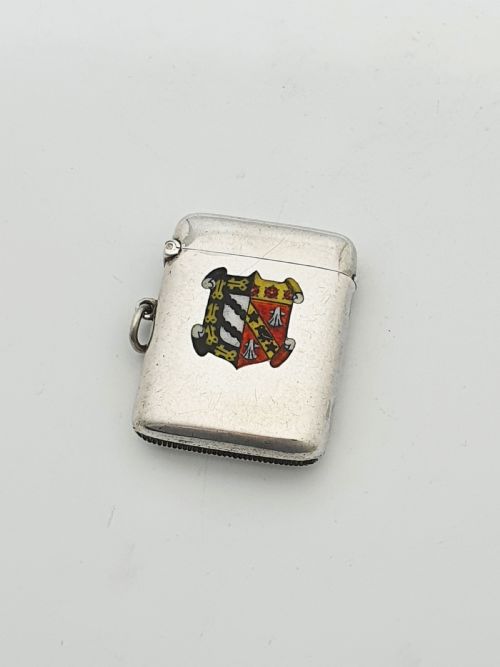


Edwardian Enamel Pocket Case
These edwardian enamel pocket case items are pocket-sized vessels and timepieces that combine precious metals with colourful vitreous coatings for portable elegance.
Edwardian Enamel Pocket Case
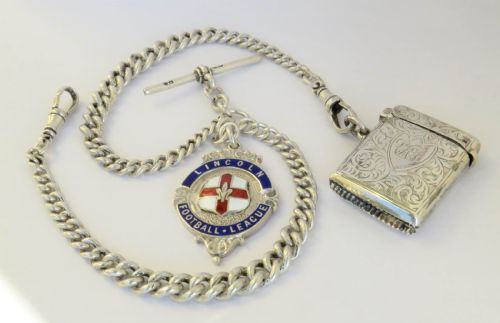
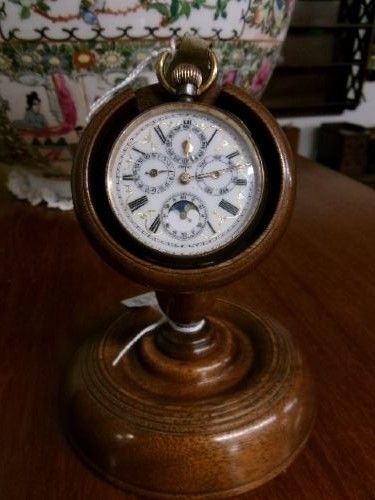
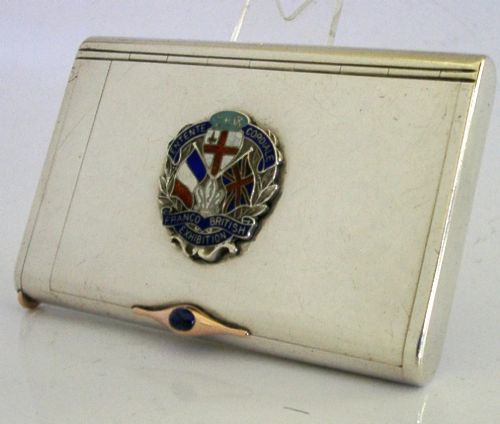
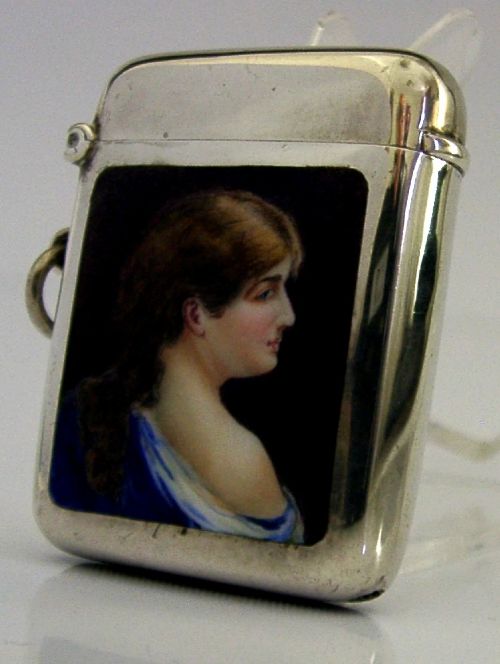
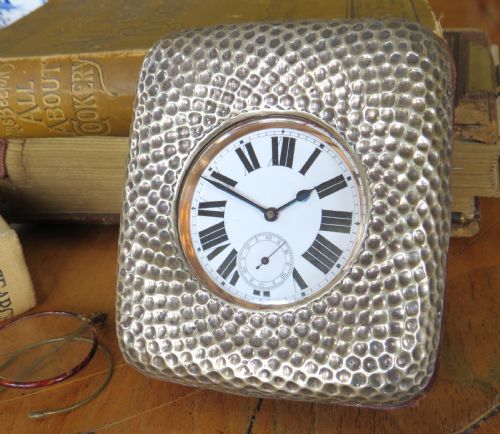
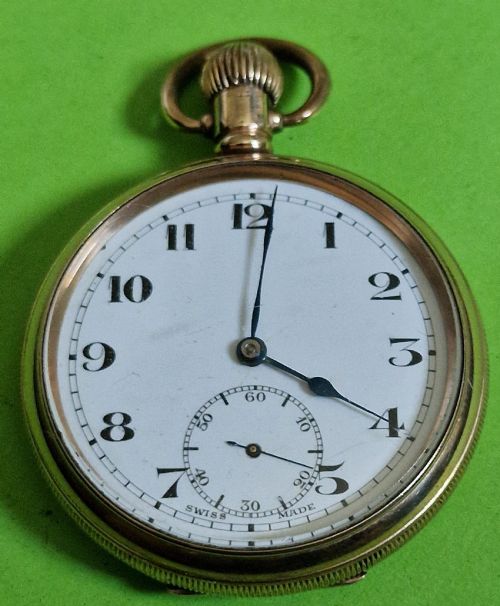
When you search for an edwardian enamel pocket case, you encounter a selection of small personal containers and timepieces spanning the Edwardian period, 1900, 1910, 1920, and the 19th Century. The forms listed on this page include vesta cases, cigarette cases, card cases, pocket watches, watch cases, and travel clocks.
The most common versions met here combine silver or sterling silver with enamel, alongside pieces in gunmetal, gilt metal, wood, and glass. Styles range across Edwardian, Victorian, Early 20th Century, George V, Art Deco, and Arts and Crafts designs.
How they were made
Maker workshops utilised sterling silver, continental silver, and gunmetal as the structural chassis for these small portable objects. Metals were formed into vesta cases, card cases, and pocket watch housings designed to protect matches, cards, or timepieces.
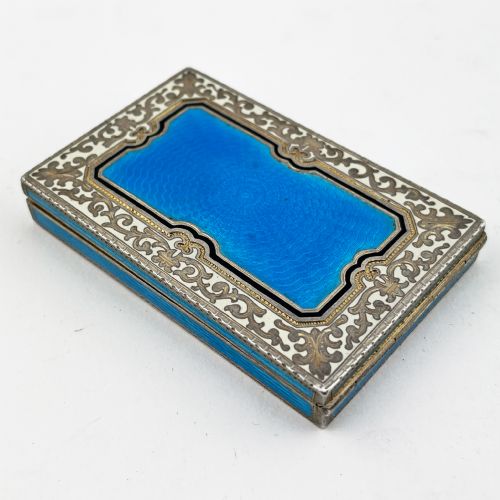
Vitreous enamel and hand-painted details were applied to metal surfaces, sometimes incorporating guilloche patterns or peacock colouration. Certain pieces integrated gold highlights and glass elements to complete the decorative scheme.
Edwardian Enamel Pocket Case Retail Price Guide 2026
Typical asking prices for edwardian enamel pocket case among the pieces listed under this phrase on Sellingantiques today, from the lower quarter to the upper quarter. They describe what is for sale here now, not the wider market.
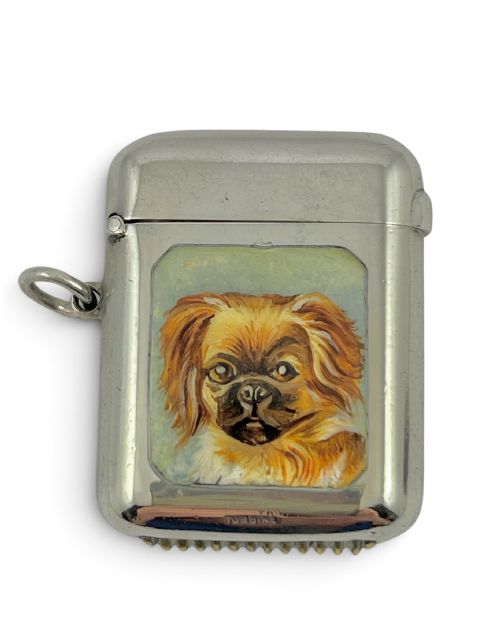
Among the pocket cases and watches, a lone enamelled pug dog stares out from a sterling silver vesta case.
What varies in quality
Quality separates simple utility items from pieces featuring complex hand-painted scenes, animal subjects like pug dogs, or specific enamel crests. The precision of the guilloche work and the preservation of the vitreous coating dictate the upper tier of the range.
Maker attribution also influences distinction, as demonstrated by marked pieces originating from established firms such as Liberty & Co compared to unmarked work. The integration of gold accents alongside silver and enamel shifts the relative sophistication of the piece.
Dennison·Liberty & Co·Waltham
The Edwardian Enamel Pocket Case Glossary
- Vesta case
- A small pocket box specifically designed for holding matches and keeping them dry. These containers typically feature a striking strip on the bottom.
- Guilloche enamel
- A decorative technique where an intricate geometric pattern is engraved beneath a translucent layer of enamel. This method creates a shimmering depth across the surface.
- Vitreous enamel
- A material made by fusing powdered glass to a metal substrate through firing at high temperatures. It provides a durable, glossy coloured finish.
- Full hunter pocket watch
- A pocket watch featuring a spring-loaded metal cover that protects the glass dial from scratches. The cover opens via a button mechanism on the crown.
- Card case
- A flat pocket container utilised for carrying visiting cards during the nineteenth and early twentieth centuries. They are frequently fashioned from silver or enamel.
Edwardian Enamel Pocket Case: Frequently Asked Questions
What is an edwardian enamel pocket case?
An edwardian enamel pocket case is a small portable container or housing, such as a vesta case, cigarette case, card case, or watch case, finished with decorative vitreous enamel.
These objects date primarily from the early twentieth century and combine precious metals with colourful glass coatings designed for personal use.
How were these pocket cases used?
These items served daily functional roles in the pocket or handbag, carrying matches, cigarettes, visiting cards, or protecting delicate pocket watches and travel clocks.
Their sturdy metal construction protected fragile contents while the enamelled decoration signaled personal taste and social standing.
What materials are typical for these items?
The listings show a strong reliance on sterling silver and silver as the primary body material, frequently paired with vitreous enamel, guilloche enamel, and hand-painted details.
Alternative materials appearing in the inventory include gunmetal, gilt metal, wood, and glass, particularly within watch cases and desk accessories.
How do I identify the period?
Periods can often be identified through hallmarks stamped on the silver, stylistic indicators like Arts and Crafts or Art Deco motifs, and specific dates recorded in the evidence such as 1902, 1905, 1908, 1922, or the broader Edwardian era.
Design cues like hand-painted motifs and guilloche patterns also help narrow down the decade of manufacture between the late nineteenth century and the 1920s.