

Vintage Silver Ice Bucket
A vintage silver ice bucket brings traditional hospitality to the table, combining functional insulation with polished metal and glass craftsmanship.
Vintage Silver Ice Bucket
A vintage silver ice bucket serves to chill wine, champagne and keep ice solid during dining and social gatherings. When searching this phrase, buyers encounter vessels spanning from the Victorian era through the mid-twentieth century.
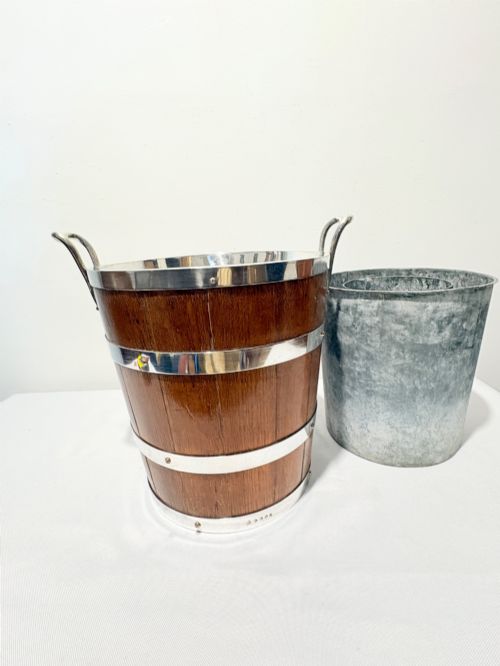
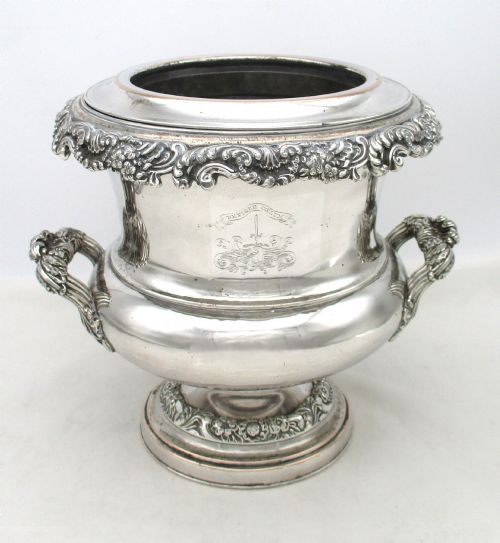
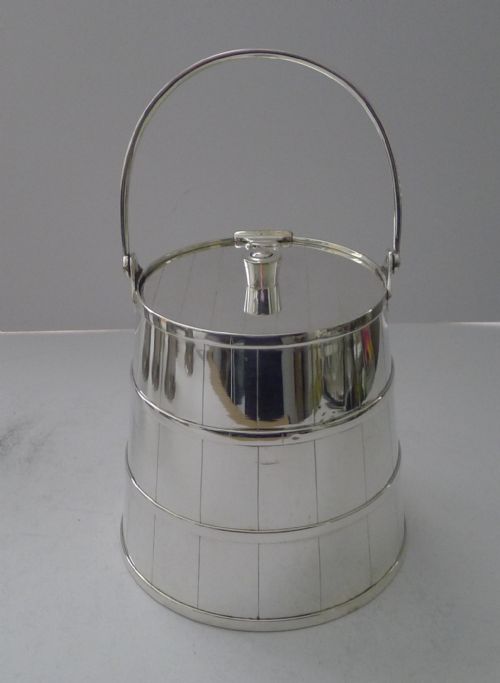
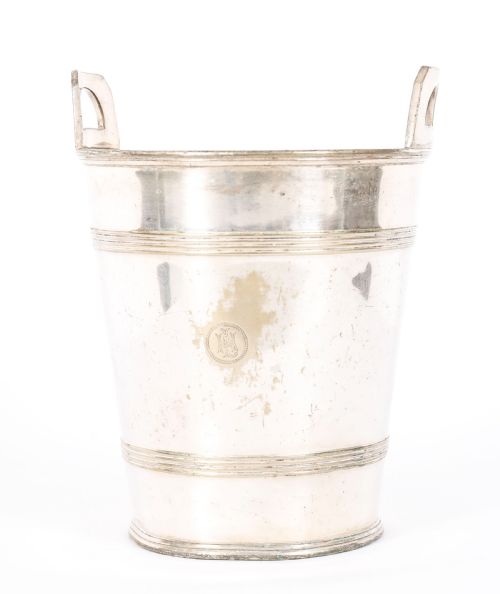
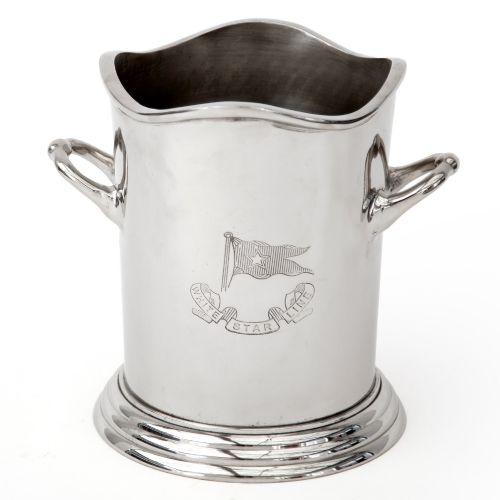
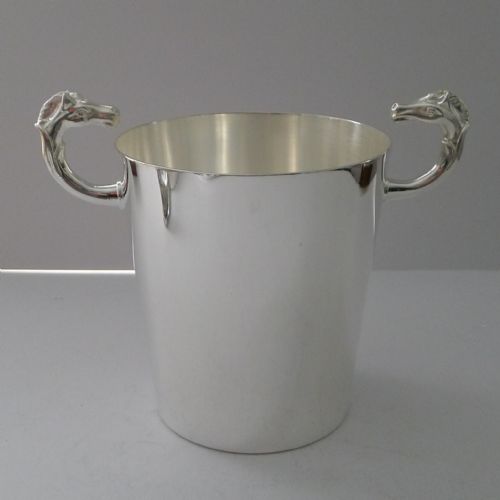
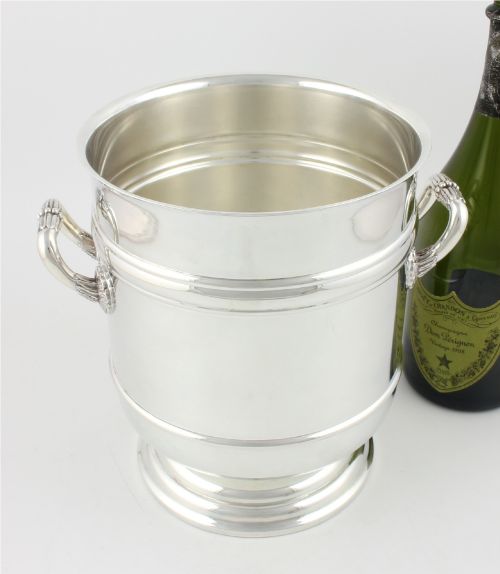
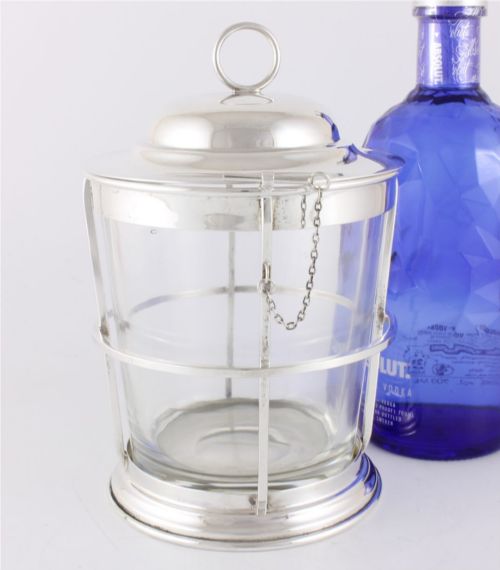
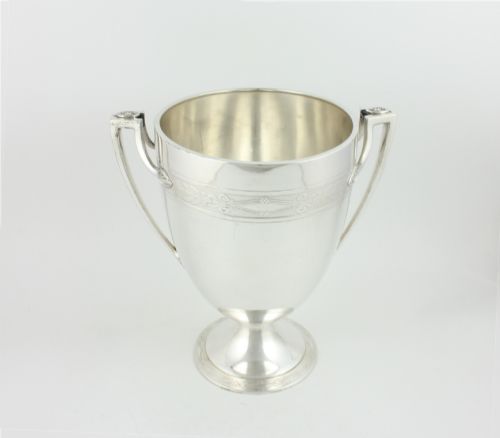
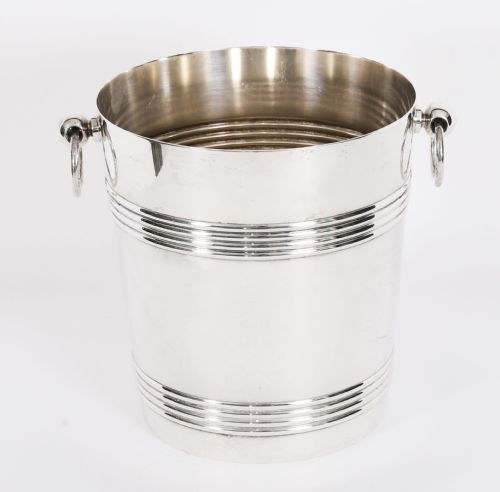
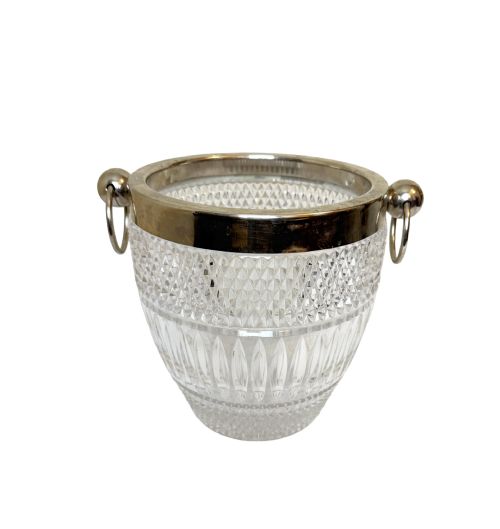
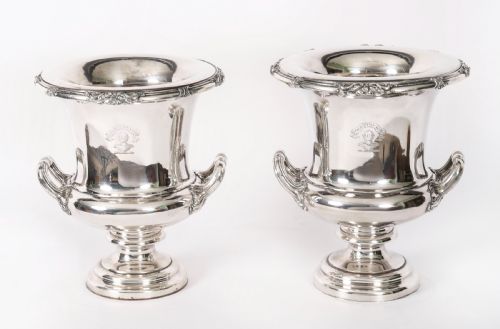
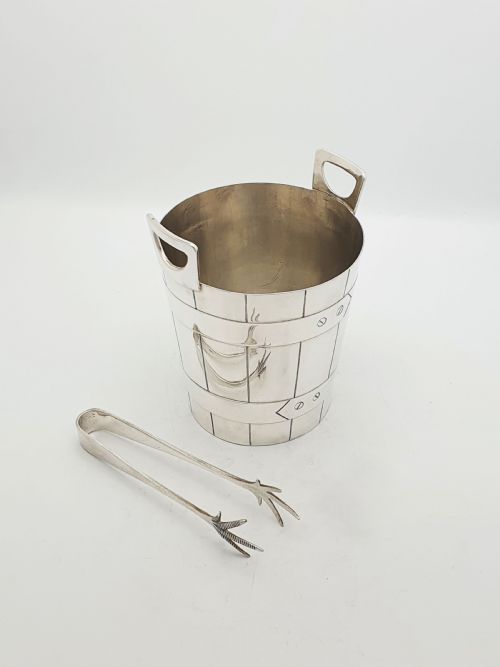
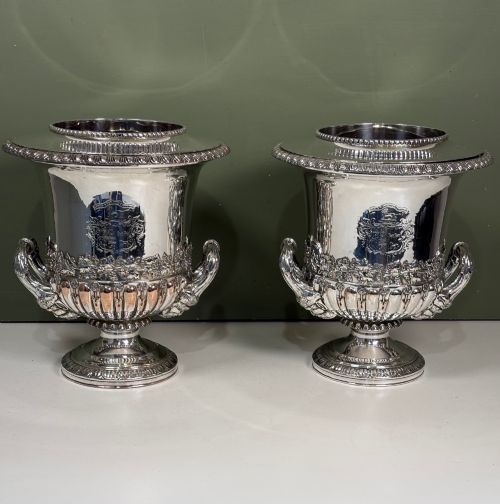
The pieces appearing on this page take various forms, including straightforward cylindrical pails, novelty barrel designs, and large handled champagne coolers. Many incorporate fitted cut glass liners or crystal bodies paired with metal rims and swing handles.
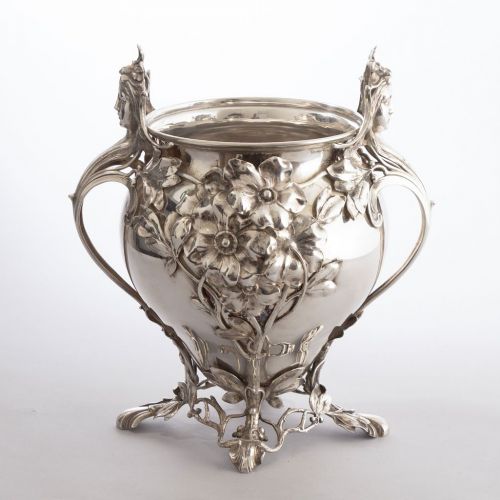
Origins range across English, French and Italian workshops, reflecting shifts from formal Edwardian entertaining to streamlined Art Deco and Mid-Century Modern barware aesthetics.
How they were made
Silversmiths constructed these items primarily using silver plate, silver on copper, and Old Sheffield Plate, shaping metal sheets by hand or via early industrial stamping methods. Handles, crests and decorative feet were often cast separately and soldered or riveted to the body.
Glass bodies and liners were typically heavy lead crystal or cut glass, produced through press-moulding or hand-cutting techniques designed to catch ambient light. Metal mounts, rims and collars were then fitted securely around the glass rims to complete the pails.
Listings feature items spanning from the eighteenth century through the 1960s, utilising silver plate, crystal, and copper.
What varies in quality
Quality rests heavily on the weight and thickness of the base metal and plating layers, alongside the clarity and depth of any cut glass components. Substantial metal walls and crisp, well-defined embossing indicate superior production standards.
Execution of detail also separates standard utility items from top-tier examples, visible in the snug fit of liners, the balance of swing handles, and the sharpness of maker stamps or crest engravings.
Hutton Sheffield·Hermes Paris·Christofle·PH Vogel·WMF·Mappin and Webb·IMA·Barker Ellis·Dawson·Elkington·Luc Lanel·Ercuis
The Vintage Silver Ice Bucket Glossary
- Silver Plate
- A thin layer of pure silver bonded to a base metal core such as copper or nickel brass. This technique allowed manufacturers to produce robust vessels with the appearance of solid silver at a lower cost.
- Old Sheffield Plate
- An early fusing method where a sheet of silver is melted onto a thick copper ingot before being rolled into plates. This process creates a distinctive edge where the underlying copper occasionally shows through with age.
- Cut Glass
- Glass decorated by grinding geometric or floral patterns into the surface using rotating wheels. Deep cutting enhances the refractive quality of the crystal body.
- Champagne Cooler
- A vessel larger than a standard ice pail, specifically proportioned to hold a wine bottle upright surrounded by ice. These often feature twin handles or floor-standing bases.
Vintage Silver Ice Bucket: Frequently Asked Questions
How do I clean a silver plated ice bucket safely?
Wash the interior with warm soapy water and a soft cloth, avoiding abrasive pads that can scratch the metal or wear away thin plating. Dry thoroughly immediately after washing to prevent water spots.
Apply a dedicated silver polish sparingly to the exterior only when tarnish builds up, rubbing gently in straight lines. Rinse away residue completely and buff with a clean microfiber cloth to restore the shine.
Can I use an ice bucket for hot items?
These vessels were engineered specifically to hold cold items such as ice cubes or chilled bottles of wine and champagne. Subjecting them to sudden thermal shock from boiling liquids can crack glass liners.
Metal components soldered together may also weaken under high heat. Stick to chilling beverages and storing ice cubes to preserve the structural integrity of the piece.
How do I date a silver plated ice bucket?
Examine the base for maker marks, registry numbers, or specific manufacturer stamps that correspond to known operational dates. Stylistic cues such as heavy Rococo embossing or geometric Art Deco lines also point to specific decades.
Construction methods further help narrow the timeline, as early nineteenth-century pieces often display Old Sheffield Plate characteristics while mid-century items embrace modernist minimalism.
Are glass liners original to the buckets?
Many vintage buckets retain their original fitted cut glass or crystal liners, designed to protect the metal interior from melting ice water. A correct original liner sits flush within the rim without excessive wobbling.
Replacements do occur due to accidental breakage over decades of use. Check that the rim height and internal diameter match the proportions of the metal housing.