

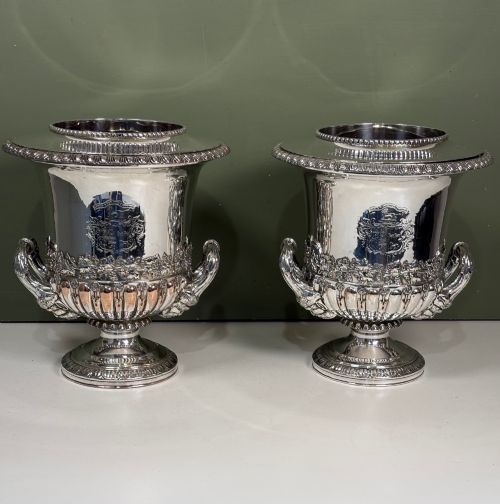


Vintage Champagne Chiller
A vintage champagne chiller turns a simple bottle into a centrepiece, pairing practical cooling with decades of silver plate, crystal and copper craftsmanship.
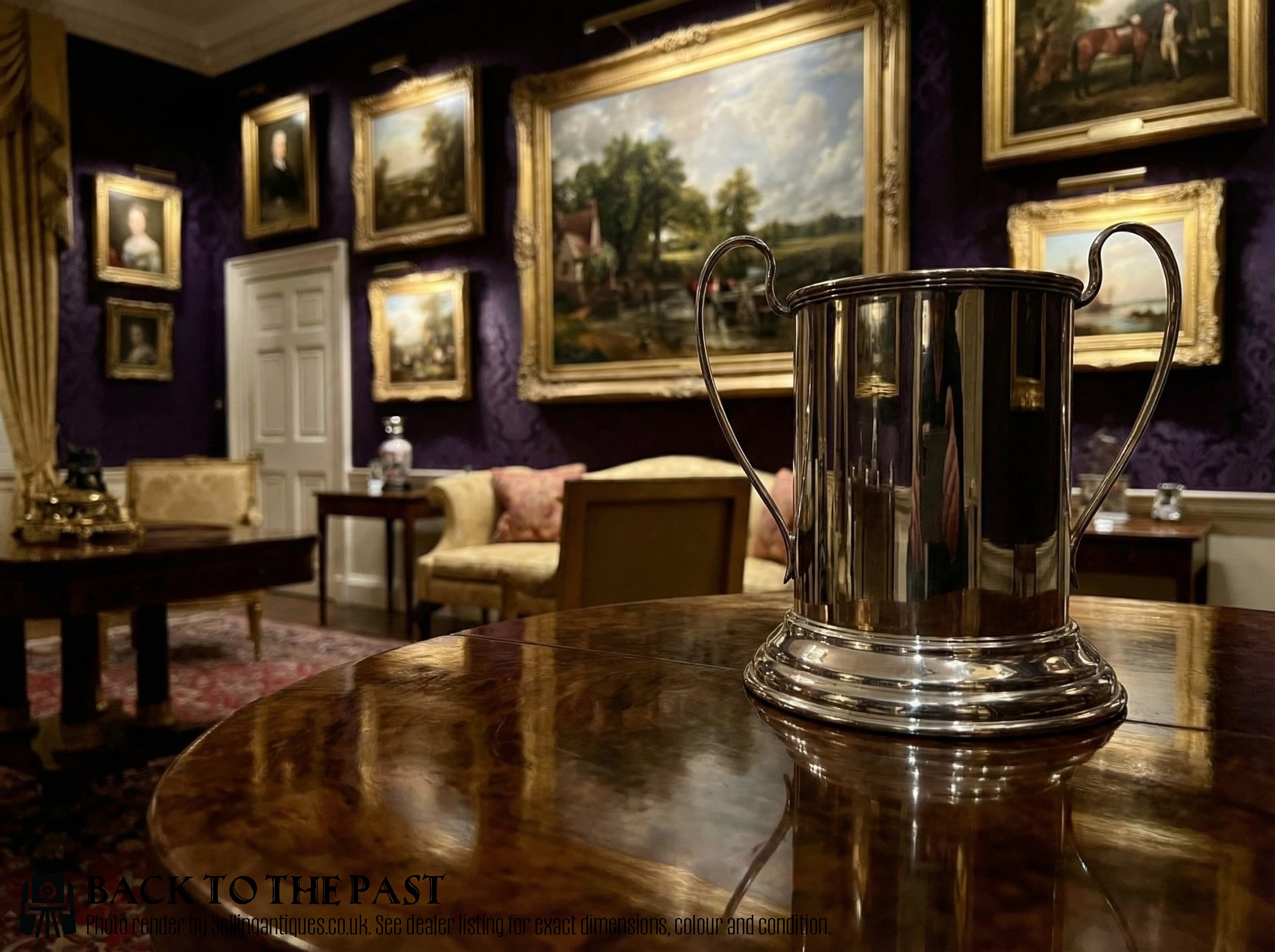
Vintage Champagne Chiller
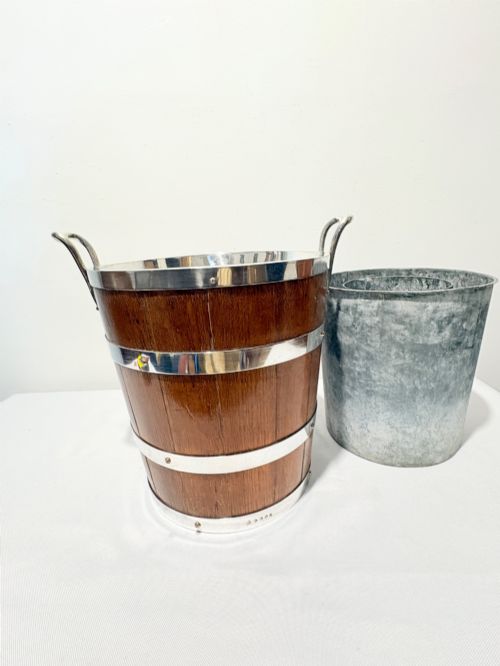
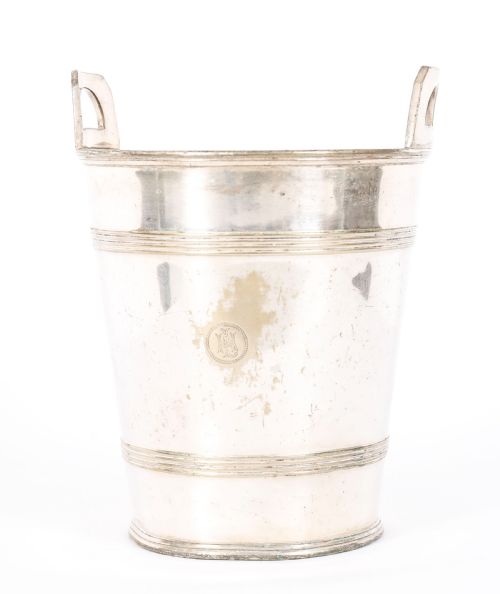
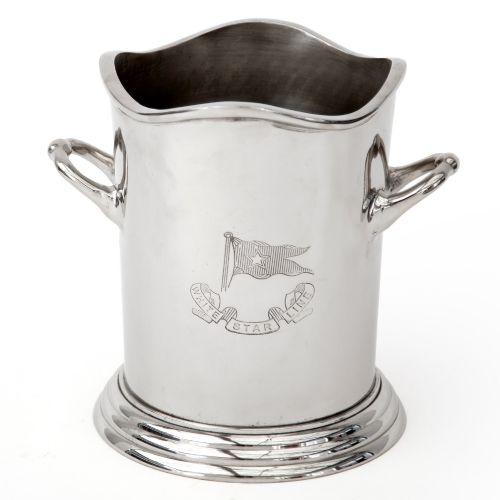
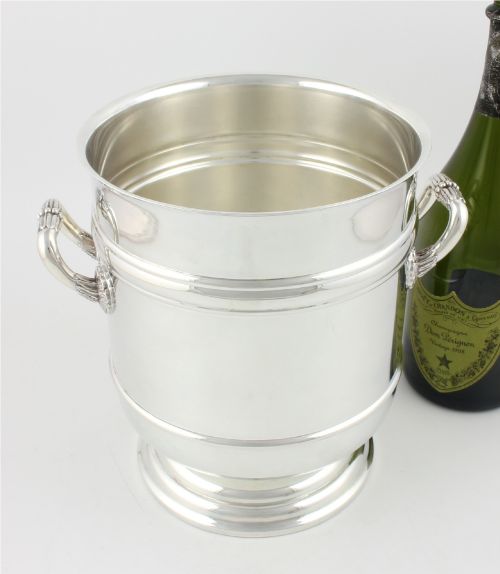
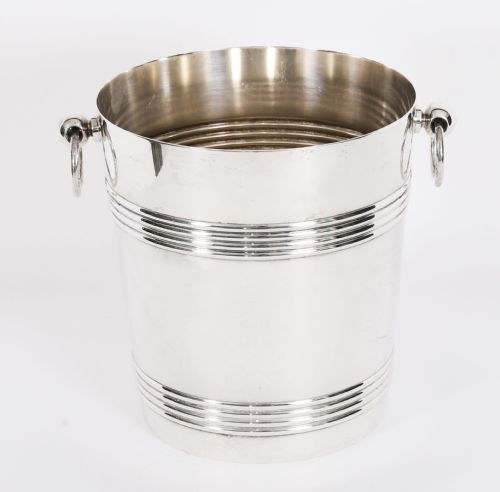
A vintage champagne chiller encompasses substantial vessels designed for wine and ice, taking forms from campana shapes to cylindrical buckets. Buyers looking for a vintage champagne chiller will encounter French and English metalwork alongside cut crystal vessels spanning the nineteenth century through the mid-twentieth century. The selection leans heavily toward silver-plated Art Deco designs and mid-century modern pieces, though earlier Regency examples appear.
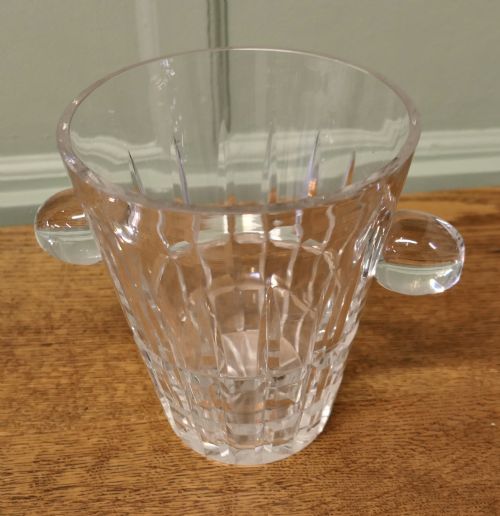
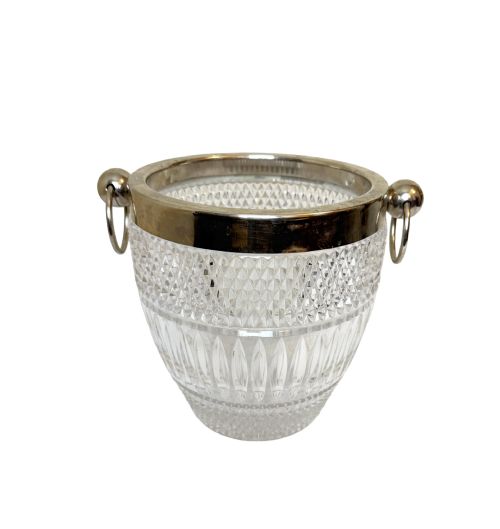
Makers and silver-plating techniques define the majority of the vessels on offer, often bearing hallmarks or foundry stamps from Paris and Sheffield. Pieces range from plain utilitarian cooling buckets to floor-standing twin-handled coolers with heavy embossing. Crystal bodies paired with gilt bronze mounts or silver-plated rims represent another frequent variation within the category.
Materials and construction
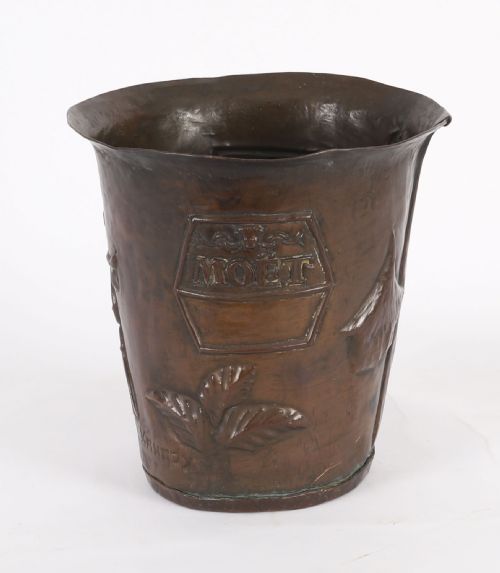
Makers utilised silver plate over copper or base metals, alongside heavy-gauge chrome, copper and blown cut crystal. Old Sheffield plate and standard silver plating provide the reflective surfaces seen on most metal examples, while French crystal vessels utilise deep hand-cutting techniques.
Casting and hammering shaped the metal bodies, with handles and mounts often soldered or riveted to the main cylinder. Bronze mounts, gilt details and applied ornamentation complete the construction of the more elaborate French and Italian pieces.
Vintage Champagne Chiller Retail Price Guide 2026
Typical asking prices for vintage champagne chiller among the pieces listed under this phrase on Sellingantiques today, from the lower quarter to the upper quarter. They describe what is for sale here now, not the wider market.
Listings feature pieces spanning the early nineteenth century through the mid-twentieth century, with Art Deco and mid-century modern designs heavily represented.
Assessing quality
Weight and metal thickness separate superior vessels from lighter items, as heavier gauge silver plate and solid crystal withstand decades of handling and ice contact. The crispness of the cutting on crystal and the depth of relief in embossed metal work indicate the skill involved in production.
The reputation of the maker and the integrity of the original plating or mounts dictate the standing of an individual piece. Makers with documented Parisian or Sheffield provenance maintain stronger design coherence across their handles, rims and bases.
Hutton Sheffield·Christofle·WMF·Elkington·Ercuis·Luc Lanel·James Dixon And Sons·Lino Sabattini·Gallia·Matthew Boulton And Co
The Vintage Champagne Chiller Glossary
- Silver Plate
- A thin layer of silver bonded to a base metal such as copper or Britannia metal. This technique allowed makers to achieve the look of solid silver at a lower cost.
- Old Sheffield Plate
- An early method of fusing a sheet of silver to a copper ingot before rolling them together into sheets. It is identifiable by the thin line of exposed copper visible on edges or wear points.
- Campana
- A bell-shaped vessel form popular during the Regency period. These wine coolers feature flared rims and tapering bodies often mounted on square plinths.
- Art Deco
- A design style from the interwar period characterised by geometric symmetry, clean lines and stylised motifs. Chiller examples from this era often feature stepped details and streamlined handles.
Vintage Champagne Chiller: Frequently Asked Questions
How do I clean a silver plated wine cooler?
Wash the interior with warm soapy water and a soft cloth, avoiding abrasive pads that scratch the metal surface. Dry thoroughly immediately after cleaning to prevent water spots.
Use a dedicated silver polish sparingly on the exterior only when necessary. Aggressive polishing wears away the thin silver layer over time, particularly on raised embossed details.
How do I date an unmarked silver plated chiller?
Examine the overall silhouette, handle construction and decorative motifs against known periods like Art Deco or Regency. Heavy copper telegraphing through worn silver plate often indicates nineteenth-century origins.
Look for retailer stamps, registry marks or numerals stamped on the base. Stylistic clues such as stepped geometric bases point clearly to the interwar decades.
What is the difference between a wine cooler and an ice bucket?
Wine coolers are generally deeper and proportioned to hold a bottle immersed in ice and water. Ice buckets tend to be more compact, designed solely to hold ice cubes for serving.
Many period pieces served dual purposes or came with removable liners. Retail listings often group both forms together due to overlapping historical usage.