
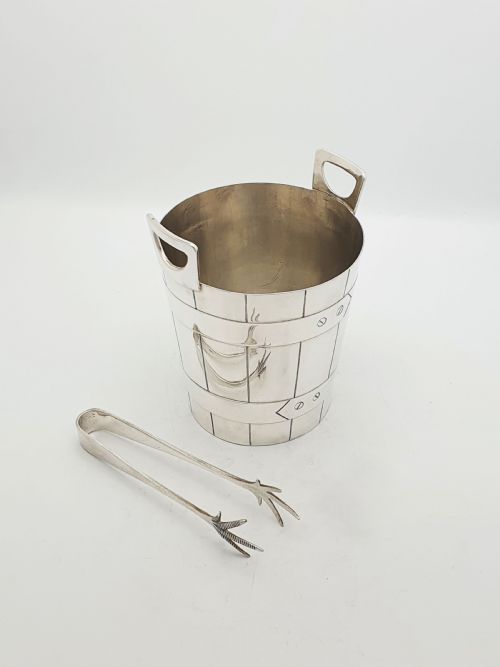


Edwardian Silver Wine Cooler
An edwardian silver wine cooler is a sturdy, gleaming barware piece designed for dining tables, bringing period presence to bottle service.
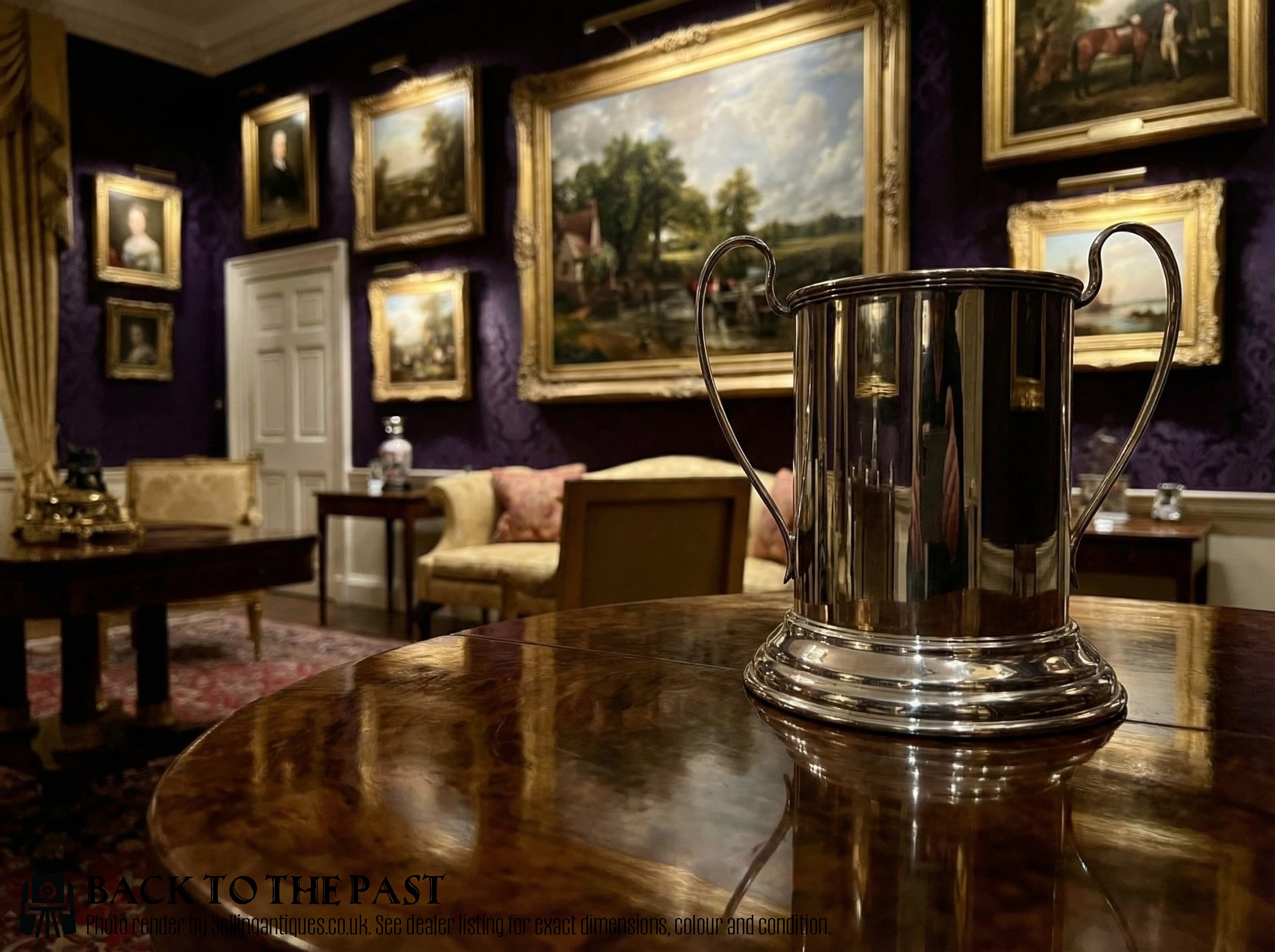
Edwardian Silver Wine Cooler
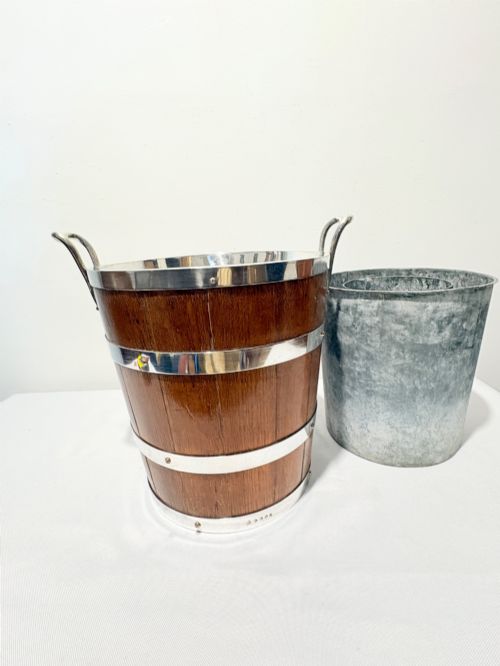
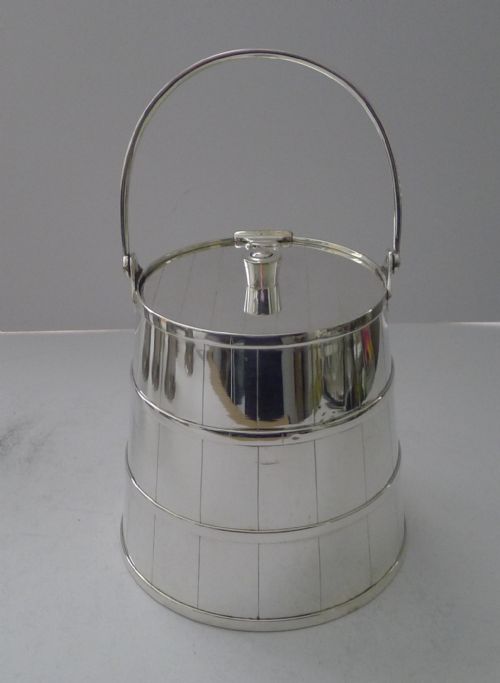
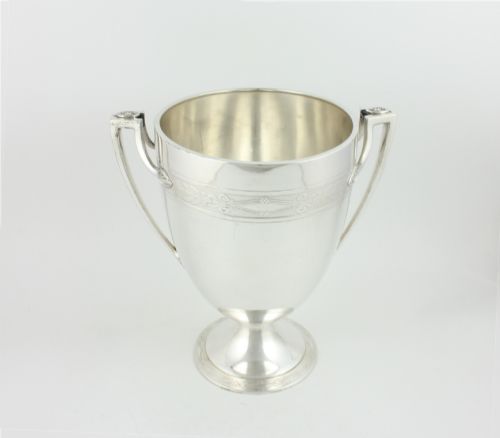
An edwardian silver wine cooler encompasses substantial barware designed for chilling champagne and wine, often crossing over with ice buckets and presentation bowls. These vessels appear frequently in silver plate, sometimes incorporating robust oak, nickel silver, or cut glass liners for practical use.
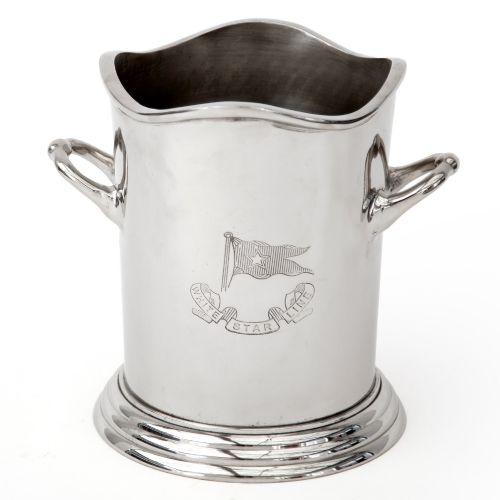
Buyers will encounter various forms ranging from twin-handled coolers and barrel-shaped ice pails to multiple bottle coasters and novelty biscuit boxes. The selection spans the broader Edwardian era alongside adjacent late Victorian and 1920s British periods.
Makers and shipping lines of the era produced these pieces for grand dining settings, marine use, and formal entertaining. The items bridge utility and display, functioning equally well as wine holders or decorative ice buckets.
What varies in quality
The distinction in quality rests upon the substance of the materials and the pedigree of the maker or manufacturer. Pieces bearing recognised marks from established firms such as Christofle or James Dixon and Sons carry notable distinction over unmarked domestic wares.
Construction complexity dictates the hierarchy of these items, separating simple plated pails from elaborate twin-handled coolers with fitted ceramic liners, cut glass inserts, or companion claw tongs. The weight of the metal and the integrity of joined oak and silver elements define the finer examples.
Christofle·Dawson·James Dixon And Sons
The Edwardian Silver Wine Cooler Glossary
- Silver plate
- A thin layer of silver fused to a base metal, commonly utilised to give tableware the appearance and lustre of solid silver without the prohibitive weight and cost. This method dominated the manufacturing of Edwardian dining wares.
- EPNS
- Electroplated nickel silver, a common base metal composition for silver-plated items that provides a sturdy and resilient foundation for plating. It forms the structural core of many barware pieces from this era.
- Creamware
- A refined earthenware developed in the eighteenth century, featuring a pale yellowish-cream glaze. It appears as interior liners within certain oak-staved ice buckets.
- Barware
- Utensils and serving vessels utilised for the preparation and service of drinks at the table or sideboard. This grouping covers ice buckets, wine coolers, and bottle coasters.
- Coaster
- A small tray or stand placed beneath a bottle or decanter to protect table surfaces from condensation and drips. Multiple bottle versions serve larger dining gatherings.
Edwardian Silver Wine Cooler: Frequently Asked Questions
What is the difference between a wine cooler and an ice bucket?
Wine coolers generally feature taller bodies or twin handles specifically shaped to cradle a bottle with water and ice. Ice buckets tend to be deeper pails equipped with tongs and liners for serving ice cubes directly to glasses.
Both categories overlap considerably in period manufacturing, and many surviving pieces served dual functions depending on the needs of the dining room.
How do I clean a silver plated wine cooler?
Maintenance requires gentle washing with warm soapy water and a soft cloth to remove tarnishing agents without stripping the plated surface. Specialised silver dips and harsh abrasive cloths should be avoided to preserve the underlying metal.
For pieces incorporating oak or ceramic liners, keeping the wooden staves dry and washing the inserts separately protects the mixed media construction.
Are these coolers suitable for daily use?
The robust construction of silver plate and EPNS means these vessels remain entirely functional for chilling bottles at modern dinner parties. Oak-staved and metal buckets retain their structural integrity for holding ice and wine.
Careful handling ensures the interior liners and exterior surfaces endure regular entertaining just as they did over a century ago.
How can I tell if a piece is Edwardian?
Dating relies on stylistic clues, maker marks, and associated materials such as oak framing or cut glass inserts typical of the early twentieth century. Pieces often reflect Belle Epoque tastes or late Victorian manufacturing standards.
Documentation or hallmarks stamped by period firms provide the most reliable confirmation of origin and date.