





Silver Metal Wine Cooler
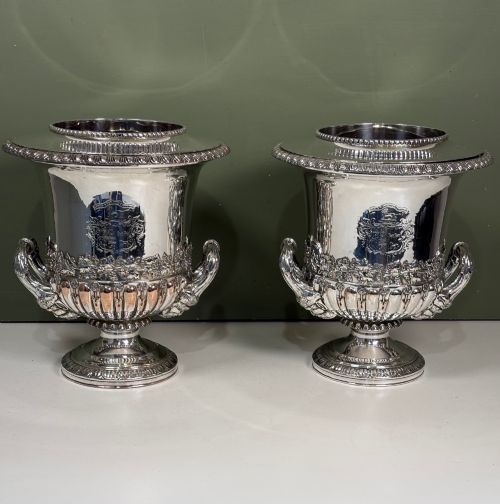
A silver metal wine cooler brings weight and polish to the table, and the pieces here range from nineteenth-century Sheffield plate to mid-century French vessels.
Silver Metal Wine Cooler
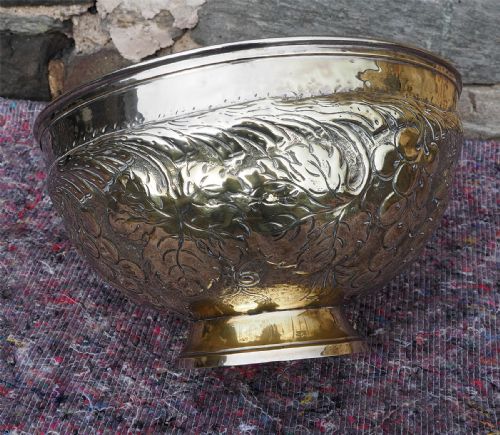
A silver metal wine cooler serves to chill bottles at the table, taking forms such as champagne buckets, ice buckets, and punch bowls. When searching for a silver metal wine cooler, buyers encounter heavy wine coolers and ice buckets designed for hospitality and home entertaining.
The selection includes Victorian vessels alongside French Art Deco designs, with origins spanning Britain, France, and Italy. Pieces appear in styles ranging from Victorian Rococo Revival and Art Nouveau to Mid-Century Traditional and French Bistro.
Production dates stretch from the nineteenth century through the 1950s, capturing shifts in domestic dining habits and barware design. Many examples originate from notable makers and Parisian restaurants, reflecting their utilitarian origins.
What varies in quality
The calibre of a silver metal wine cooler rests upon the weight of the metal, the crispness of embossed details, and the integrity of the plating. Substantial gauge metal and clean junctions between body and handles indicate superior construction.
Attribution to documented designers and firms elevates certain vessels above standard production pieces. The depth of historical detail, such as engraved coats of arms, distinguishes workshop standards.
One pewter champagne bowl arrives directly from a bustling Paris restaurant service.
Christofle·WMF·Elkington·Macabo
The Silver Metal Wine Cooler Glossary
- Sheffield plate
- A composite material made by fusing a thin sheet of silver to a thicker copper base. This early technique produces a characteristic warm tone as the underlying copper occasionally shows through.
- Silver plate
- A layer of silver applied to a base metal substrate through electroplating or older mechanical methods. It provides the appearance of solid silver while utilising more durable or economical core metals.
- Art Deco
- A design style prominent in the 1920s and 1930s characterised by streamlined geometric forms and modernist symmetry. Pieces from this era often feature clean vertical lines and polished chrome finishes.
- Art Nouveau
- An ornamental style popular around 1900 featuring asymmetric organic motifs, whiplash curves, and plant-inspired tendrils. Metalware from this period frequently displays naturalistic floral embossing.
Silver Metal Wine Cooler: Frequently Asked Questions
How do I clean a silver plated wine cooler?
Use a soft cloth and a specialised silver polish designed for plated items to maintain the surface. Avoid abrasive scourers that can wear through the thin silver layer to the base metal beneath.
Gentle washing in warm soapy water removes dust and oils from handling. Dry the piece thoroughly after cleaning to prevent water spots on the metal surface.
Can I use an antique ice bucket for daily dining?
These vessels were built for active hospitality use and handle ice and bottled drinks well. Modern entertaining suits their original function of chilling wine at the table.
Take care to empty melted ice promptly and dry the interior after use. This prevents prolonged moisture contact from tarnishing the interior lining.
How do I distinguish Old Sheffield plate from later electroplate?
Old Sheffield plate reveals a faint copper tinge along cut edges where the fused silver sheet meets the copper core. Electroplated items show a uniform base metal colour beneath any worn areas.
Weight and manufacturing seams also offer clues to the period of production. Fused plate methods produce a distinct heft and construction style typical of the Georgian and early Victorian eras.
What is the difference between a wine cooler and an ice bucket?
Wine coolers tend to be deeper vessels shaped to hold a bottle upright surrounded by ice and water. Ice buckets are often wider and include matching draining spoons or interior strainers.
Many antique examples served multiple functions across barware and dining service. Makers frequently produced versatile forms that accommodated both loose ice and bottled champagne.