
Vintage Silver Clip
These vintage silver clip selections bring together functional fastenings, fasteners and wearable adornments crafted across the Victorian, Edwardian and mid-twentieth-century periods.
Vintage Silver Clip
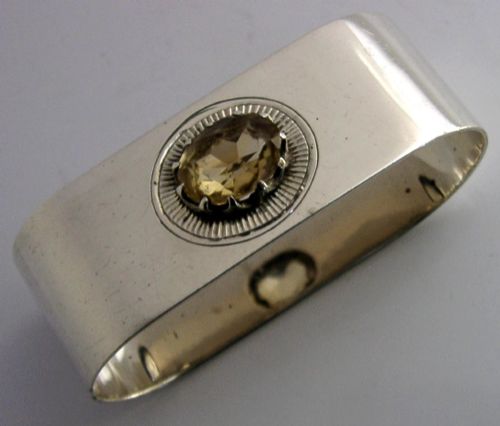
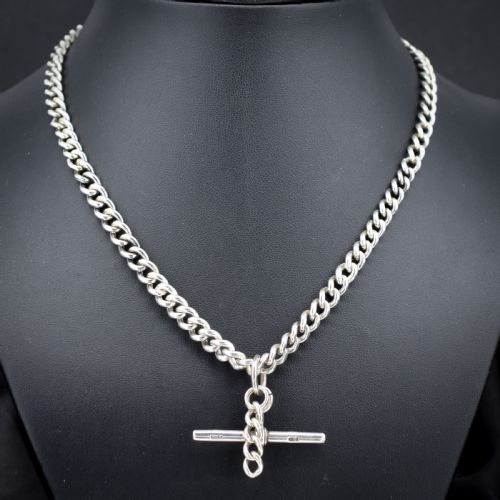
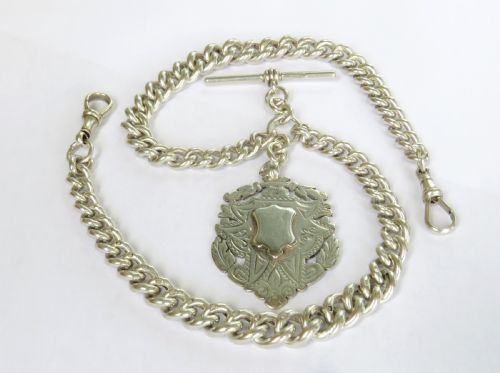
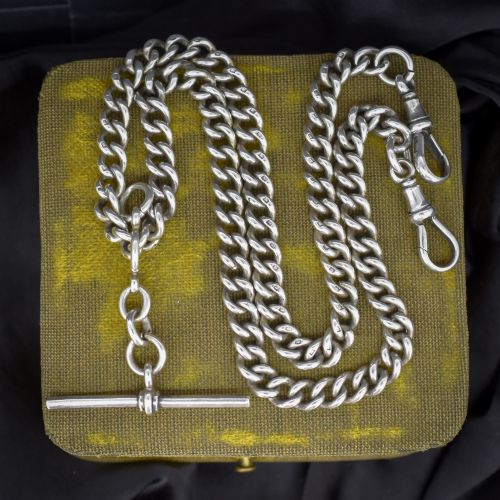
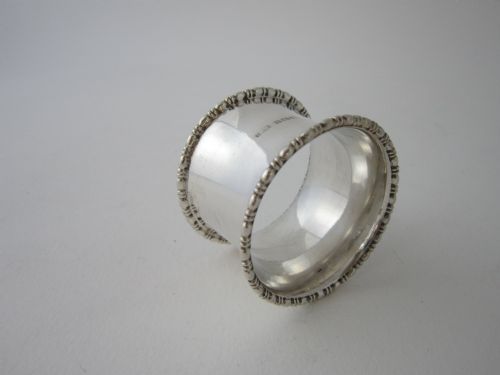
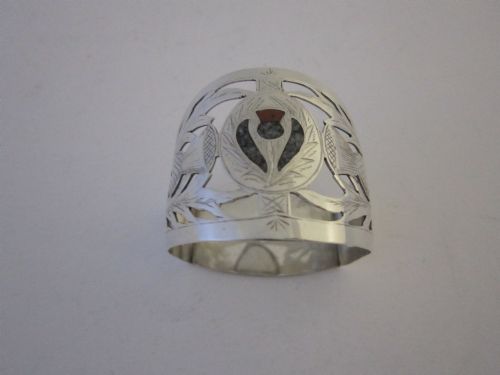
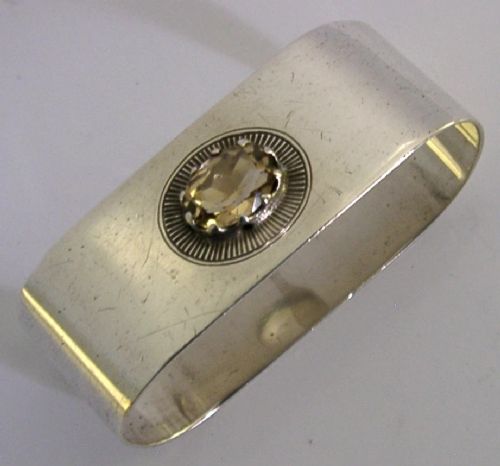
Pocket watch chains fitted with dog clips and curb links form a prominent category alongside table wares such as silver napkin rings, menu holders, and bookmarks. Wearable pieces include earrings with clip-on backs, brooches, and bracelets utilising secure fastenings.
Originating across British and continental European workshops, these items reflect the shifting domestic and personal accessories of the nineteenth and twentieth centuries. The assortment balances utility with decorative craftsmanship across silver, silver gilt, and enamel.
How they were made
Makers utilised sterling silver and silver gilt as foundational metals, frequently pairing them with contrasting materials like enamel, diamonds, paste, tortoise-shell, and gemstones such as citrine and agate. Techniques spanned traditional silversmithing, filigree work, and detailed casting for animal and figural motifs.
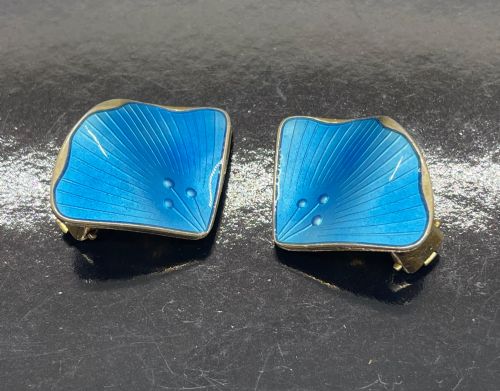
Surface decoration involved intricate hand engraving, enamel application in floral and abstract patterns, and the setting of stones into bezels or cluster mounts. Fastenings and clips required precise spring mechanisms and secure hinges to ensure everyday durability.
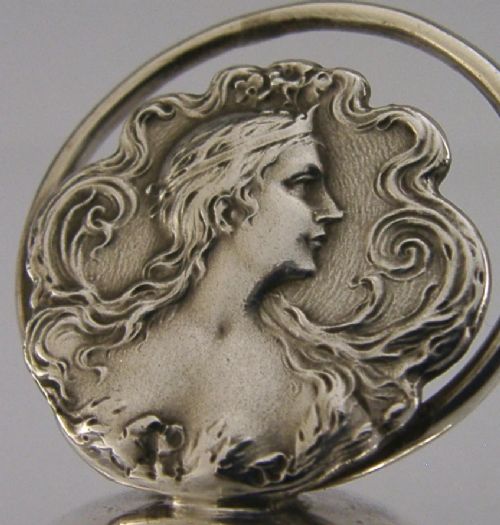
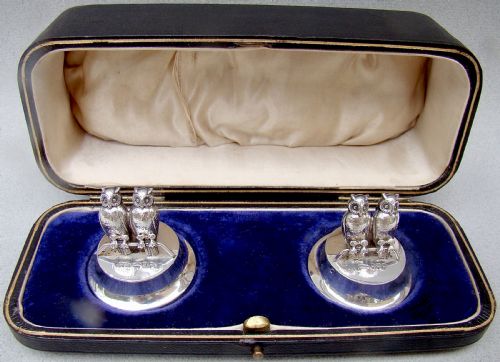
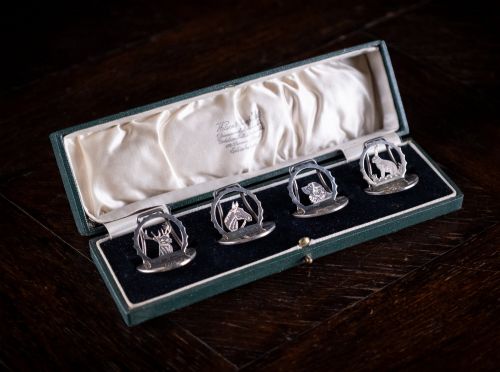
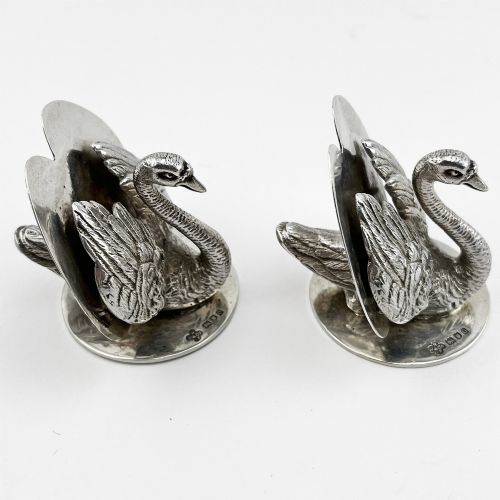
Several items on this page take the form of miniature silver owls, foxes, and swans designed solely to hold dinner menus.
What varies in quality
The standard of a piece rests on the crispness of its casting, particularly in figural menu holders and animal forms, where sharp detail distinguishes superior work from softer impressions. Engraved decoration also demonstrates variance, with deeper, more deliberate hand-cutting elevating the finish.
Material selection and execution drive the upper tier of the range, seen in the quality of translucent enamel work, the matching of gemstones like garnets and diamonds, and the robust mechanical integrity of watch chain dog clips and hinges.
Levi & Salaman·A. Wilcox·Sampson Mordan·Adie & Lovekin·David Andersen·Niels Erik From·Ivar T Holth
The Vintage Silver Clip Glossary
- Dog clip
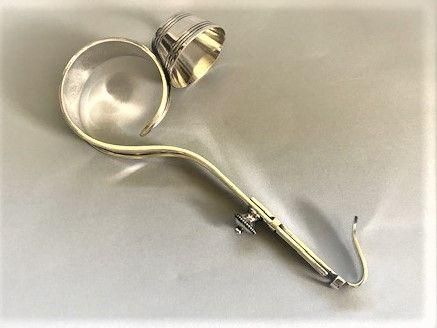
- A spring-loaded swivel fastening commonly found on pocket watch chains and charm bracelets, allowing secure attachment to pocket watches or clothing.
- Silver gilt
- Sterling silver that has been coated with a thin layer of gold, giving it a warm golden appearance while retaining a silver base.
- Menu holder
- A small decorative desk or table accessory designed to hold paper place cards or dinner menus upright, often cast in animal or figural shapes.
- Albert chain
- A pocket watch chain named after Prince Albert, typically worn across the waistcoat and featuring a T-bar at one end and a dog clip at the other.
- Paste
- Hand-cut glass or lead crystal used to imitate gemstones in antique and vintage jewellery, set into silver mounts for sparkle.
Vintage Silver Clip: Frequently Asked Questions
What is a dog clip used for?
A dog clip serves as a secure swivel fastening designed to attach pocket watch chains to waistcoats or garments.
In modern styling, these clips frequently secure antique chains when worn as necklaces.
How do I date a silver menu holder?
Dating relies on British hallmark stamps, which record the assay office, standard mark, and date letter for the specific year of production.
Stylistic cues such as Edwardian naturalism or 1930s geometric forms also provide broad chronological placement.
What is the difference between sterling silver and silver gilt?
Sterling silver consists of an alloy containing 92.5 percent silver by mass, valued for its bright metallic lustre and durability.
Silver gilt shares this exact sterling base but receives an additional micro-layer of gold applied to the exterior.
How were antique clip-on earrings worn?
Clip-on earrings fastened directly to the earlobe through hinged mechanisms or screw backs without requiring pierced ears.
They gained widespread popularity during the mid-twentieth century for their comfort and ease of adjustment.