

Vintage Silver Centrepiece
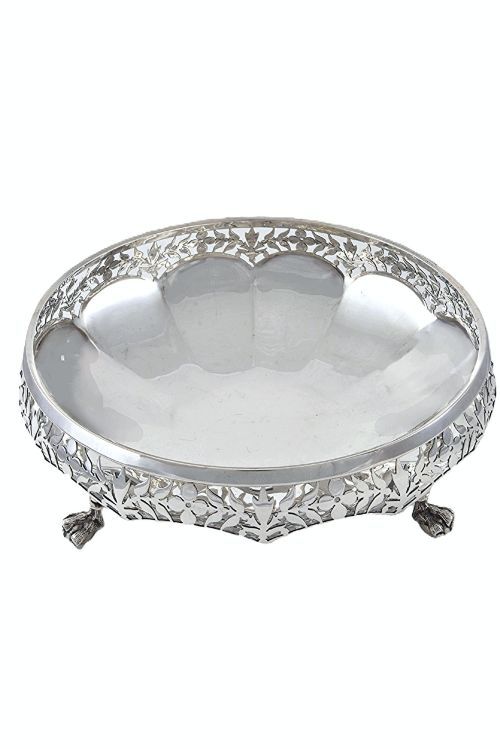
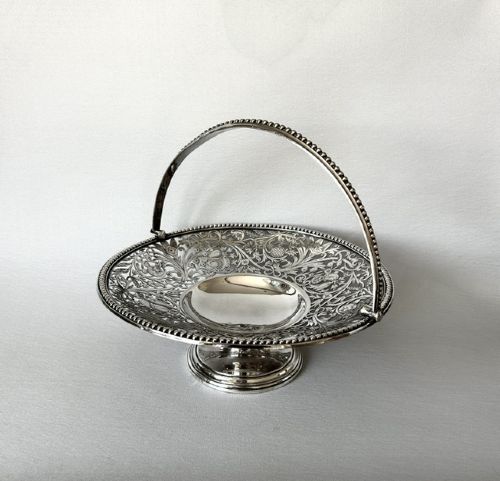
When you search for a vintage silver centrepiece, you are looking at substantial focal arrangements designed to anchor a dining table or sideboard.
Vintage Silver Centrepiece
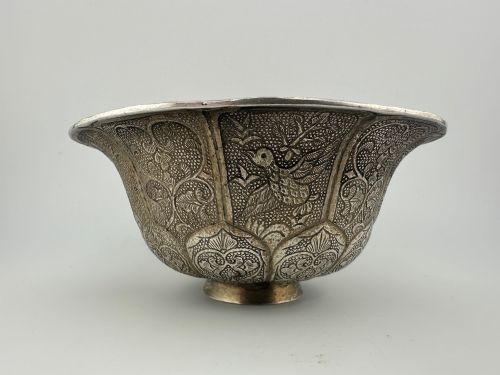
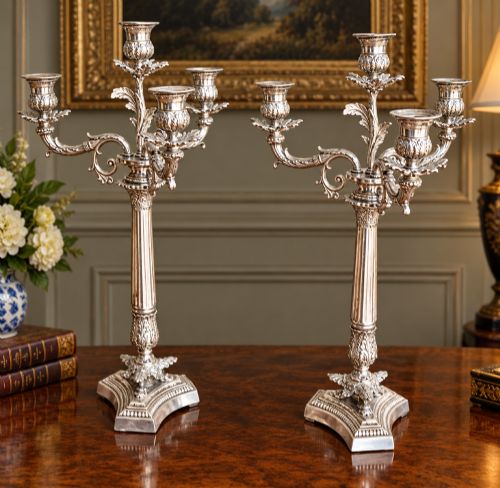
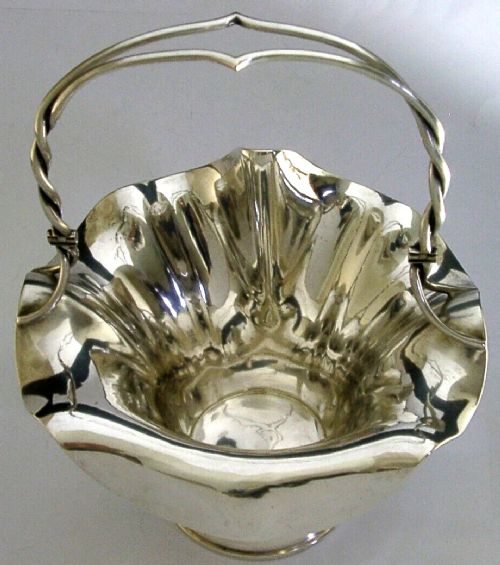
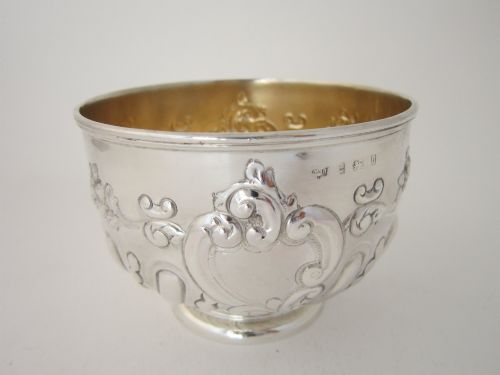
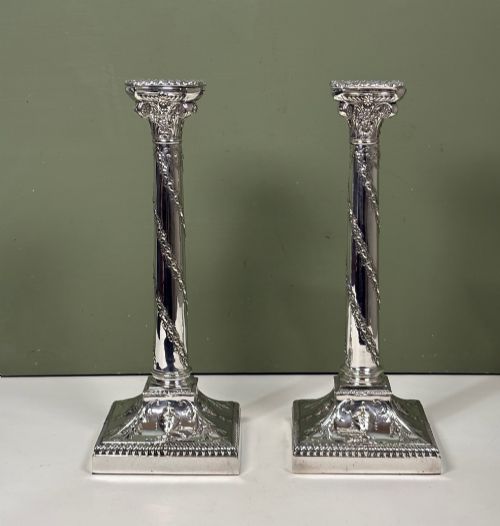
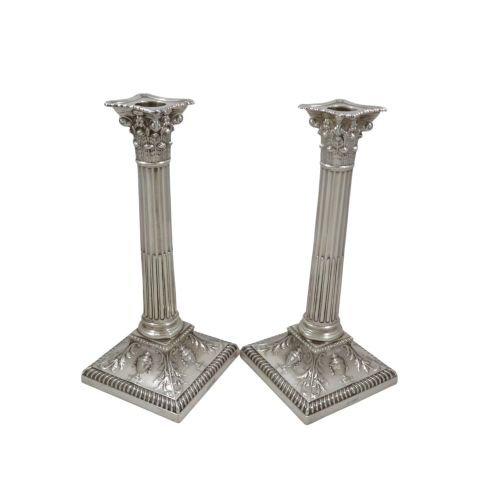
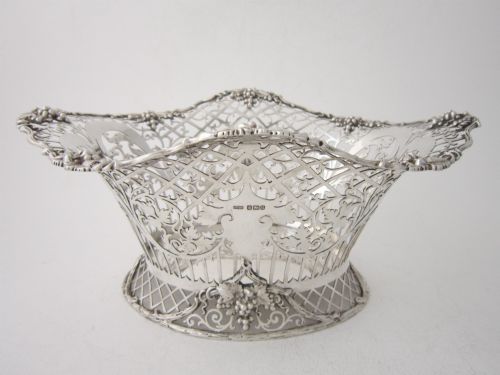
A vintage silver centrepiece primarily takes the form of large decorative bowls, fruit baskets, and multi-branched candelabras or candelabras with associated dishes. These items emerge across the nineteenth and twentieth centuries, spanning periods from Victorian and Edwardian eras through to the mid-twentieth century.
The selections frequently include stylistic revivals such as Rococo Revival, Neoclassical, and Arts and Crafts, alongside the sweeping organic lines of Art Nouveau. Many pieces hail from British makers, though continental European examples and export pieces also appear regularly on the market.
Materials and Technique
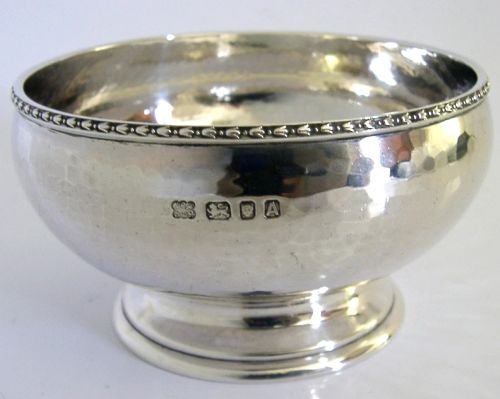
Manufacturing methods rely heavily on sterling silver and various forms of silver plate, including EPNS and Old Sheffield Plate, combined occasionally with cut glass, brass, copper, and white metal. Silversmiths employed techniques such as hand-hammering, planishing, and piercing to shape the metal bodies.
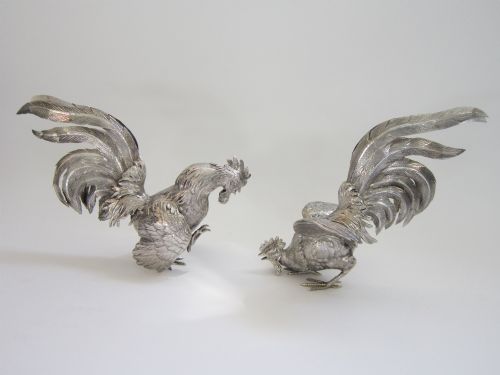
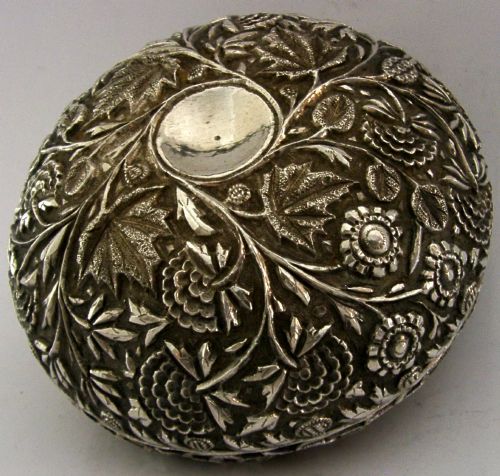
Decorative surfaces often feature cast or chased floral repoussé rims, applied crests, and intricate bird or animal models. Structural components like candelabra branches and heavy bowls demonstrate traditional soldering and joining methods appropriate to each period.
Assessing the Pieces
Quality rests on the integrity of the metalwork, the crispness of chased or repoussé decoration, and the overall weight of the piece relative to its size. Heavier gauge silver and solid sterling items generally indicate higher production standards than lighter plated alternatives.
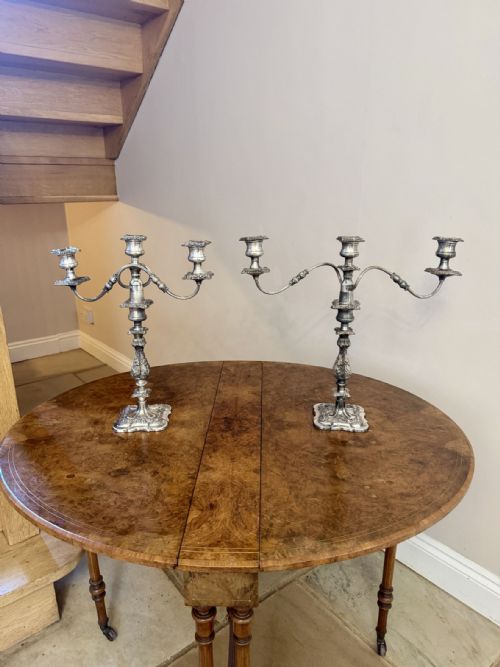
The balance of the design, particularly in multi-light candelabras and large footed baskets, dictates visual success on the table. Maker attribution and the preservation of original surface finishes further distinguish superior examples from standard production items.
Goldsmiths and Silversmiths Company London·Mappin and Webb·John Hunt
The Vintage Silver Centrepiece Glossary
- Repoussé
- A metalworking technique where the artisan hammers the design from the reverse side to form a raised pattern on the front. This method was widely used on Edwardian and Victorian baskets.
- Candelabra
- A branched candlestick holding multiple candles, often designed as part of a larger table centrepiece arrangement. Examples range from two-branch low tables to impressive five-light versions.
- Tazza
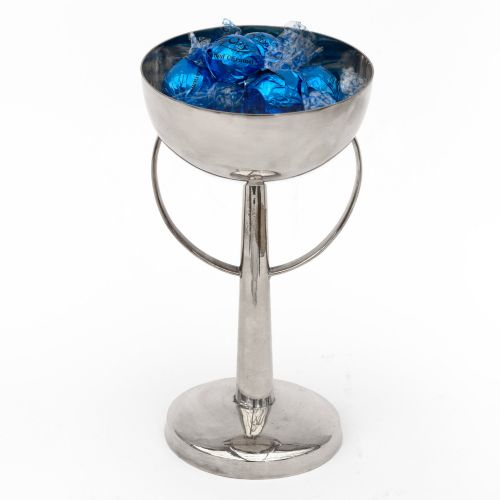
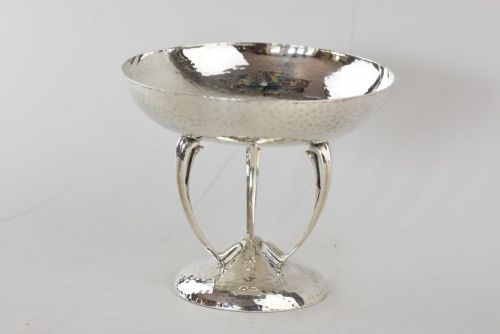
- An Italian term for a shallow bowl or cup mounted on a stem and foot, frequently utilised for fruit or confectionery in Arts and Crafts silver. It serves as a classic table centrepiece form.
- Old Sheffield Plate
- An early form of plating created by fusing a sheet of silver to a copper base before rolling them together into sheets. This technique predates modern electroplating.
- Planished
- A surface finish achieved by hammering metal with a polished round-faced hammer to create subtle, overlapping facets. It is a hallmark of the Arts and Crafts movement.
Vintage Silver Centrepiece: Frequently Asked Questions
What is a vintage silver centrepiece used for?
These large vessels and candelabras served historically as the main decorative focal point on dining tables during formal meals and gatherings.
Today, collectors use them similarly on large dining tables, sideboards, or entrance halls to display fruit, flowers, or simply as standalone decorative statements.
How do I clean a silver plated centrepiece?
Cleaning requires a soft cloth and a proprietary silver polish specifically formulated for plated items, applied gently to avoid wearing through the thin silver layer to the base metal.
Avoid harsh abrasive cleaners and chemical dips, particularly on pieces with cut glass components or detailed repoussé work where paste can lodge in the recesses.
How do I date a silver centrepiece?
Dating relies on identifying official hallmarks stamped into sterling silver pieces, which typically include town marks, date letters, and maker's marks.
For silver plated items lacking full hallmarks, dating is determined by the manufacturing style, weight, mounting techniques, and historical design motifs such as Art Nouveau curves or Neoclassical symmetry.
Can I use silver bowls for food?
Solid sterling silver bowls are generally safe for serving dry foods and fruit, provided they are washed promptly after use with mild soap and warm water.
Silver plated items require more caution if the plating is worn, as acidic foods can react with the exposed base metal underneath.