





Vintage Silk Artwork
These vintage silk artwork pieces are textile and painted creations that bring centuries of global craftsmanship straight to your walls.
Vintage Silk Artwork
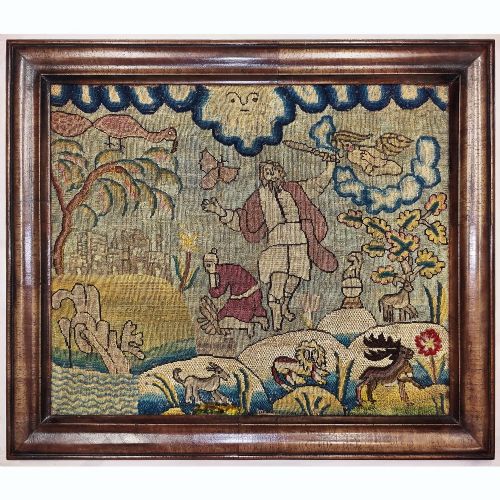
When you search for vintage silk artwork, you encounter a diverse selection of needlework pictures, painted scrolls, and wall hangings spanning from the seventeenth century through to the mid-twentieth century.
The pieces on this page originate from traditional Chinese, Japanese, Indian, and English workshops, reflecting both Asian export traditions and English country house needlework.
You are most likely to meet nineteenth-century Chinese embroideries, Japanese silk paintings featuring birds and animals, and early English needlework pictures.
How They Were Made
Maker utilise fine silk threads, pigment, ink, and wool stitched or painted onto silk, linen, and paper grounds.
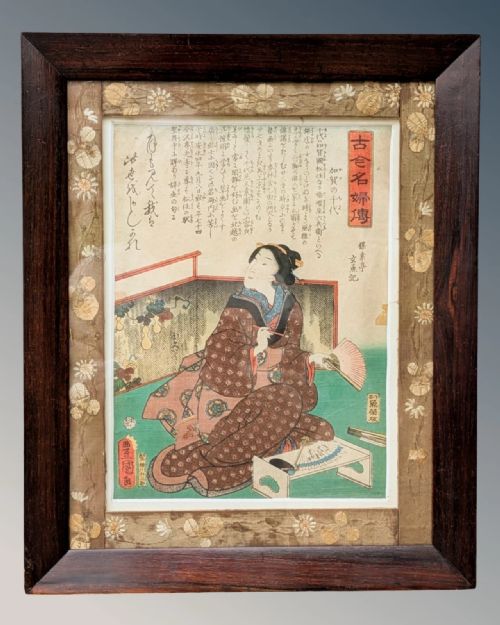
Many works incorporate wood and glass in original frames or rosewood frames with silk brocade mounts to protect the delicate textiles.
Materials across these listings include silk, wood, glass, paper, ink, wool, pigment, and linen.
What Varies in Quality
The distinction between ordinary and exceptional works rests in the precision of the hand embroidery, the clarity of the watercolour or gouache pigment on silk, and the preservation of the original wooden framing.
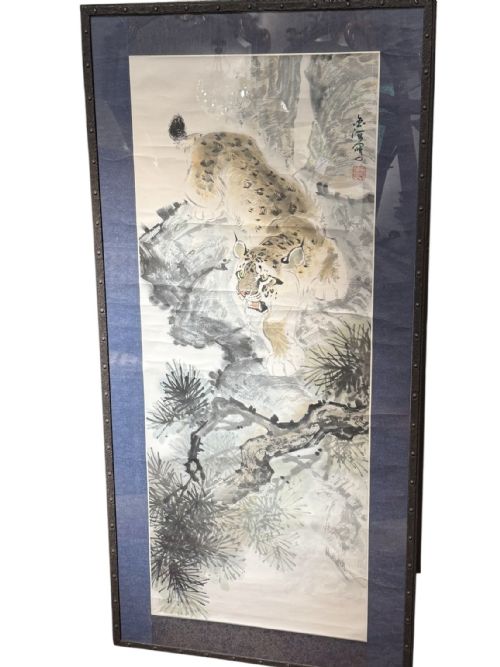
Signed panels and pieces featuring detailed natural subjects, such as mandarin ducks, snow leopards, and garden birds, demonstrate superior compositional skill and artisan mastery.
The Vintage Silk Artwork Glossary
- Shan Shui
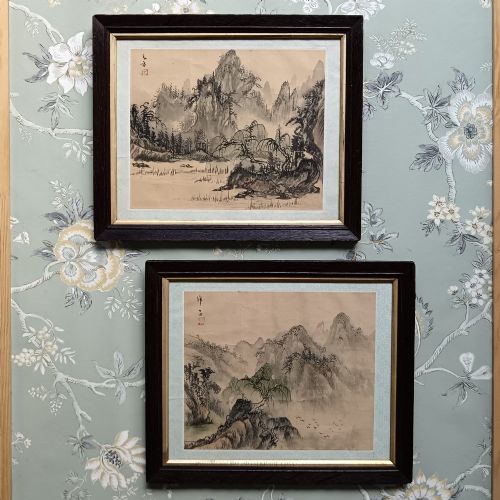
- Traditional Chinese painting style depicting scenery or natural landscapes using brush and ink. These works often appear on silk scrolls.
- Crewel work
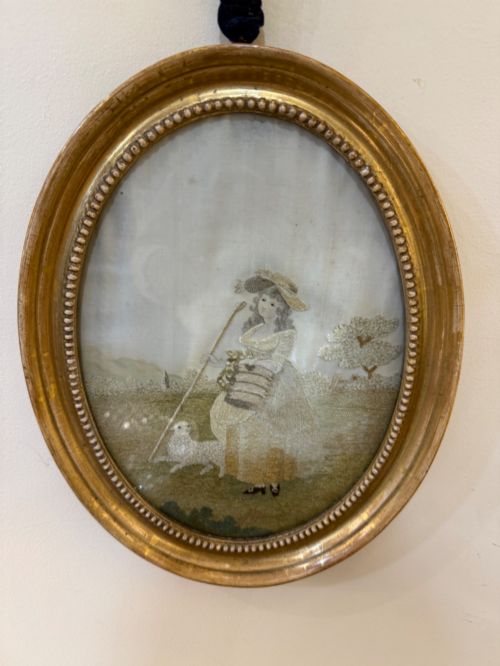
- Type of surface embroidery executed in wool on a linen or silk ground. Early examples display dense floral and figurative motifs.
- Chinoiserie
- European artistic style reflecting Chinese artistic influences. This aesthetic appears across decorative arts and wall art.
- Meiji Period
- Japanese historical era spanning from 1868 to 1912. Works from this period include detailed silk paintings and textile art.
- Berlin silk
- Needlework style popular in the nineteenth century using painted pattern charts. These pieces are typically worked in wool and silk on canvas.
Vintage Silk Artwork: Frequently Asked Questions
How do I hang antique silk art?
Protect delicate silk and textile art from direct sunlight by placing pieces in shaded areas of the room. Use stable wall fixings suited to the weight of original wood frames.
Maintain consistent indoor humidity levels to prevent the natural silk fabric and paper mounts from degrading over time.
How do I date an antique silk painting?
Examine the framing materials, backing paper, and stitching techniques alongside any visible signatures or collector stamps. Seventeenth and eighteenth-century pieces often feature heavier linen supports and distinct needlework styles compared to twentieth-century scrolls.
Compare the pigment application and subject matter against documented Asian and European export traditions from specific periods.
What is Chinese export silk?
Chinese export silk encompasses paintings, embroideries, and wall hangings created in China specifically for Western markets from the nineteenth century onwards. These works frequently combine traditional local motifs with formats tailored for European and British interiors.
Subjects often include garden birds, domestic scenes, and landscapes executed on silk grounds.
Are these works hand painted?
Many listings feature direct hand painting using gouache, watercolour, and ink on silk surfaces. Other examples employ intricate hand embroidery and needlework techniques rather than paint.
Signatures, stamps, and close inspection of the pigment texture help distinguish individual painted strokes from printed reproductions.