



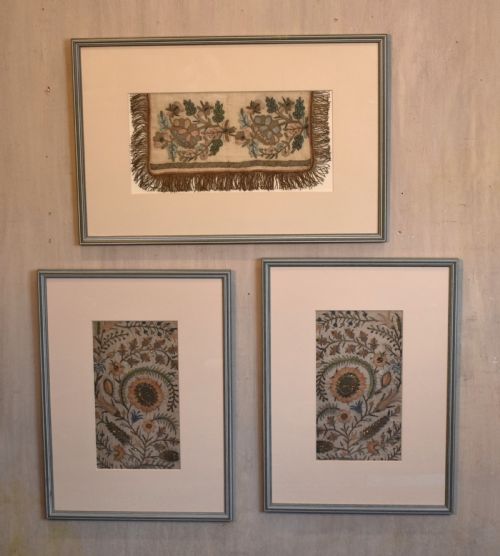


Cream Silk Needlepoint
Cream silk needlepoint pieces are historic needlework panels and framed samplers worked in fine threads, offering a tangible connection to centuries of domestic artistry.
Cream Silk Needlepoint
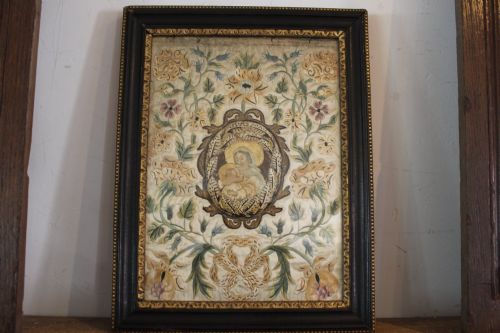
When you search for cream silk needlepoint, you are looking at historical textile art and framed wall pieces, often featuring backgrounds of pale linen or silk. The examples you meet on this page span several centuries, reaching from the seventeenth century through the Georgian era and into nineteen-hundred.
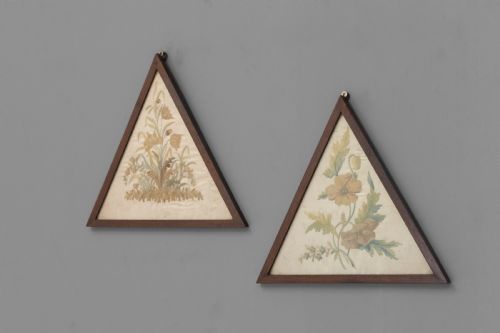
The objects take various forms, including framed textile art, needlework samplers, and embroidered panels. Some items record geography through map samplers, whilst others present Chinese garden birds, mandarin ducks, or Central Asian suzani designs.
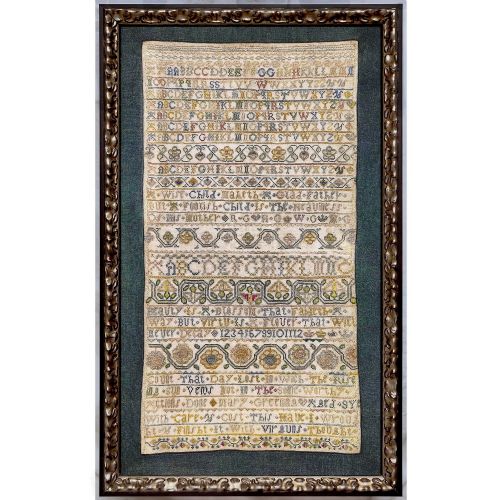
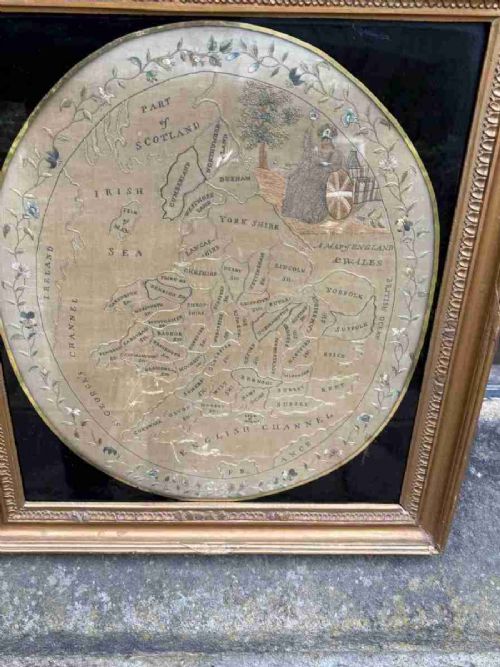
Makers recorded in the evidence range from early needleworkers like Mary Greening and Mary Street Didsbury to Mary Pinfold crafting a map of England and Wales. These works combine historical domestic skill with diverse stylistic influences from English country house traditions to Chinese and Central Asian aesthetics.
How they were made
Makers utilised silk, linen, and cotton as foundational fabrics, working upon them using silk thread and metallic thread. These grounds provide the pale, neutral canvas characteristic of the group.
Needlework artists executed intricate stitches by hand to form detailed pictorial and cartographic scenes. Finished panels frequently received traditional mounting behind glass, sometimes set within wood or giltwood frames to preserve the delicate threads.
Current listings feature materials including silk, glass, wood, linen, cotton, and metallic thread across objects dated from the seventeenth century to nineteen-hundred.
What varies in quality
The execution of the needlework creates the primary distinction between simpler domestic exercises and accomplished works of art. Finer examples display meticulous stitch control and sophisticated composition, particularly visible in complex map samplers and detailed bird motifs.
The survival of the original materials dictates the standing of a piece. Works retaining bright silk threads and intact wooden or giltwood frames preserve their visual impact more fully than those showing heavy degradation.
The Cream Silk Needlepoint Glossary
- Band sampler
- A narrow strip of linen or silk worked with various repeating embroidery stitches and patterns. These pieces served as reference libraries of technique for historical makers.
- Map sampler
- A specialised needlework panel depicting a geographical region, such as England and Wales. Young makers stitched these to demonstrate both needle proficiency and academic learning.
- Suzani
- A large, embroidered tribal textile originating from Central Asia. These works typically feature vibrant decorative motifs worked upon a foundation fabric.
- Giltwood
- Wood that has been coated with a thin layer of gold leaf or gilt powder. This material frequently frames antique wall art and embroidered panels.
- Needlework
- The broad craft of decorative sewing and textile creation using a needle. It encompasses samplers, embroidered panels, and framed wall art.
Cream Silk Needlepoint: Frequently Asked Questions
What is cream silk needlepoint?
Cream silk needlepoint encompasses historical embroidered panels, framed textile art, and samplers worked on pale grounds.
These pieces utilise silk, linen, and cotton threads to create detailed maps, birds, and decorative patterns.
How were old samplers used?
Makers originally created samplers to practice stitches, record patterns, or demonstrate geographical and domestic education.
Over time, completed works were framed and displayed as wall art within homes.
How do I date these textiles?
Dating relies on stylistic clues, materials, and inscribed details like maker names and years.
Needlework styles shifted from seventeenth-century Stuart designs through Georgian map samplers to later nineteenth-century panels.
How do I care for antique needlework?
Protect antique textiles by avoiding direct sunlight, which fades delicate silk and metallic threads.
Keep framed pieces in stable environments away from high humidity to preserve the fabric grounds.