


Regency Needlework Panel
These pieces of regency needlework panel bring tactile history into a room through stitched silk, wool, and linen framed in mahogany, rosewood, and goncalo alves.
Regency Needlework Panel
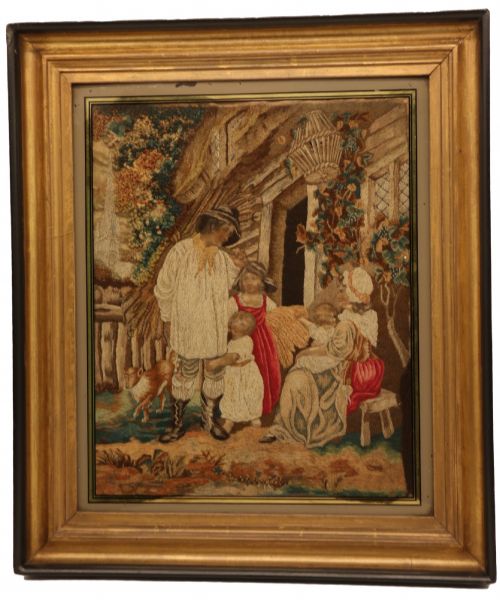
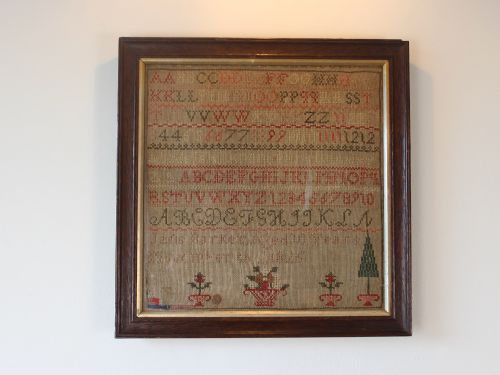
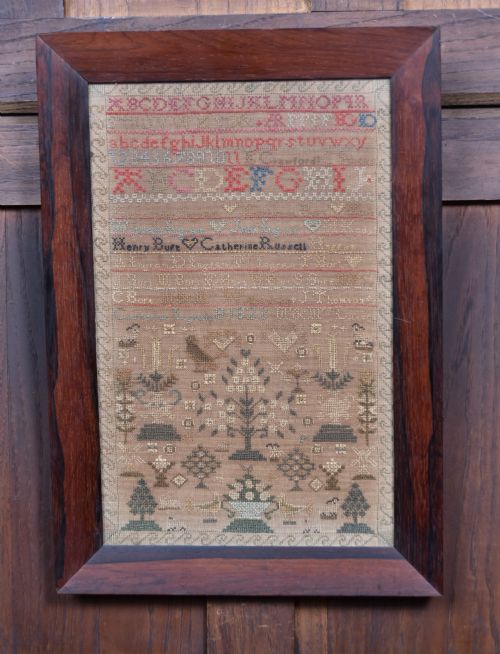
A regency needlework panel takes many forms across this selection, appearing as framed silkwork pictures, wall art, samplers, and embroidery alongside functional room dividers, privacy screens, and pole screens. These textiles emerge from the nineteenth century, spanning periods noted as Georgian, Regency, and Grand Regency.
The subjects stitched onto linen and silk include pictorial scenes such as Jack and the Beanstalk, alphabets, educational samplers by makers like Sarah Baker, Martha Hall, and Eleanor Grady, and decorative crewel work. Such works capture the domestic pursuits and educational standards of the era.
Buyers are most likely to encounter framed needlework pictures and samplers alongside wooden screens designed for fireside placement or room division. These items bridge textile art and furniture, combining functional timber framing with intricate hand-stitched surfaces.
How they were made
Materials combine textiles and timber, utilising silk, wool, linen, and hand-painted elements set into frames of mahogany, rosewood, goncalo alves, and wood with glass and brass elements. Gold leaf occasionally accents the surrounding woodwork to elevate the presentation.
Techniques rely on careful hand-stitching, incorporating crewel work, needlepoint, and embroidery alongside hand-painted silk details. Artisans mounted these textiles onto backing fabrics or stretched them within protective wooden frames and pole screens.
Eleanor Grady and Sarah Baker left their youthful needlework patience behind on linen, immortalising their stitching skills for centuries of curious onlookers.
What varies in quality
Quality rests in the precision of the stitching and the complexity of the pictorial or alphabetic composition. Finely rendered figures, detailed silkwork, and well-preserved textiles set finer examples apart from simpler exercises.
The surrounding woodwork influences the overall calibre, distinguishing plain timber frames from substantial mahogany, rosewood, or goncalo alves screen structures fitted with brass or glass.
The Regency Needlework Panel Glossary
- Needlework
- General term for decorative work done with a needle, including embroidery and canvas work. It forms the primary decorative surface of these panels.
- Sampler
- A piece of cloth featuring rows of alphabets, numbers, and motifs, worked by individuals to demonstrate stitching skill. Many bear names and dates from the early nineteenth century.
- Pole Screen
- A vertical wooden stand with an adjustable sliding panel designed to shield a person's face from the radiant heat of a fire. The panel typically contains needlework.
- Crewel Work
- Embroidery executed in wool yarn using a variety of stitches on a heavy linen or twill ground. It provides texture and depth to historical textile art.
Regency Needlework Panel: Frequently Asked Questions
How do I date a needlework panel?
Dating relies on stylistic clues in the costume, lettering styles on samplers, and the timber of the surrounding frame. Many pieces also carry direct inscriptions with names and years.
Examining the reverse of the frame and the type of backing materials provides further context regarding the manufacturing period.
Were fire screens used for warmth?
Fire screens were positioned between seated occupants and open hearths to block intense heat and protect complex complexions from scorching. They also shielded wax candles and cosmetics from melting.
The adjustable needlework panel allowed the user to control the height of the shield relative to the fire.
How should I display antique embroidery?
Keep textile panels away from direct sunlight to prevent silk and wool threads from fading and becoming brittle over time. Maintaining stable room humidity protects the organic fibres and wooden frames.
Hanging pieces behind protective glass or placing pole screens in low-traffic areas helps preserve the fragile stitching.
What is the difference between a sampler and a picture?
A sampler primarily displays alphabets, numbers, and practice stitches executed to record a maker's proficiency. These often include educational verses or genealogical records.
A picture depicts a narrative scene, landscape, or figure composition, functioning purely as decorative art rather than a technical exercise.