

Vintage Embroidered Panel
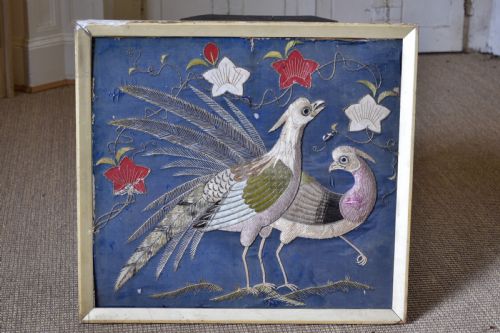
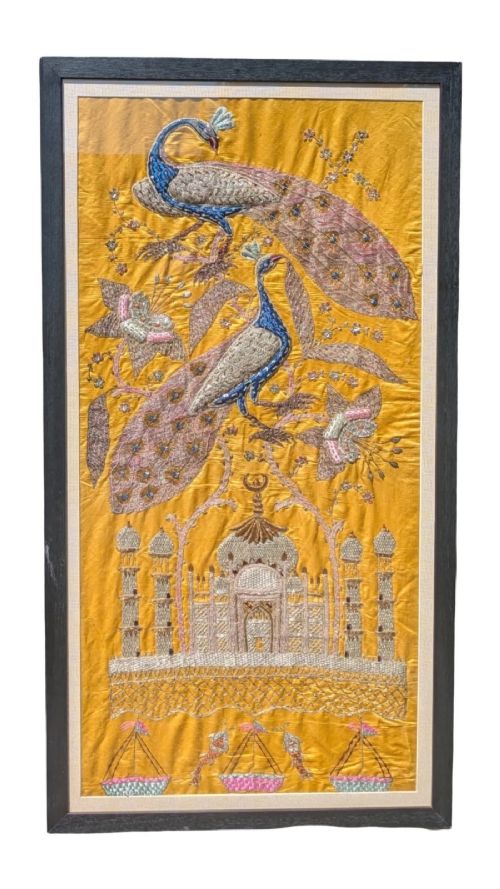
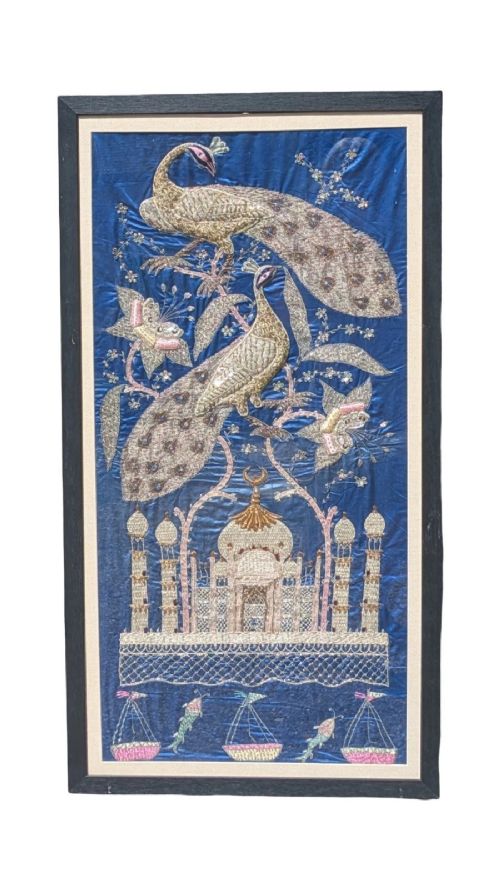
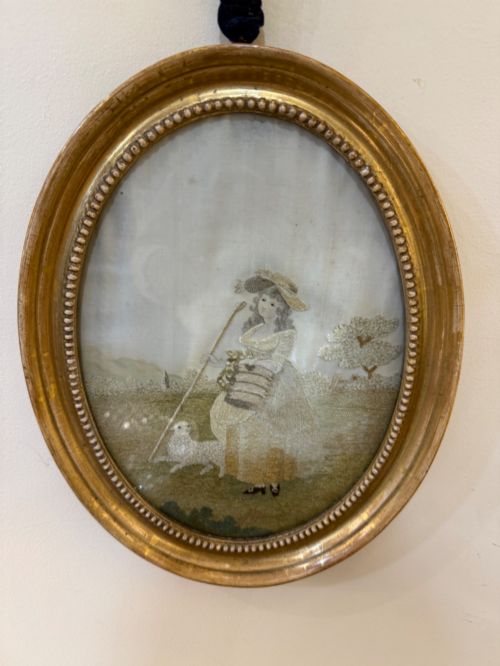
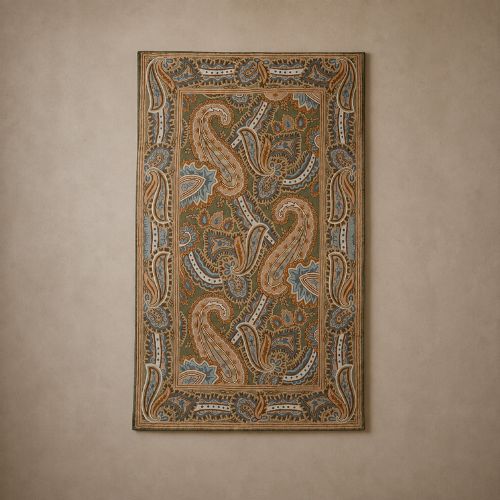
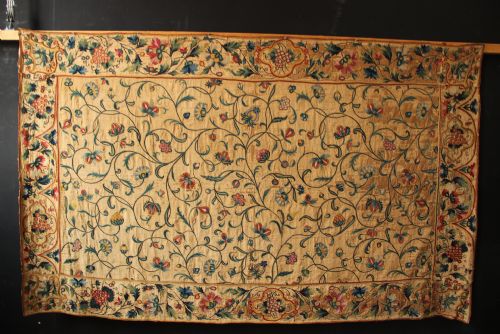
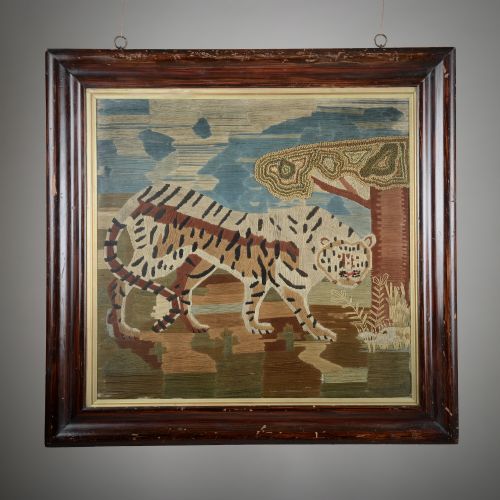
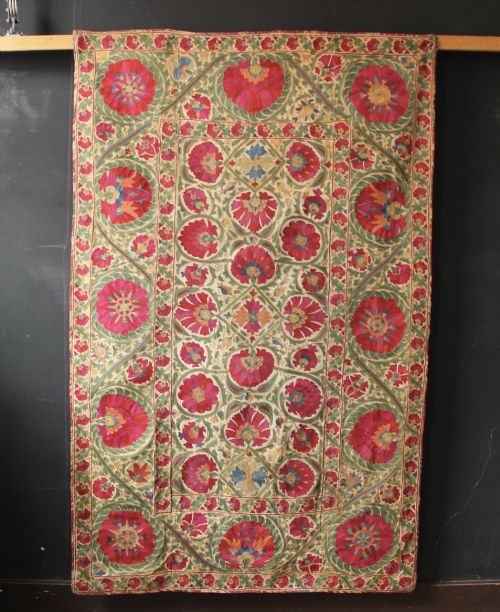
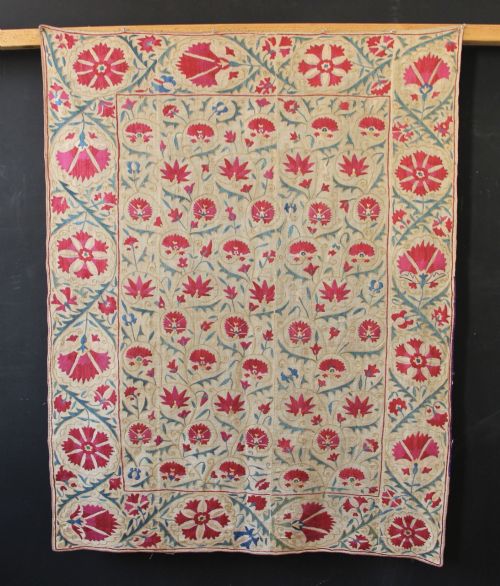
A vintage embroidered panel brings tactile depth and historic narrative to a room, ranging from Central Asian tribal dowry hangings to English crewelwork.
Vintage Embroidered Panel
A vintage embroidered panel encompasses textiles designed for walls, screens, and furniture, spanning centuries of global needlework traditions.
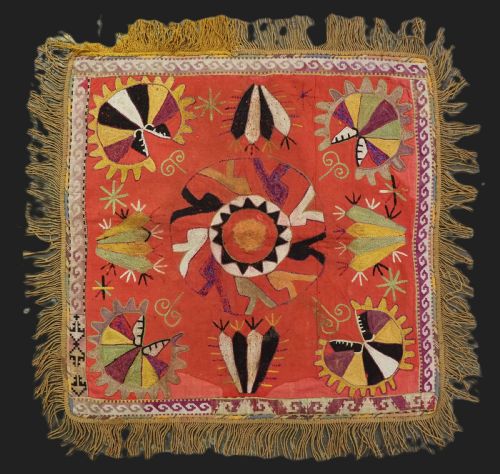
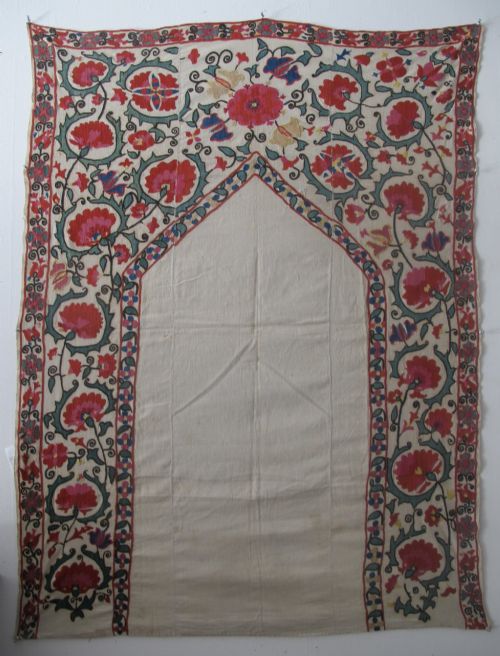
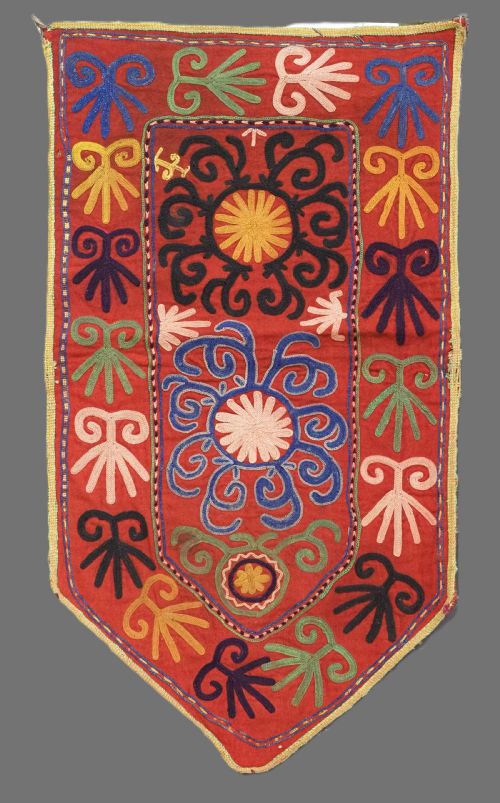
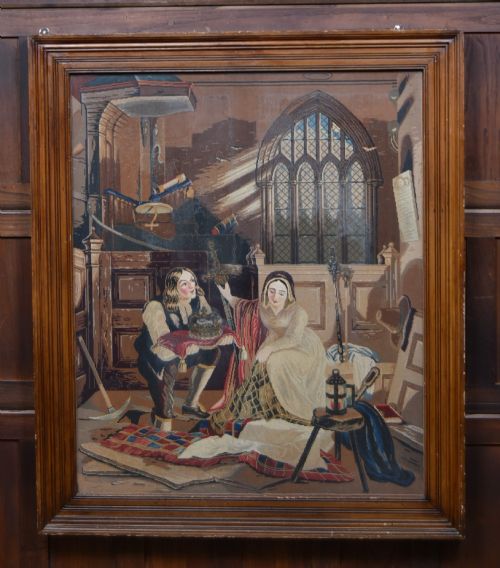
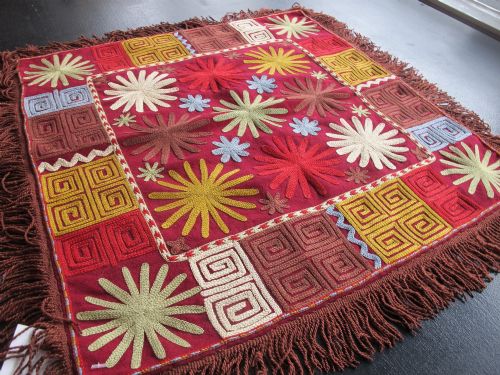
The selections here most frequently include Central Asian Suzanis and Lakai tribal ilgiches alongside English crewelwork and European needlepoint fragments.
Makers utilised silk, wool, and cotton on various grounds to create pictorial scenes, geometric motifs, and architectural designs intended for domestic display.
How they were made
Artisans worked with silk and metallic threads on silk, cotton, or wool grounds, employing stitches that created dense surface textures.
Crewelwork panels utilised wool yarns on linen or canvas foundations, while traditional Central Asian pieces combined silk embroidery on mogul red wool or silk fabrics.
Stitchers occasionally included hidden asymmetrical motifs or whimsical animals, ensuring no two tribal dowry hangings were ever identical.
What varies in quality
The distinction rests in the precision of the needlework and the complexity of the design, from simple folky stitched samplers to intricate architectural Suzanis.
Materials dictate the calibre of the piece, with fine silk on silk examples and early English crewelwork representing the upper tier of execution.
The Vintage Embroidered Panel Glossary
- Suzani
- An embroidered tribal hanging originating from Uzbekistan and surrounding regions, traditionally worked in silk on a cotton or linen ground.
- Ilgich
- A Central Asian dowry embroidery piece, often produced by Lakai tribes for wall hanging or domestic decoration.
- Crewelwork
- Embroidery executed with wool yarn on a heavy fabric foundation, frequently seen in English textile panels from the seventeenth century onward.
- Sampler
- A piece of needlework demonstrating a maker's proficiency in various stitches and patterns, often including alphabets or pictorial motifs.
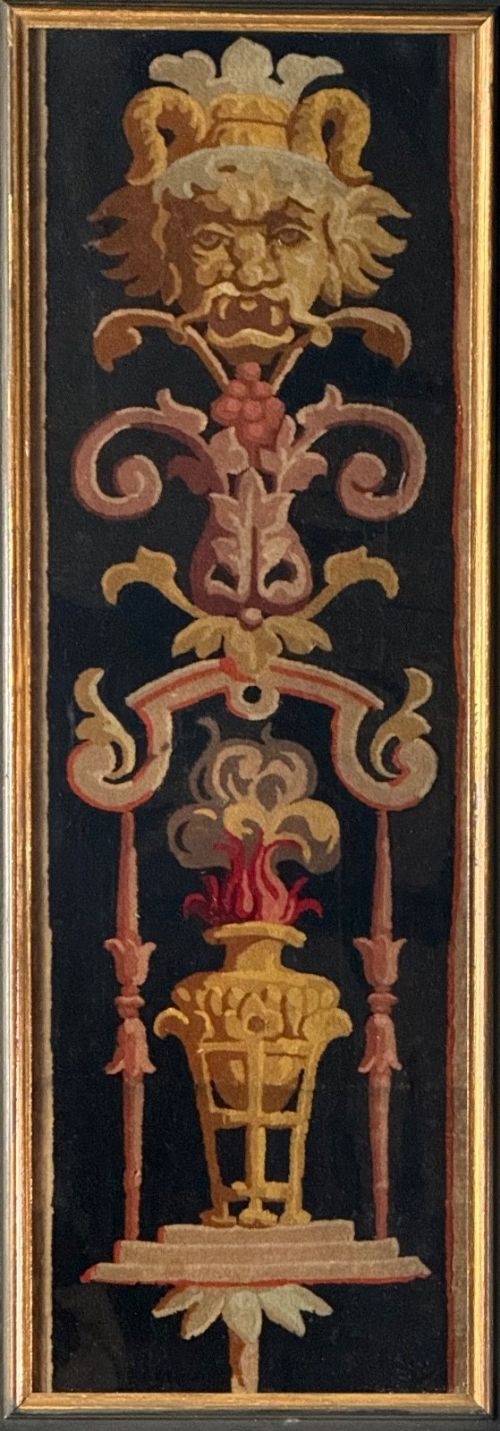
- Gros-point
- A type of needlepoint embroidery worked on canvas using a coarse cross stitch to create durable pictorial panels.
Vintage Embroidered Panel: Frequently Asked Questions
How do I hang a textile panel?
Mounting heavy textiles typically requires professional conservation framing behind glass or a fabric sleeve sewn to the reverse to slide over a flat wooden batten.
Avoid direct nails or pins through the fabric itself, as the weight can tear the historical ground material over time.
Are these panels suitable for daily use?
Most textile panels function best as wall art or decorative inserts in fire screens and room dividers rather than high-traffic upholstery.
Keeping them away from direct sunlight protects fragile silk and wool threads from fading and becoming brittle.
How do I clean an antique embroidery?
Surface dust can be gently removed using a low-suction vacuum with a mesh screen barrier protecting the delicate stitches.
Water and chemical solvents should be avoided entirely unless handled by a professional textile conservator.
How do I date an embroidered panel?
Dating relies on identifying the specific materials, dye types, and regional stitching techniques characteristic of periods like the seventeenth century or circa 1900.
Comparing motifs such as architectural Suzani designs or tribal Lakai patterns against known regional archives helps narrow the era of production.