





Chinoiserie Wall Decor
Chinoiserie wall decor brings imaginative European visions of Asian artistry into rooms through mirrors, panels and painted plaques.
Chinoiserie Wall Decor
Chinoiserie wall decor encompasses a diverse range of objects designed to hang upon interior surfaces, drawing upon European interpretations of Chinese and East Asian motifs. Pieces answering to this description include framed wall art, mirrors, decorative plates, wall panels, barometers and plaques. These items reflect stylistic revivals and adaptations spanning multiple centuries.
The selection on offer spans several distinct periods, most notably the eighteenth and nineteenth centuries, alongside Edwardian and early twentieth-century examples. Forms range from structural wooden mirrors and lacquered panels to delicate Dutch Delft earthenware plates and embroidered textiles. Buyers encounter both substantial furnishings and smaller decorative accents suited to varied interior schemes.
Materials and construction methods
Construction relies heavily on traditional woodwork, utilising timber foundations for mirrors, cabinets and carved frames. Lacquered wood and applied lacquer finishes appear frequently, providing smooth dark surfaces that accept metallic leaf and painted details. Artisans incorporated glass for mirrors and reverse paintings, alongside brass hardware and specialised pigments.
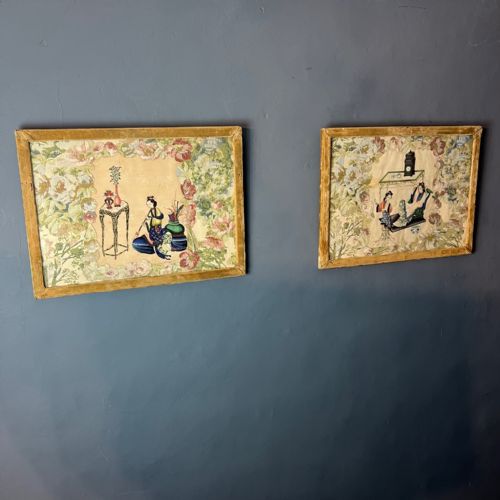
Decoration often involves applied gold leaf, hand-painting, and specialised surface treatments such as papier-mâché or faux bamboo carving. Textile works utilise fine embroidery techniques on canvas or fabric grounds, while ceramic elements like Delft plates employ traditional glazing and polychrome pigment application.
Chinoiserie Wall Decor Retail Price Guide 2026
Typical asking prices for chinoiserie wall decor among the pieces listed under this phrase on Sellingantiques today, from the lower quarter to the upper quarter. They describe what is for sale here now, not the wider market.
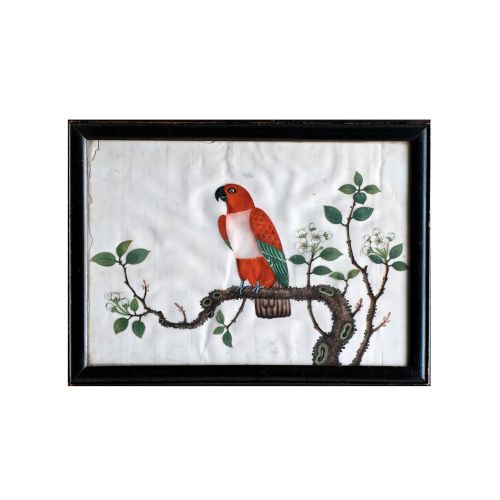
Mandarin ducks and garden birds occasionally peek out from antique embroideries, bringing avian charm directly onto the parlour wall.
Assessing quality in decorative pieces
Quality rests upon the execution of the surface decoration, the depth of the lacquer or paint layers, and the fidelity of the carved details. Finer examples display crisp gilt work, well-preserved pigment, and sophisticated hand-rendered scenes that retain their clarity over centuries. Lesser pieces show simpler repetitive motifs or crude execution in naive styles.
The structural integrity of the underlying material, whether wood, glass or papier-mâché, dictates longevity and resilience. Superior pieces integrate the decorative scheme harmoniously with the physical form, such as carved frames complementing the painted panels they enclose.
The Chinoiserie Wall Decor Glossary
- Chinoiserie
- European artistic style reflecting Chinese and East Asian motifs. It appeared across furniture, porcelain and wall treatments.
- Lacquer
- A durable resin finish applied in multiple layers to wood or papier-mâché. It creates a hard, glossy surface suited to gilt decoration.
- Reverse painting on glass
- A technique where an image is painted directly onto the back of a glass sheet and viewed from the front.
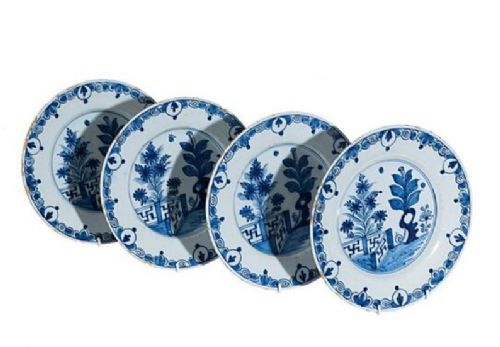
- Delft
- Tin-glazed earthenware originating in the Netherlands. It often mimics Chinese blue and white porcelain designs.
- Aneroid barometer
- A portable meteorological instrument measuring atmospheric pressure without liquid. In these listings, they appear housed in decorative cases.
Chinoiserie Wall Decor: Frequently Asked Questions
What periods do these pieces come from?
The pieces span from the eighteenth century through the nineteenth century and into the early twentieth century. Examples include Edwardian creations and items bearing specific dates.
Such a broad span means buyers encounter both genuine antique works and later revival pieces. Each era brought distinct interpretations of the aesthetic.
How were these items used originally?
These items functioned as decorative enhancements for domestic interiors, serving to brighten rooms and display refined taste. Mirrors bounced light around parlours while painted panels and plaques adorned walls.
Items like barometers combined practical utility with ornamental design. Embroideries and plates added rich texture and colour to formal spaces.
Where should I hang a wall panel?
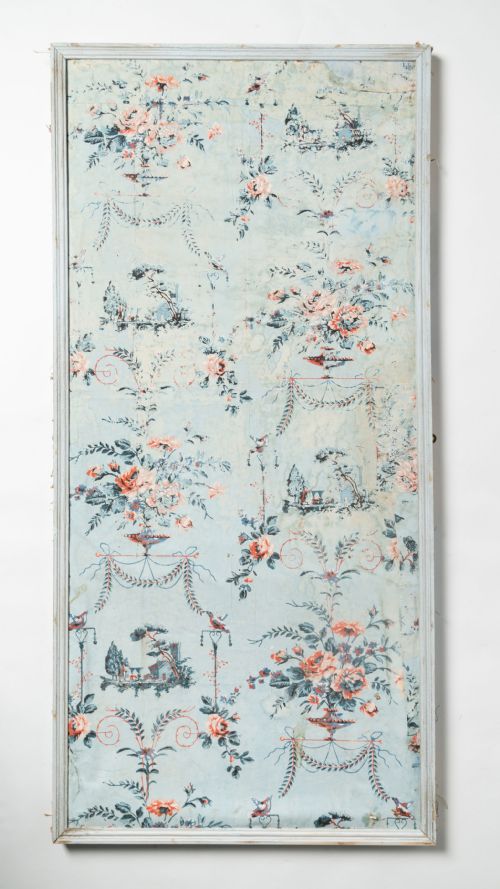
Wall panels suit prominent interior positions where their painted or lacquered surfaces can be appreciated fully. They require stable wall spaces away from excessive moisture.
Pairing matching panels or hanging them alongside complementary mirrors creates a balanced visual arrangement. Scale remains the primary consideration for placement.
How do I care for lacquered wood?
Lacquered surfaces benefit from gentle dusting with a soft, dry cloth to prevent abrasive particle buildup. Avoid chemical cleaners and direct sunlight, which can damage delicate finishes.
Maintaining stable indoor humidity helps protect the underlying wooden structure and prevents the lacquer from cracking. Professional conservation is advisable for significant antique items.
What defines an aneroid barometer?
An aneroid barometer measures atmospheric pressure using a small, flexible metal box rather than mercury or liquid. This mechanical design allowed makers to house the instrument in ornate decorative frames.
In this category, barometers double as striking wall ornaments with maroon or lacquered housings. They represent the intersection of scientific utility and decorative art.