


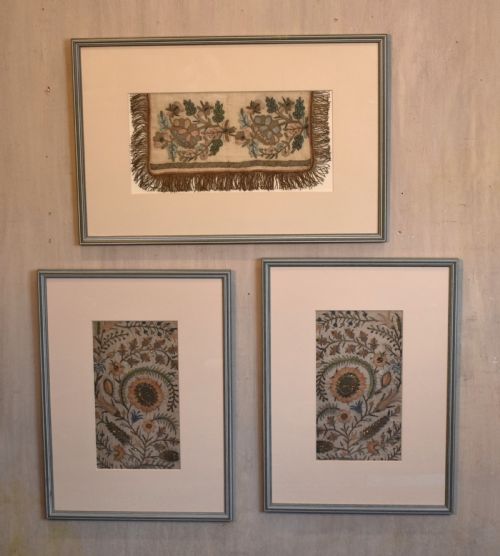


Botanical Silk Embroidery
Botanical silk embroidery pieces bring needlework and natural motifs together in framed artworks, panels and covers that enrich a room.
Botanical Silk Embroidery
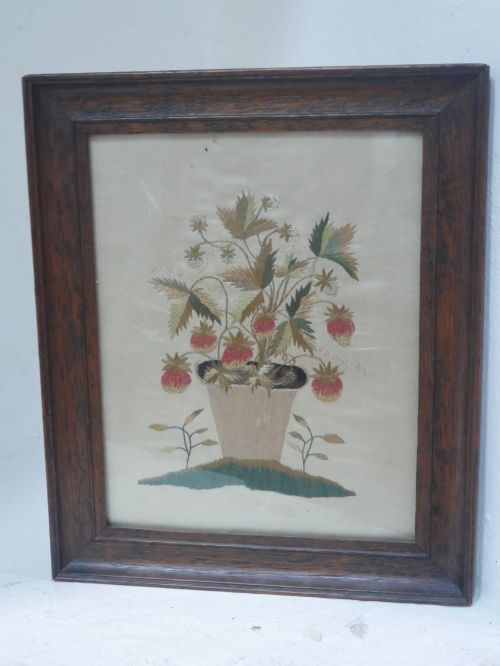
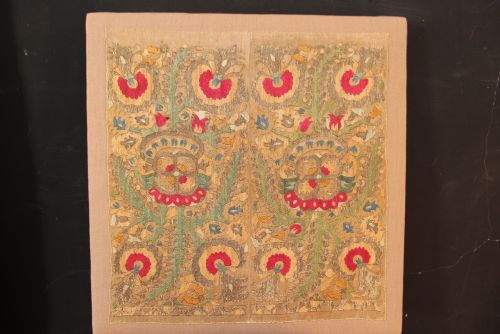
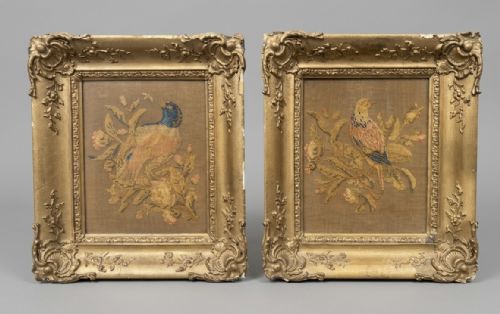
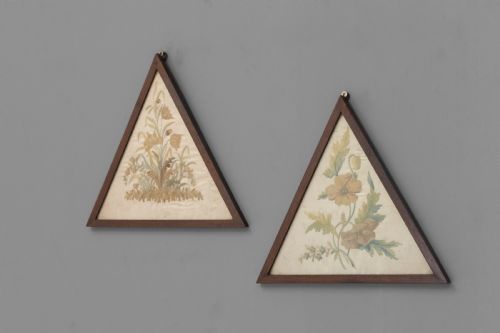
Botanical silk embroidery encompasses framed needlework pictures, textile panels and large bed covers spanning the eighteenth century to the early twentieth century. Examples range from English needlework pictures of strawberries to Central Asian Suzani embroideries and Chinese garden birds.
The most likely version to meet on this page is the framed Victorian botanical piece or eighteenth-century needlework picture, alongside larger embroidered panels from Central Asian traditions. These works display diverse cultural origins, including English country house pieces, Greek folk art, and Chinese textile art.
Makers and artisans created these objects for interior display and domestic use, utilising wood frames, glass protection and diverse backing textiles. The forms vary from intimate octagonal gilt wood frames to large wall art panels.
How they were made
Needleworkers employed fine silk threads alongside wool, linen, cotton and metallic thread to build detailed botanical and avian motifs. Stitching was applied directly to textile grounds, often mounted within wooden frames and protected behind glass.
Frames themselves varied from simple mouldings to gilt wood and octagonal surrounds, complementing the textile panels they enclosed. Larger Central Asian Suzani pieces involved silk on silk construction and extensive hand needlework across expansive formats.
Stitched botanical records of strawberries and garden birds let eighteenth-century needleworkers tend perennial gardens indoors.
What varies in quality
The density and precision of the stitchwork separate finer examples from simpler vernacular pieces, with master needlework showing subtle tonal gradation in the silk threads. Compositional balance within botanical and bird subjects also distinguishes superior works from standard domestic items.
The survival and originality of the mounting play a role in overall quality, particularly where original gilt wood frames or glass are retained. Condition of the silk fibres and textile grounds determines the visual integrity of each panel.
The Botanical Silk Embroidery Glossary
- Suzani
- A large, embroidered Central Asian tribal hanging or bed cover, traditionally worked in silk on silk or cotton grounds. These pieces often display bold floral and botanical motifs.
- Needlework picture
- A framed textile artwork created with a needle and various threads, popular in eighteenth and nineteenth-century English interiors. They frequently depict natural scenes, birds or floral arrangements.
- Gilt wood
- Wood that has been covered with a thin layer of gold leaf or gilt paint, commonly used for framing antique mirrors and textile art.
- End panel
- A decorative section of a larger textile, such as a hand towel end from Greek folk traditions, preserved for its intricate embroidery.
- Metallic thread
- Flat or twisted metal wire, often silver or gilt, used alongside silk in embroidery to add reflective highlights and texture to the design.
Botanical Silk Embroidery: Frequently Asked Questions
How should I hang antique silk embroidery?
Protect silk embroideries from direct sunlight by placing them away from windows, as ultraviolet light fades delicate threads over time. Use stable wall fixings and ensure glazed frames are properly sealed against dust.
Maintain stable room humidity to prevent degradation of the silk textiles and wooden framing elements.
What is a Suzani embroidery?
A Suzani is a large decorative textile piece originating from Central Asia, worked by hand in silk threads on linen, cotton or silk grounds. They were traditionally produced as part of a bride's dowry and used as bed covers or wall hangings.
These pieces feature bold botanical designs, scrolling vines and floral medallions.
How do I date an eighteenth-century needlework picture?
Dating relies on stylistic markers within the stitching, subject matter, and the construction of the accompanying wooden frame. Eighteenth-century English needlework pictures often present specific framing methods, such as octagonal gilt wood surrounds.
Comparing the textile ground and thread types against documented examples helps confirm the period.
Can I clean an antique embroidered panel?
Surface dust can be gently removed from glazed frames using a soft, dry cloth. Unglazed textiles require professional conservation assessment rather than domestic cleaning methods.
Water or standard cleaning products will damage delicate silk fibres and metallic threads.