


Vintage Sheet Music Rack
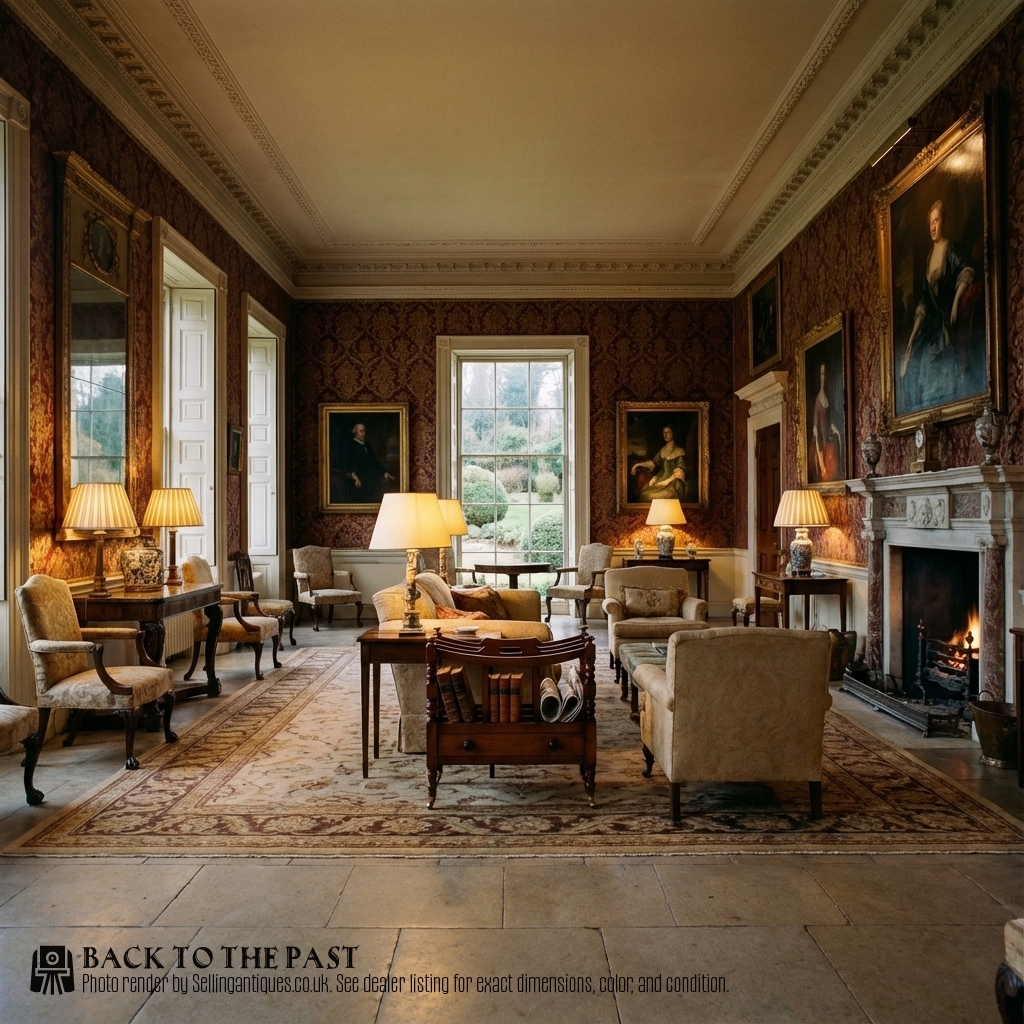
A vintage sheet music rack organises folios and periodicals with distinct period character.
Vintage Sheet Music Rack
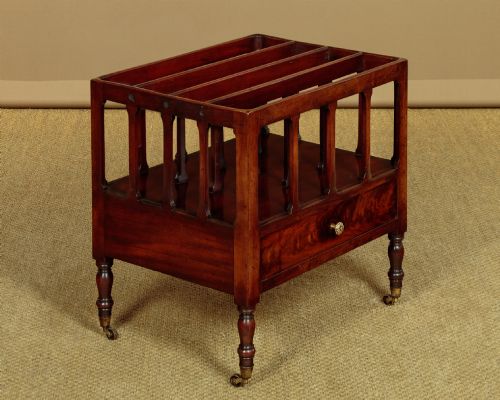
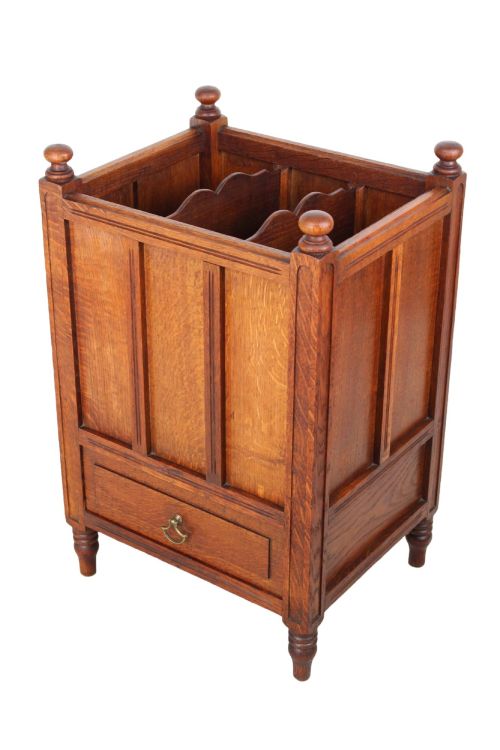
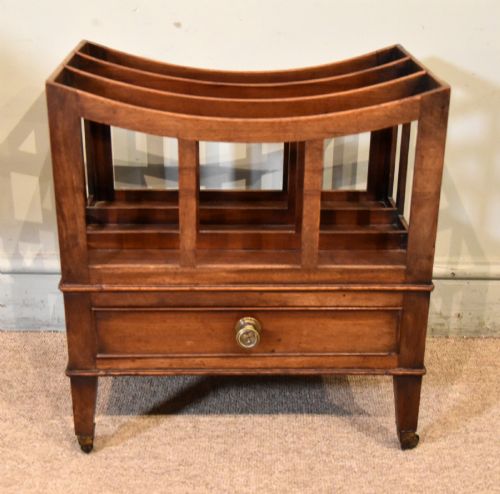
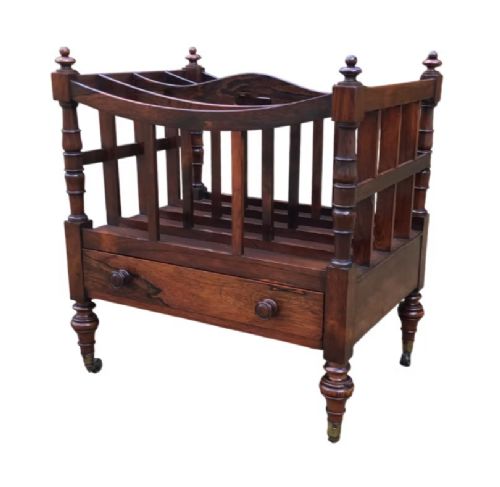
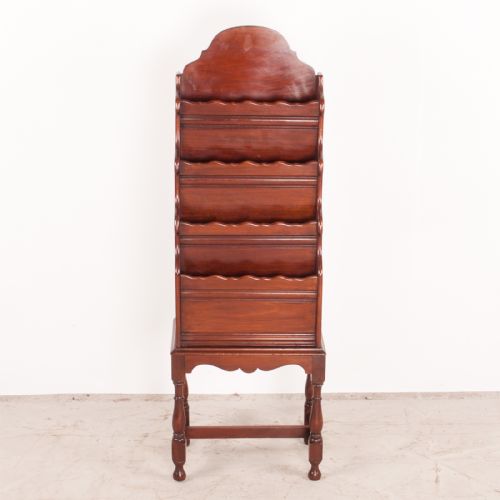
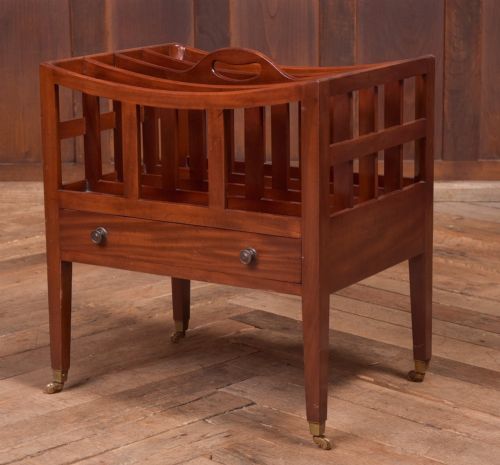
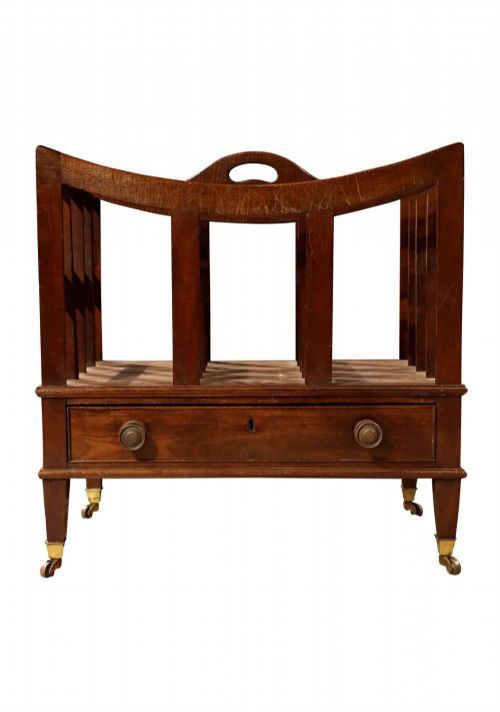
A vintage sheet music rack is typically encountered as a Canterbury or freestanding periodical holder originating from the Georgian, Regency, Victorian or Edwardian eras. These stands generally feature compartmentalised sections for papers, often incorporating a low drawer beneath the slatted divisions.
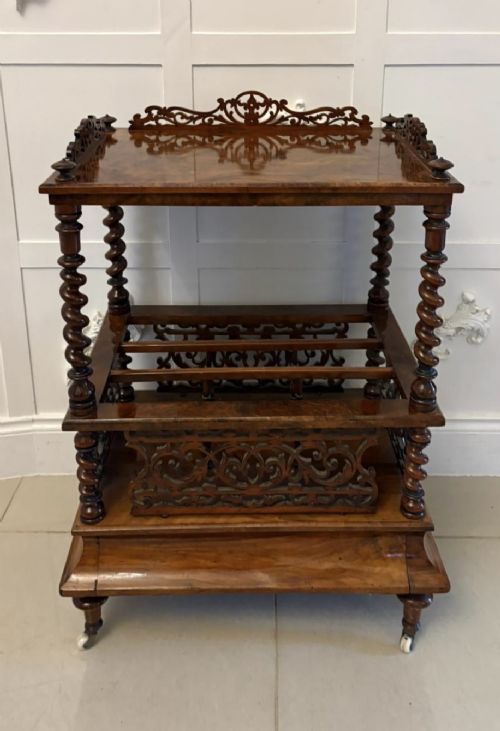
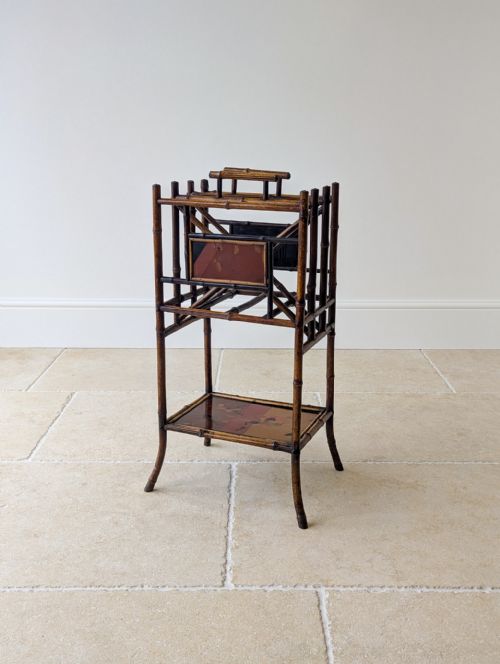
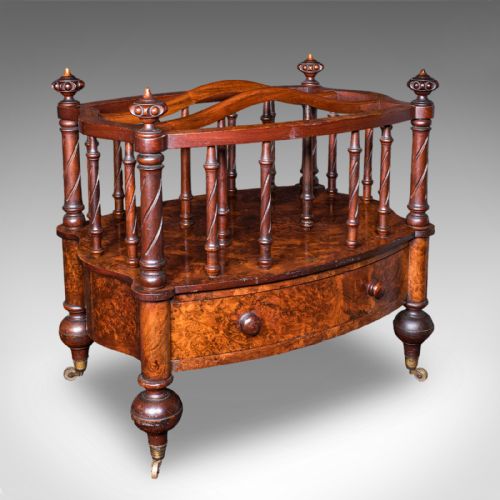
The versions most frequently met on this page are constructed from mahogany, rosewood or burr walnut, reflecting the domestic utility and parlour requirements of the nineteenth century. Pieces range from boat-shaped Regency designs to bamboo constructions of the Aesthetic Movement.
How they were made
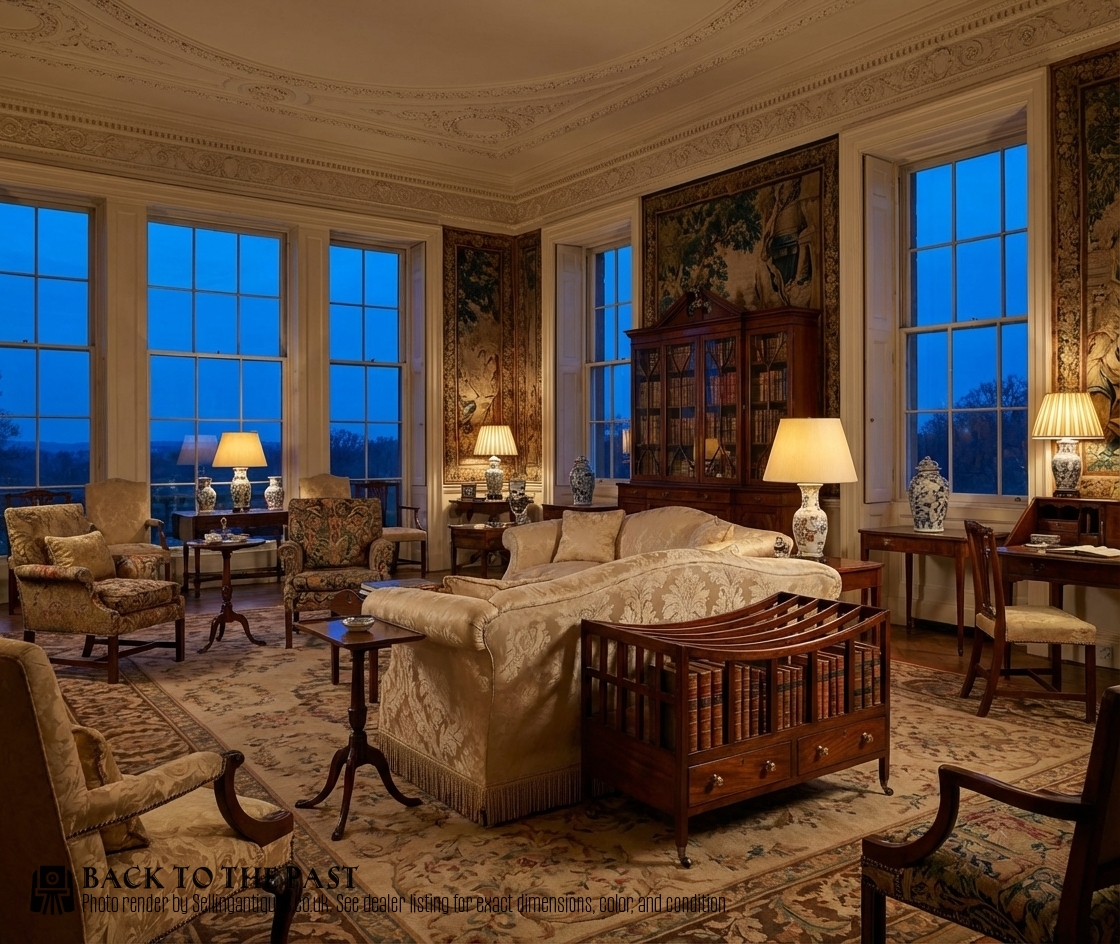
Cabinetmakers utilised dense timbers such as mahogany and rosewood, frequently employing figured veneers like burr walnut to cover structural carcases. Joinery methods relied on traditional mortise and tenon joints to support the weight of stacked folios and newsprint.
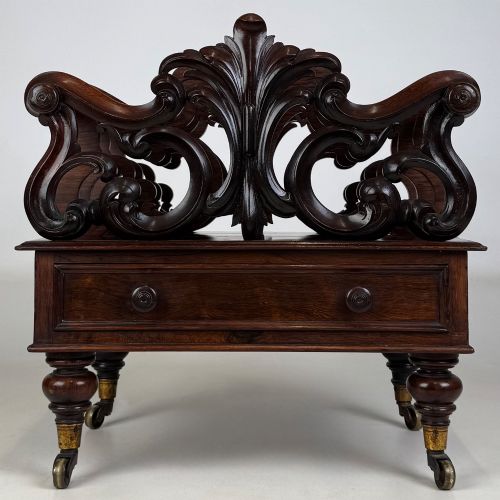
Metal components such as brass castors and handles appear on finer examples to facilitate movement across carpeted drawing rooms. Decorative embellishments include turned uprights, inlaid stringing and carved details like Prince of Wales feathers.
Vintage Sheet Music Rack Retail Price Guide 2026
Typical asking prices for vintage sheet music rack among the pieces listed under this phrase on Sellingantiques today, from the lower quarter to the upper quarter. They describe what is for sale here now, not the wider market.
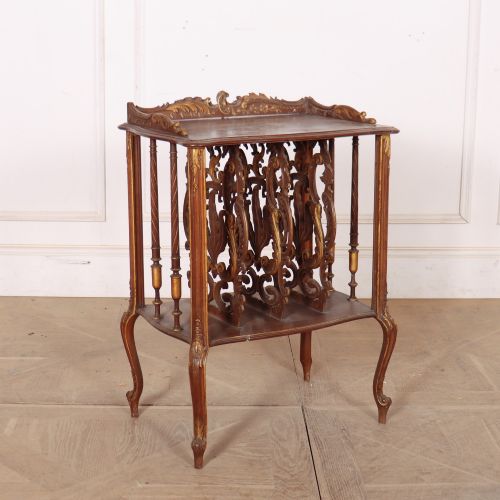
Some nineteenth-century makers evidently assumed musicians possessed a theatrical streak, adding lyre-shaped fretwork to ensure even the paperwork looked ready for the stage.
What varies in quality
The standard of timber selection largely dictates the standing of an individual piece, with heavily figured veneers and solid mahogany frames commanding greater appreciation. Finer workshops invested time in delicate turnings, precise fretwork divisions and integrated drawer construction.
Proportion and structural balance separate basic utility items from exceptional parlour furniture. Pieces retaining original brass castors and uncompromised internal joinery demonstrate superior original manufacture.
The Vintage Sheet Music Rack Glossary
- Canterbury
- A low, freestanding stand with upright divisions designed originally to hold sheet music and later newspapers. It frequently sits on castors and may include a single drawer at the base.
- Regency
- A style spanning the early nineteenth century defined by classical restraint, architectural lines and frequent use of rosewood or brass inlay. Pieces from this period often display clean geometric proportions.
- Aesthetic Movement
- A late nineteenth-century design approach that rejected heavy Victorian ornamentation in favour of lighter forms, often embracing exotic materials like bamboo. This style prioritised visual harmony over historical revival.
- Lyre-shaped
- A decorative configuration shaped like a traditional stringed instrument, commonly utilised for the end panels of music stands or the divisions of a rack. It reflects the musical function of the object.
- Figured walnut
- Timber exhibiting highly decorative, swirling grain patterns achieved by cutting through burls or junctions in the tree. Cabinetmakers reserved this material for prominent exterior surfaces.
Vintage Sheet Music Rack: Frequently Asked Questions
What is the difference between a Canterbury and a magazine rack?
A Canterbury is a traditional nineteenth-century form featuring distinct vertical partitions, often raised on legs with castors and incorporating a small drawer.
Magazine racks generally emerged later or took lighter forms, such as bamboo or simpler open frameworks intended specifically for periodicals.
How do I identify a Regency music stand?
Regency stands typically exhibit classical restraint, clean architectural lines and dark timbers such as rosewood or mahogany.
They frequently feature turned legs fitted with brass castors and boat-shaped or rectangular compartments.
Were these pieces used only for music?
While originally designed to hold unbound sheet music scores near a piano or harp, their utility quickly expanded.
By the Victorian era, households commonly utilised them to organise newspapers, periodicals and daily correspondence in the drawing room.
What woods were most commonly used?
Mahogany and rosewood dominate the earlier Georgian and Regency examples, offering both strength and rich dark tones.
Victorian makers frequently introduced burr walnut with decorative veneers, while later aesthetic pieces utilised alternative materials like bamboo.