


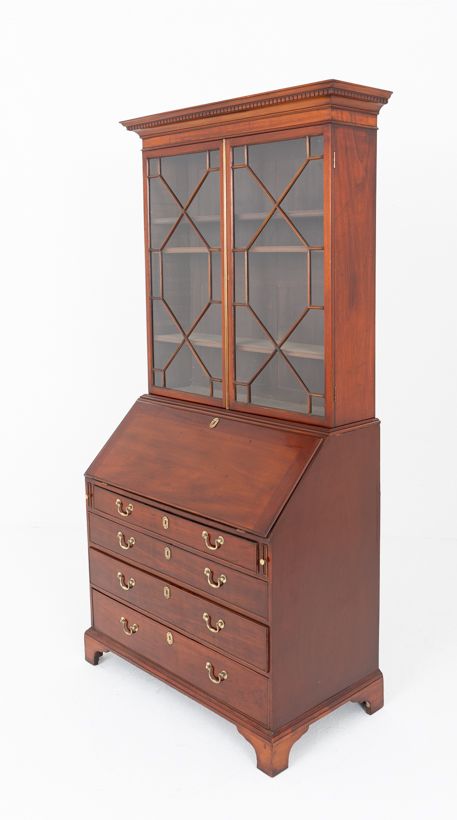
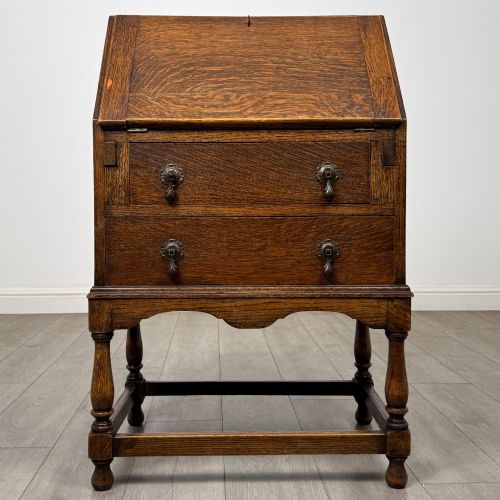
Vintage Secretary Desk Cabinet
A vintage secretary desk cabinet combines a writing surface and shelving behind doors, offering practical storage and workspace.
Vintage Secretary Desk Cabinet
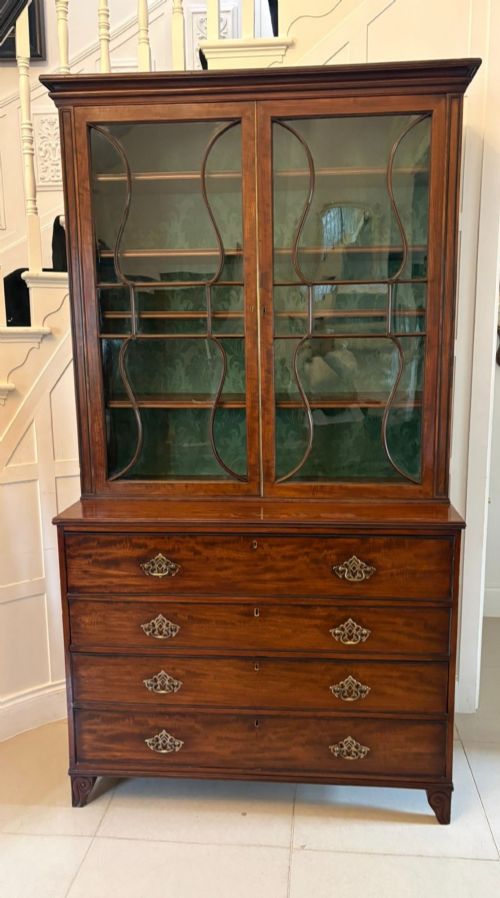
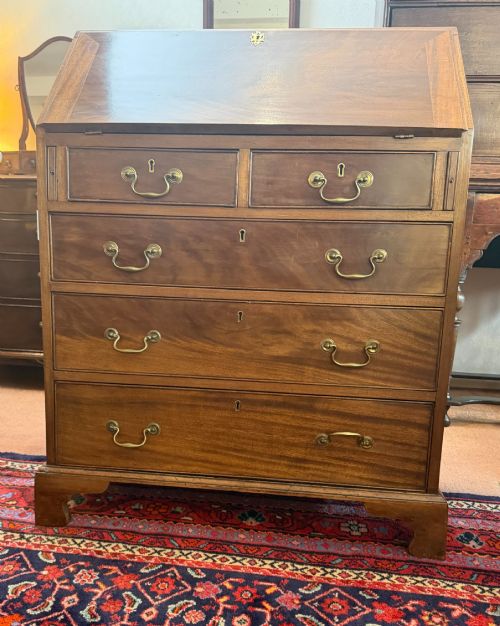
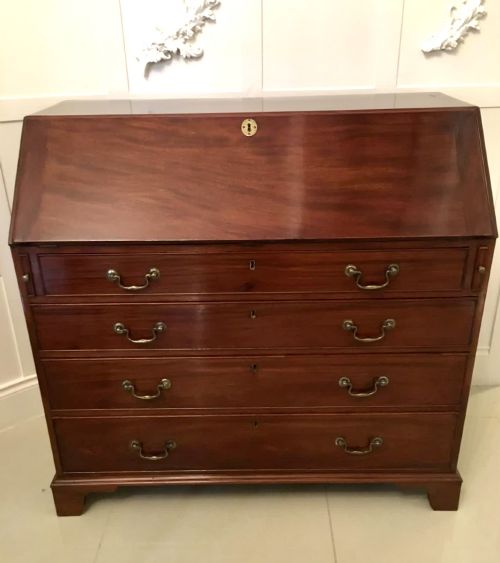
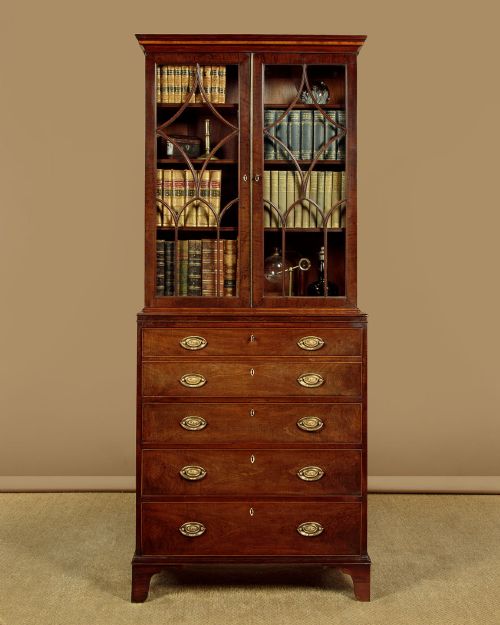
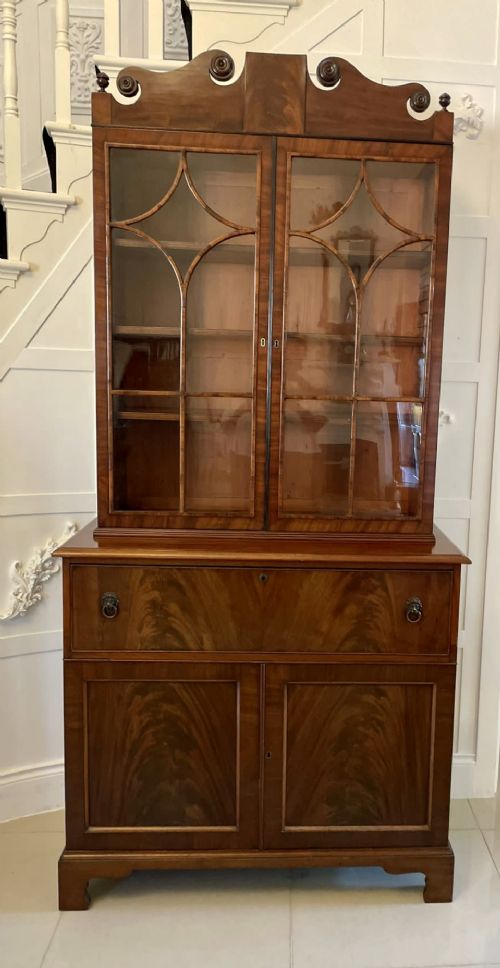
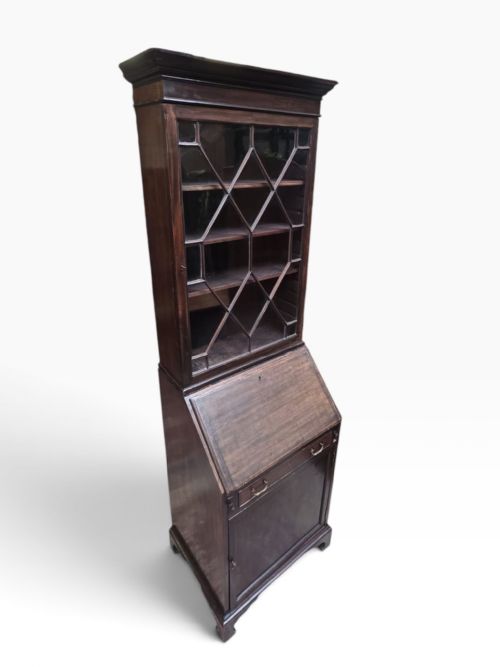
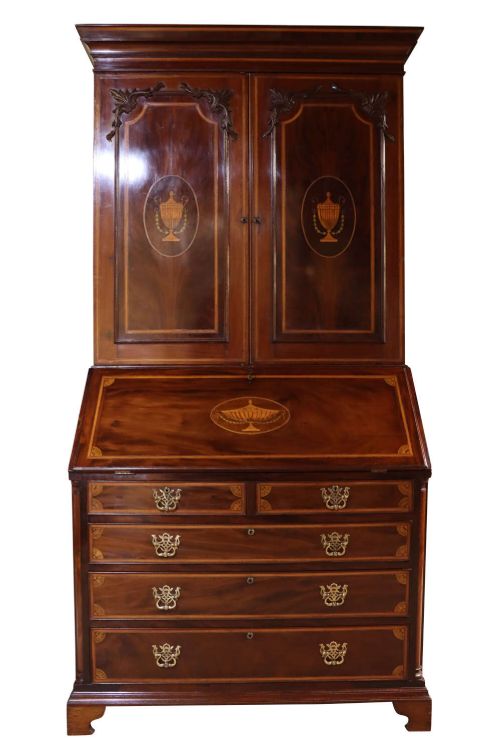
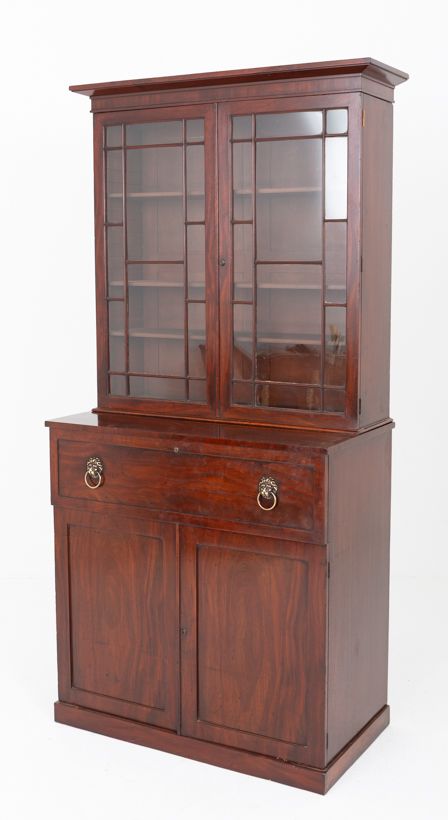
When searching for a vintage secretary desk cabinet, buyers encounter pieces that combine a drop-front writing surface with enclosed upper shelving, known variously as bureau bookcases or secretaire bookcases. These items serve both as writing desks and display cabinets for books or household goods.
The selection ranges widely across historical periods, spanning from the seventeenth century through Georgian, Regency, and William IV eras up to Edwardian and 1930s examples. Edwardian and 1930s oak or mahogany versions appear frequently alongside earlier Georgian and Regency designs.
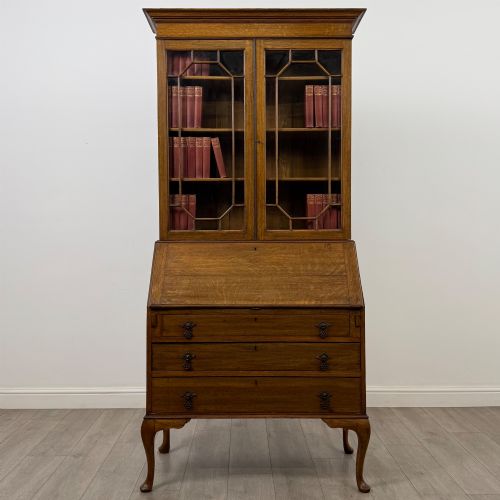
Formations include fall-front writing bureaus, fitted interiors with small drawers and pigeonholes, and glazed upper doors. Styles encompass Arts and Crafts, Jacobean Revival, Queen Anne style, and Art Deco variations.
How they were made
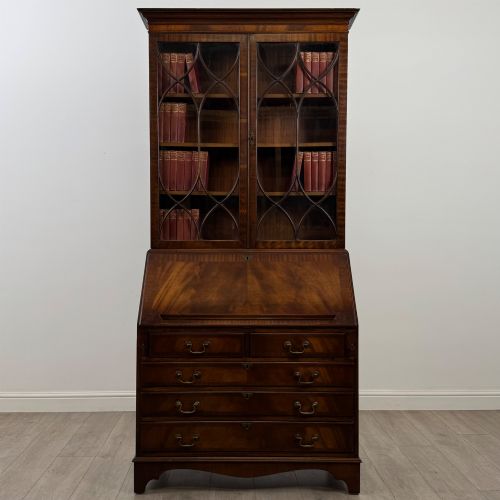
Cabinet makers utilised a variety of timbers including oak, mahogany, walnut, burr walnut, yew wood, satinwood, and elm. Woods were selected for grain pattern and strength, often featuring figured mahogany or flame fronting.
Construction techniques involved fitted interiors with pigeonholes and small drawers behind the drop-front, alongside glazed doors fitted with glass for upper bookcase sections. Brass hardware such as handles and escutcheons completed the construction of these cabinets.
Listings feature oak, mahogany, walnut, yew wood, satinwood, and burr elm across periods from the 17th century to the 1930s.
What varies in quality
The standard of craftsmanship shows in the selection of timber veneers, such as figured mahogany or burr walnut, and the precision of internal joinery within fitted desk compartments. Superior examples display careful attention to detail in internal drawers and pigeonholes.
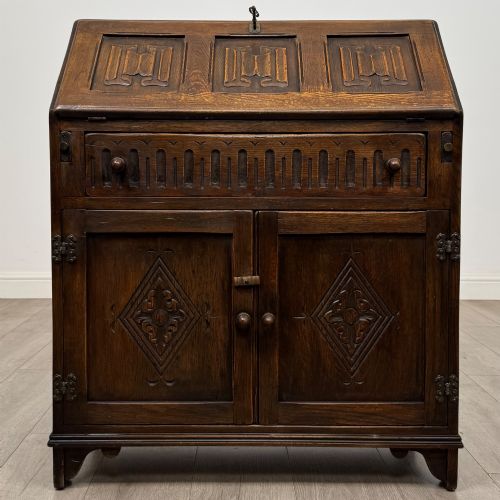
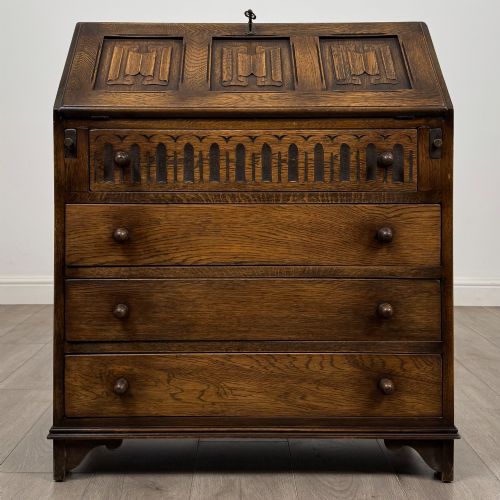
Design execution separates standard production pieces from finer cabinet work, evident in carving styles like linenfold or Cotswold School details, and the integration of glazed doors with the main body.
ARTHUR BASIL REYNOLDS·Larkin·Gillows·F.H. Marshall & Co Glasgow·Bryn Mawr
The Vintage Secretary Desk Cabinet Glossary
- Bureau
- A desk with a sloping hinged lid that drops down to form a writing surface, often enclosing small drawers and pigeonholes. It provides a compact workspace that closes to conceal writing materials.
- Linenfold
- A style of wood carving used on panels to imitate folded linen. It appears frequently on oak furniture from revival periods.
- Fall front
- A hinged flap on a cabinet or desk that opens downward to create a horizontal writing surface. It conceals internal compartments when closed.
- Fitted interior
- The arrangement of small drawers, pigeonholes, and central compartments revealed when the writing flap opens. It provides dedicated storage for stationery and documents.
Vintage Secretary Desk Cabinet: Frequently Asked Questions
What is a secretary desk cabinet?
A secretary desk cabinet is a dual-purpose item featuring a writing desk combined with a bookcase or storage cabinet above. The lower section typically includes a drop-front writing surface that conceals internal pigeonholes.
The upper section usually incorporates glass doors to display books or decorative items, making the piece suitable for both study and living spaces.
How do I date a secretary desk?
Dating relies on examining the timber, construction methods, and stylistic details present in the piece. Georgian and Regency examples often feature solid mahogany and hand-cut dovetails, while Edwardian and 1930s versions utilise oak, walnut, or machine-made elements.
Revival styles such as Jacobean or Queen Anne mimic earlier eras but display construction traits specific to their actual period of manufacture.
Where were these cabinets used?
These cabinets served primarily in studies, libraries, and drawing rooms as practical writing spaces and book storage units. They provided a tidy way to store correspondence and writing implements when not in use.
Their enclosed upper shelves protected valuable books and papers from dust and light exposure in domestic interiors.
How do I care for a wooden bureau?
Maintaining a wooden bureau involves keeping it away from direct heat sources and dramatic humidity changes to protect the timber and veneer. Regular dusting with a soft cloth preserves the finish without requiring heavy polishes.
Care should be taken with the drop-front hinge mechanism when opening and closing the writing flap during daily use.