
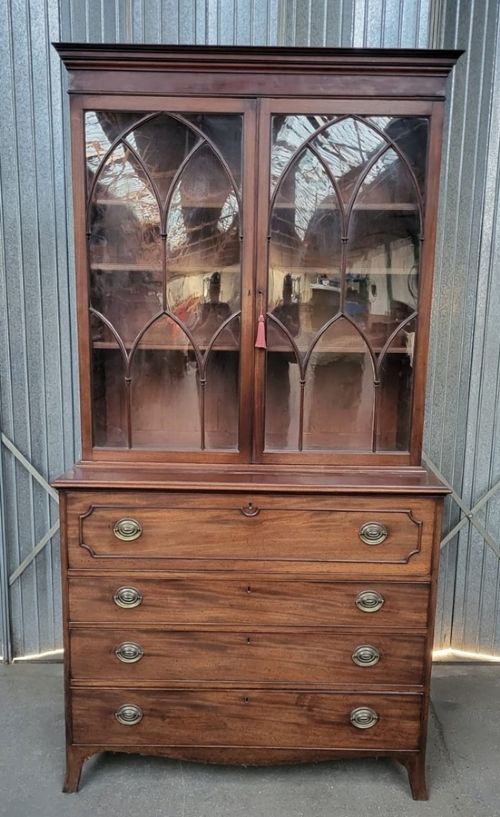
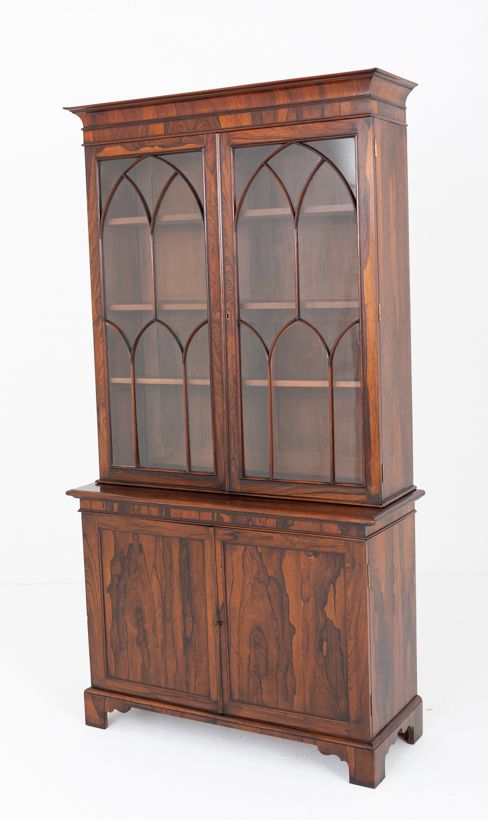

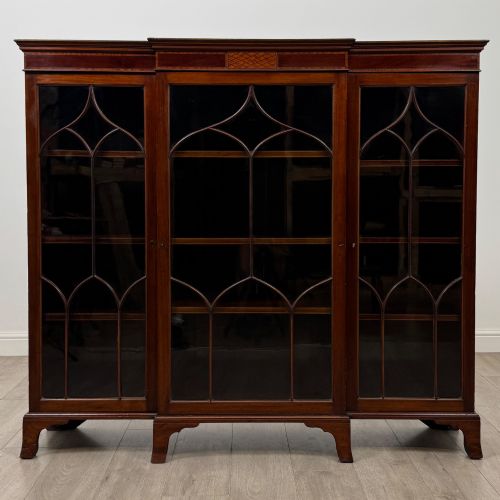
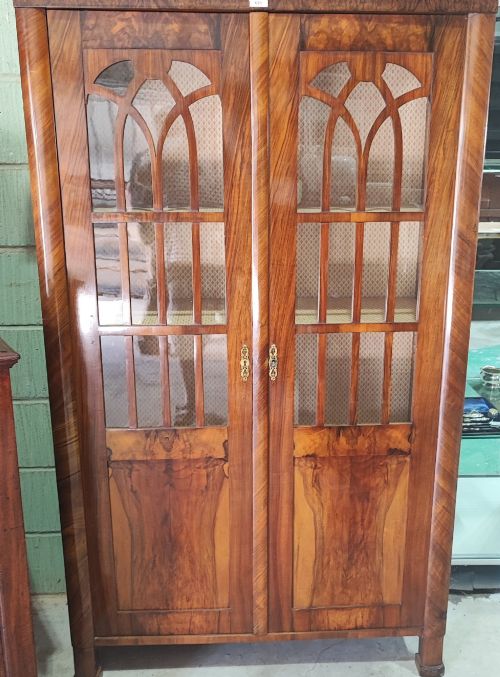
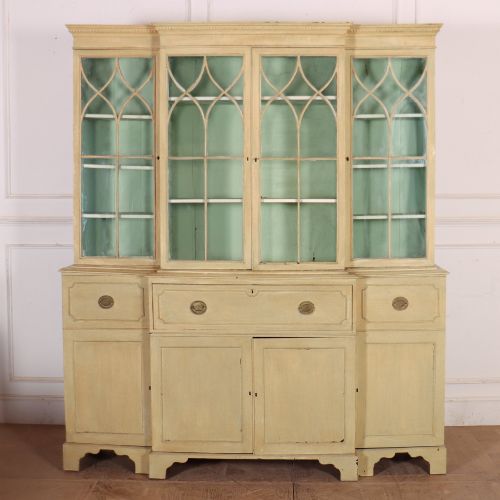
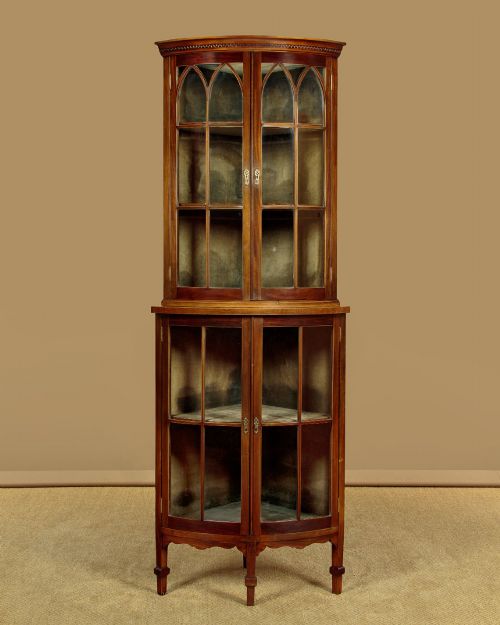
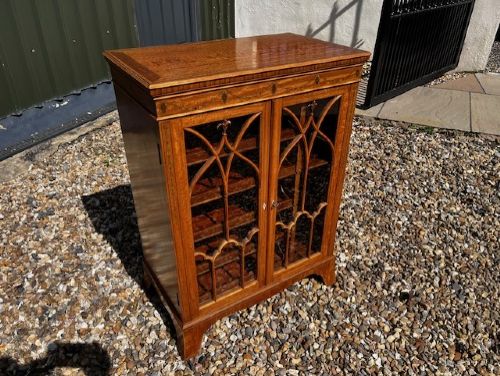


Gothic Astragal Glazed Bookcase
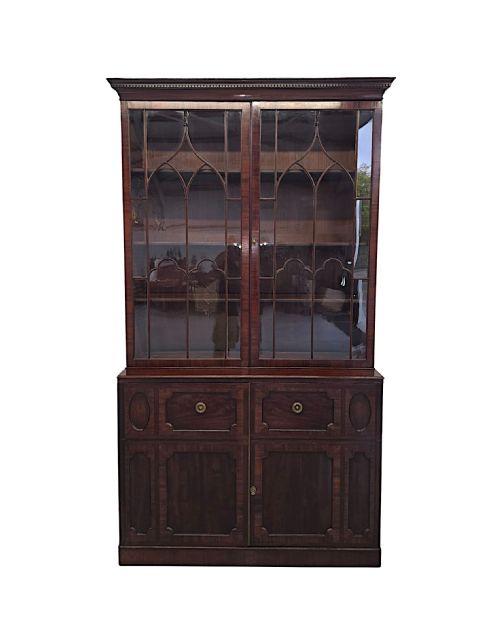
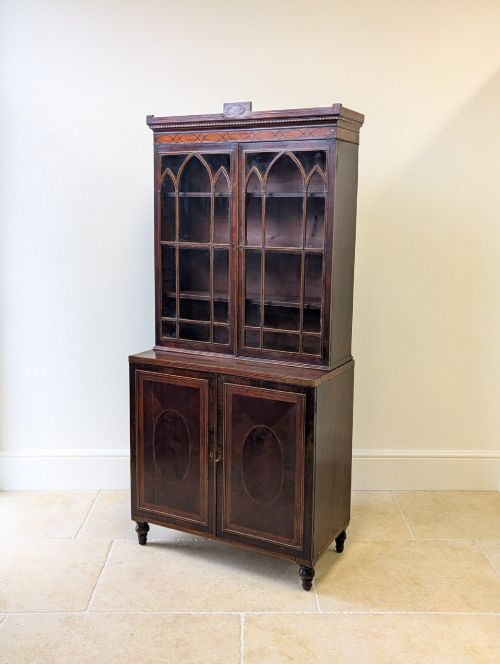
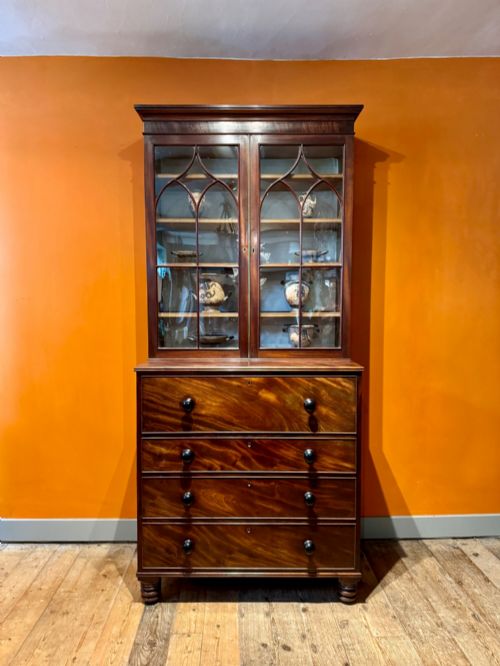
These gothic astragal glazed bookcase pieces combine classic timber construction with pointed arch glazing bars to house a library in style.
Gothic Astragal Glazed Bookcase
When you search for a gothic astragal glazed bookcase, you encounter large storage furniture designed to display and protect books behind glass panels. The items on this page span several periods, including Georgian, Regency, and Victorian Gothic Revival.
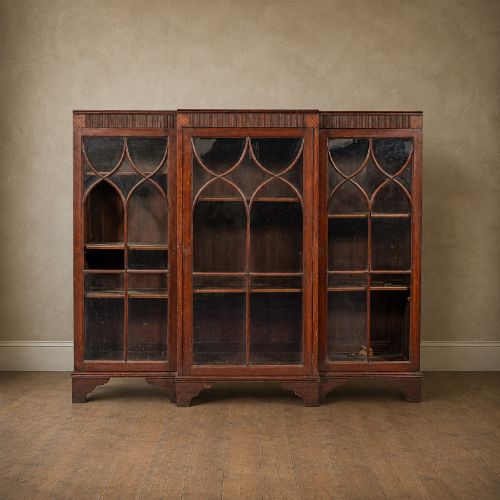
The forms range from breakfront libraries and secretaire bookcases with fitted writing drawers to corner cabinets and bureau bookcases. Mahogany forms the backbone of these listings, accompanied by rosewood, satinwood, and yew wood.
Makers and styles stretch from the eighteenth century into the twentieth century, capturing shifts in cabinet-making tastes. Buyers find tall cupboards and double-door storage units suited to period interiors.
How they were made
Cabinet-makers constructed these pieces primarily in solid mahogany and mahogany veneers, occasionally incorporating flame mahogany veneer, satinwood, and rosewood for visual contrast. Glass formed the transparent panels held within wooden frames.
Brass hardware provided functional handles and escutcheons, whilst specialised joinery secured the intricate astragal bars into geometric or pointed arches. Carpenters utilised timber framing and panel construction to build stable carcasses capable of supporting heavy rows of books.
One unexpected item appears painted entirely in black, offering an alternative to traditional polished timber.
What varies in quality
The standard of timber selection marks the difference between basic utility items and superior pieces, particularly where figured mahogany or flame veneers exhibit rich grain patterns. Finely shaped astragal glazing bars demand precise carpentry compared to simpler rectangular panes.
Proportion and scale dictate the visual success of larger breakfront and secretaire designs. Refined brass fittings, well-executed marquetry inlay, and intact original glass elevate the finish of certain cabinets.
Jas Shoolbred
The Gothic Astragal Glazed Bookcase Glossary
- Astragal
- Moulded glazing bars that divide a glass window into smaller panes. They form the distinctive geometric patterns across the doors of these bookcases.
- Secretaire
- A desk component featuring a pull-down writing flap concealing small drawers and pigeonholes. It integrates into the upper cabinet structure.
- Breakfront
- A cabinet design where the central section projects forward from the flanking wings. This layout creates depth in larger library furniture.
- Marquetry
- Decorative veneer patterns inlaid into the wooden surface to form pictorial or geometric designs. It appears on satinwood and Edwardian pieces.
- Glazed
- Fitted with transparent glass panels to protect books from dust while allowing visibility. These doors define display cabinets and bookcases.
Gothic Astragal Glazed Bookcase: Frequently Asked Questions
What is a secretaire bookcase?
A secretaire bookcase combines a traditional library storage unit with a pull-down writing drawer.
Inside this drop-front section, fitted compartments and small drawers provide a dedicated writing space.
How do I identify a gothic revival bookcase?
Gothic revival bookcases feature architectural details such as pointed arch glazing bars and carved tracery.
These elements echo medieval ecclesiastical design applied to domestic nineteenth-century furniture.
What woods were used for these cabinets?
Mahogany serves as the primary timber across most periods, appearing in solid form and as flame veneer.
Other examples incorporate rosewood, satinwood, yew wood, and brass details.
Where were breakfront bookcases placed?
Breakfront bookcases stood against the walls of large drawing rooms and libraries in country houses.
Their substantial proportions accommodated extensive collections of bound volumes.
What is an astragal bar?
An astragal bar is a slender wooden moulding that holds individual panes of glass within a cabinet door.
These bars intersect to create decorative patterns across the front of the bookcase.