



Vintage Seascape Oil Painting
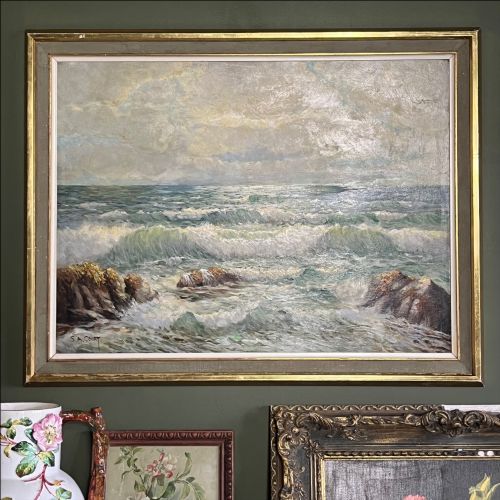
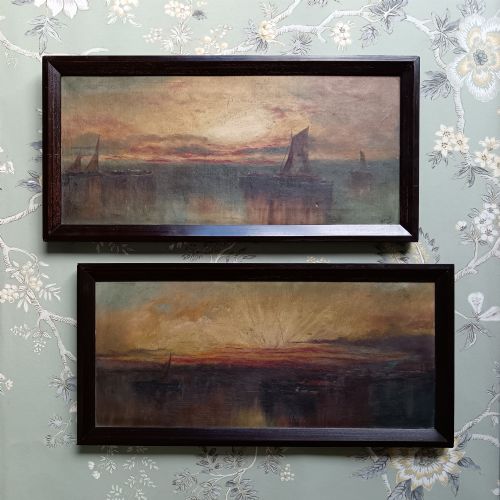
A vintage seascape oil painting captures the drama of open water and coastal air, offering a timeless window into maritime history.
Vintage Seascape Oil Painting
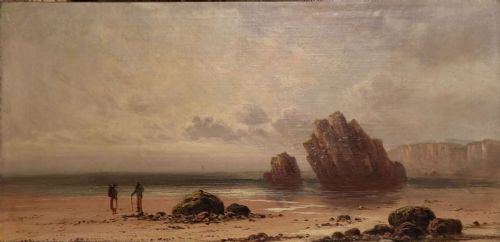
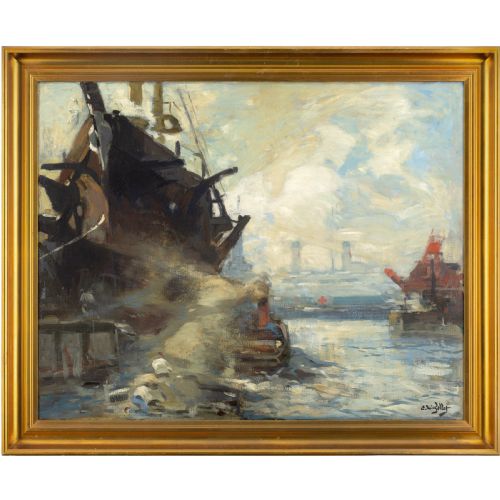
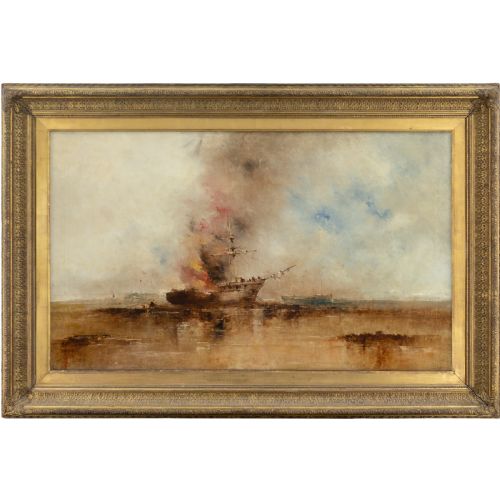
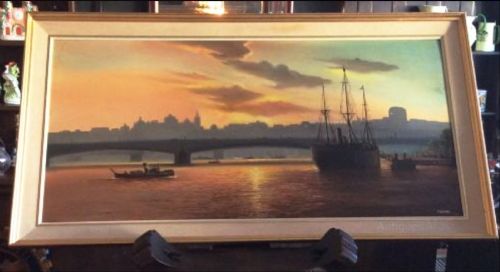
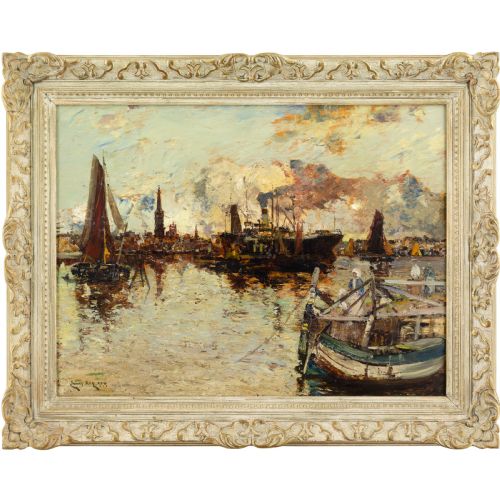
A vintage seascape oil painting encompasses coastal views, harbour scenes, and open ocean drama produced across the nineteenth and twentieth centuries. These works range from calm tidal inlets and moonlit waves to historical shipwrecks and bustling maritime ports. Collectors pursuing a vintage seascape oil painting encounter canvases and wooden boards originating from British, French, and Dutch artists working in traditional and mid-century modern idioms.
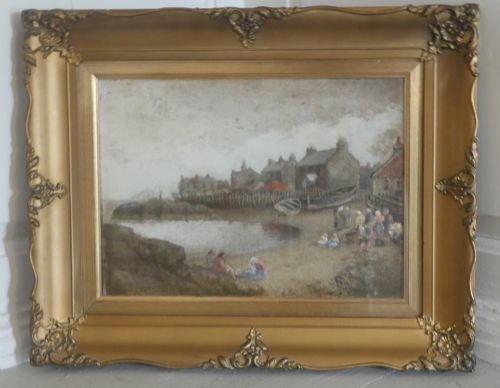
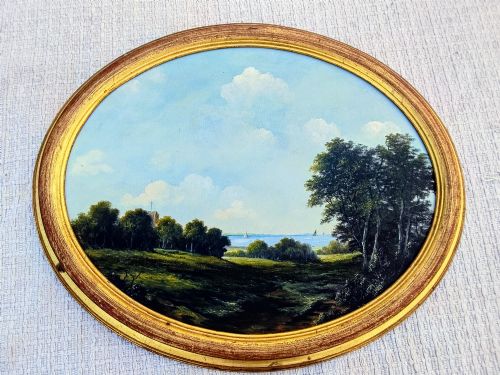
The selections span Victorian marine art, Edwardian coastal studies, and later interpretations influenced by post-impressionism. Common formats include rectangular canvases, oval compositions, and framed works accompanied by period gilt wood mouldings. Painters documented specific locations such as Cornish harbours, Yorkshire headlands, and European lagoons, preserving maritime heritage through direct observation.
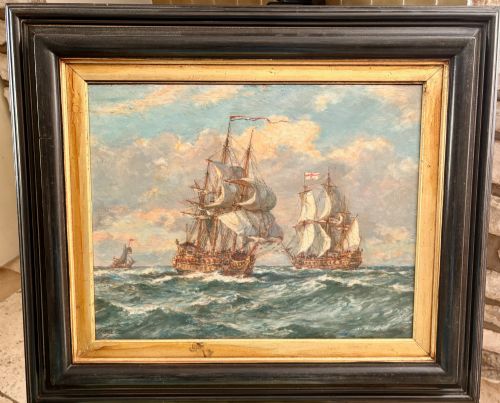
Many examples are signed by listed artists or attributed to regional schools active during the nineteenth and twentieth centuries. The subject matter frequently records working vessels, sailing yachts, and naval encounters alongside quiet coastal villages. This variety allows buyers to select pieces ranging from intimate local harbour scenes to large panoramic marine views.
Materials and techniques
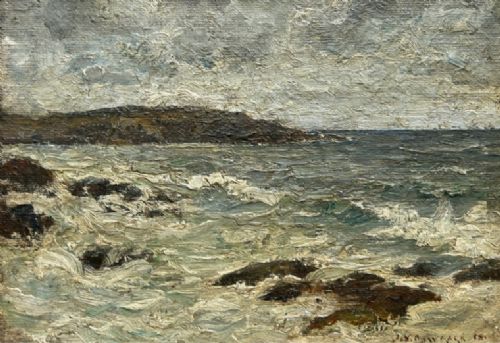
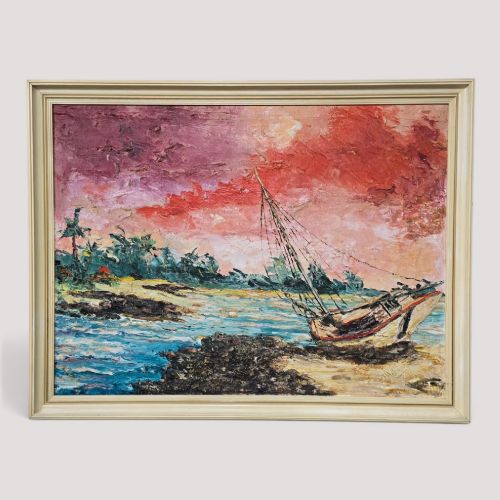
Artists applied oil paint to stretched canvas, wooden panels, or artist boards using bristle brushes and palette knives. The medium permitted both smooth, blended skies and thick impasto textures that rendered crashing waves with physical relief. Ground layers and varnishes protected the pigment while adding depth to maritime atmospheres.
Framing played an integral role, with many works housed in original gilt wood frames that complement the tonal palette of the marine scene. En plein air techniques allowed painters to capture changing light directly on the coast, resulting in spontaneous brushwork and immediate atmospheric effects.
Several artists braved stormy sea spray on wooden barques just to capture the exact tint of a breaking wave.
Evaluating the standard
Quality rests upon the artist's command of light, movement, and atmospheric perspective over mere subject matter. Superior paintings convey the weight of water and the openness of coastal air through confident, purposeful brushwork rather than rigid illustration. The handling of tricky elements like rigging, hull proportions, and breaking surf distinguishes accomplished painters from competent amateurs.
Condition and originality also govern the standing of a piece, particularly the stability of the paint surface and the retention of period framing. Works that preserve their original stretcher bars, signatures, and unlined canvas exhibit a higher degree of historical integrity.
Kenneth Cozens·Clifford Hanney·Eugène Louis Gillot·William McAlpine·Sidney A Court·B Nash·Edward Mills·James Kay·Bernard Gribble·Clive Browne·Peter Brannan·Bernard Benedict Hemy·Willem Bos·Cecil Allan Mould·Lai Fong·Nicholas Condy·William Henry Williamson·John Holland·Abraham Hulk·Elisabeth Bardon·William Edward Webb·Edward Matthew Elliott·Charles Napier Hemy·William B Dealtry·Harold Hope Read
The Vintage Seascape Oil Painting Glossary
- Impasto
- Paint applied thickly to a canvas or board, standing out in relief from the surface and capturing the physical texture of crashing waves or clouds.
- En plein air
- Painting outdoors in direct natural light, allowing the artist to record fleeting coastal atmospheric conditions.
- Gilt wood
- Wood carved or moulded and coated with gold leaf or metallic paint, commonly found on period frames enclosing marine art.
- Provenance
- The documented history of ownership of a painting, often verified through signatures, exhibition labels, or gallery records on the reverse.
Vintage Seascape Oil Painting: Frequently Asked Questions
How do I date a vintage seascape oil painting?
Dating relies on stylistic clues, framing methods, and stretcher construction. Canvas types and artist signatures often provide concrete windows into the period of creation.
Exhibition labels or handwritten inscriptions on the reverse of the board or frame frequently supply exact years or artist lifespans.
Where should I hang a marine oil painting?
These works suit rooms with steady ambient light and minimal direct sun exposure to protect oil pigments. Neutral walls allow the gilt frames and deep maritime tones to stand out.
Avoid hanging pieces in damp environments like unventilated bathrooms, as moisture affects both the canvas and wooden panel supports.
What is the difference between oil on canvas and oil on board?
Oil on canvas involves stretched fabric fixed to a wooden frame, offering slight give and a traditional texture. Oil on board uses a rigid wooden or composite support that resists punctures and warping.
Boards were frequently favored for smaller outdoor sketches produced quickly on location.