


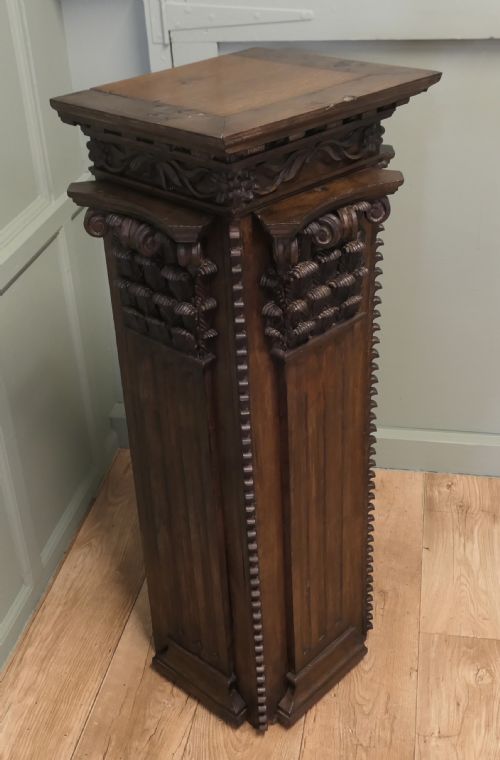
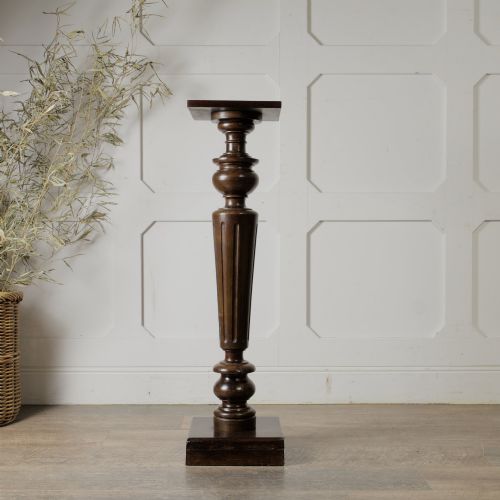
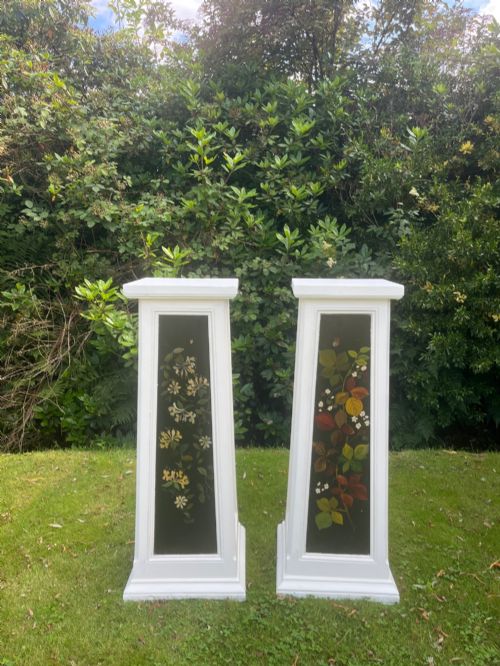


Vintage Sculpture Display Stand
A vintage sculpture display stand elevates art and objects, bringing architectural presence and period character directly into your interior.
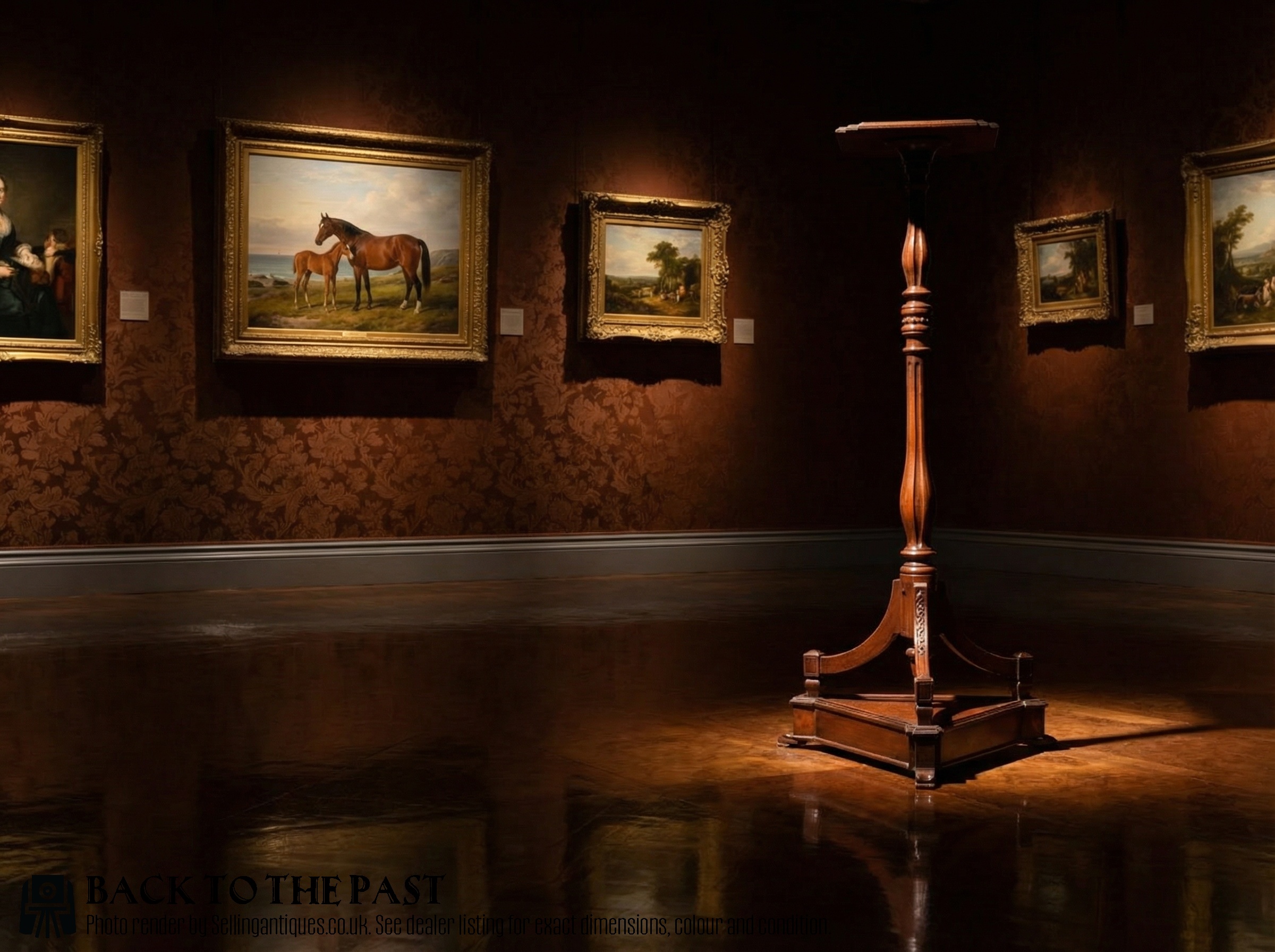
Vintage Sculpture Display Stand
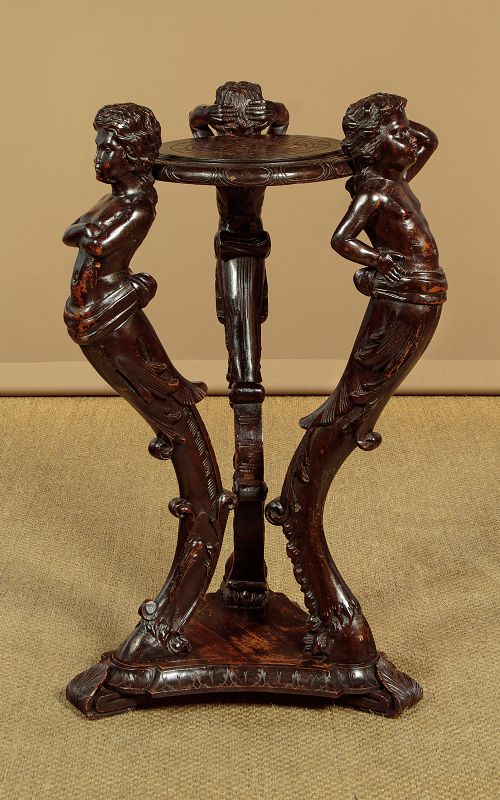
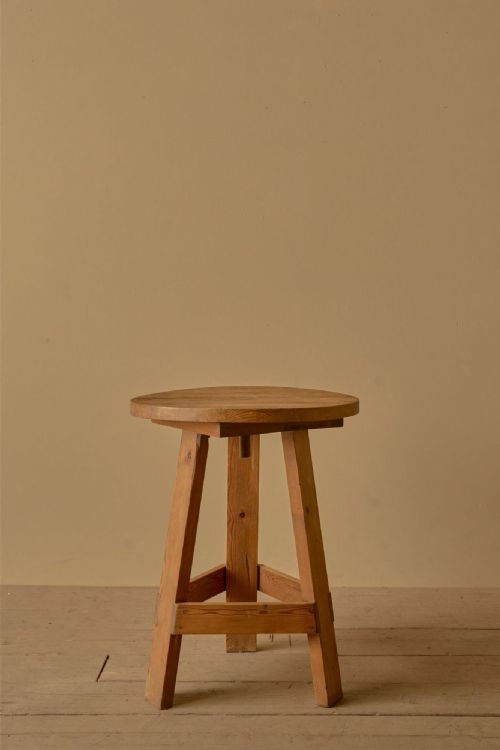
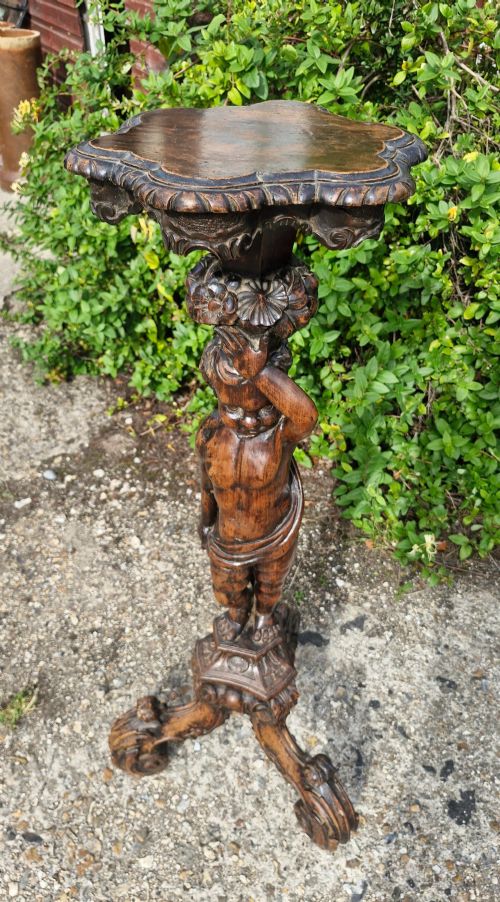
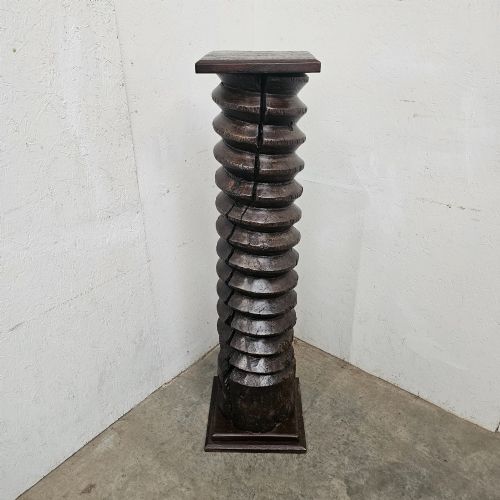
A vintage sculpture display stand takes many forms across this selection, appearing most frequently as pedestals, plinths, columns, and torcheres designed to elevate art or objects. These pieces originate across the nineteenth and early twentieth centuries, spanning Victorian, Edwardian, and Art Deco periods.
Buyers encounter architectural columns in marble and stone alongside turned wooden plinths and painted plaster stands. Forms range from slender cylindrical sculpture stands to robust oak pillars and decorative French pedestals.
Origins vary from English country houses to Continental workshops, encompassing Neoclassical revival styles and rustic folk art pieces. Each stand serves to lift busts, vases, or sculptures into focus within a room.
Materials and construction methods
Craftsmen built these stands from dense hardwoods including mahogany, oak, and walnut, frequently employing turning lathes to shape solid columns and spiral pillars. Other pieces utilise softer woods finished with paint or ebonisation to mimic costlier materials.
Stone and mineral components feature prominently, with solid and faux marble, alabaster, and soapstone carved into classical columns and statuary pedestals. Plaster and composition materials appear moulded and painted to achieve sculptural architectural detail.
Vintage Sculpture Display Stand Retail Price Guide 2026
Typical asking prices for vintage sculpture display stand among the pieces listed under this phrase on Sellingantiques today, from the lower quarter to the upper quarter. They describe what is for sale here now, not the wider market.
What distinguishes finer examples
The distinction between standard utility stands and superior examples lies in the ambition of the carving and the integrity of the materials. Dense hardwoods and genuine variegated marbles carry a natural weight and grain depth that elevate the entire object.
Proportion and architectural correctness set apart the finer pieces, particularly in Neoclassical and revival styles where capital details and fluted columns require precise execution. Original painted finishes and integrated mechanisms, such as secret compartments, separate bespoke commissions from simpler workshop output.
The Vintage Sculpture Display Stand Glossary
- Torchere
- A tall, slender stand originally designed to hold a candle or light, now frequently used to display sculptures or busts. These pieces often feature decorative turned shafts or column designs.
- Plinth
- A heavy base or square slab supporting a column, statue, or bust. It provides structural stability and visual grounding for elevated artwork.
- Pedestal
- An architectural support used to raise an object above floor level. They appear in square, cylindrical, and column forms across various historic periods.
- Alabaster
- A fine-grained, translucent stone used for carving decorative columns and plant stands. Its natural veining creates subtle variation across the surface.
- Neoclassical
- A style drawing inspiration from classical antiquity, often expressed through fluted columns, marble construction, and formal architectural motifs.
Vintage Sculpture Display Stand: Frequently Asked Questions
How do I choose the right height?
Consider the scale of the sculpture or object you intend to place on top, alongside the surrounding furniture heights in your room. Taller columns suit smaller busts, while lower plinths accommodate substantial heavy sculptures.
Ensure the top surface area matches or slightly exceeds the base of your display item for secure placement.
Are marble stands too heavy?
Marble and stone pedestals possess considerable weight, which provides excellent stability for heavy art pieces and prevents accidental tipping. This density means they require careful placement and two people to move safely.
Lighter wooden or plaster alternatives offer easier manoeuvrability if you prefer to rearrange your interior frequently.
How do I identify a Victorian stand?
Victorian pieces often feature rich mahogany or oak construction, deep hand-carving, and heavy spiral pillars reflecting historical revival styles. Look for construction hallmarks appropriate to the nineteenth century, such as hand-turned joints and aged patination.
Later Edwardian and Art Deco examples tend toward simpler geometries, ebonised finishes, or exotic veneers like macassar ebony.