
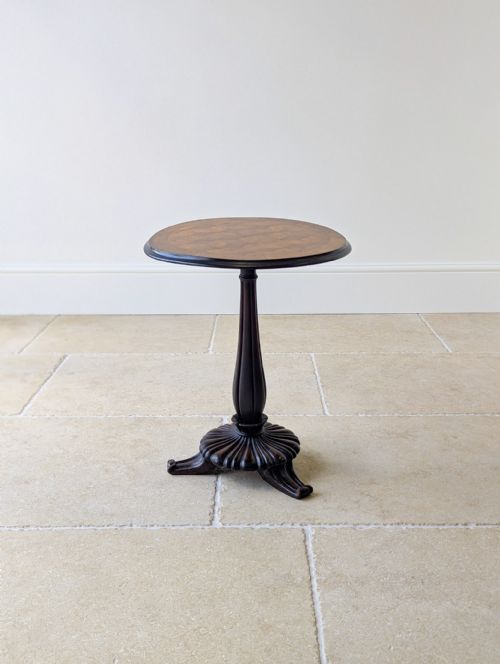
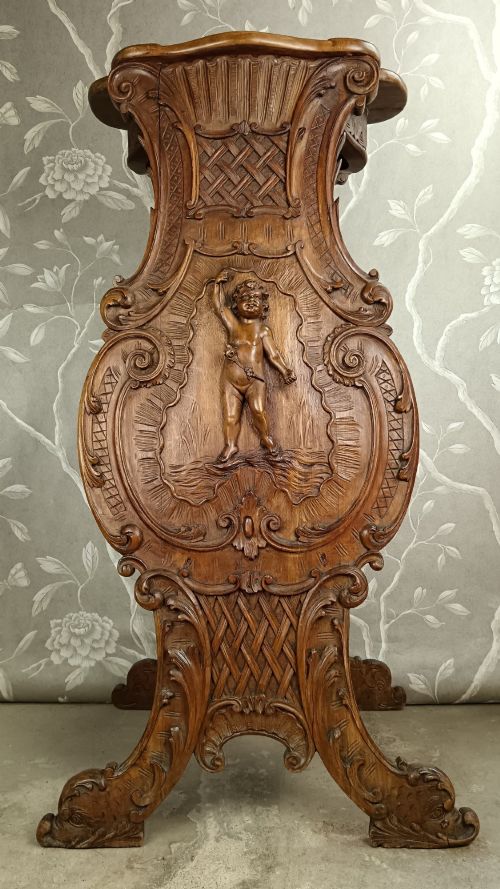

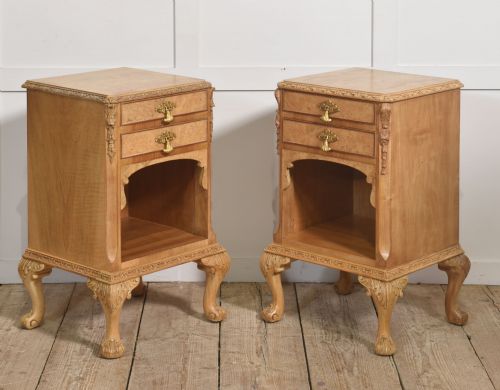
Walnut Pedestal Stand
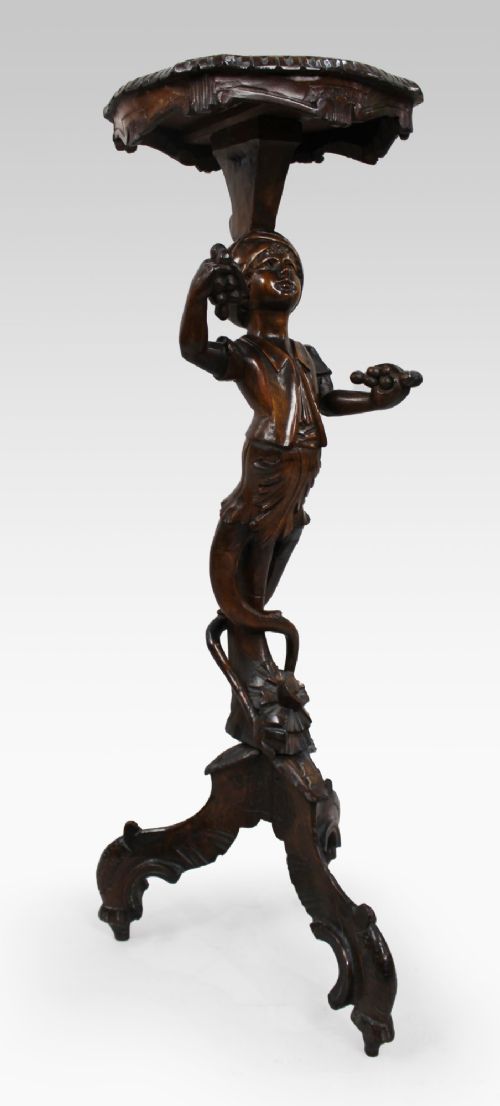
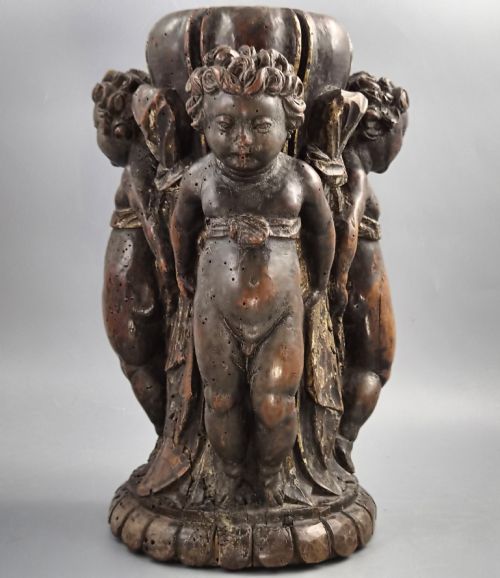
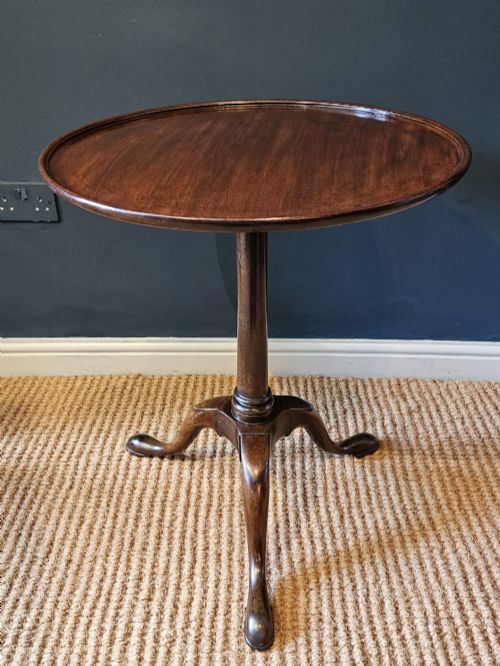
When you search for a walnut pedestal stand, you are looking at elevated surfaces and supports shaped from timber, ranging from Georgian wine tables to Victorian torcheres.
Walnut Pedestal Stand
A walnut pedestal stand is a raised vertical support used to display objects or serve specific functional duties in a room. The items grouped under this search phrase span centuries, taking the form of wine tables, torchere stands, plant holders, and occasional tables.
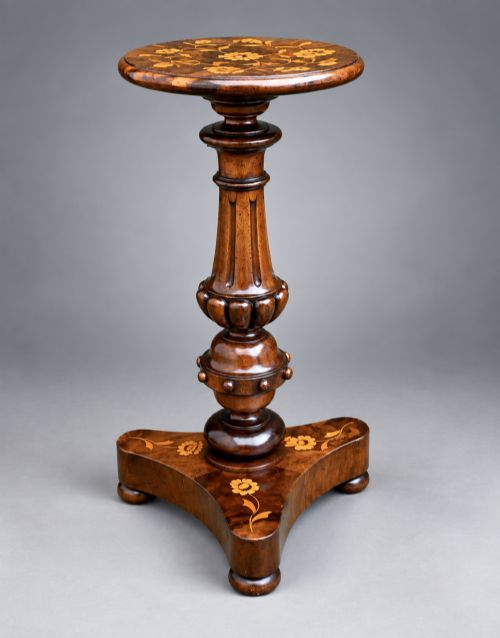
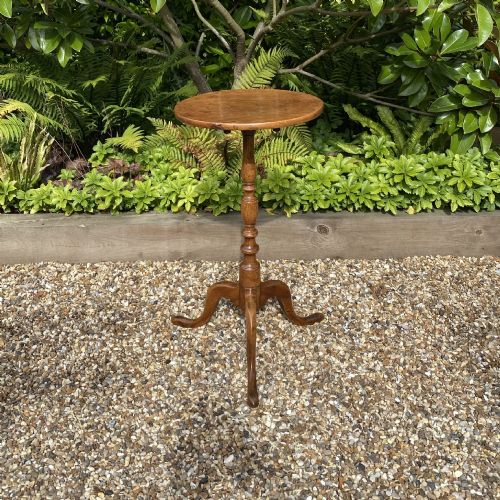
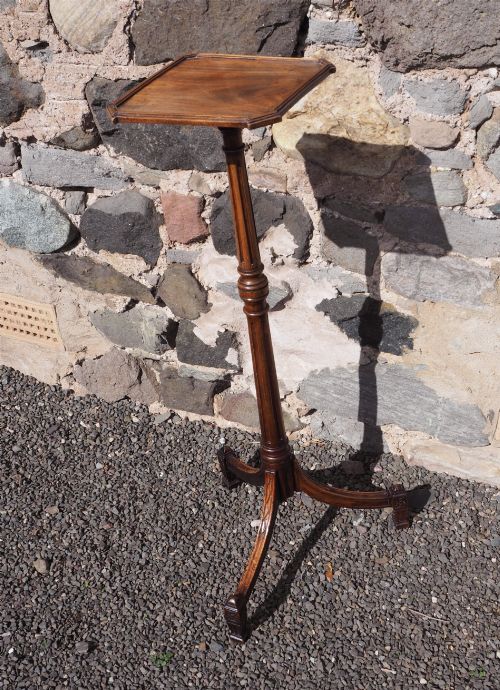
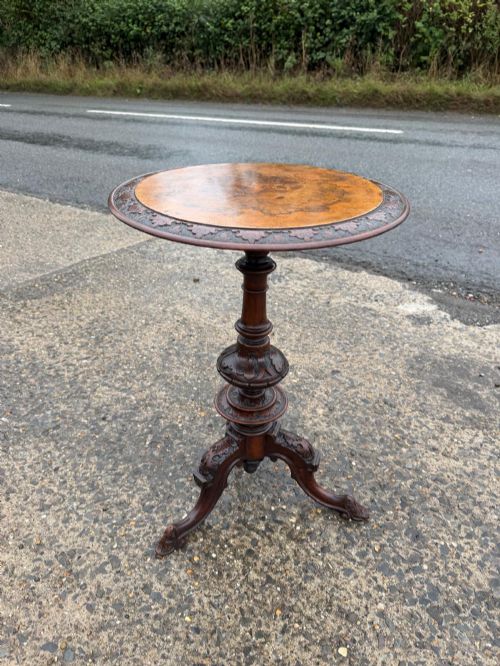
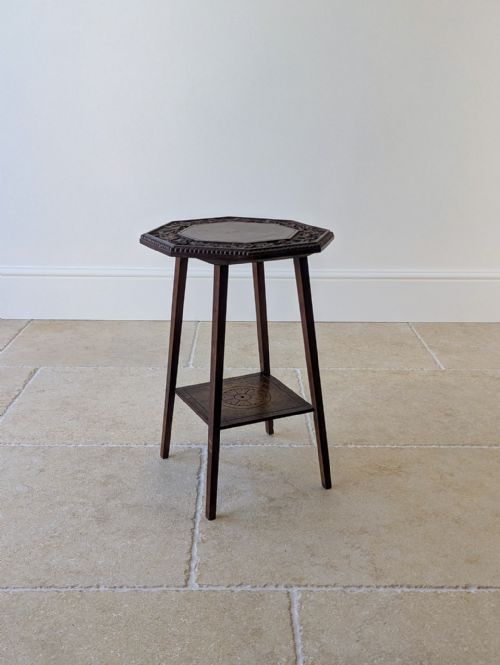
The versions most commonly met on this page originate from the Victorian era and the nineteenth century, though earlier Georgian examples and later twentieth-century pieces also appear. These tables and columns utilise central pillars or tripod bases to support circular, square, or octagonal tops.
Makers adapted these stands for various domestic uses, including holding lamps, candles, plants, and serving beverages. The overarching category brings together diverse decorative expressions from English workshops and continental makers alike.
How they were made
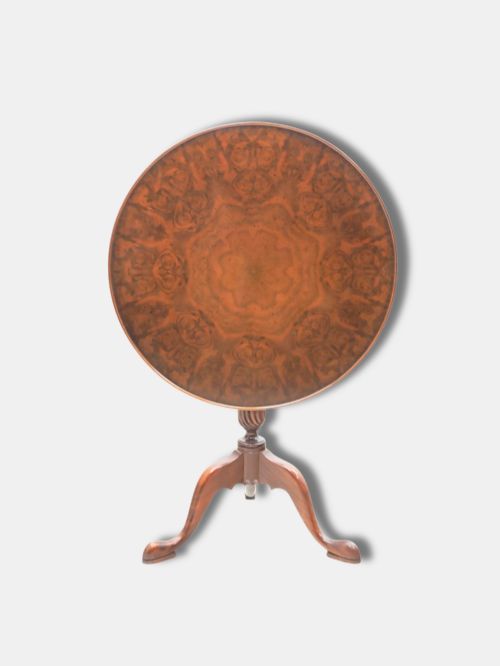
Cabinet makers utilised solid walnut and burr walnut veneers over secondary timbers, often selecting wood for striking grain patterns or figured movement. Marquetry inlay, ebonised detailing, and carved elements appear across different periods to ornament the surfaces.
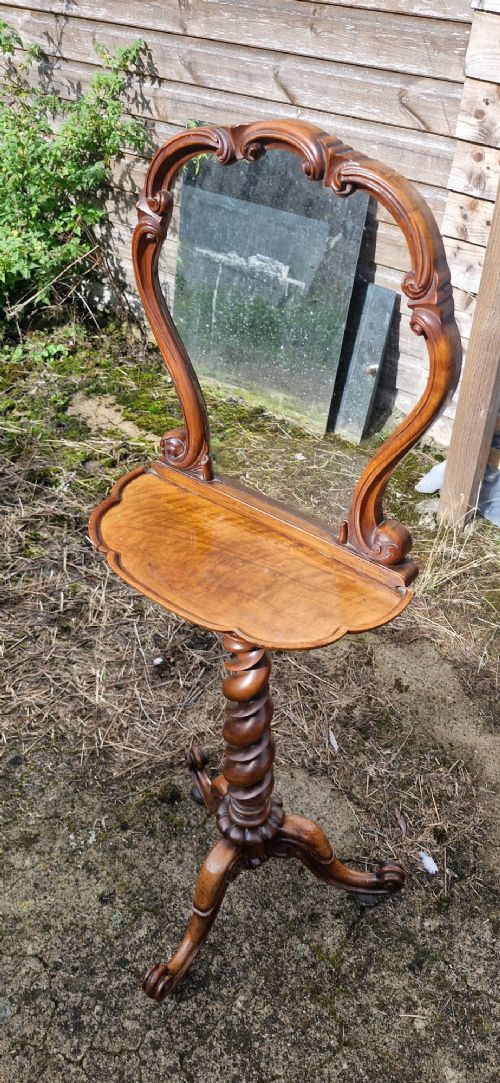
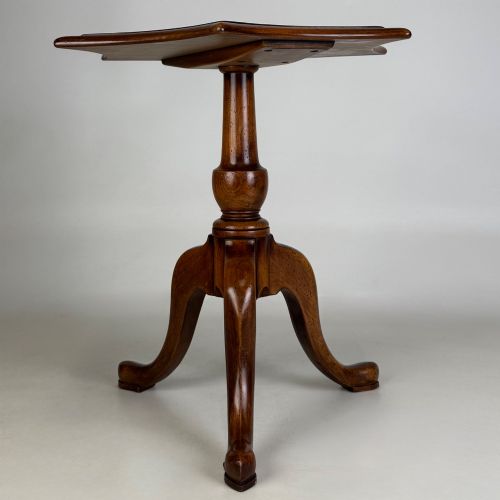
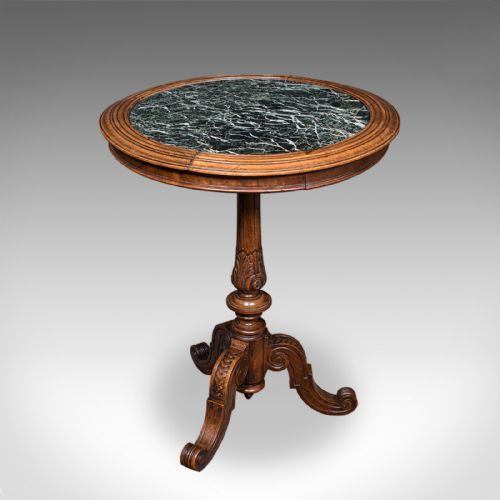
Construction techniques involve turned central columns, bobbin turnings, barley twists, and tripod legs joined to the central shaft. Some examples incorporate contrasting materials such as marble inset tops, brass galleries, and glass components to finish the piece.
Several stands double as smoking accessories or specialised shaving mirrors, proving Victorians loved an excessively specific table.
What varies in quality
The quality of a walnut pedestal stand depends upon the selection of timber and the precision of the joinery in the central pillar and leg assembly. Superior examples display carefully matched burr veneers or deeply undercut hand-carving that retains crispness of detail.
Construction integrity separates standard production from finer workshop output, particularly in how tripod bases meet the central shaft and how smoothly mechanical elements operate. Original surfaces and patination reflect the degree of care a piece has received over its lifespan.
Shoolbred·Gillow & Co.
The Walnut Pedestal Stand Glossary
- Torchere
- A tall stand designed specifically to hold a light source such as a candle or lamp. These elevated supports often feature slender carved columns.
- Tripod base
- A support structure resting on three legs radiating from a central pillar. This configuration provides stable balance on uneven floor surfaces.
- Marquetry
- Decorative veneer work arranged in pictorial or geometric patterns using various coloured woods. Craftsmen cut pieces precisely to fit into a prepared ground.
- Burr walnut
- Wood taken from a tree growth abnormality that produces highly figured, swirling grain patterns. Cabinet makers prized this material for decorative table tops.
- Galleried top
- A raised rim surrounding the edge of a table surface to prevent items from sliding off. These galleries often utilise pierced brass or turned wooden spindles.
Walnut Pedestal Stand: Frequently Asked Questions
What is a walnut pedestal stand used for?
These pieces serve as elevated surfaces for lamps, candles, plants, and decorative objects within a room. Their vertical design allows them to occupy minimal floor space while placing items at a convenient height.
Historically, specific forms such as wine tables or torcheres were tailored for particular household tasks, whereas plant stands and pedestals functioned primarily as display furniture.
How do I tell a Georgian stand from a Victorian one?
Georgian stands generally exhibit restrained proportions, simpler classical turning, and unadorned solid timber or subtle inlay. They reflect earlier furniture design priorities focused on structural balance and architectural lines.
Victorian pieces frequently display heavier ornamentation, including carved foliate motifs, barley twists, and elaborate burr walnut veneers. The application of contrasting materials like marble tops or brass galleries also points towards nineteenth-century production.
Where should I place a pedestal stand at home?
These stands fit well in corners, beside seating furniture, or positioned as focal points to display ceramic vessels and sculptural pieces. Their compact footprints make them adaptable to rooms with limited space.
Care should be taken to keep walnut furniture away from direct heat sources and strong sunlight to protect the timber and veneer surfaces from drying out.
What does a torchere stand mean?
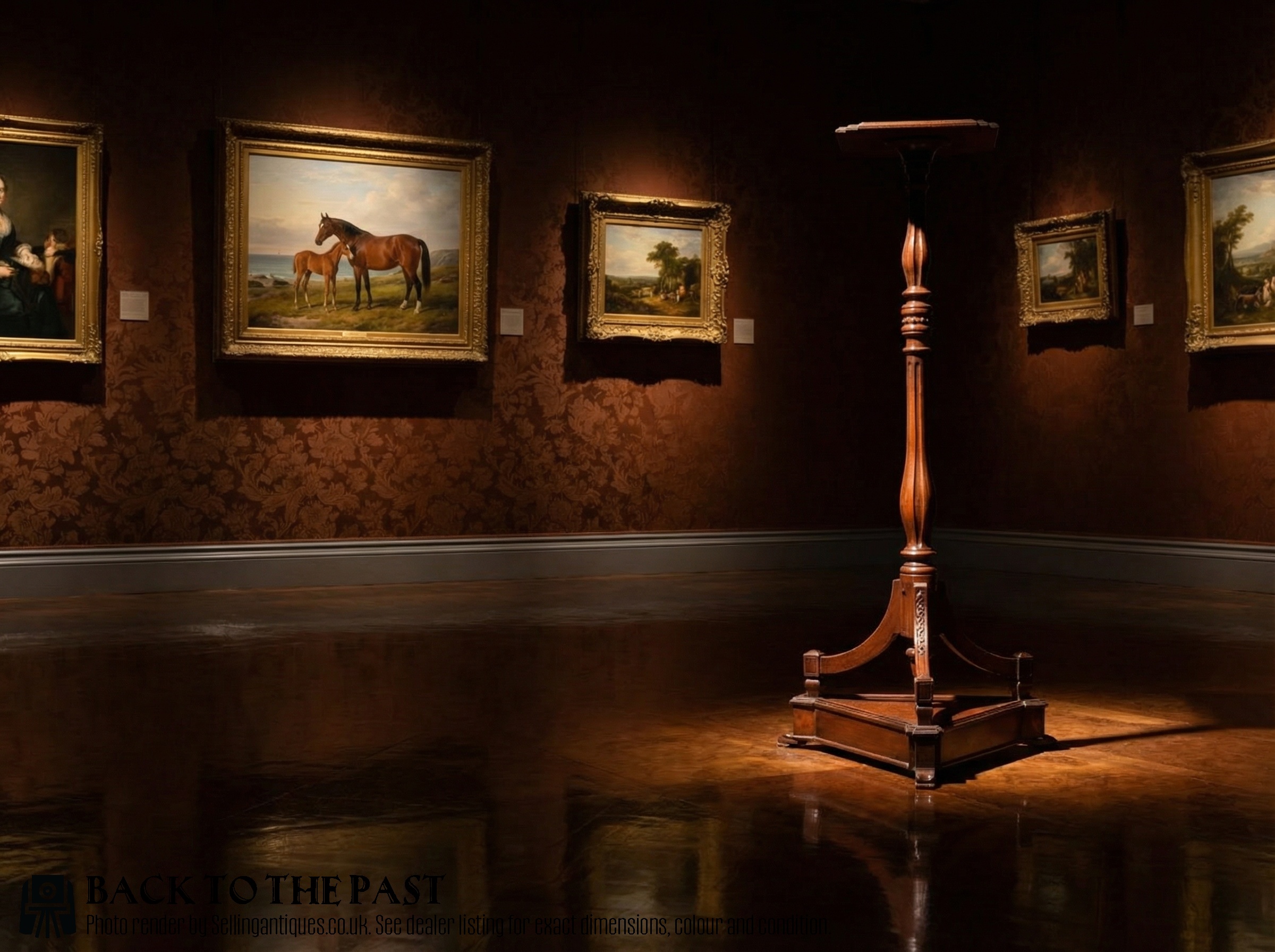
A torchere is a tall ornamental stand originally built to support a torch or candle lamp for room illumination. Over time, the form evolved to hold electric lamps and floral arrangements.
On this page, torcheres typically feature slender vertical shafts supported by tripod or weighted circular bases.