


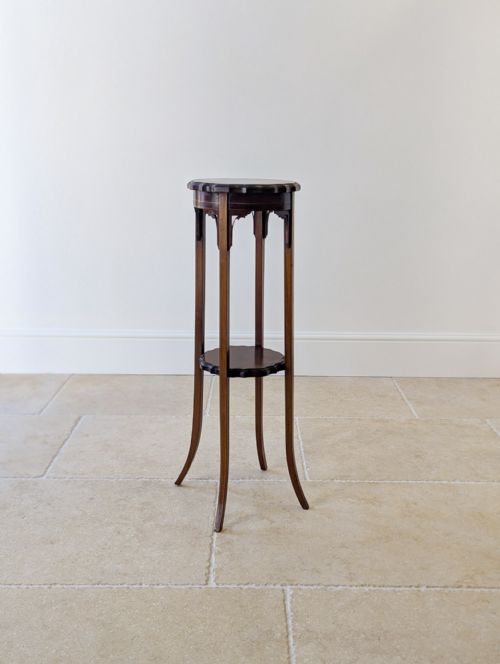

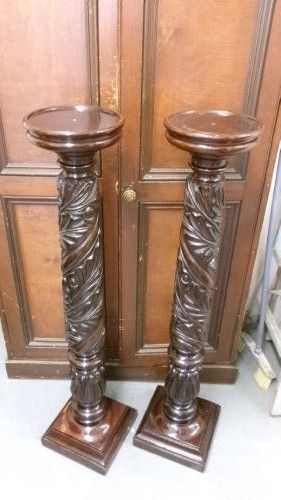
Tall Plant Display Column
A tall plant display column raises greenery or sculpture into the room, creating height and focus in an interior.
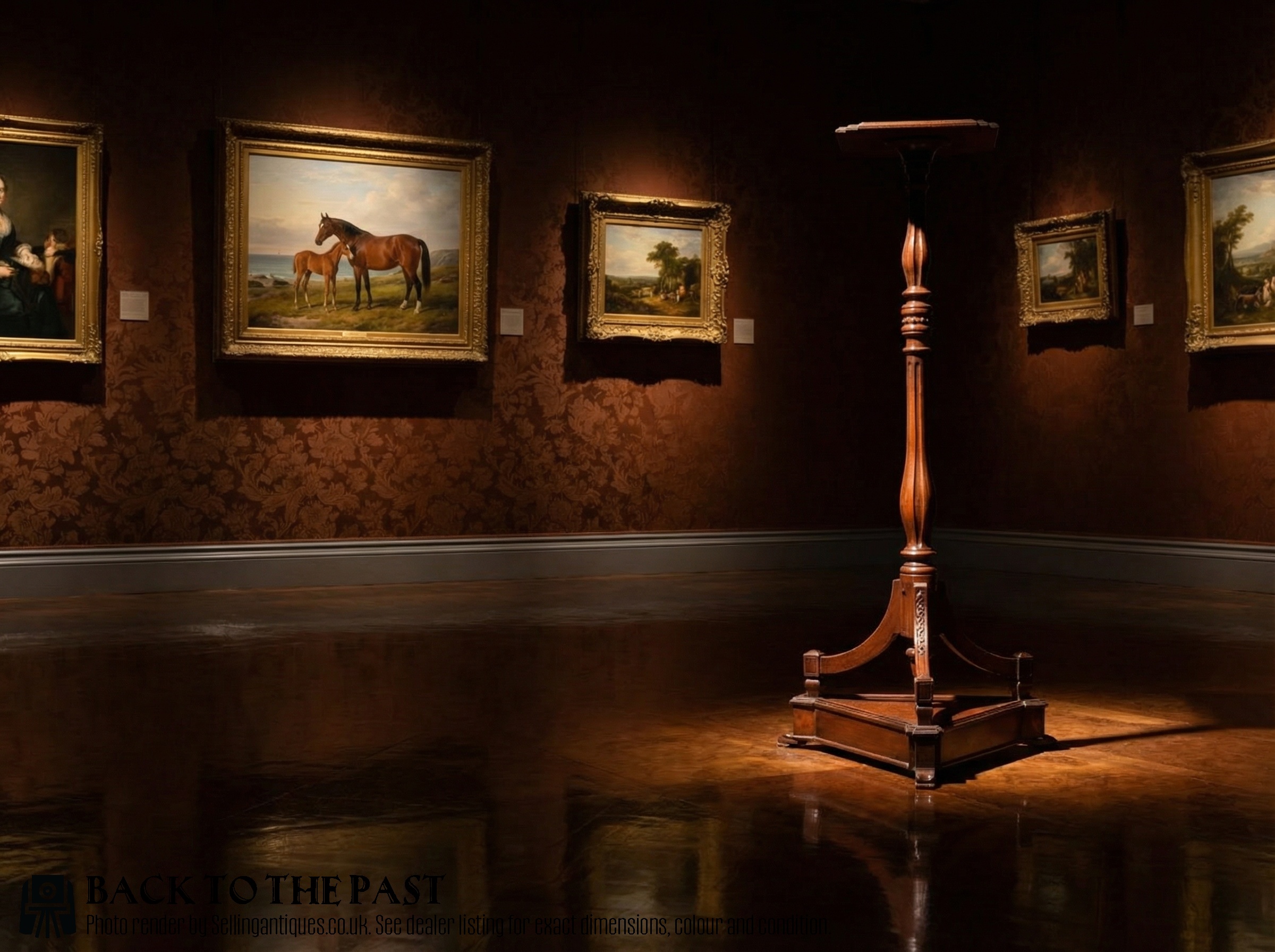
Tall Plant Display Column
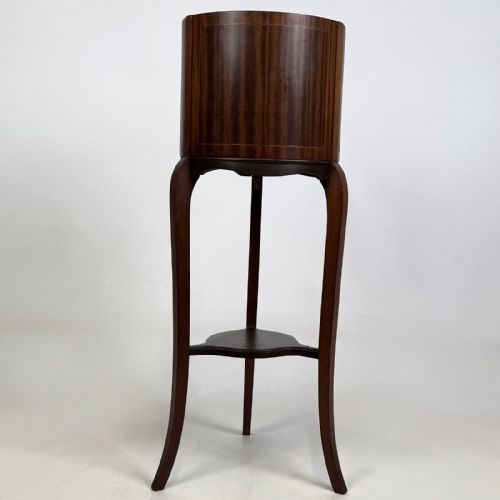
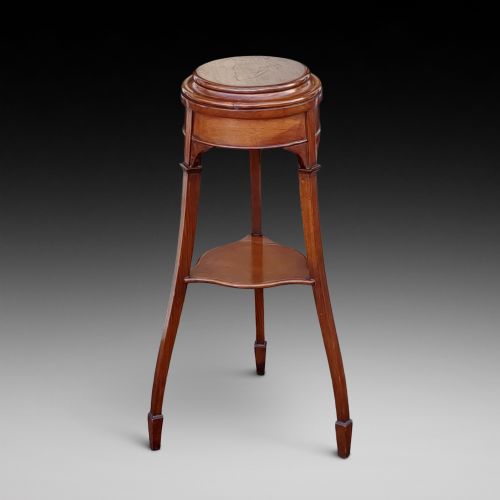
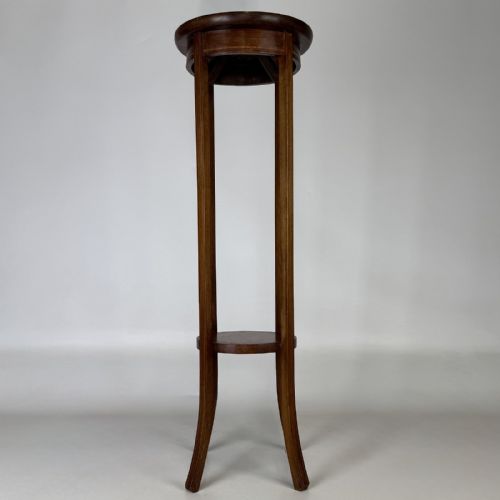
A tall plant display column serves to elevate vegetation, urns, or sculptural pieces within domestic and formal spaces. When searching for a tall plant display column, buyers encounter various formats including torcheres, pedestals, and plinths spanning the nineteenth and early twentieth centuries.
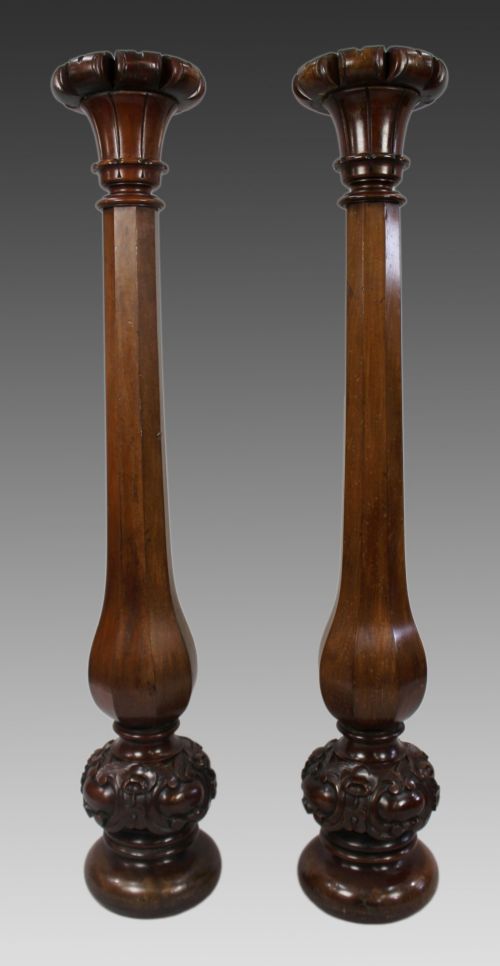
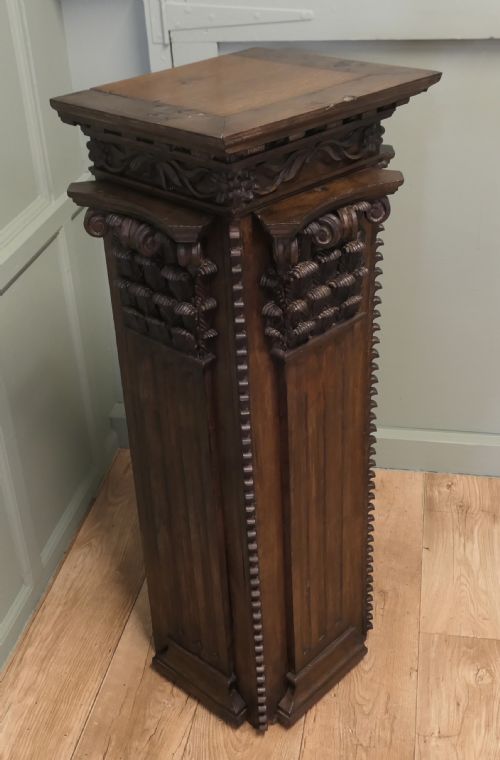
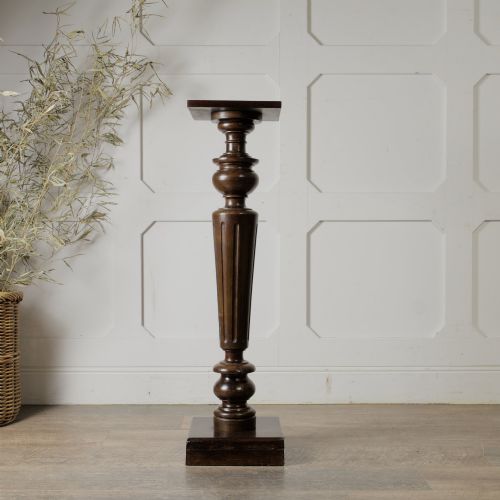
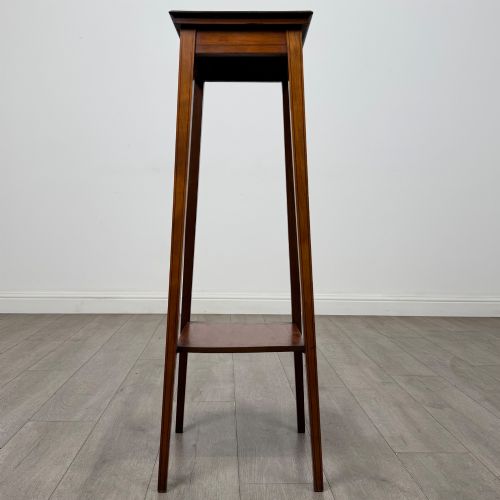
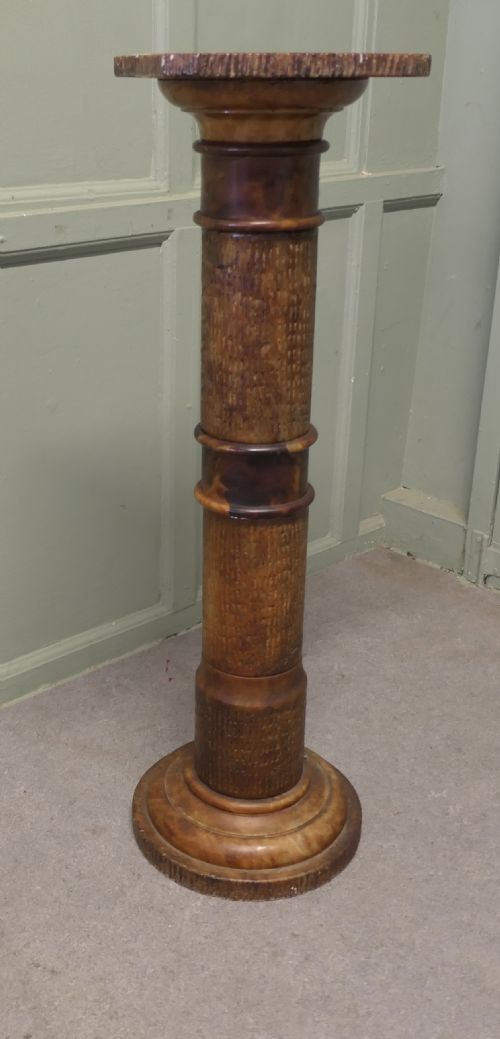
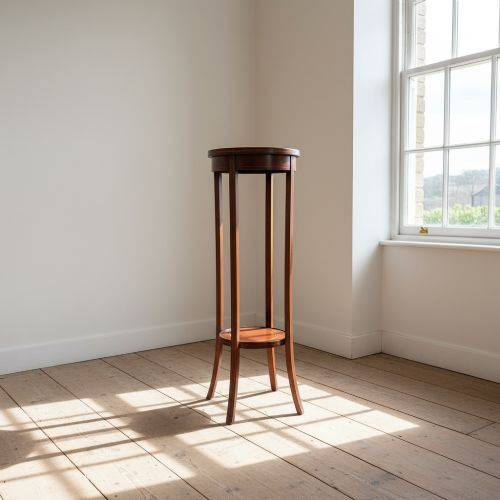
Victorian and Edwardian examples dominate the selection, often rendered in rich timbers like mahogany and walnut alongside decorative marbles. These pieces range from slender barley twist oak stands to heavy architectural columns designed to hold significant weight.
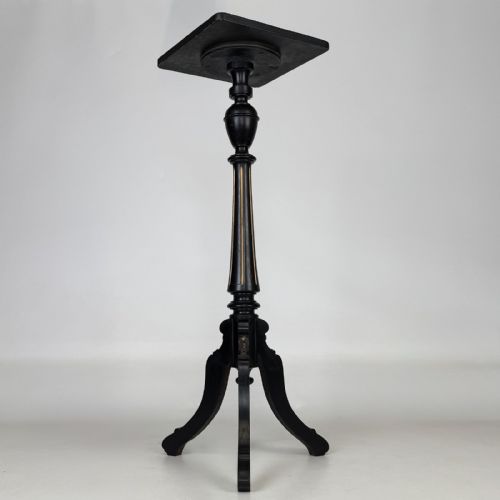
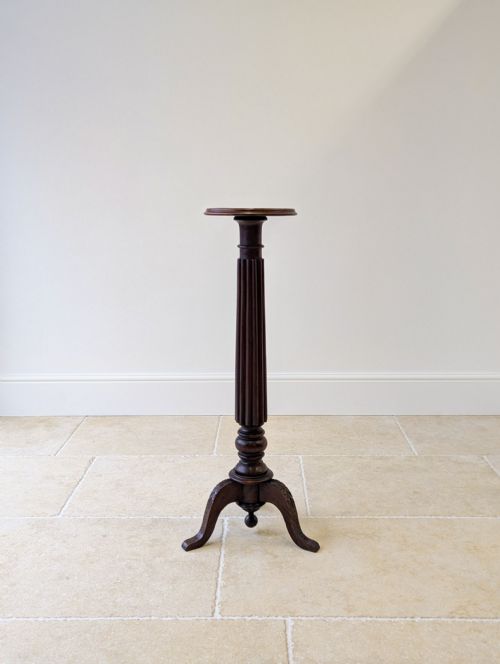
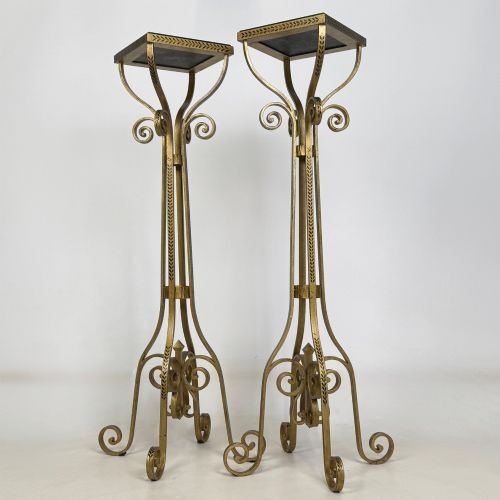
Forms vary from simple turned wooden shafts to elaborate Neoclassical columns and giltwood torcheres. The primary function remains the display of decorative objects, bringing vertical interest to corners and empty spaces.
Materials and construction methods
Cabinetmakers utilised dense timbers such as mahogany, walnut, and oak, often turning them on lathes to create slender shafts and fluted columns. Joinery techniques ensured stability for heavy items placed at height, utilising strong internal dowels and solid timber bases.
Alternative materials include statuary and arabescato marble, alongside carved gesso, painted plaster, and cast iron. Giltwood and brass accents appear on more formal torcheres, combining structural rigidity with decorative surface detail.
Tall Plant Display Column Retail Price Guide 2026
Typical asking prices for tall plant display column among the pieces listed under this phrase on Sellingantiques today, from the lower quarter to the upper quarter. They describe what is for sale here now, not the wider market.
Several heavy portico tables hide iron structures beneath their grand facades, built to endure generations of botanical weight.
Factors of distinction
Quality rests upon the selection of materials, from figured mahogany and Macassar ebony to genuine solid marble rather than painted substitutes. The weight and stability of the base dictate how safely a tall column can support heavy sculpture or large plants.
Carving depth and crispness separate standard production pieces from finer workshop creations. Hand-turned woodwork, detailed gesso enrichment, and well-fitted marble tops show the hand of a skilled maker.
Shoolbred
The Tall Plant Display Column Glossary
- Torchere
- A tall stand designed originally to hold a candle or lamp, later adapted for plants and sculpture. These pieces feature slender shafts supported by tripod or weighted bases.
- Pedestal
- A structural support or base for a bust, vase, or statue, typically square or circular in section. They provide a stable platform for display.
- Plinth
- A heavy flat-topped slab or block serving as the lowest base of a column. In these listings, it often refers to simpler, solid display stands.
- Gesso
- A plaster-like mixture applied to wood surfaces and carved or moulded before gilding or painting. It allows for intricate decorative relief work.
- Barley twist
- A form of woodturning resembling a spiralling rope or barley sugar stick. This technique became popular in oak furniture and plant stands during the late nineteenth and early twentieth centuries.
Tall Plant Display Column: Frequently Asked Questions
What is a tall plant display column used for?
These columns elevate indoor plants, urns, and decorative busts above floor level, drawing the eye upward and adding dimension to a room.
They work well in corners or empty wall spaces where traditional furniture would block circulation.
How do I choose the right height?
Consider the scale of the object you intend to place on top and the ceiling height of your room. Taller torcheres suit heavier architectural spaces, while lower pedestals balance intimate seating areas.
Ensure the top surface area matches the base of your planter or sculpture.
How do I date a wooden column?
Dating relies on timber choice, turning styles, and decorative motifs such as Neoclassical reeding or Edwardian inlaid marquetry. Victorian examples often display heavier carved mahogany, while 1920s pieces frequently feature oak or ebonised finishes.
Construction marks and fixings also provide clues to the period of manufacture.