
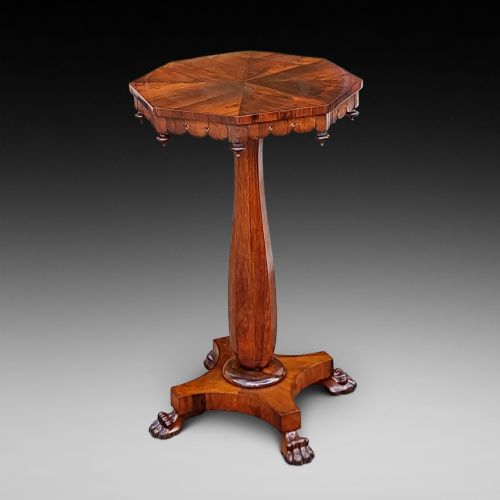
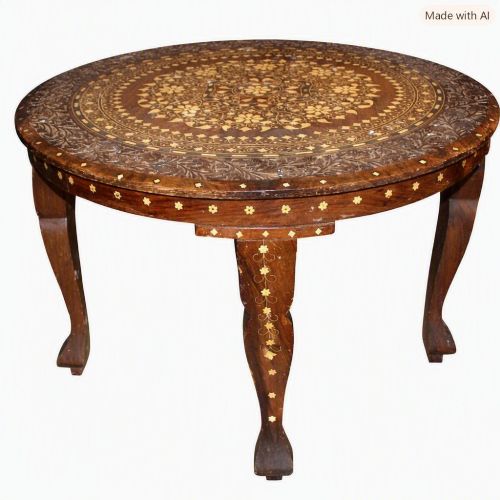
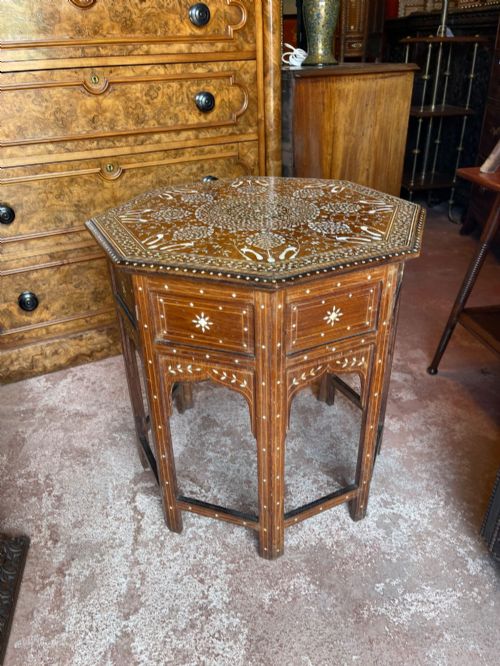
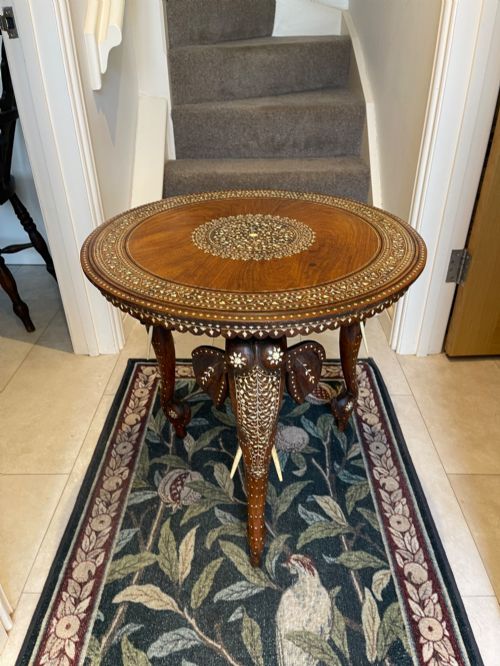
Vintage Rosewood Occasional Table
A vintage rosewood occasional table brings rich, dark timber and versatile surface space to a room, shifting easily from a lamp stand to a bedside perch.
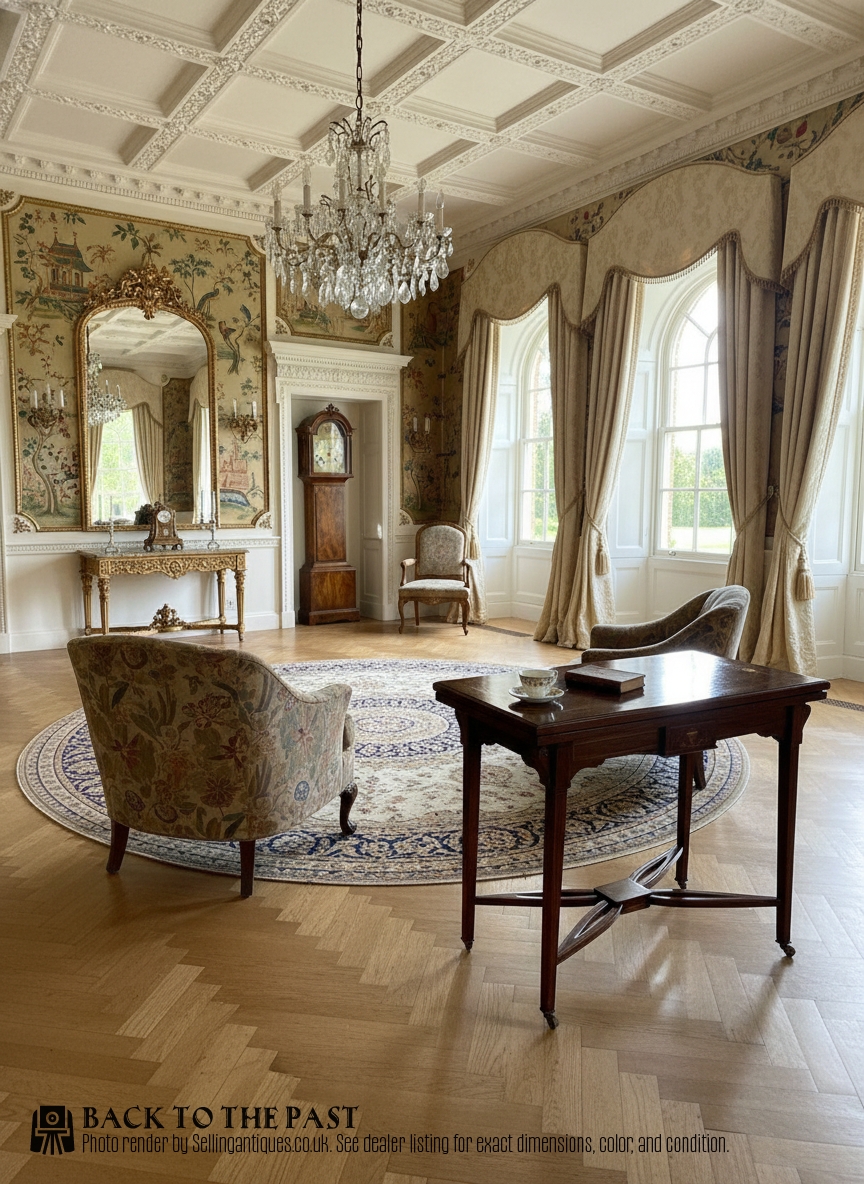
Vintage Rosewood Occasional Table
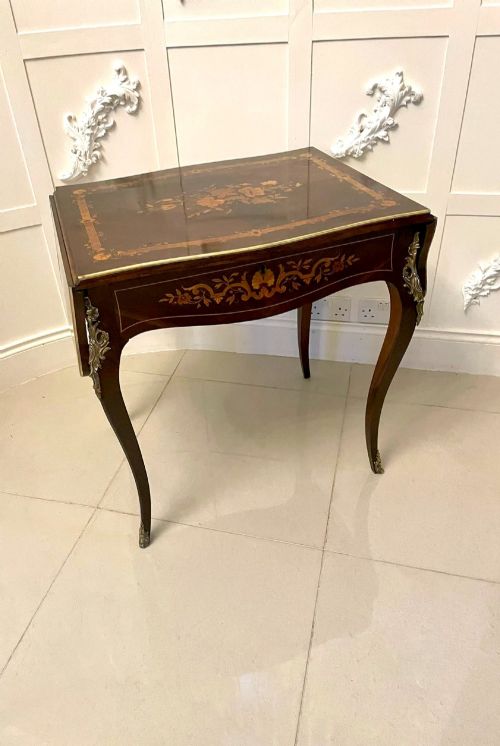
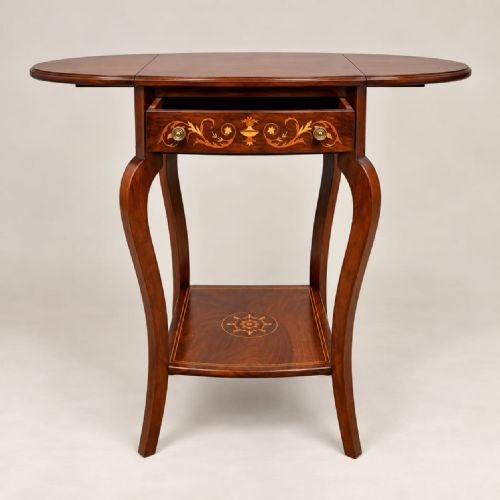
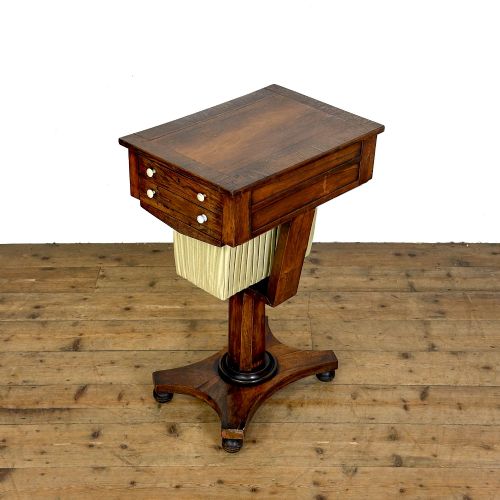
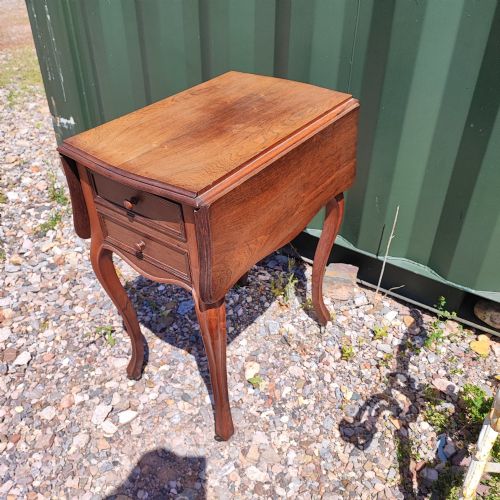
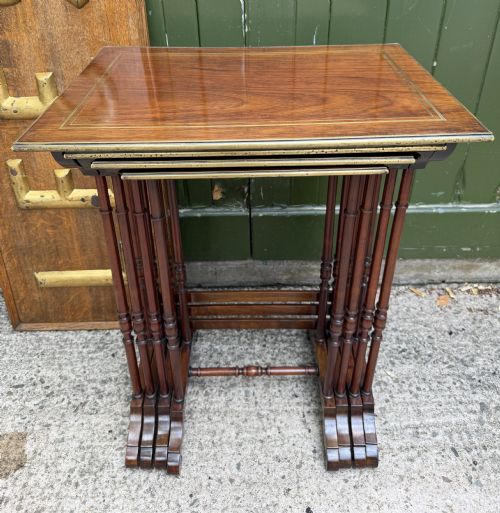
A vintage rosewood occasional table encompasses a wide variety of small, movable stands designed for specific utility and display around the home. When exploring this selection, buyers encounter pieces spanning the nineteenth century through the Art Deco era, including drop-leaf designs, quartetto nests, and games surfaces.
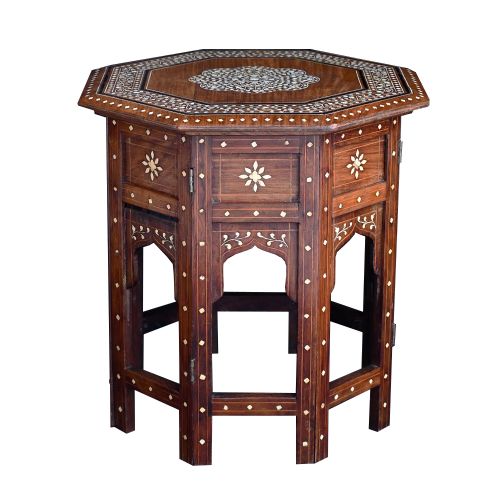
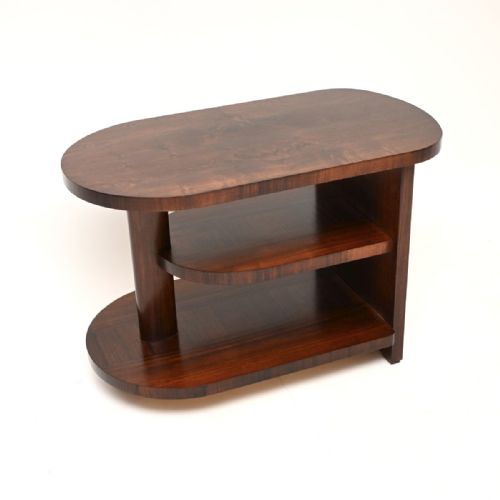
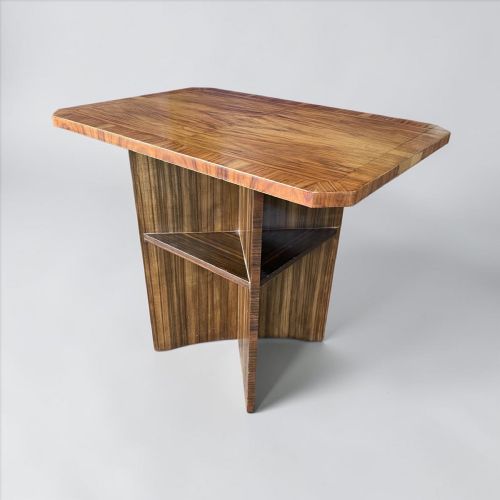
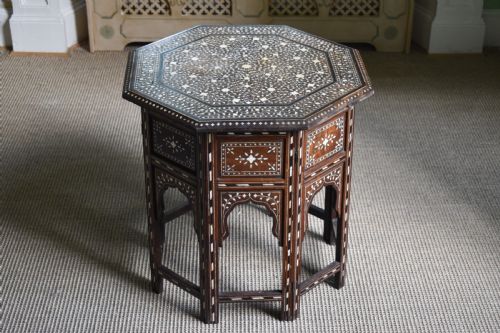
Period styles stretch from Regency and Victorian craftsmanship to Edwardian refinement and twentieth-century modernism. This means a buyer might select a heavily carved octagonal stand from Hoshiarpur or a streamlined geometric piece from the 1930s.
Materials and construction methods
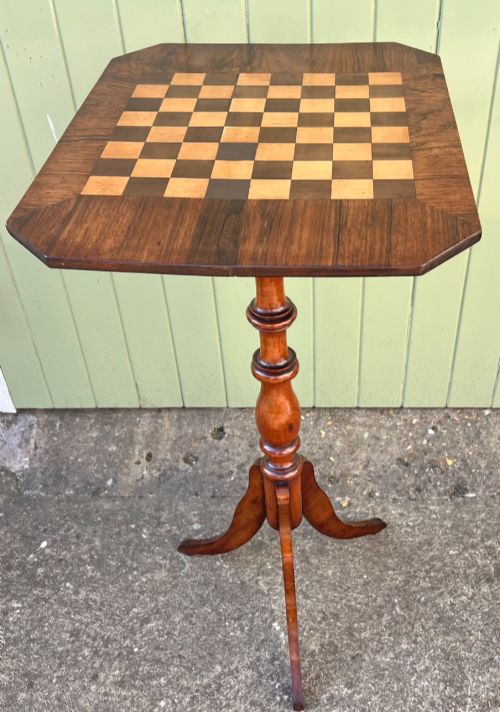
Rosewood forms the primary structural and visual base of these tables, prized for its dense grain and deep colour. Makers frequently combined this timber with contrasting inlay materials, utilising boxwood, satinwood, and brass to articulate geometric or floral patterns across the surface.
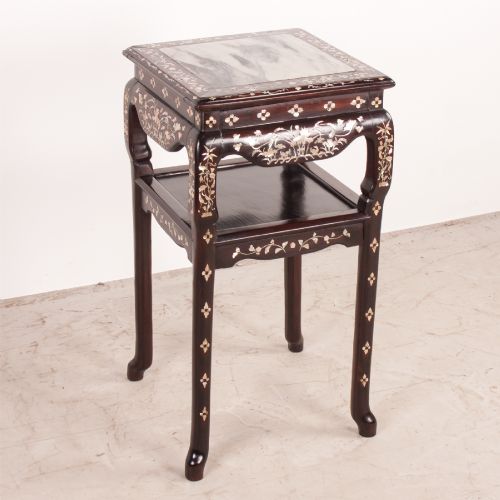
Intricate decoration often relied on organic additions, with bone, mother-of-pearl, and ivory meticulously set into carved recesses. Certain regional workshops employed deep relief carving directly into the dense hardwood, creating textured motifs of leaves, dragons, or figures.
Structural joinery varied by period and origin, from traditional drop-leaf hinges and barley twist turnings on European tables to specialised interlocking nests of quartetto tables. French examples frequently incorporated marquetry and polished brass mounts to finish freestanding centre tables.
Materials range from solid rosewood and padauk to delicate satinwood stringing, brass wire, and carved bone inlay.
Evaluating quality and execution
Quality in these tables rests upon the precision of the inlay work and the integrity of the timber ground. Superior examples display tight, flush fitting where bone, brass, or lighter woods meet the dark rosewood, with no visible gaps or careless filler.
The depth and clarity of the carving distinguish finer items from simpler production pieces. In Anglo-Indian or Chinese export work, crisp undercut foliage and smoothly polished surfaces demonstrate superior hand skill by the maker.
Structural stability and the preservation of original mechanisms, such as drop-leaf supports or nesting frames, separate well-maintained examples from altered pieces. The richness of the natural patina and the subtlety of the grain figure heavily in the overall success of the object.
Liberty & Co
The Vintage Rosewood Occasional Table Glossary
- Quartetto
- A set of four graduating tables designed to nest neatly beneath one another when not in use. They became particularly popular during the Regency period.
- Hoshiarpur
- A region in India renowned for intricate woodwork characterised by dense bone or brass inlay set into dark timber bases. Tables from this tradition often feature octagonal or folding structures.
- Marquetry
- The art of applying decorative pieces of veneer to a structural structure to form intricate pictorial or geometric designs. It requires exceptional precision in cutting and fitting.
- Drop leaf
- A table top featuring hinged flaps on one or both sides that can be folded down to save space or raised to extend the surface area.
- Etagere
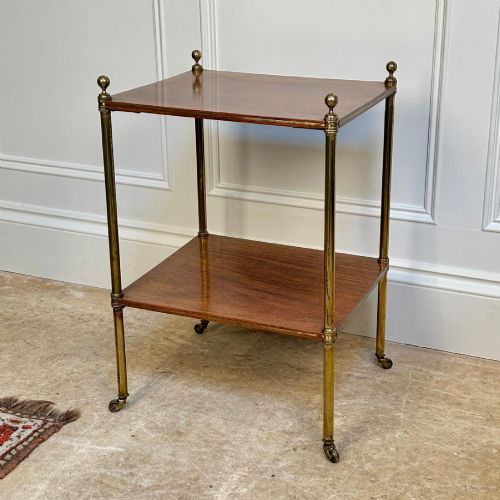
- A piece of furniture consisting of a set of open shelves for displaying small objects or ornaments. These often take a tiered circular or rectangular form.
Vintage Rosewood Occasional Table: Frequently Asked Questions
How were quartetto tables used?
A quartetto set of four nesting tables provided adaptable surface space for afternoon tea or writing during the Regency and Victorian eras. The graduated sizes allowed the smaller tables to slide away completely beneath the main top when floor space was needed.
In daily life, households separated the tables around a room to hold books, cups, or lamps. This clever space-saving design made them exceptionally popular in formal drawing rooms.
What distinguishes Anglo-Indian tables?
Anglo-Indian tables combine traditional British furniture forms with elaborate Indian craftsmanship, typically utilising dense rosewood or padauk. They are instantly recognizable by their profuse hand-carved foliage and intricate geometric inlay work.
Many of these pieces incorporate bone or mother-of-pearl set directly into the timber. They arrived in Britain through trade and colonial connections, bringing exotic textures into nineteenth-century interiors.
How do I care for rosewood?
Rosewood benefits from stable indoor humidity and protection from direct sunlight, which can fade its deep natural tones. Regular dusting with a soft, dry cloth maintains the polished surface without the need for heavy chemical polishes.
Applying a traditional beeswax sparingly helps nourish the grain and preserve the historic patina. Avoid placing wet glasses or hot items directly on the antique timber.
Are these tables sturdy enough for daily use?
Most antique occasional tables were built to support lamps, books, and cups, making them well-suited for gentle everyday placement. Heavier forms like centre tables and coffee tables offer robust foundations for living spaces.
Care should be taken with folding mechanisms on drop-leaf or nesting designs to protect historical joints. With mindful placement, they function reliably as practical furniture.