




Vintage Rosewood Chairs
These vintage rosewood chairs are solid timber seats from past centuries, offering rich grain and sturdy comfort that elevate any room.
Vintage Rosewood Chairs
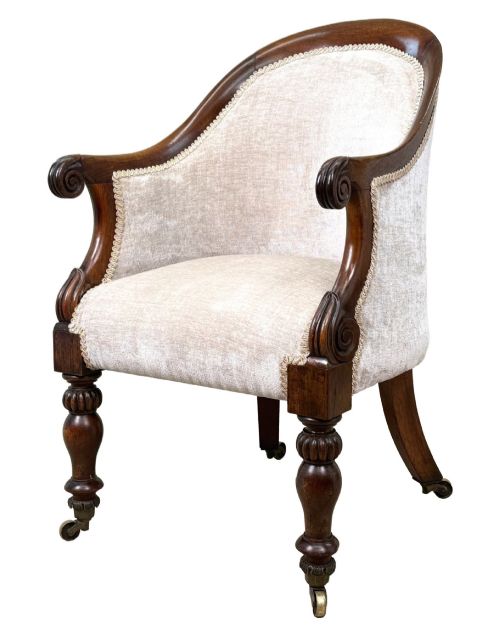
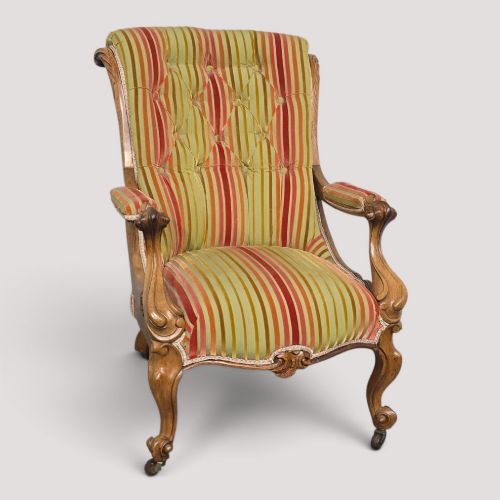
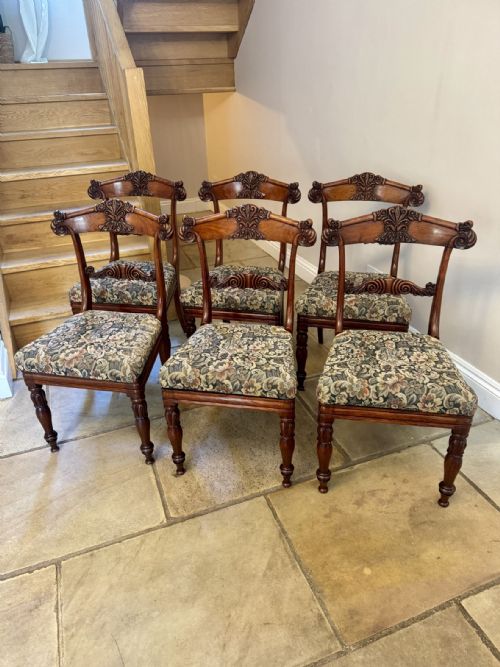
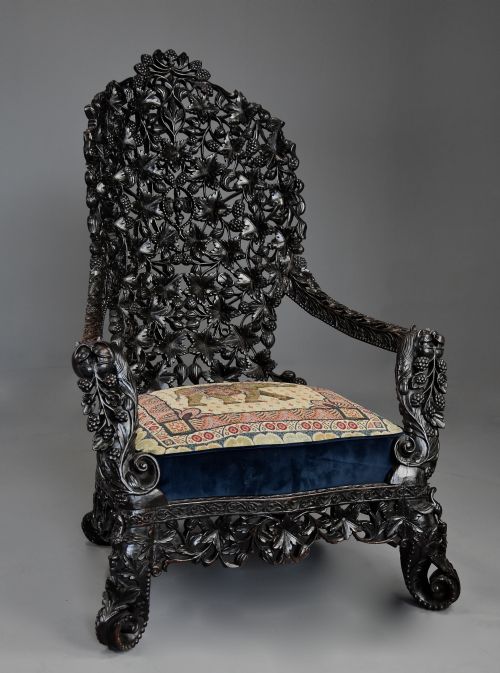
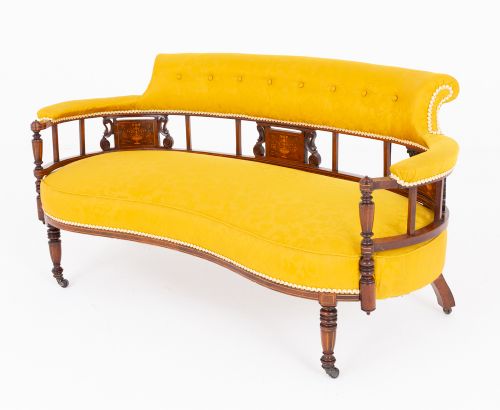
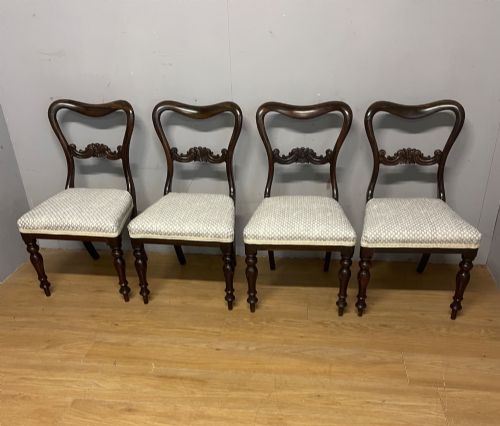
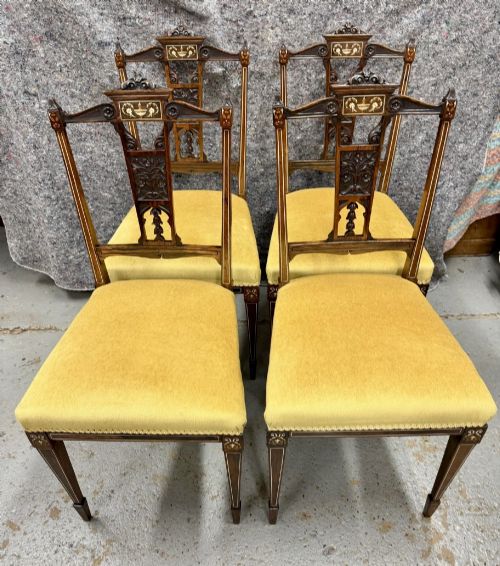
When you search for vintage rosewood chairs, you encounter a varied selection of timber seating spanning the Georgian, Regency, William IV, and Victorian periods. Dining chairs appear frequently in sets, often alongside library armchairs, desk chairs, and piano stools.
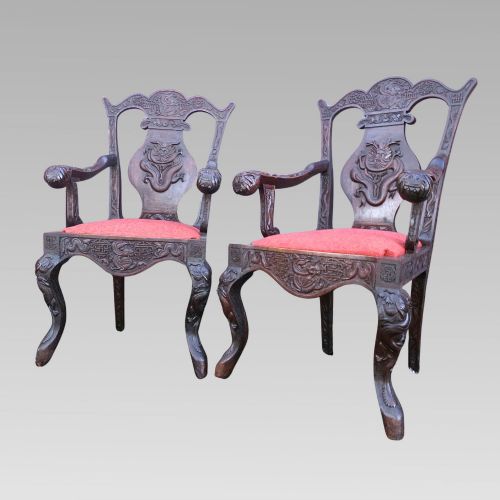
The assortment includes English craftsmanship alongside Anglo-Indian and colonial pieces, showing distinct regional turning and carving styles. Many examples incorporate upholstered pads, cane work, or leather inserts.
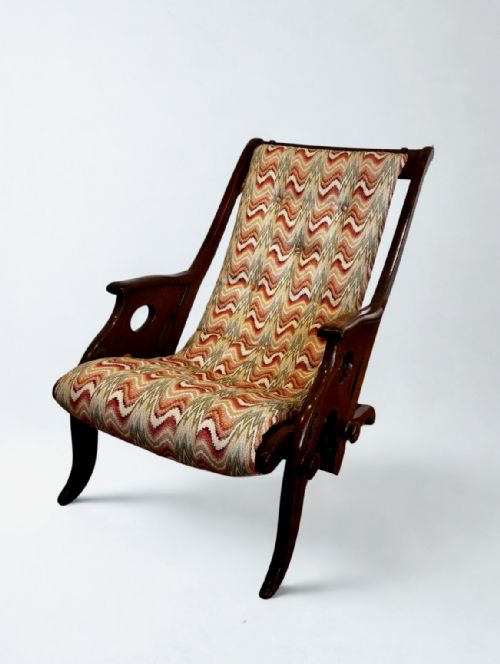
Forms range from simple balloon-back dining seats to elaborate campaign armchairs and reclining library chairs fitted with brass castors.
Materials and construction methods
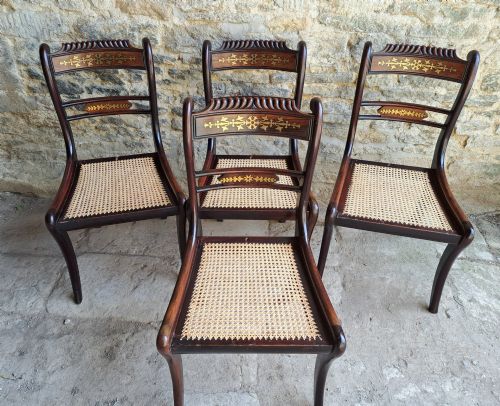
Cabinet makers utilised dense rosewood timbers, frequently turning, carving, or shaping the solid wood into cabriole legs and curved backs. Brass inlay, often cut into delicate scrollwork, adorns the top rails and splats of Regency dining sets.
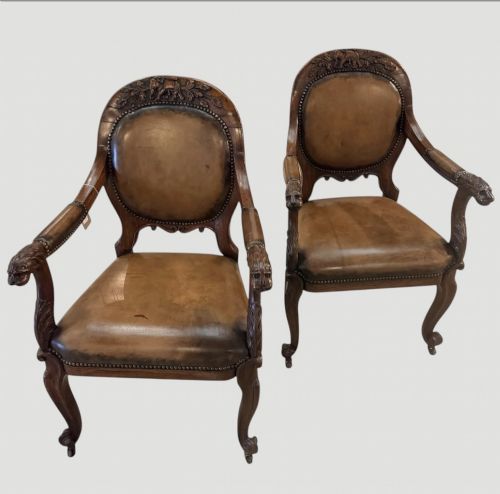
Upholstered elements rely on traditional stuffing fixed beneath textile, velvet, fabric, or red leather coverings secured with studs. Caned panels provide flexible support in specific library and colonial armchair variants.
Several chairs double as musical accommodations, including revolving piano stools and dedicated harpist seats.
Distinguishing quality in rosewood seating
The calibre of a piece rests upon the crispness of its hand carving and the depth of the natural timber grain. Superior examples retain matching sets of original brass castors and tightly joined structural framing without excessive movement.
The precision of brass inlay work separates standard production from exceptional cabinet work, alongside the original condition of leather or cane panels.
Gillows·J. Herbert McNair·Robert Daws
The Vintage Rosewood Chairs Glossary
- Rosewood
- A heavy, dense tropical timber prized for its dark grain patterns and polished finish. It forms the primary structural material for these chairs.
- Bergère
- An enclosed upholstered armchair with exposed wooden framing and cane sides. This form appears in library seating.
- Balloon-back
- A curved, oval chair back resembling a balloon outline, common in Victorian dining chairs.
- Campaign armchair
- A portable folding or dismantling chair designed for travel, constructed in solid rosewood with brass fittings.
- Caning
- Woven rattan material used to form light, supportive seats and backs on colonial and library chairs.
Vintage Rosewood Chairs: Frequently Asked Questions
How do I care for antique rosewood furniture?
Clean the timber surfaces using a soft cloth and avoid placing the chairs near direct heat sources or strong sunlight, which can dry out the wood.
Feed the polished finish periodically with appropriate furniture wax to maintain the moisture and depth of the rosewood grain.
Can I use these dining chairs every day?
Most antique dining chairs are built from solid timber frames designed for regular domestic use. Checking the joints beforehand ensures they remain stable for daily seating.
Heavier everyday wear requires sturdy construction and sound glue blocks beneath the seat frames.
What is the difference between Regency and Victorian styles?
Regency chairs often feature classical revival motifs, brass inlay, and saber legs reflecting early nineteenth-century neoclassical tastes. Victorian pieces lean towards heavier proportions, balloon backs, and cabriole legs.
Victorian designs also frequently employ deep buttoning on leather armchairs and reclining library seats.
Were brass castors original to these chairs?
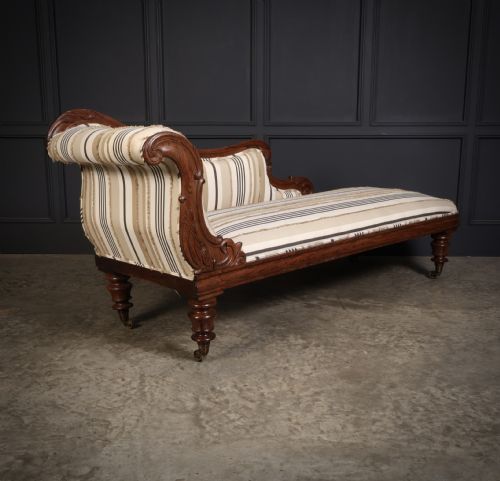
Many library armchairs, desk chairs, and chaise longues feature brass castors to aid movement across heavy carpets. These fittings were commonly integrated during the initial manufacture.
Inspecting the fixing pins reveals whether the castors belong to the original period of production.