




Vintage River Scene Painting
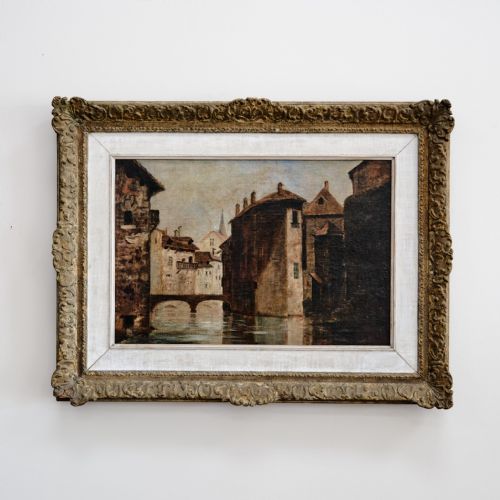
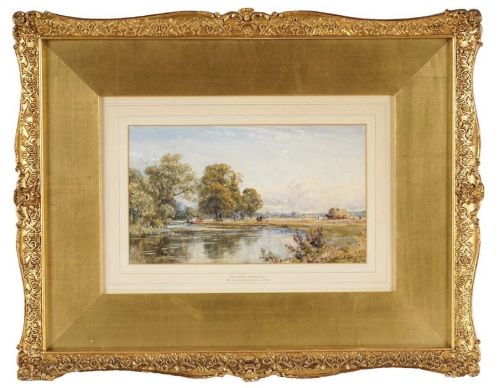
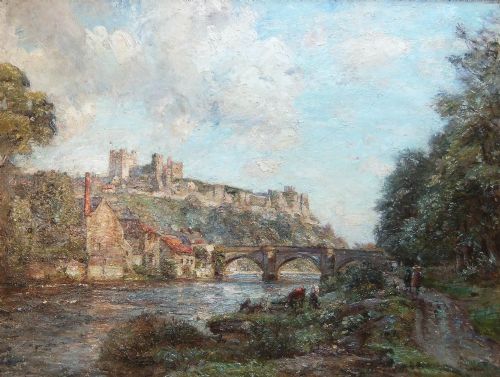
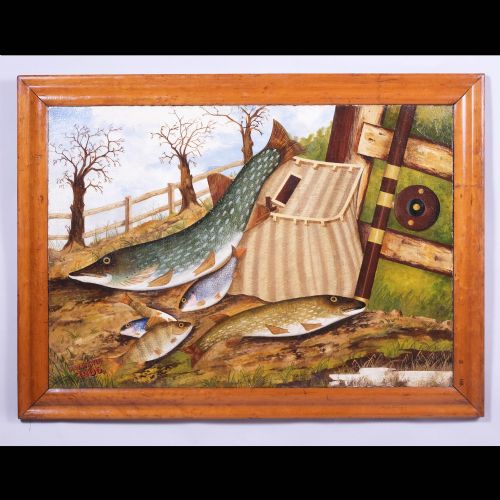
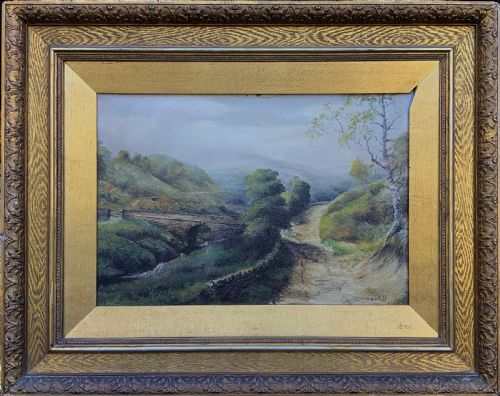
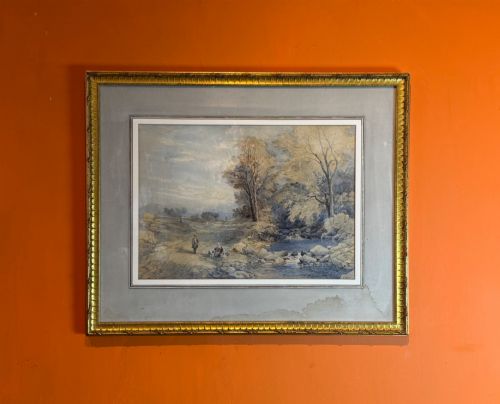
A vintage river scene painting captures the enduring appeal of moving water, bridges and willow-lined banks across British and European landscapes.
Vintage River Scene Painting
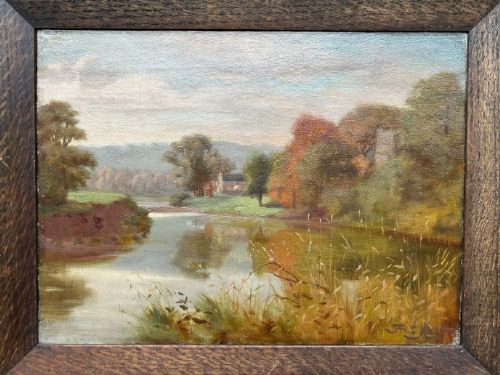
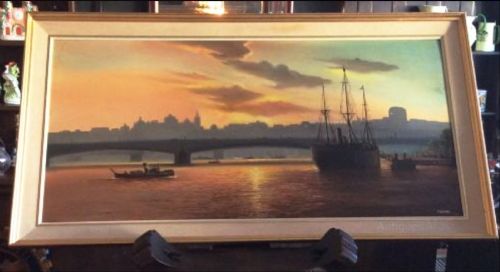
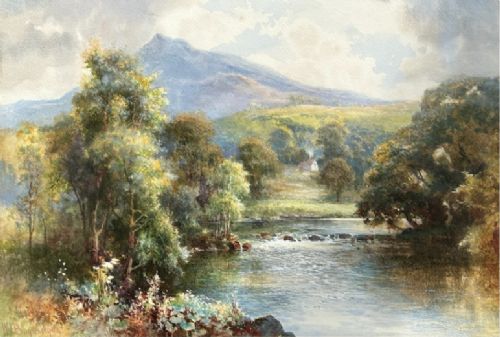
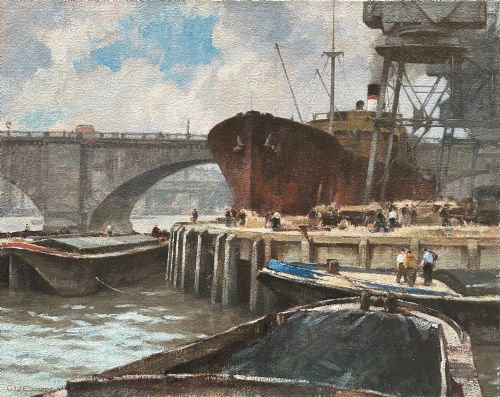
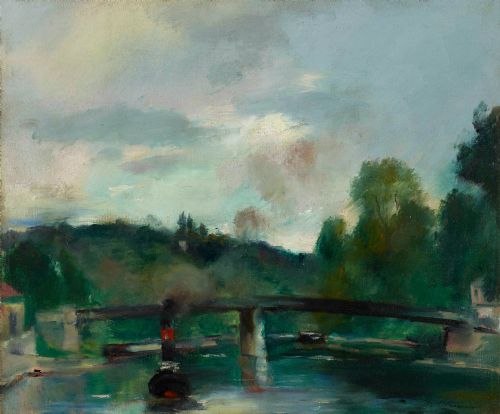
A vintage river scene painting depicts waterways, estuaries and pastoral banks, often featuring barges, fishermen or bridges. These works span from the late nineteenth century through to the mid twentieth century, covering periods such as the Victorian era, Edwardian period and mid-century movements.
The pieces on this page appear primarily as oil paintings on canvas or board, alongside watercolours on paper. Subjects range from British rivers like the Thames, Tees and Llugwy to continental views along the Seine and Dutch waterways.
Buyers will encounter works by named artists alongside pieces belonging to the British, French, Flemish and Dutch schools. Compositionally, these paintings vary from panoramic views to intimate woodland streams.
Materials and construction
Artists painted these works primarily using oil paint or watercolour applied to canvas, wood panel, board or paper. Canvases are frequently stretched over wooden frames, whilst panels provide a rigid support for detailed brushwork.
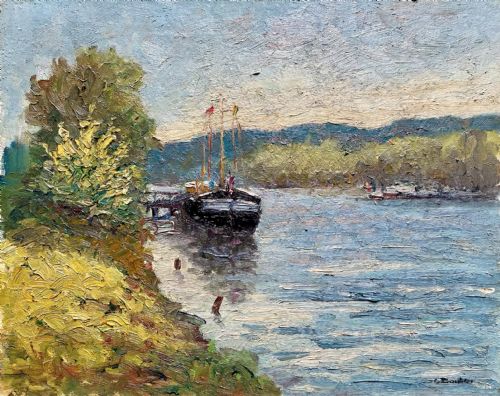
Framing often involves moulded wood finished with gesso to create decorative borders. Pigments were worked with varied brush techniques, ranging from smooth academic application to visible, textured impasto strokes characteristic of impressionist methods.
Vintage River Scene Painting Retail Price Guide 2026
Typical asking prices for vintage river scene painting among the pieces listed under this phrase on Sellingantiques today, from the lower quarter to the upper quarter. They describe what is for sale here now, not the wider market.
Expect painted cows lingering by riverbanks and fishermen waiting patiently beneath willow trees.
Factors that define quality
Quality in these works rests upon the confidence of the brushwork and the artist's handling of light upon water. Strong compositions achieve depth through balanced tonal contrast rather than reliance on mere detail.
The preservation of the pigment layer, stability of the canvas or panel, and the originality of the surface condition determine the integrity of each piece. Works that retain their original signed attribution and untouched framing demonstrate higher desirability.
Kenneth Cozens·George Graham·Alfred Young Nutt·Frederick Marriott·William Joseph Boyes·Robert Thorne Waite·Cyril Walduck Edwards·Henri Ottmann·Herbert Royle·Florence Adelina Hess·Sydney Yates Johnson·Hubert Wellington·Archibald Kay·Henri Jaques Delpy·Arthur Herbert Rigg·Ron Folland·Thomas Bush Hardy·J Phipps·David Watts·Edward Henry Eugene Fletcher·Frank Hider·William Grant Murray·Alfred Grey
The Vintage River Scene Painting Glossary
- Impasto
- Paint applied thickly to a canvas or panel, standing out in relief from the surface. This technique allows brush marks to catch the light and add physical texture to the water or foliage.
- Gesso
- A plaster-like mixture applied to wood or canvas as a base for painting or moulding into decorative frames. It provides a smooth, stable ground for the application of oil or acrylic colours.
- Watercolour
- A paint consisting of pigment suspended in a water-based solution, typically applied to paper. It relies on the white of the paper to show through translucent washes.
- Board
- A rigid flat surface made from wood pulp or timber used as a support for oil or acrylic paintings. It offers a firm alternative to stretched canvas.
Vintage River Scene Painting: Frequently Asked Questions
How do I date a river landscape painting?
Dating relies on stylistic clues, artist signatures, framing materials and the type of canvas or board used. Victorian and Edwardian works often feature tighter brushwork, whilst mid-century pieces tend toward impressionistic abstraction.
Examining the reverse of the stretcher bars or panel frequently reveals labels, exhibition stamps or inscriptions that narrow down the decade of creation.
What is the difference between oil and watercolour river paintings?
Oil paintings utilise pigment bound in drying oils applied to canvas or wood, offering rich textures and deep colour saturation. Watercolours use water-soluble mediums on paper, resulting in luminous, transparent effects.
Oils are generally more robust and traditionally require stretching and framing behind glass only when executed on paper.
Where should I hang a vintage river painting?
Select a wall with stable ambient temperature away from direct, harsh sunlight to protect the pigments from fading over time. These works pair well with traditional or transitional interiors where natural wood tones predominate.
Ensure the hanging height places the centre of the canvas at comfortable eye level for seated or standing viewpoints.
Are these paintings original or prints?
The pieces listed here are original hand-painted works executed directly onto their respective supports by the artist. Close inspection under magnification reveals raised brush strokes, pigment layering and hand-mixed colour gradations absent in mechanical reproductions.
Signatures are written by hand in paint or ink rather than printed as part of an image matrix.