


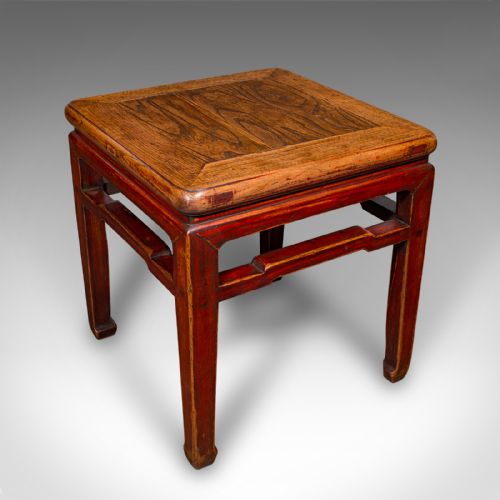


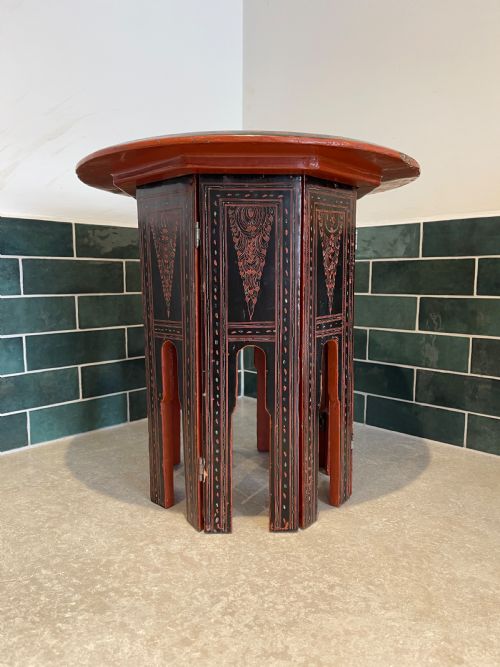

Vintage Red Lacquered Table
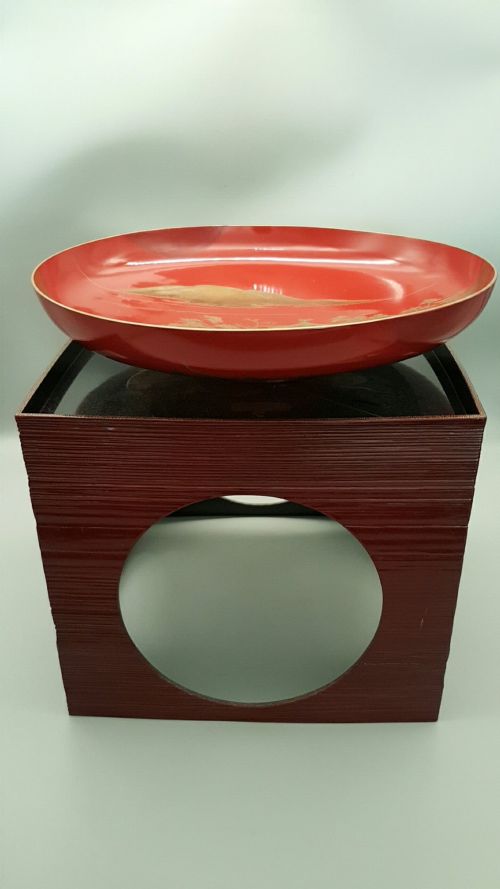
A vintage red lacquered table brings rich colour and hand-painted artistry into a room, offering both practical surface space and distinct historical character.
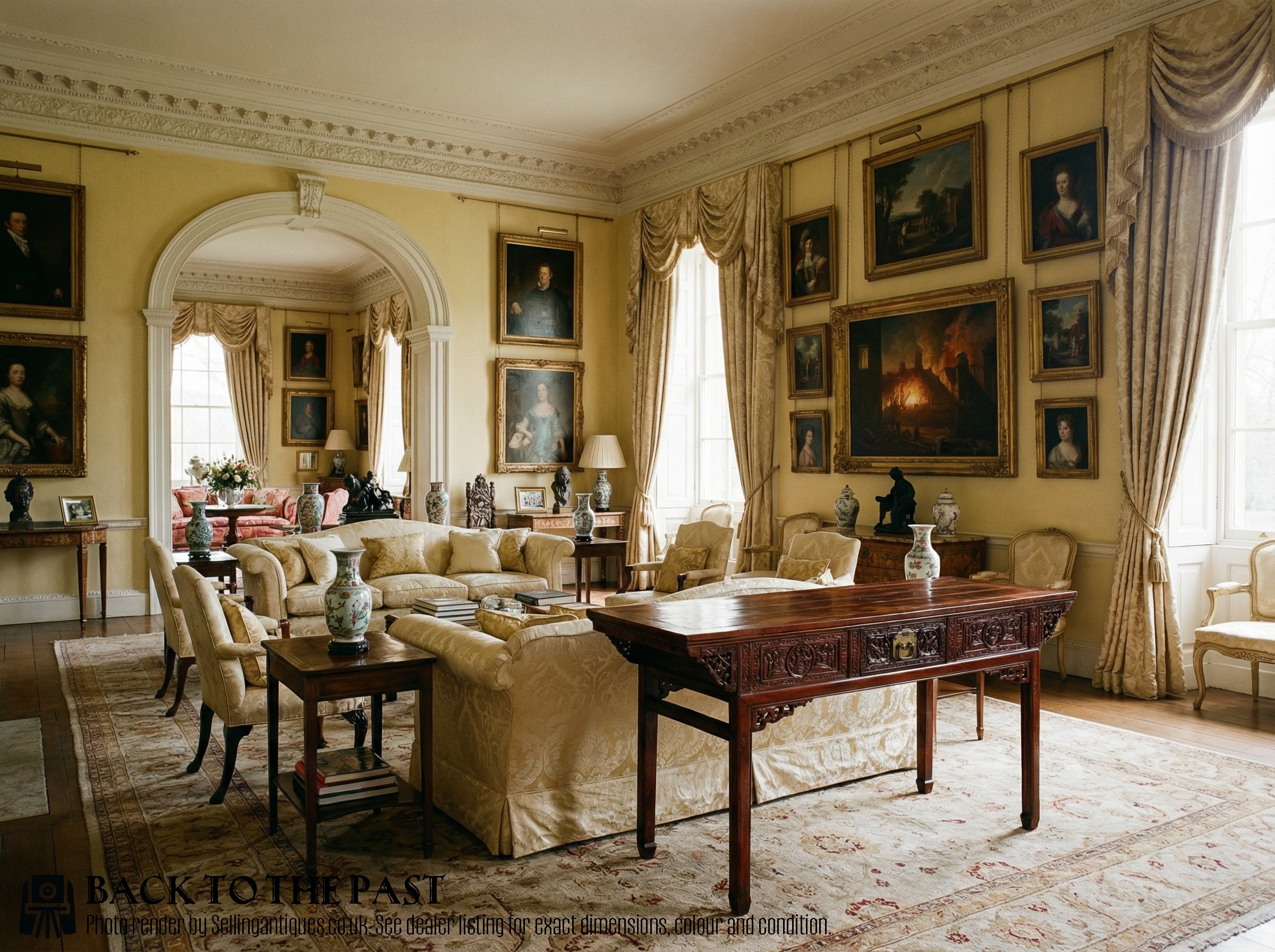
Vintage Red Lacquered Table
A vintage red lacquered table encompasses low tea tables, side tables, altar tables, and console pieces originating from various traditions. Buyers searching for a vintage red lacquered table will encounter items fashioned from wood, elm, and lacquered wood, reflecting diverse regional craftsmanship.
The selections span the nineteenth century, the Victorian era, and the early decades of the twentieth century, including Meiji period Japanese pieces and Chinoiserie styles. Forms range from compact occasional furniture to substantial writing desks and side tables.
Makers and artisans across Asia and Europe applied layered lacquer finishes in vibrant red hues, sometimes incorporating gold leaf decoration. These surfaces create striking visual focal points within both traditional and contemporary interiors.
Materials and construction methods
Construction relies upon traditional timber frames, utilising woods such as elm, which provides a stable foundation for decorative surface treatments. Artisans applied successive layers of lacquer to build durable, lustrous finishes that define the appearance of each piece.
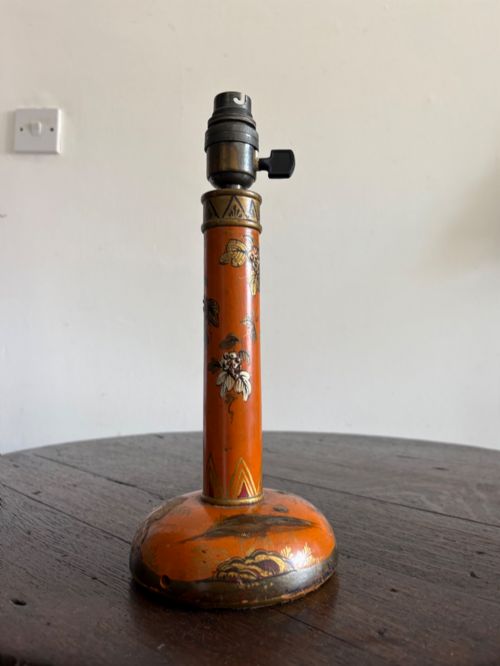
Surface ornamentation frequently includes hand-painted details, Chinoiserie motifs, and gilded accents executed in gold leaf over the red lacquer base. These meticulous techniques required patience and specialised skill to achieve the characteristic depth and shine.
The inventory incorporates items from the nineteenth century, Victorian era, and early twentieth century, spanning Chinoiserie and Meiji styles.
Assessing quality in lacquered furniture
The refinement of the painted decoration and the depth of the lacquer finish distinguish superior examples from standard production. Intricate hand-painted motifs and well-preserved gold leaf indicate a higher level of artisan investment.
The integrity of the underlying wooden structure and the condition of the lacquer layer significantly influence the overall merit of the furniture. Uniform application and minimal loss to the delicate red surfaces demonstrate careful historical preservation.
The Vintage Red Lacquered Table Glossary
- Lacquer
- A durable finish derived from tree sap or resin, applied in multiple coats to create a smooth, glossy surface. It protects the underlying wood while providing a vibrant canvas for colour and decoration.
- Chinoiserie
- A European artistic style reflecting Chinese motifs and techniques, popular in furniture decoration during the eighteenth and nineteenth centuries. Artisans utilised this aesthetic to imbue domestic pieces with exotic visual appeal.
- Meiji
- A period in Japanese history spanning from 1868 to 1912, noted for distinctive craftsmanship in lacquerware and metalwork. Items from this era often display meticulous attention to detail and traditional decorative arts.
- Altar table
- A traditional rectangular table form originating in China, characterised by upturned ends and elongated proportions. These pieces were originally designed for ceremonial use but function well as decorative console tables.
- Elm
- A resilient hardwood utilised in furniture manufacturing for its strength and attractive grain patterns. It provides a stable structural base for applied lacquer finishes.
Vintage Red Lacquered Table: Frequently Asked Questions
How do I clean a lacquered table?
Dust the surface gently with a soft, dry microfibre cloth to remove everyday particles without scratching the delicate finish. Avoid using chemical sprays, abrasive cleaners, or excess water, which can penetrate and damage the historical lacquer layers.
Maintain stable indoor humidity levels and keep the furniture away from direct sunlight to prevent fading or cracking of the red finish. Occasional gentle care preserves the lustre and integrity of the decorative surface.
Where should I place a red lacquered table?
Position the piece as a focal point in a hallway, living room, or study where its vibrant colour can complement neutral surroundings. Console and side tables function effectively against plain walls that highlight their intricate painted details.
Ensure the location avoids extreme temperature fluctuations from radiators or direct heat sources, which stress aged wood and lacquer. Thoughtful placement protects the piece while allowing it to serve practical daily functions.
What is the difference between Chinoiserie and Japanese Meiji styles?
Chinoiserie represents European interpretations of Chinese art, featuring imaginative landscapes, figures, and gilded motifs on lacquered surfaces. This style was predominantly produced in Western workshops influenced by imported Asian goods.
Japanese Meiji pieces reflect authentic domestic craftsmanship from late nineteenth and early twentieth century Japan, utilising traditional lacquer techniques. These items display distinct cultural iconography and specialised regional manufacturing methods.