


Traditional Chinese Hallway Table
These traditional chinese hallway table pieces bring provincial craftsmanship and striking silhouettes into modern spaces.
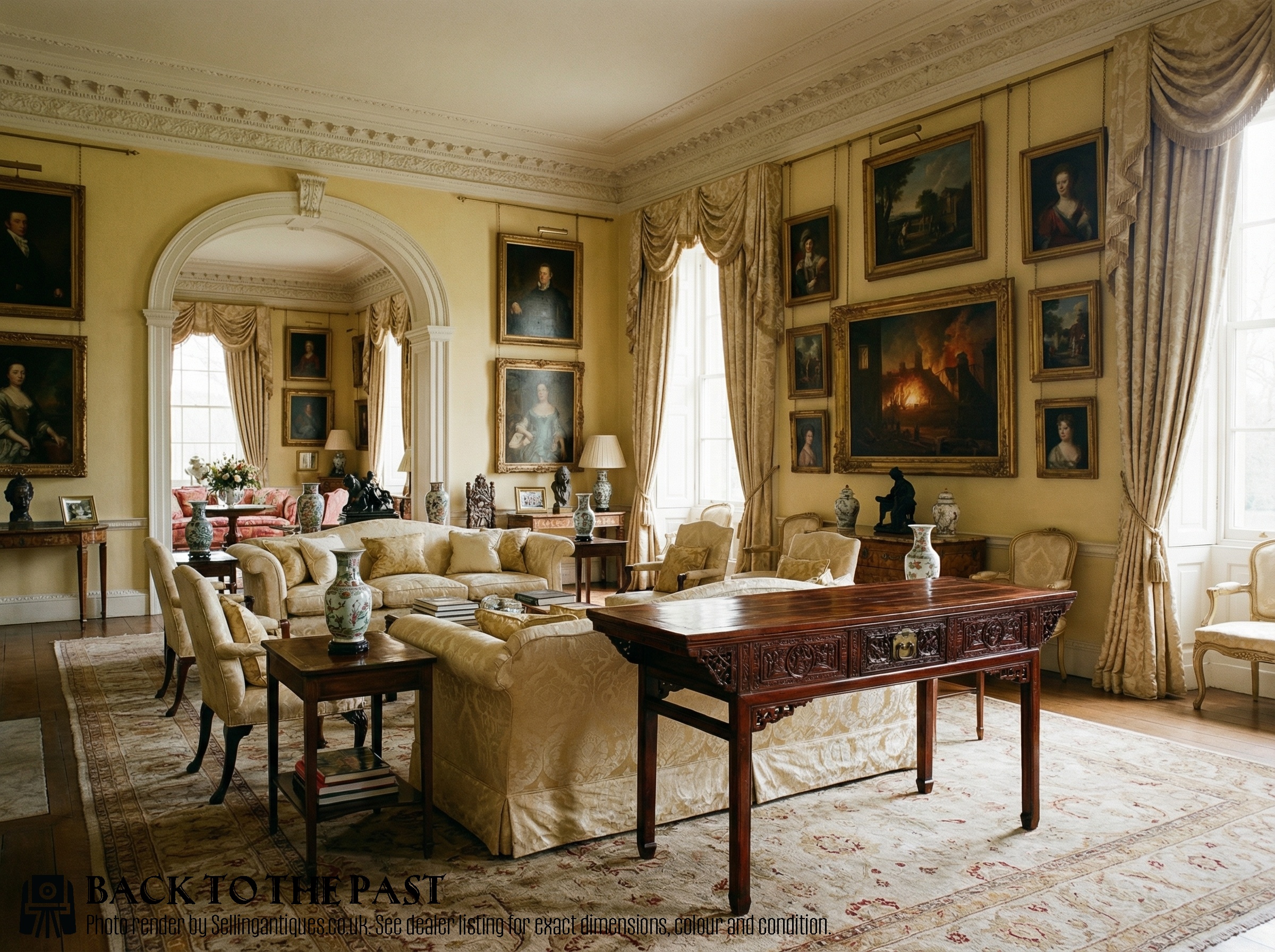
Traditional Chinese Hallway Table
The selections encountered here span styles such as Qing Dynasty and Chinese provincial designs. Buyers frequently discover elm or hardwood timber constructions that reflect traditional woodworking methods.
Pieces range from simple three drawer console tables to grand altar tables and red lacquered surfaces. Each object provides a direct connection to historical Chinese cabinet making traditions.
Materials and construction methods
Makers utilised solid hardwood, elm, and timber to build durable frameworks that withstand daily use. Metal elements occasionally appear as structural or decorative accents on these wooden builds.
Surface treatments include red lacquer finishes applied to highlight the underlying wood grain and form. Carved details demonstrate traditional hand carving techniques applied across panels and structural supports.
Traditional Chinese Hallway Table Retail Price Guide 2026
Typical asking prices for traditional chinese hallway table among the pieces listed under this phrase on Sellingantiques today, from the lower quarter to the upper quarter. They describe what is for sale here now, not the wider market.
Current listings feature nineteenth century pieces constructed from elm, hardwood, and red lacquer.
Judging quality in traditional Chinese tables
Quality rests in the integrity of the timber selection and the precision of the joinery used to assemble the frame. Solid hardwoods and dense elm elements exhibit greater stability and longevity than lighter timbers.
The refinement of carved ornamentation and the preservation of original red lacquer surfaces distinguish exceptional examples from simpler provincial work. Proportion and balance in the console or altar form dictate visual impact within a room.
The Traditional Chinese Hallway Table Glossary
- Altar table
- A traditional Chinese table featuring an elongated rectangular top, often with upturned flanged ends. These pieces historically stood against walls in halls or temples.
- Console table
- A wall mounted or freestanding table designed for narrow spaces such as hallways. The listings frequently group console and altar forms together.
- Qing Dynasty
- The final imperial dynasty of China, spanning from sixteen forty-four to nineteen eleven. Pieces from this era often display traditional carved motifs and robust proportions.
- Elm
- A durable hardwood commonly utilised in Chinese furniture manufacturing. It provides a strong grain pattern suitable for traditional provincial tables.
Traditional Chinese Hallway Table: Frequently Asked Questions
What is an altar table?
An altar table is a long, narrow surface traditionally used for ceremonial displays in homes or temples. They are characterised by clean architectural lines and often feature distinctive flanged ends.
In contemporary interiors, these tables function effectively in hallways or living areas as display surfaces. Their narrow footprint allows them to sit flush against walls without obstructing pathways.
How do I style a hallway table?
A hallway table benefits from balanced placement against a clear wall space. Pairing the furniture with complementary lighting or art enhances its architectural presence.
Keep surface items minimal to let the timber grain and carved details remain visible. The narrow proportions of console and altar tables suit entranceways and corridors particularly well.
What woods were used?
Makers relied heavily on elm, solid hardwood, and general timber varieties. These materials provided the structural strength required for large console and bench forms.
Surfaces were occasionally finished with red lacquer to add colour and protection. The natural grain of the hardwood remains a defining characteristic of these pieces.
How old are these tables?
The available pieces primarily date from the nineteenth century, including objects from around eighteen seventy and nineteen hundred. Qing Dynasty styling heavily influences the aesthetic of these items.
Design influences sometimes reference earlier periods, such as seventeenth century Kangxi aesthetics. Construction methods reflect traditional workshop practices from these eras.