



Vintage Reclining Armchair
A vintage reclining armchair offers mechanical ingenuity paired with deep-seated comfort, spanning campaign models to colonial planter designs.
Vintage Reclining Armchair
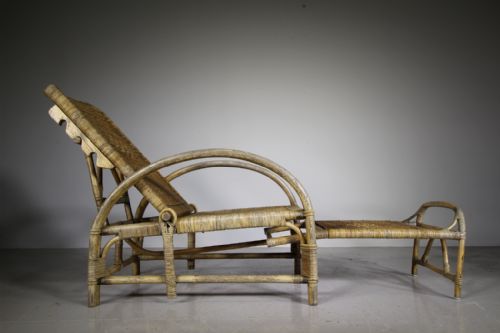
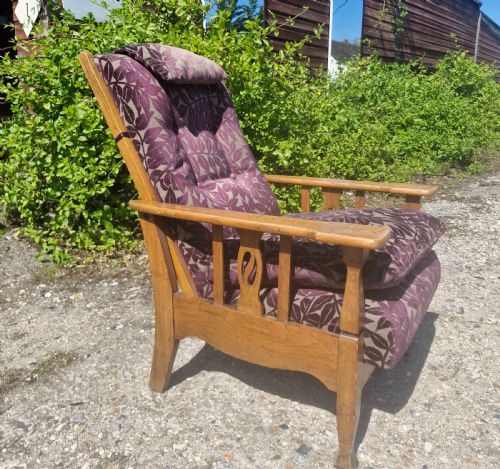
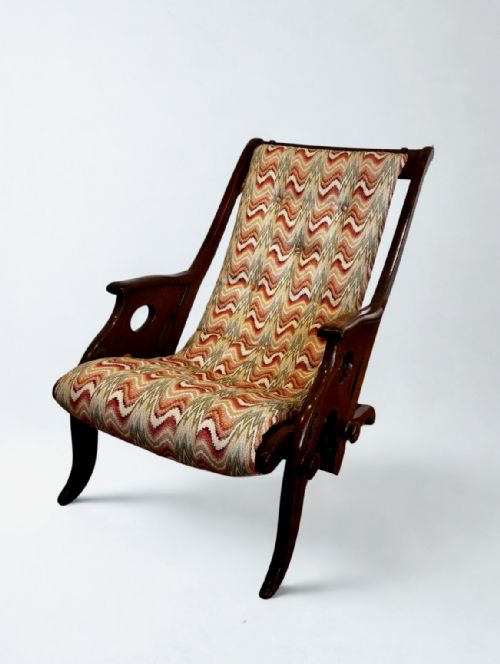
When you search for a vintage reclining armchair, you encounter adaptable seating solutions built across the nineteenth and early twentieth centuries. These pieces encompass campaign chairs, library chairs, steamer chairs, and colonial planter's chairs designed for adjustable repose.
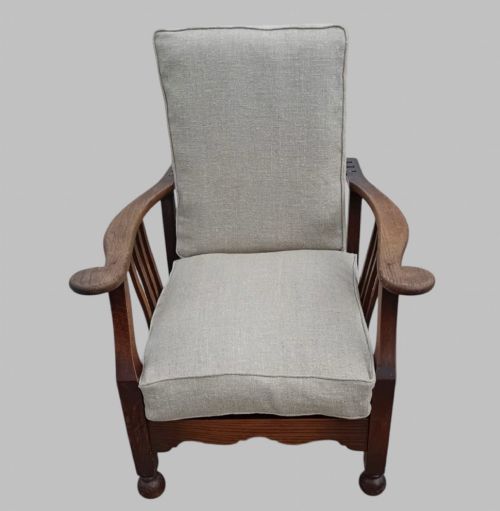
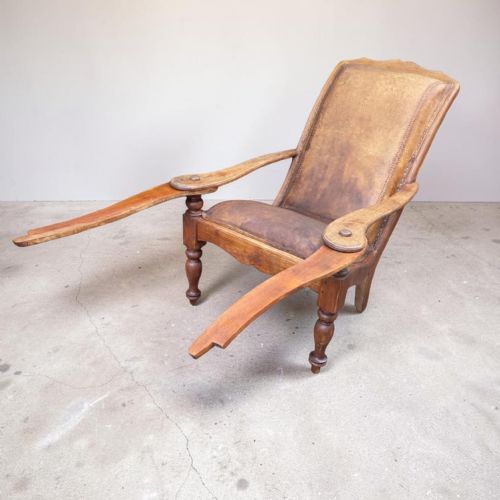
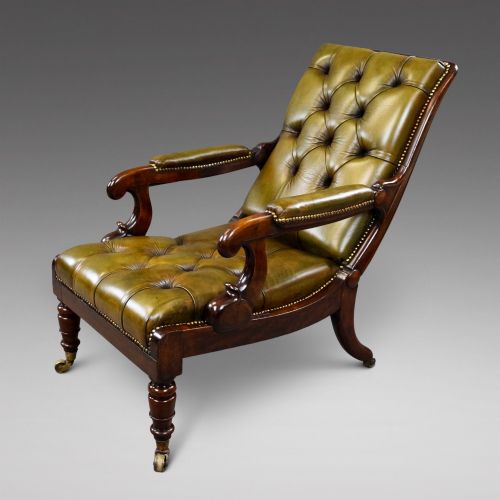
The selections on this page draw from periods including the Regency, Victorian, Edwardian, and Arts and Crafts eras. Forms range from heavy mahogany library models to folding oak frames and extensive teak lounging seats with extending arms.
Makers and styles reflect both British craftsmanship and colonial influence, featuring structural adjustments such as ratchet backs and folding mechanisms. Buyers find diverse iterations suited for studies, gardens, and libraries.
How they were made
Carpenters utilised dense hardwoods like mahogany, oak, teak, and rosewood to construct sturdy frames capable of supporting complex mechanical adjustments. Brass fittings, castors, and hinges allowed sections to pivot, extend, or fold flat.
Upholstery relied on traditional stuffing finished in leather, fabric, cane, or woven wicker. Buttoned leather and bergere cane panels provided breathable surfaces, while extending arms on planter chairs accommodated prone relaxation.
Listings feature oak, mahogany, teak, and rosewood frames paired with brass, leather, cane, and wicker materials across the nineteenth and early twentieth centuries.
What varies in quality
Quality rests upon the sophistication of the mechanical action and the integrity of the timber frame. Original ratchets, working patents, and intact brass mechanisms elevate a piece above standard domestic seating.
The grade of materials - such as solid rosewood versus secondary woods, or thick original leather against later replacements - determines historical fidelity. Refined carved details and stamped maker signatures further distinguish superior examples.
Angraves of Leicester·Heals of London·Robert Daws·John Ward·Foot and Son
The Vintage Reclining Armchair Glossary
- Campaign chair
- A portable folding chair constructed for travel and military use during the nineteenth century. These items typically feature brass corners and collapsible frames.
- Planter's chair
- A colonial seating form featuring extended arms designed for resting legs. They are frequently constructed from teak or rosewood.
- Bergere
- A French-style enclosed armchair with wicker or cane work panels on the back and sides. This technique provides lightweight ventilation.
- Ratchet back
- A mechanical adjustment system using notched metal bars to hold a chair back at various angles. It allows the user to shift from upright sitting to reclining.
- Steamer chair
- A lounge seat built for deck travel on ships or garden use, often featuring folding timber slats. Many examples date from the Edwardian period.
Vintage Reclining Armchair: Frequently Asked Questions
How do vintage reclining mechanisms work?
Most mechanisms rely on manual ratchets fitted to the back supports, allowing the user to lift and lock the frame at different angles. Some library models incorporate patent screw or pressure actions operated via side handles.
Heavier campaign and colonial chairs utilise folding pivot points or extending footrests that slide out from beneath the seat. These moving parts require careful handling to preserve their original brass pins and hinges.
Where were planter chairs used?
Planter chairs originated in colonial regions, particularly within British India, where deep verandahs and hot climates demanded cooling, ventilated furniture. The distinctive extending arms served as footrests for resting during the heat of the day.
Over time, these practical lounging seats found a place in British country houses and conservatories. Their durable teak or rosewood construction withstood both tropical humidity and temperate garden use.
Are these chairs suitable for daily use?
Sturdy hardwood frames and solid joinery make many of these seating forms robust enough for contemporary living spaces. Leather and wooden surfaces handle regular use well when treated with appropriate maintenance.
However, delicate cane panels or antique mechanical ratchets benefit from gentle operation rather than heavy daily strain. Placing them in low-traffic reading corners helps preserve fragile nineteenth-century adjustments.
How do I identify a campaign chair?
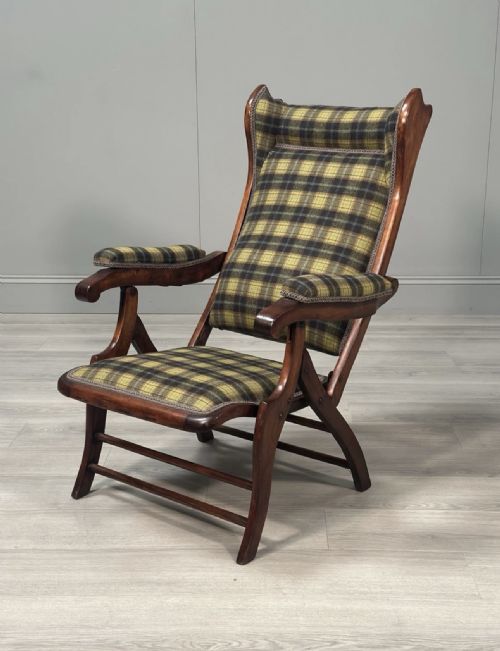
Campaign chairs are defined by their ability to fold or dismantle for easy transport, often equipped with recessed brass carrying handles. Their frames utilise sturdy timbers like mahogany or oak joined by hinged or removable braces.
Victorian and Edwardian examples frequently show stamped military or maker markings on the brass hardware. This portability distinguishes them from static library armchairs.