



William Morris Chair
A william morris chair brings nineteenth-century domestic reform into your room, offering simple craftsmanship and vernacular design.
William Morris Chair
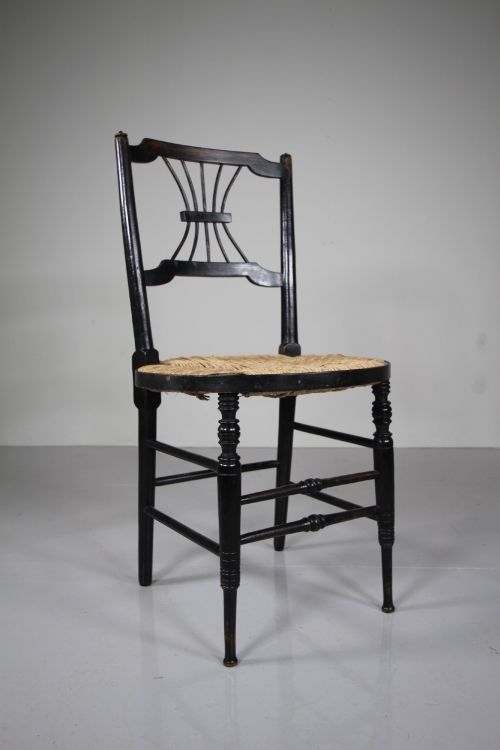
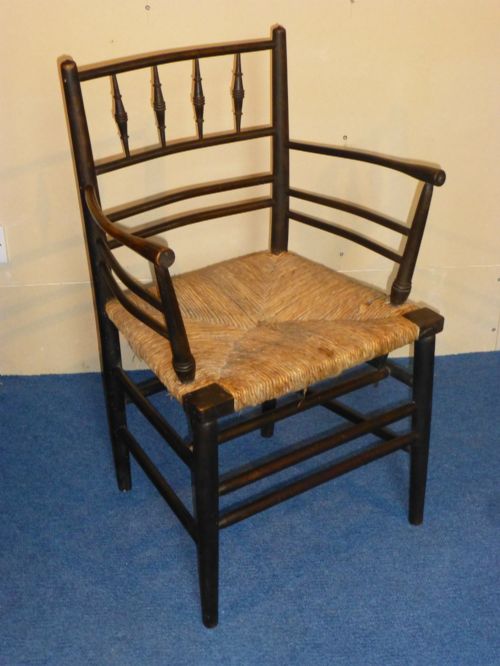
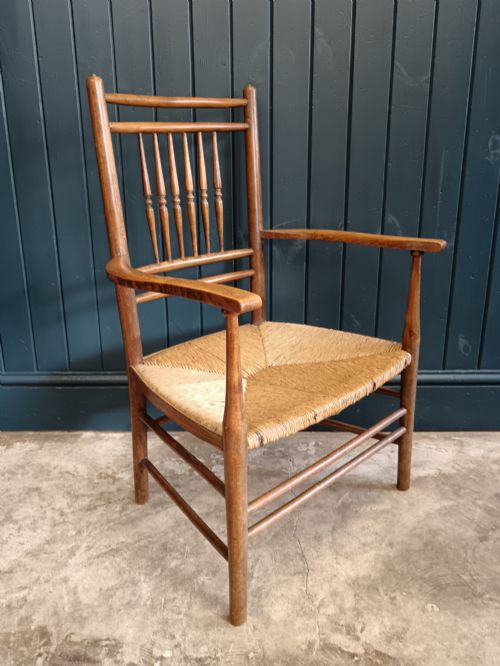
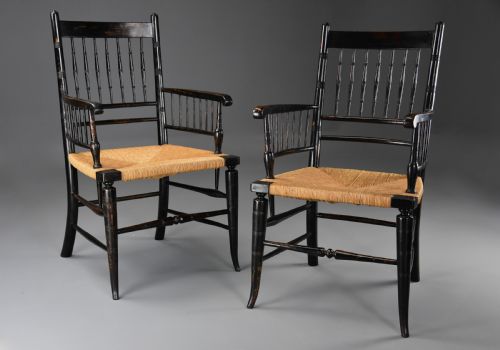
A william morris chair encompasses lightweight spindle-backed seating as well as substantial upholstered armchairs. The Sussex model appears most frequently, rooted in nineteenth-century vernacular traditions.
The selection ranges from side chairs and dining chairs to fireside armchairs and reclining seats. These forms emerge primarily from Victorian and Arts and Crafts contexts.
Materials and construction
Timbers like oak and beech provide structural integrity, frequently finished with ebonisation to mimic more costly ebony. Wood turners shaped spindles and uprights using traditional lathe techniques.
Seats utilise woven rush for lightweight side and armchairs, whilst larger armchairs employ coiled springs, horsehair, and textile upholstery. Brass fittings and detailed joinery secure the frames.
Some chairs were light enough to be lifted with one hand by a Victorian poet.
Assessing quality and origin
The distinction between standard commercial production and premier workshop output lies in the crispness of the wood turning and the integrity of the rush seating. Original ebonised surfaces and documented attributions elevate certain pieces above anonymous equivalents.
Upholstered examples depend heavily on the grade of textile and the retention of traditional stuffing materials. Chairs bearing specific maker stamps or recognised designer associations command closer attention from collectors.
Morris and Co·Philip Webb·Rossetti·Ford Maddox Brown·Liberty and Co·Howard and Sons
The William Morris Chair Glossary
- Sussex chair
- A nineteenth-century vernacular seating form with turned wooden spindles and rush seats. This design drew inspiration from traditional Sussex cottage chairs.
- Ebonised wood
- Timber treated with a dark stain or finish to imitate ebony. This treatment was common in nineteenth-century aesthetic movement furniture.
- Rush seat
- A seating surface woven from natural marsh grass or reeds. It provides a flexible and durable foundation for lightweight chairs.
- Arts and Crafts
- A design movement advocating traditional craftsmanship and simple forms. It rejected mass-produced industrial ornamentation in favour of honest materials.
- Spindle back
- A chair back constructed from vertical turned wooden rods. This construction method reduces weight while maintaining structural strength.
William Morris Chair: Frequently Asked Questions
What defines a genuine sussex chair?
A genuine sussex chair relies on lightweight turned wooden uprights and spindle backs paired with woven rush seats. These elements reflect the nineteenth-century vernacular style championed by Morris and Co.
Makers utilised ebonised beech or natural timber to construct these functional pieces. Their enduring appeal stems from unpretentious construction and direct utility.
How should I care for rush seats?
Rush seats require a stable indoor environment protected from excessive moisture and extreme dryness. Regular gentle dusting preserves the natural fibres without damaging the weave.
Avoid placing these chairs in direct sunlight or damp spaces. Proper humidity control prevents the dried marsh grass from becoming brittle over time.
Are upholstered armchairs original?
Many upholstered armchairs feature period textiles associated with the designer, though reupholstery is common. Fabric choices in the listings include historic patterns like Strawberry Thief.
Examining the underlying webbing and stuffing reveals the period of construction. Professional restoration often preserves the internal framework while renewing surface fabrics.
Which wood types are most common?
Oak and beech appear frequently across the available inventory, often finished with ebonisation. Beech serves well for turned spindle components requiring strength and flexibility.
Solid oak frames support heavier armchair designs. These materials align with the movement's preference for honest, visible grain and straightforward construction.