

Vintage Reading Light
A vintage reading light brings focused illumination and period character to a desk or corner, combining functional utility with historic design.
Vintage Reading Light
A vintage reading light encompasses a range of adjustable lamps designed to direct illumination precisely where it is needed for tasks like desk work or reading. Buyers searching this phrase encounter forms spanning the nineteenth century through the Art Deco era, including heavy table lamps, tall standard lamps, and flexible desk models.
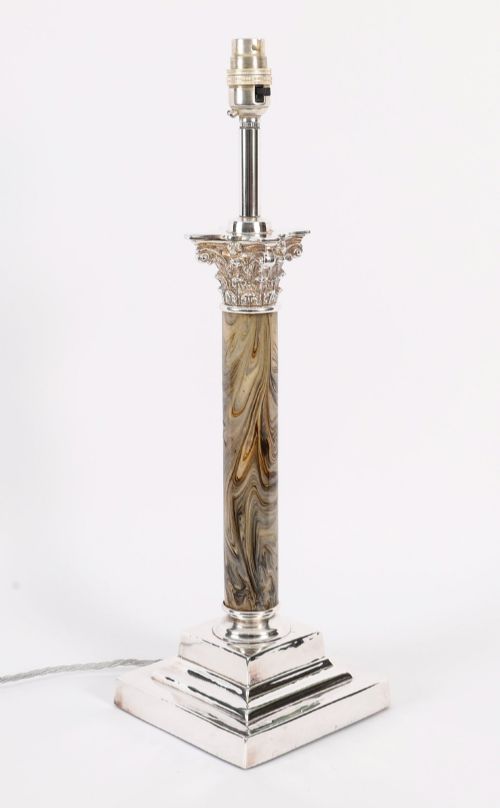
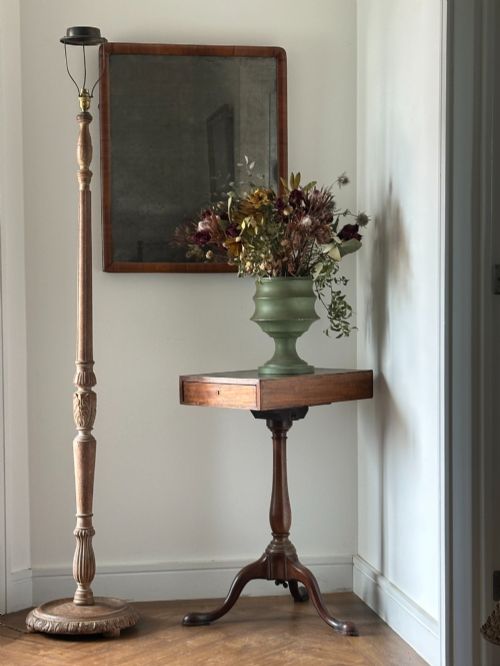
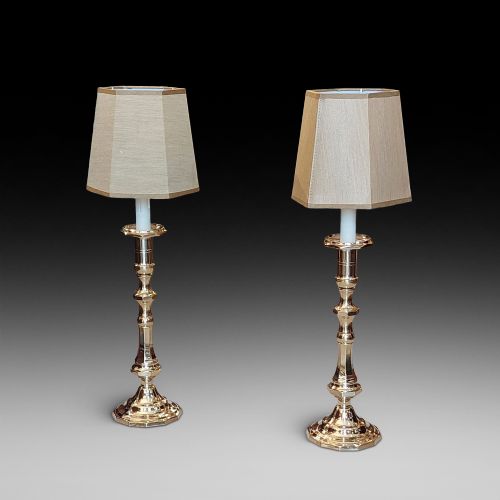
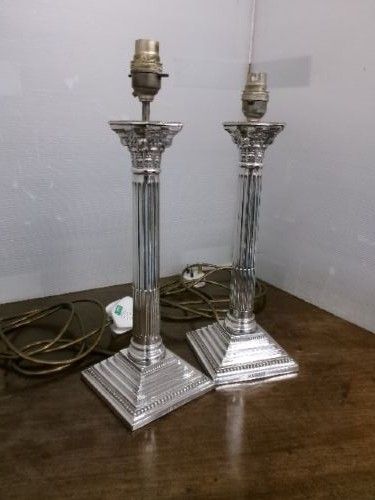
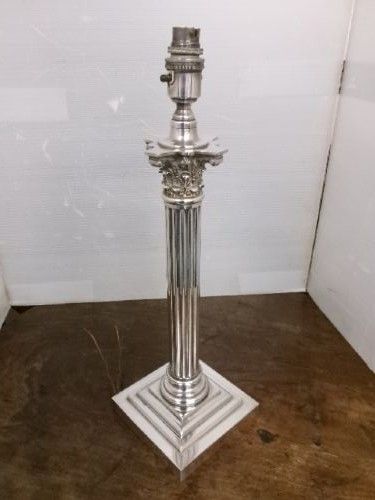
The versions most commonly met on this page are constructed from polished brass, silver plate, or painted wood, often featuring adjustable arms or telescopic columns. Styles range from utilitarian Pullman and bankers lamps to ornate Victorian Corinthian columns and sinuous Art Nouveau standard lamps.
Originating from periods such as the Edwardian era and the nineteen-thirties, these pieces reflect the lighting technology of their day, frequently adapted from oil or candle fittings to electricity. The selection balances practical illumination with distinct decorative periods, offering options from austere industrial designs to elaborate revival styles.
Materials and construction methods
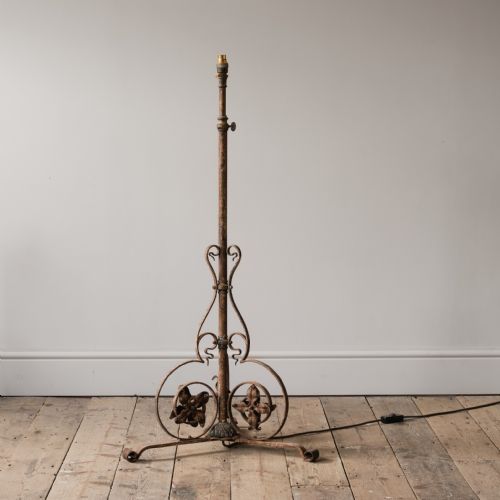
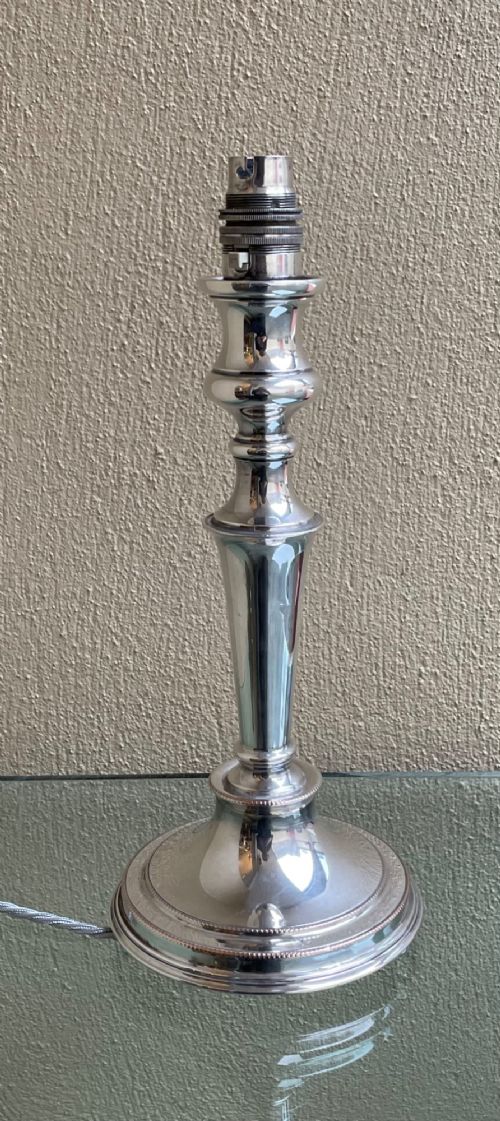
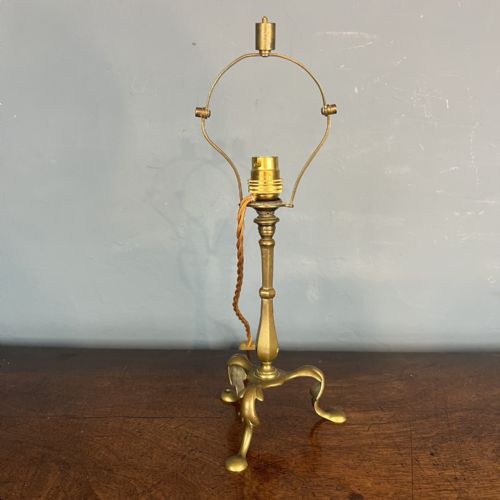
The construction of these lamps relies heavily on cast and spun brass, gilt bronze, and silver plate, frequently paired with weighted metal bases for stability. Blacksmith-made floor lamps utilise hammered iron and steel, showcasing visible joins and structural rivets characteristic of early production methods.
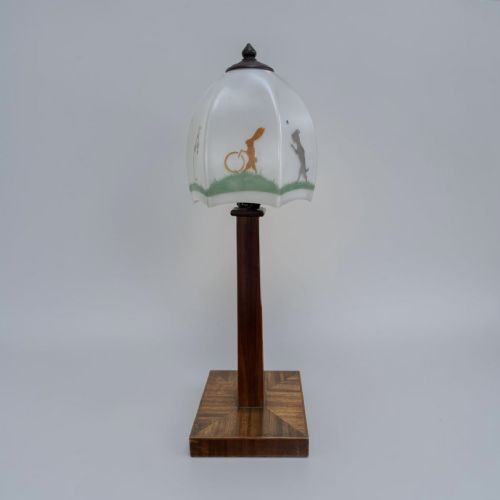
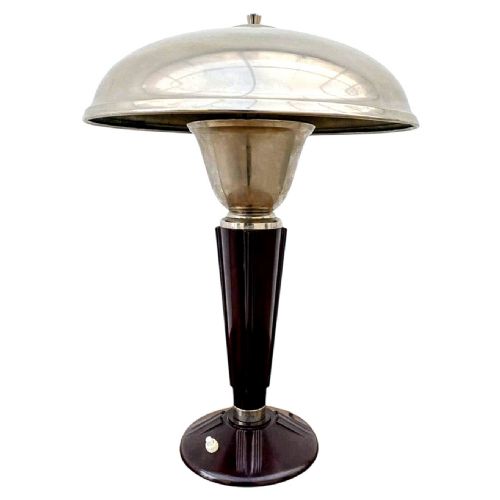
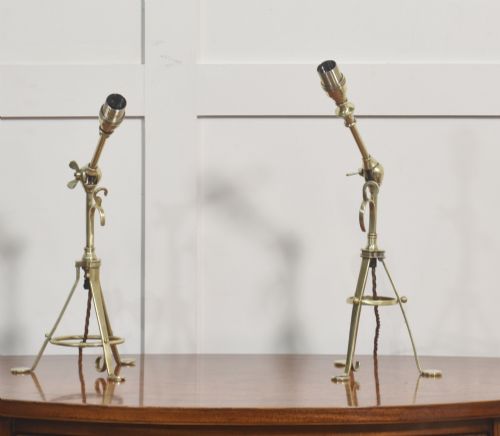
Makers incorporated functional mechanisms such as sliding telescopic columns, multi-angled joints, and heavy weighted bases to allow height and angle adjustment. Wooden variants employ carved oak and fabric shades, while specific industrial designs utilise bakelite and chrome to achieve the clean lines of the Machine Age.
Rail passengers once read beneath the steady glow of compact Pullman lamps bolted firmly against the vibrations of a moving train.
Distinctions in manufacture and preservation
Quality in these pieces is dictated by the integrity of the mechanical adjustments, the weight of the cast metal components, and the crispness of surface chasing. Superior examples maintain smooth movement in telescopic arms and tight joints without sagging, whereas lesser pieces utilise thin stamped metal that compromises stability.
The standard of surface finishing, from hand-chiselled ormolu details to heavy silver plating over brass, separates standard production items from workshop pieces. Original patination on unpolished brass and intact period fabric or glass shades significantly elevate the standing of a lamp.
Maison Bagues·W.A.S. Benson·Eileen Grey
The Vintage Reading Light Glossary
- Standard lamp
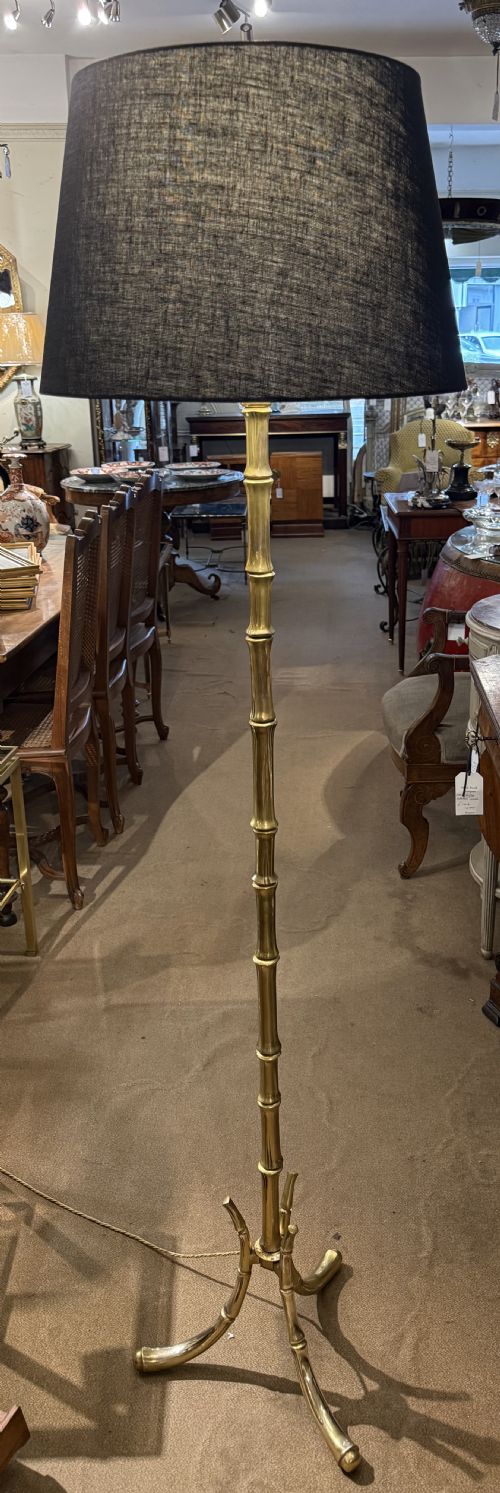
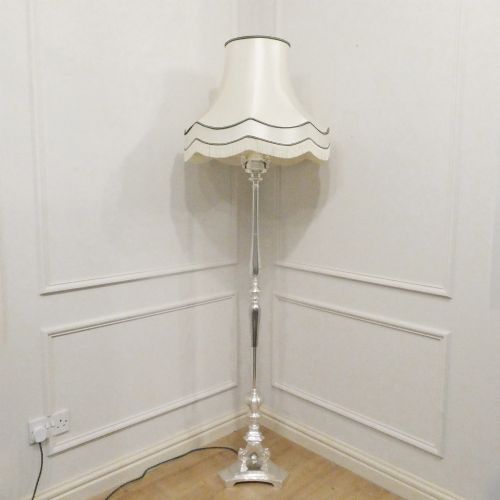
- A tall floor-standing light designed to illuminate a room or provide ambient light over seating. These fixtures often feature heavy weighted bases to support extended heights.
- Corinthian column
- A classical architectural column form frequently utilised for the stems of heavy table lamps. This design incorporates decorative acanthus leaves at the top of the shaft.
- Pullman lamp
- A compact lighting fixture originally designed for railway carriage compartments, featuring a secure mounting bracket for wall or desk placement. They are valued for their robust, utilitarian construction.
- Bouillotte lamp
- An adjustable multi-light fixture traditionally used for card games, featuring a central shaft and a card-shade that moves up and down. These typically employ twin candle or bulb fittings.
- Bakelite
- An early synthetic thermosetting plastic utilised in twentieth-century electrical goods for its insulating properties and durability. It provides a glossy, dark finish characteristic of Art Deco design.
Vintage Reading Light: Frequently Asked Questions
How do I adjust a telescopic floor lamp?
Telescopic floor lamps utilise a central sliding shaft secured by a thumb screw or collar mechanism. Loosening this fastener allows the upper section to rise or fall to the desired height before retightening.
Care must be taken to support the weight of the upper section while adjusting to prevent internal wiring strain or sudden drops.
Were these lamps originally electric?
Many nineteenth and early twentieth-century examples started life as oil lamps, gas fixtures, or candle holders before later conversion to electricity. This evolution means original burner assemblies or font reservoirs are frequently adapted to house modern wiring.
Such conversions are standard practice and allow historic decorative metalwork to function safely in contemporary interiors.
How do I identify an Edwardian reading light?
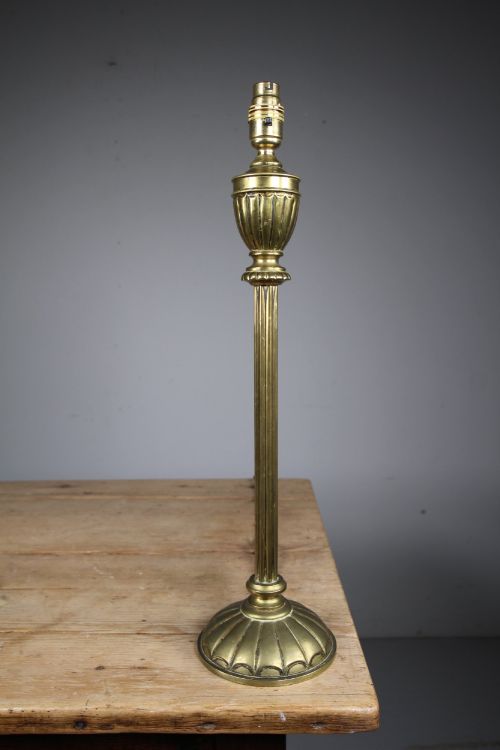
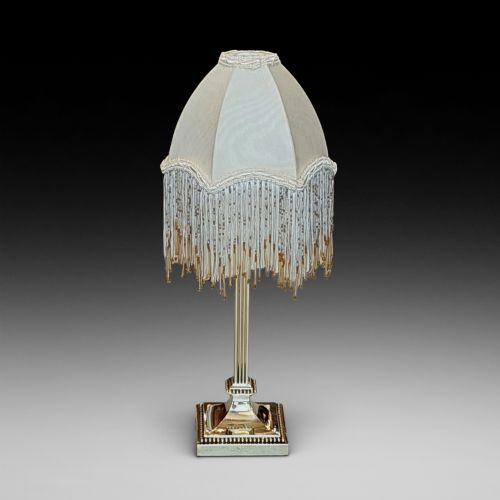
Edwardian reading lights often exhibit Neoclassical Revival motifs, such as reeded columns, urn shapes, and restrained brass or silver-plated finishes. They balance functional adjustability with the refined elegance typical of the early twentieth century.
Proportions tend to be slender and symmetrical, avoiding the heavier ornamentation found in mid-Victorian pieces.
Can I use these desk lamps for daily work?
These desk lamps provide targeted, directional illumination well-suited for modern task lighting. Heavy cast bases and adjustable metal shades allow light to be focused directly across a work surface.
Wiring safety should be verified by a qualified professional to ensure suitability for continuous daily use.