
Vintage Pottery Vase
A vintage pottery vase brings domestic colour and weight from the eighteenth, nineteenth, and early twentieth centuries into a room.
Vintage Pottery Vase
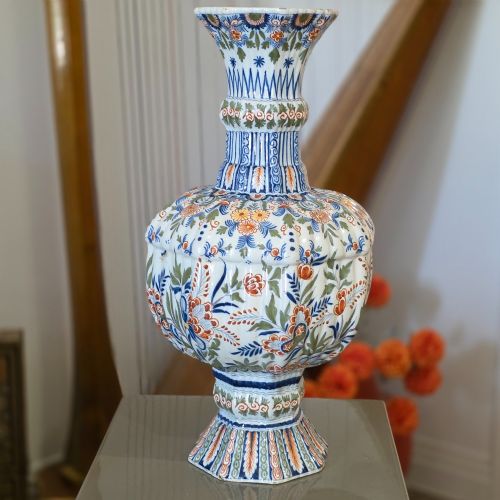
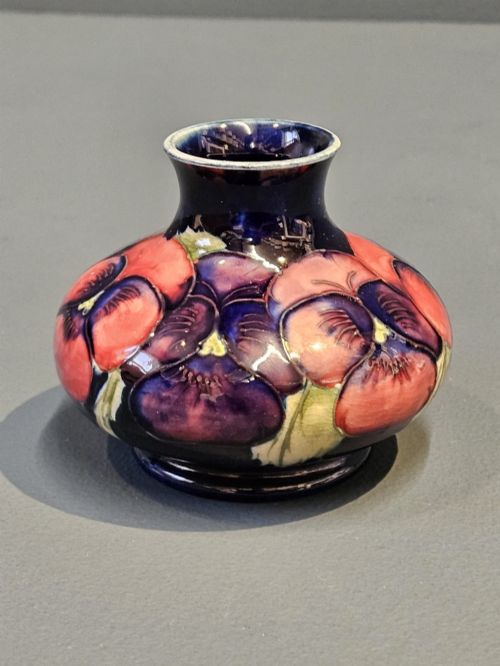
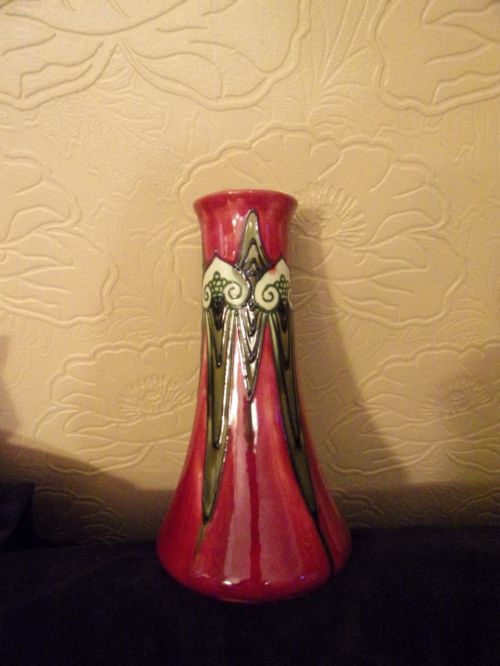
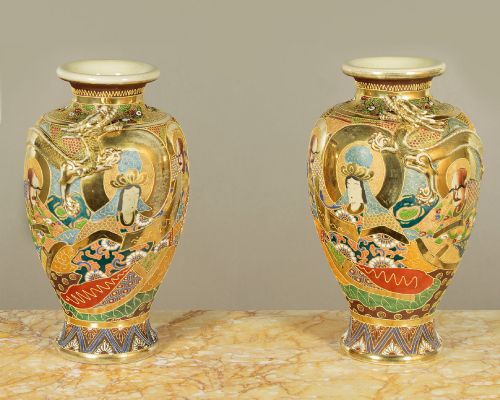
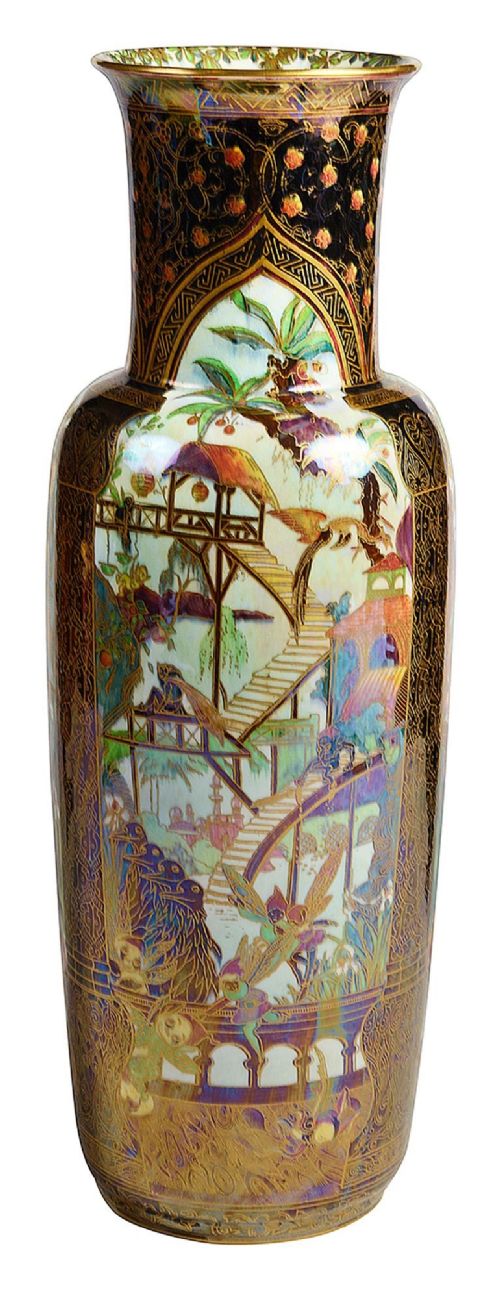
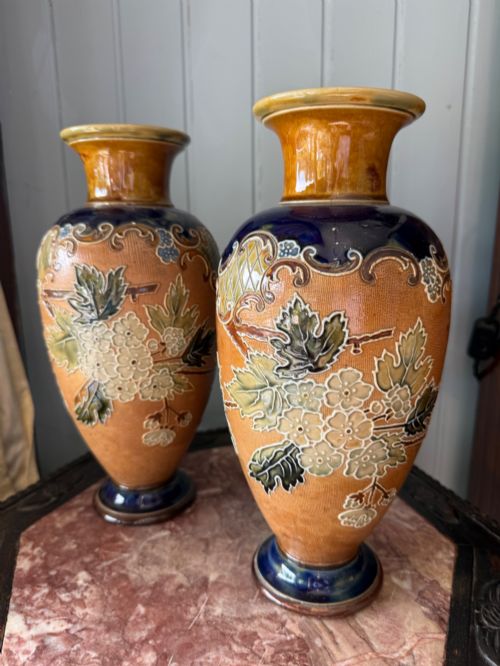
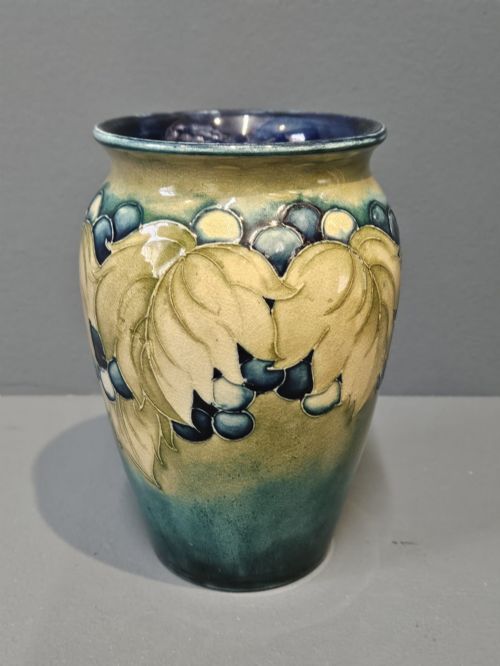
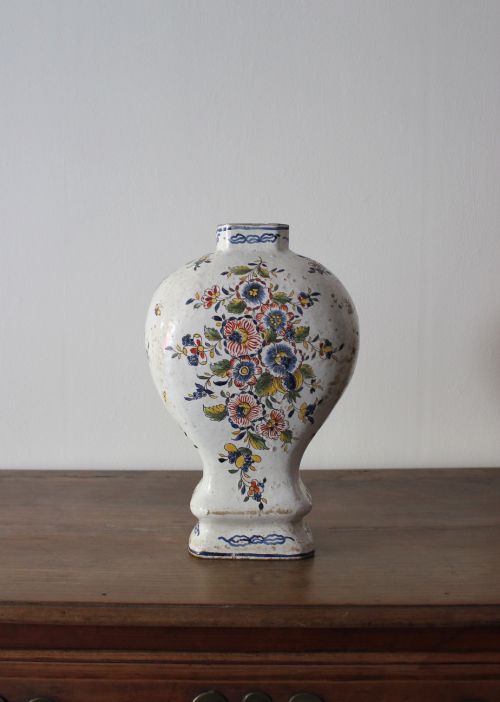
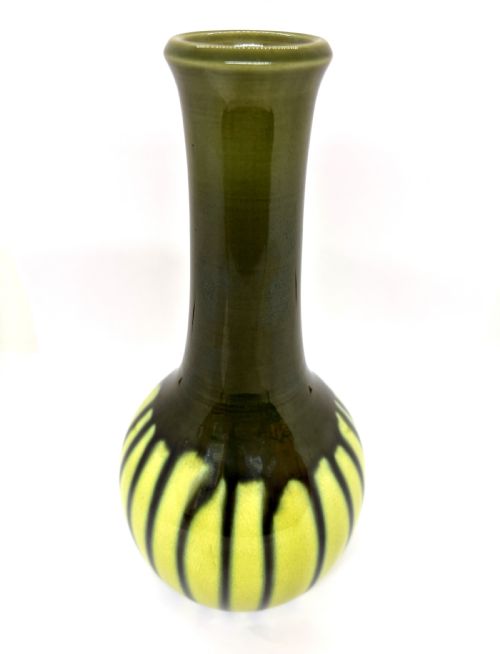
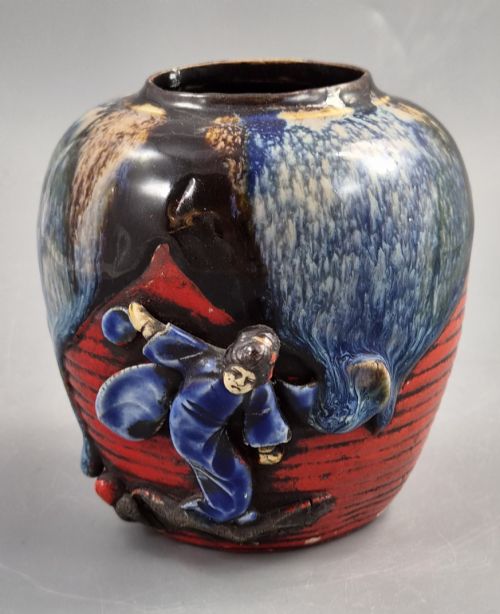
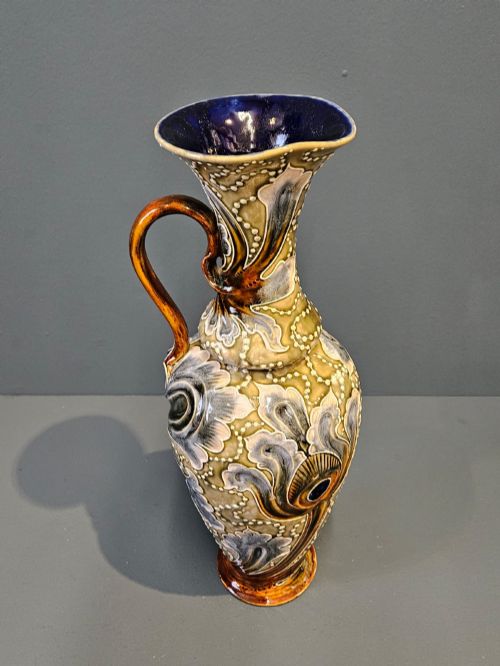
When searching for a vintage pottery vase, buyers encounter vessels formed from earthenware, stoneware, porcelain, and terracotta across varied periods. The selection spans nineteenth-century Delftware, early twentieth-century art pottery such as Moorcroft and Minton Secessionist, alongside Japanese Satsuma and Imari pieces.
Most examples originate from British potteries, continental European workshops, and Japanese kilns, taking the form of baluster vases, lidded jars, and ewers. These pieces range from small cabinet items to large decorative statement vessels designed for domestic display.
How they were made
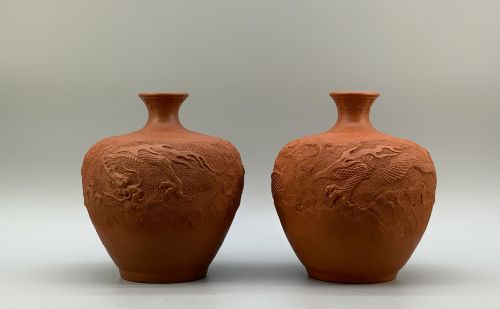
Makers shaped earthenware, stoneware, and red clay bodies on the wheel or in moulds before applying glazes, enamels, and tube-lined designs. Techniques such as salt-glazing, lustre application, and metal mount additions defined the production of European and Asian workshops.
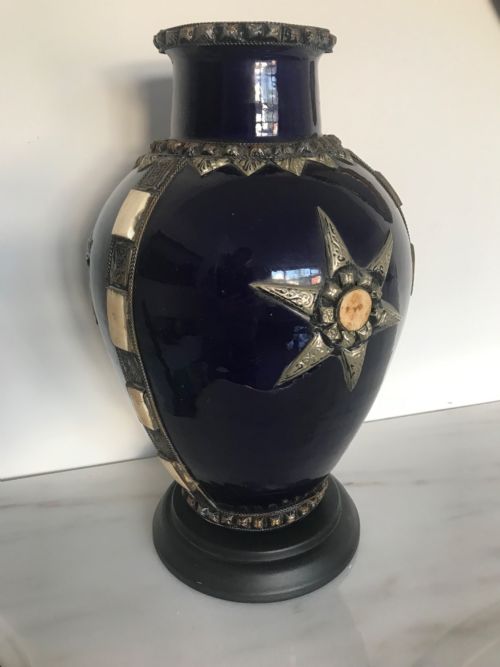
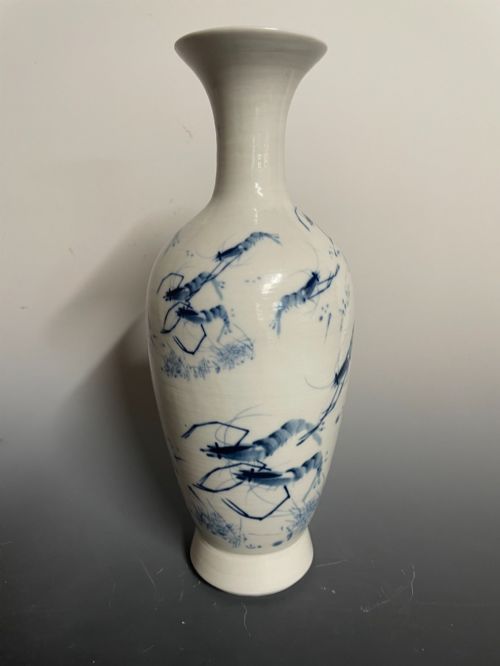
Surface decoration frequently involved hand-painting, cobalt blue glazing, and applied figures, fixed through high-temperature firing in kilns.
The listings include earthenware, stoneware, porcelain, and terracotta pieces decorated with glazes, enamel, and gold leaf.
What varies in quality
The distinction between ordinary and superior pieces rests on the precision of the modelling, the depth and consistency of the glaze, and the clarity of hand-painted or tube-lined decoration. Master potteries achieved a harmony between the clay body and the decorative scheme that lesser workshops missed.
Signatures, impressed registry marks, and attribution to known designers or decorators elevate a piece beyond standard commercial output.
Minton·Moorcroft·Wedgwood·Royal Doulton·Zsolnay Pecs·Boch Freres·Bretby Pottery·Brannam·Mettlach
The Vintage Pottery Vase Glossary
- Earthenware
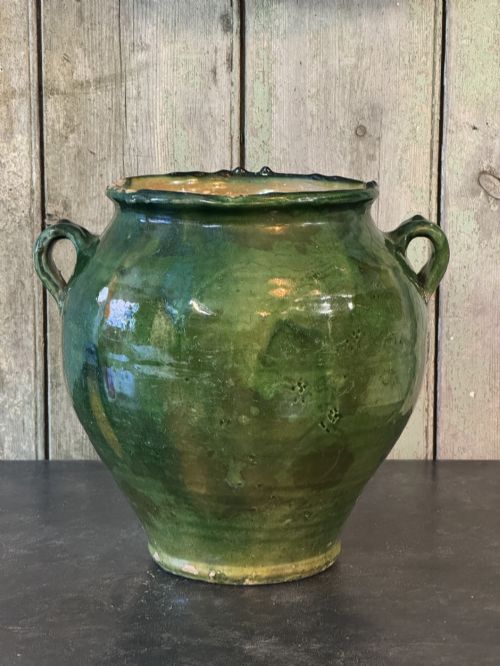
- Porous pottery fired at lower temperatures, typically covered in a glaze to ensure it holds water. It forms the body of many traditional Delft and confit pots.
- Tube-lining
- A decorative technique where liquid clay is squeezed through a nozzle onto the vessel surface to form raised outlines before glazing. Minton Secessionist pieces often utilise this method.
- Imari
- Japanese porcelain decorated in underglaze blue and overglaze red, gold, and other colours, produced primarily for export. These wares gained popularity in European interiors during the nineteenth century.
- Lustre
- A metallic glaze that produces an iridescent sheen when fired in a reduced oxygen atmosphere. Zsolnay Pecs and Minton utilised this finish to catch the light.
- Terracotta
- Unglazed or glazed fired red clay used for Mediterranean and Moroccan vessels. It provides a dense, rustic body for decorative mounts.
Vintage Pottery Vase: Frequently Asked Questions
Can I put fresh flowers in these vases?
Many earthenware and stoneware vessels hold water securely, but older porous bodies or pieces with hairline cracks should only contain dried stems.
Consider placing a small glass or plastic liner inside the antique vessel if you wish to use fresh water.
How do I identify the period of a ceramic vase?
Examine the base for impressed factory stamps, painted potter marks, or registry numbers that correspond to specific manufacturing dates.
The style of the glaze, the weight of the clay, and the method of decoration also point towards Victorian, Art Nouveau, or later twentieth-century origins.
Where should I display a large decorative vase?
Position heavier pieces on sturdy tables, sideboards, or low shelves where they are safe from accidental knocks.
Keep delicate glazed and enamelled surfaces away from direct, harsh sunlight to prevent the colours from fading over time.