



Red Glazed Art Vase
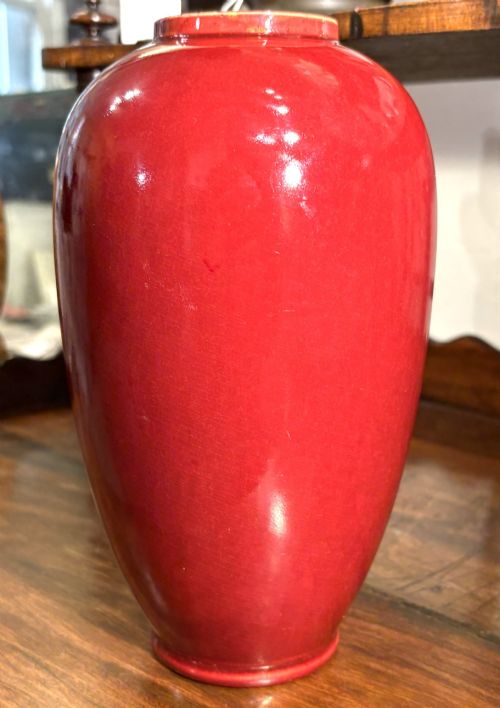
A red glazed art vase brings rich colour and striking form to a room, drawing the eye instantly.
Red Glazed Art Vase
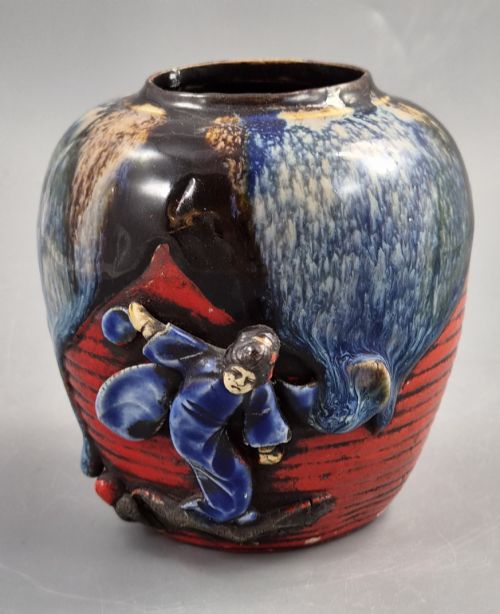
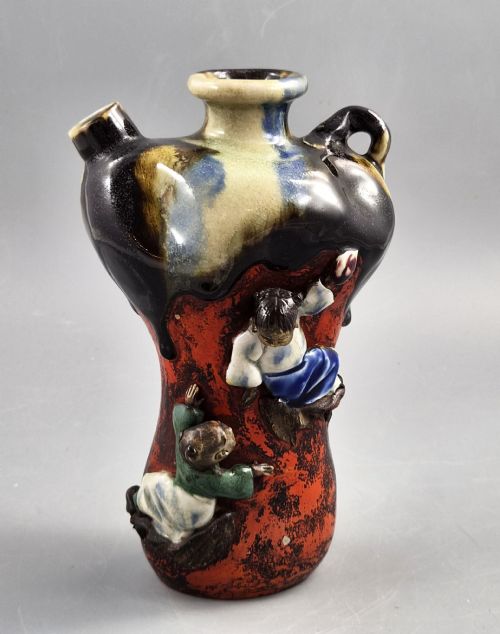
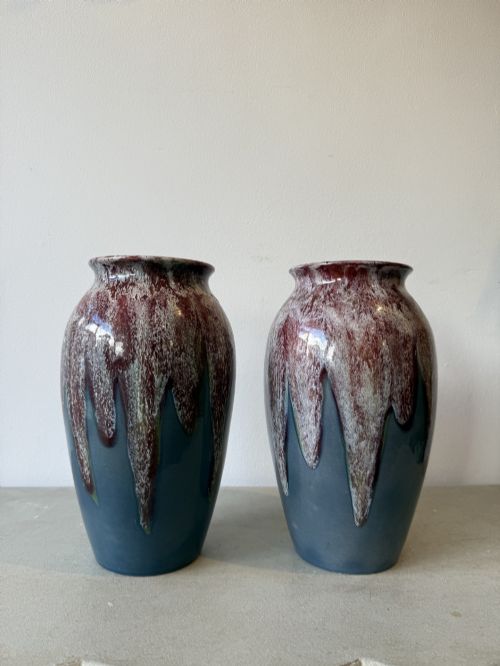
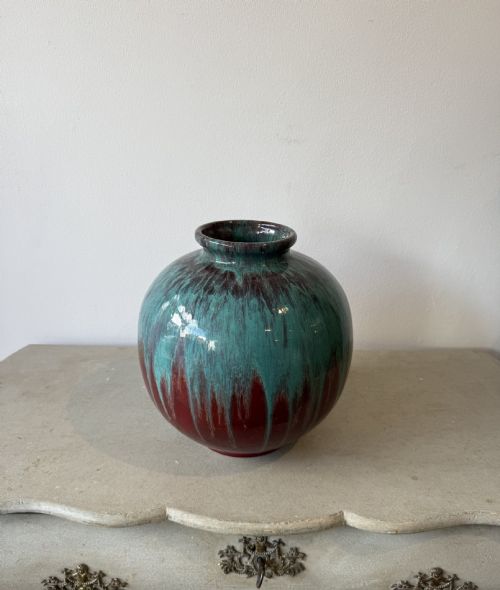
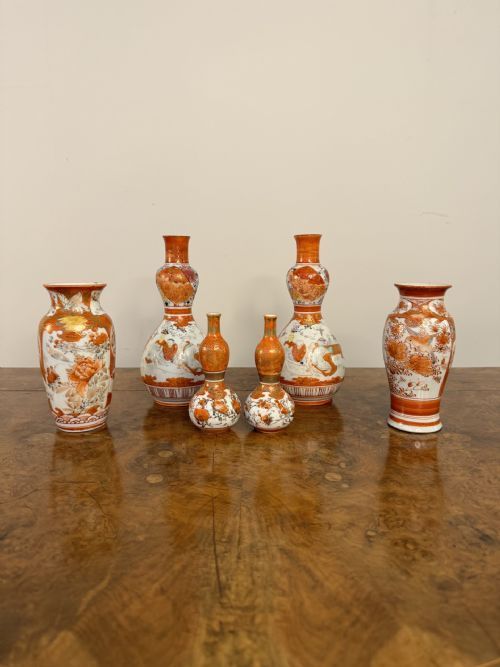
When you search for a red glazed art vase, you are looking at ceramics shaped by makers across Britain, Europe, and Japan during the late nineteenth and early twentieth centuries. These vessels showcase the bold experimentation with glazes that defined movements from Victorian art pottery to the Arts and Crafts era.
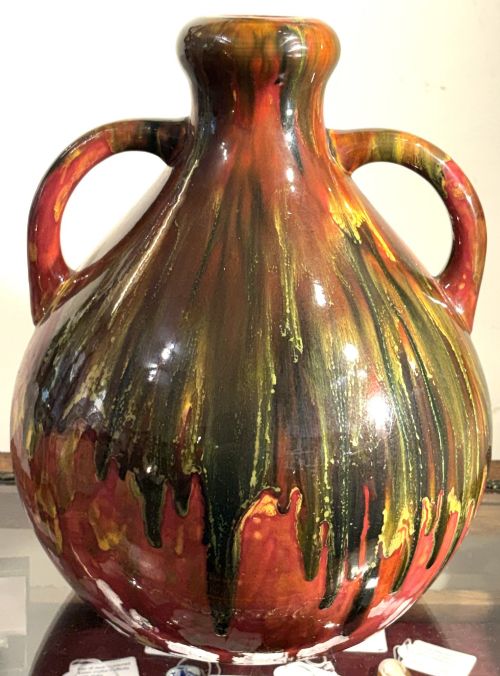
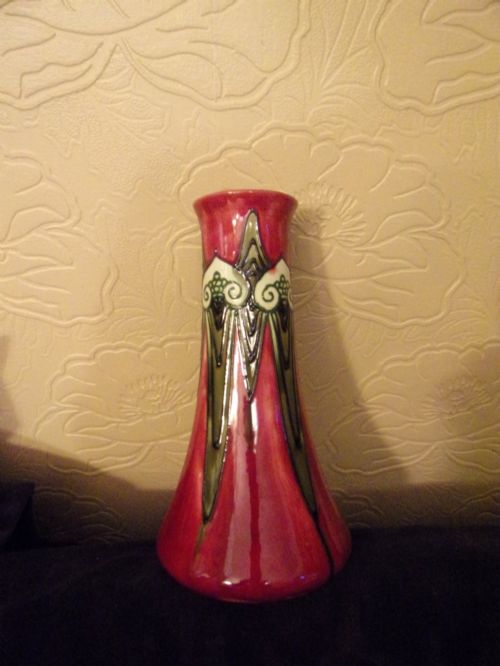
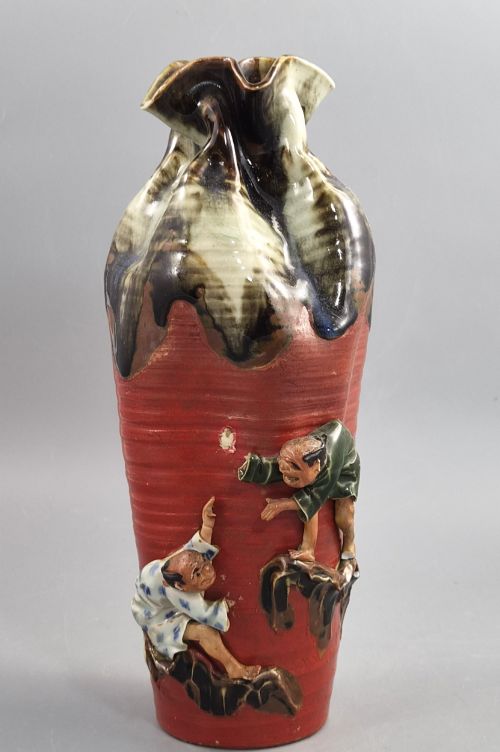
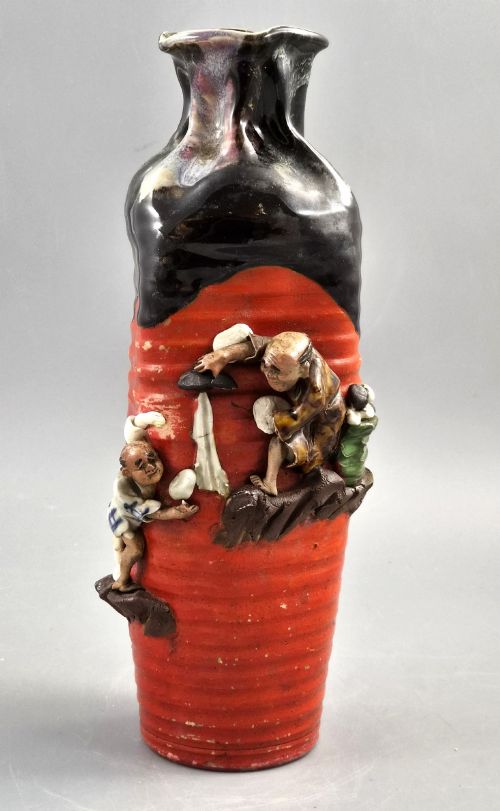
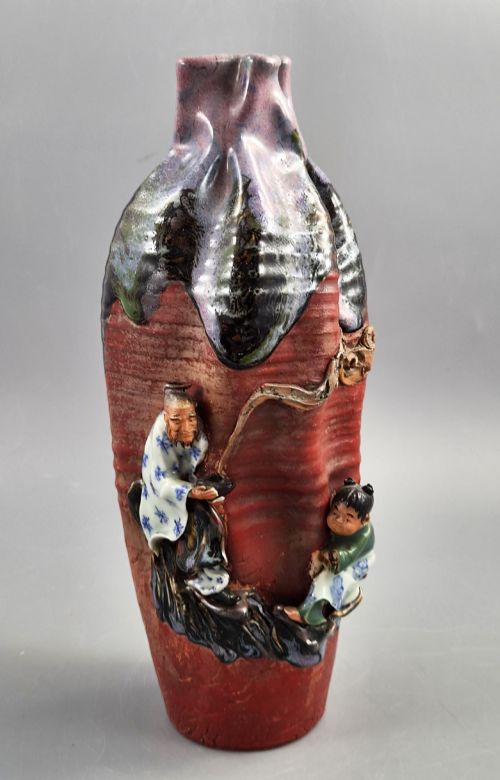
You are most likely to meet earthenware and stoneware pieces featuring rich flambe, drip, or tube lined surfaces. Forms range from tall Japanese Sumida Gawa jars with applied figures to Moorcroft Flamminian ware and Burmantofts twin handled shapes.
How they were made
Potters built these vessels using earthenware and stoneware bodies, shaping the clay by hand or on the wheel before applying specialised ceramic glazes. The vibrant red tones often relied on complex chemical reactions in the kiln, particularly in flambe and enamel firing techniques.
Decoration techniques included tube lining to outline motifs before glazing, as seen in Minton Secessionist pieces, and sculptural additions modelled directly onto the damp clay surface, characteristic of Japanese Sumida Gawa workshops.
Red Glazed Art Vase Retail Price Guide 2026
Typical asking prices for red glazed art vase among the pieces listed under this phrase on Sellingantiques today, from the lower quarter to the upper quarter. They describe what is for sale here now, not the wider market.
Listings feature earthenware and stoneware from the Edwardian era alongside Japanese Meiji and Taisho period ceramics.
What varies in quality
Quality rests in the depth and control of the glaze, where a successful run creates movement and variation across the surface without dull patches or accidental pooling. The crispness of the modelling on sculpted elements and the precision of tube lined borders also separate standard production from superior work.
Signatures, impressed factory marks, and retailer associations add distinction, indicating the workshop origin and the hand of a named designer or decorator.
Burmantofts·Minton·Inoue Ryosai·Moorcroft·Macintyre And Co
The Red Glazed Art Vase Glossary
- Flambe glaze
- A streaked or mottled metallic glaze, often featuring rich reds and blues achieved through reduction firing in the kiln.
- Tube lining
- A decorative technique where liquid clay is squeezed through a nozzle onto the vessel body to form raised outlines for coloured glazes.
- Earthenware
- Porous pottery fired at lower temperatures, commonly used for nineteenth and twentieth century art pottery.
- Stoneware
- Dense, impermeable pottery fired at high temperatures until the clay body vitrifies.
- Arts and Crafts
- A design movement valuing handcraftsmanship, natural materials, and traditional production methods over industrial output.
Red Glazed Art Vase: Frequently Asked Questions
Can I put fresh flowers inside?
Many older art pottery vases are porous or feature unglazed interiors that can absorb moisture over time. Using a small glass or plastic insert protects the historic ceramic body from water damage.
Check the base for any hairline cracks before filling, as fluctuating temperatures can stress aged earthenware.
How do I identify the period?
Examine the base for impressed factory marks, painted signatures, and retailer stamps that date the piece. Stylistic markers such as tube lined floral motifs or applied sculptural figures also point to specific eras like the Edwardian period or the Meiji and Taisho years.
The weight and texture of the clay body offer further clues regarding whether the vessel belongs to late nineteenth century Victorian art pottery or later studio movements.
Where should I display my vase?
Place your vessel away from direct sunlight to prevent fading in enamel or coloured glazes over long periods. A stable surface where the piece is safe from knocks allows the form and glaze to catch natural room light.
Pairing the ceramic with simple surroundings lets the rich red tones and textured surfaces stand out without visual clutter.