
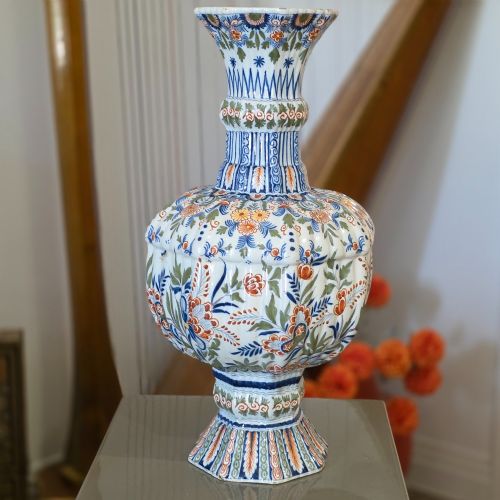
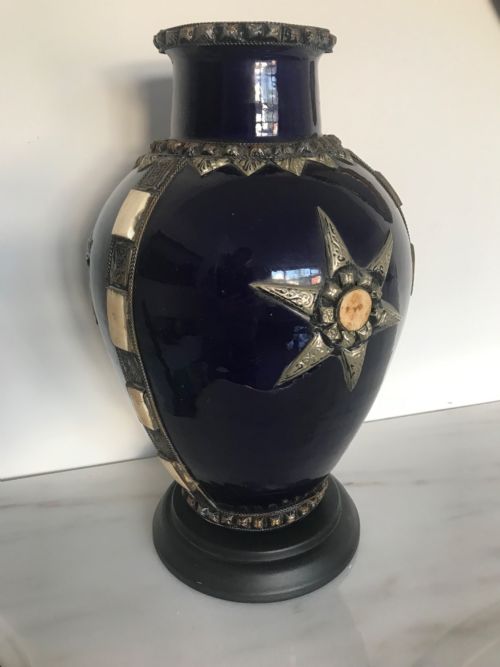
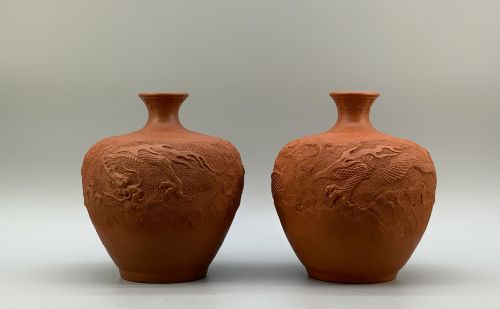
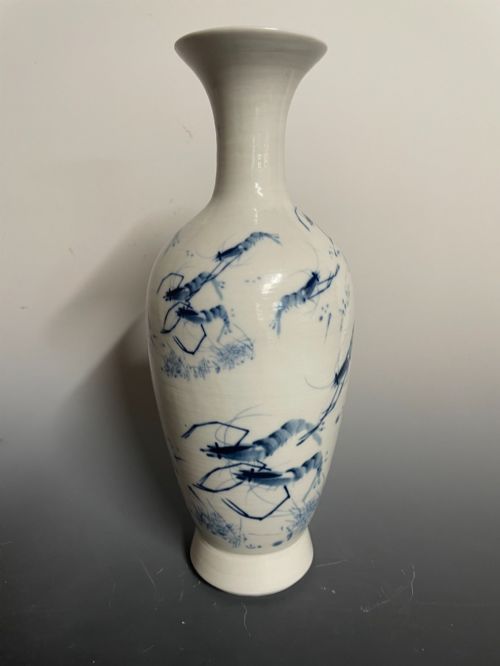
Vintage Pottery Urns
These vintage pottery urns bring character to a room through varied glazes, distinct forms and rich regional histories spanning centuries.
Vintage Pottery Urns
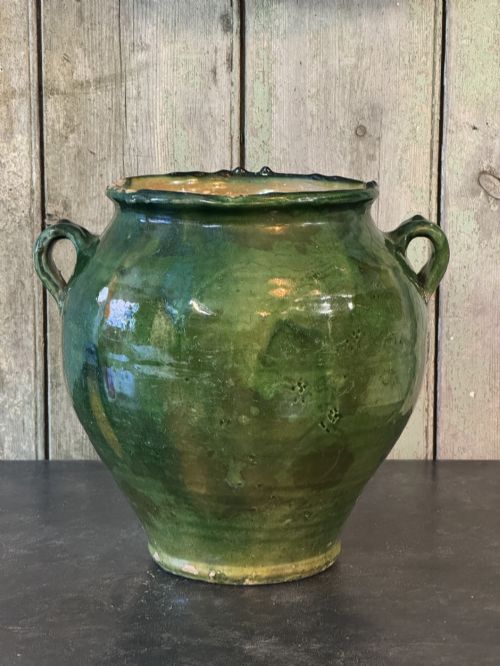
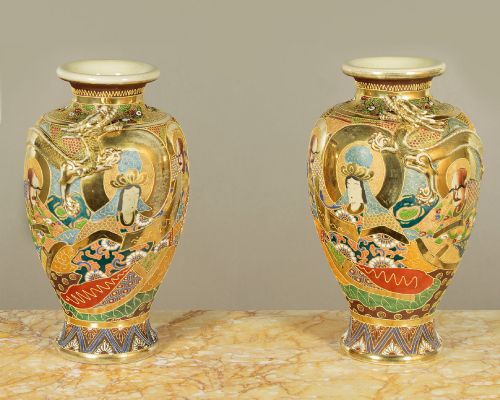
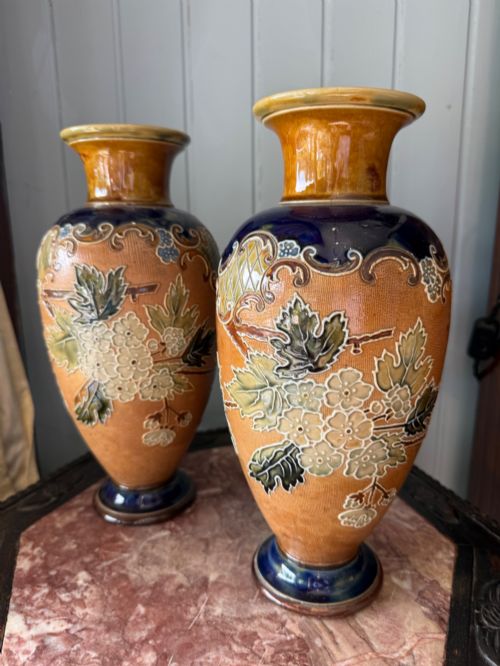
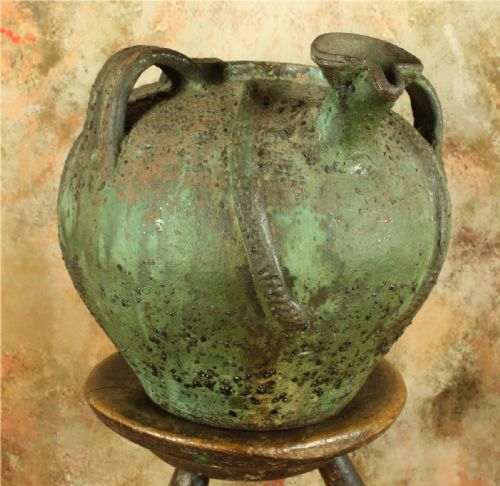
Vintage pottery urns encompass a diverse selection of ceramic vessels, decorative vases, lidded jars and confit pots originating from European, Asian and British makers. Buyers searching this phrase encounter nineteenth-century earthenware and stoneware alongside pieces from the Art Nouveau and Art Deco periods.
The selection frequently includes handled oil jugs, French provincial planters and Japanese Satsuma or Imari vases. Many examples date from the Victorian era up through the nineteen-twenties, showing styles ranging from French country to Japanese Meiji period designs.
How they were made
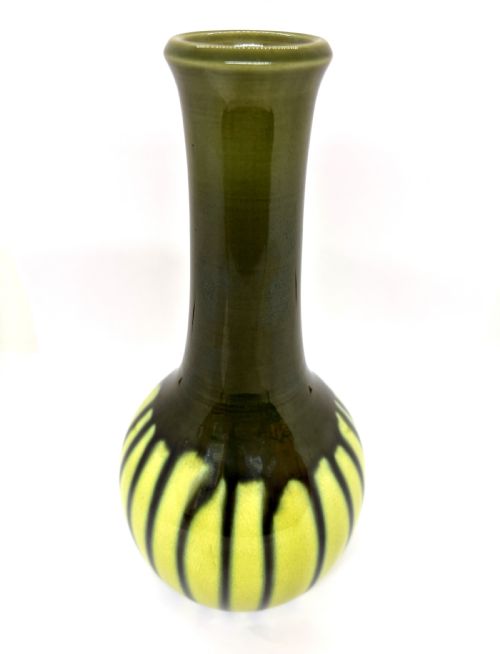
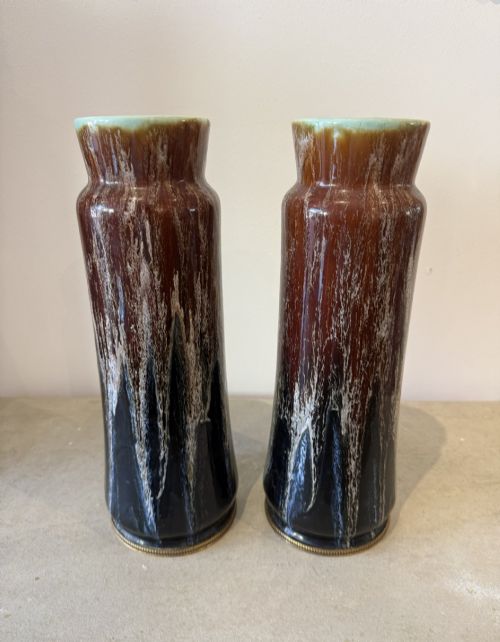
Potters shaped these vessels using earthenware, terracotta, porcelain and heavy stoneware, often applying rich lead glazes or enamel colours. Techniques such as drip glazing, gold leaf detailing and hand painting created the textured surfaces seen on confit pots and art pottery.
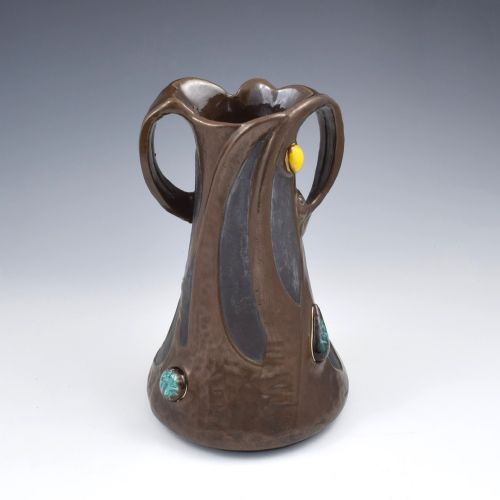
Many items incorporate specialist decorative elements, including silver cabochon mounts, copper effect finishes and intricate cloisonné enamel work. Firing methods varied from traditional kilns used for Chinese and Japanese ceramics to European industrial potteries producing lustre and faience wares.
Listings feature items spanning the eighteenth, nineteenth and twentieth centuries, constructed from earthenware, porcelain and terracotta.
What varies in quality
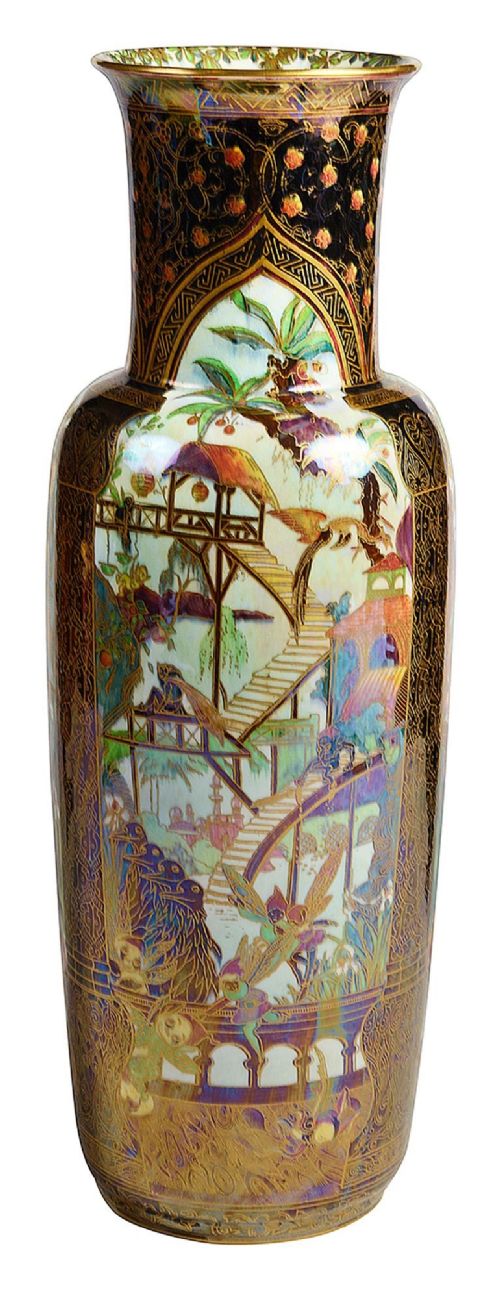
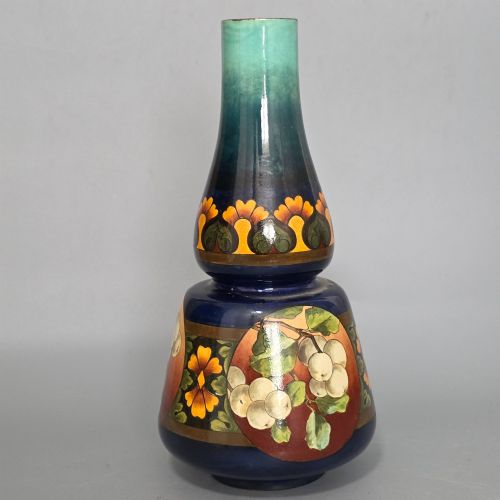
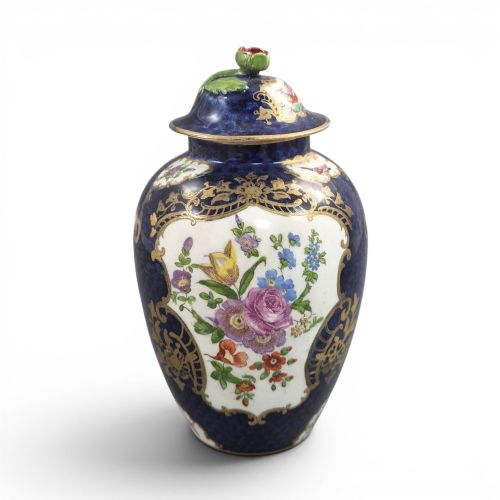
Quality rests in the precision of the hand-painted details, the depth and consistency of the coloured glazes, and the crispness of moulded ornament. Pieces featuring hand-enamelled decoration or complex lustre effects demonstrate superior artistic execution by named ceramicists.
Condition and originality dictate desirability, particularly whether original mounts, covers or surface finishes remain intact without heavy restoration. Balanced proportions and strong throwing lines separate standard production items from exceptional studio and factory pieces.
Daisy Makeig-jones·Royal Doulton·Burmantoft's Pottery·Zsolnay Pecs·Boch Freres·Bretby Pottery·Alice Euphemia Thatcher·Booths·Minton·TG Green·Brannam·Mettlach Pottery·Gallilleo Chini·Robert T Lallement
The Vintage Pottery Urns Glossary
- Confit pot
- A traditional French earthenware jar featuring a fully glazed upper section and unglazed lower body, originally utilised for preserving meats.
- Delft
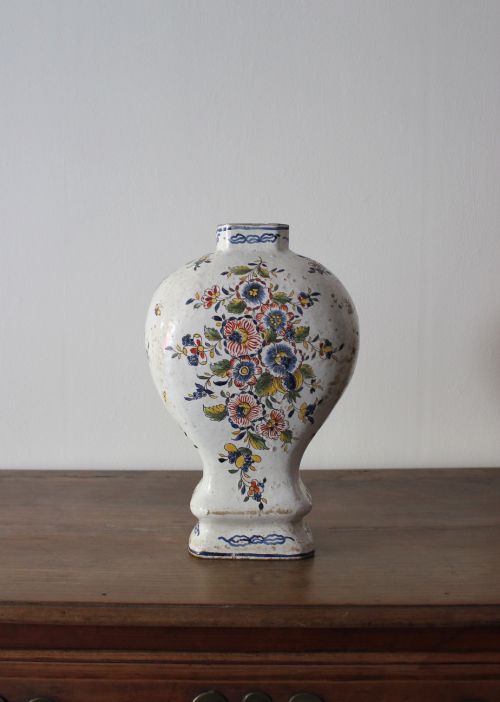
- Tin-glazed earthenware originating from the Netherlands and England, typically decorated in blue and white pigments with botanical or figurative motifs.
- Imari
- A traditional Japanese style of porcelain decorated in underglaze blue and overglaze iron red, gold and green.
- Lustre
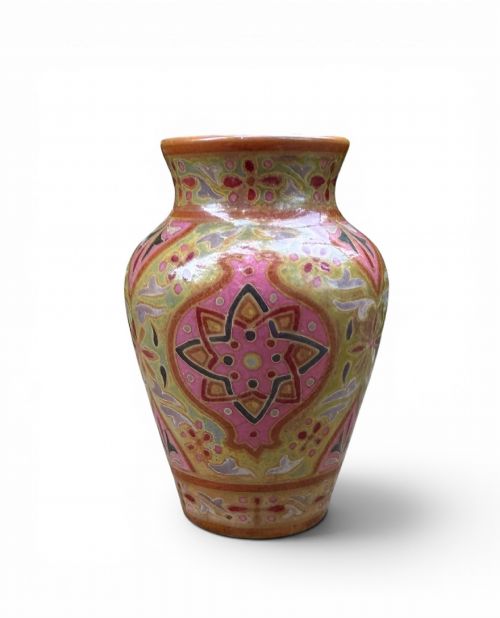
- A type of ceramic glaze that imparts a metallic sheen or iridescent gloss through the reduction of metal oxides during firing.
- Terracotta
- Unglazed or porous fired red-brown clay utilised for garden planters, jars and decorative vessels.
Vintage Pottery Urns: Frequently Asked Questions
How do I clean an antique ceramic vase?
Dust the surface gently with a dry, soft cloth to prevent accumulation. Avoid using water or chemical cleaners on porous earthenware or pieces with delicate enamel work.
Keep unglazed terracotta away from moisture to protect the clay body. Professional restoration advice should be sought for valuable pieces with surface wear.
Can these pots be used for plants?
Confit pots and terracotta planters accommodate dried botanicals or artificial arrangements safely. Placing a waterproof liner inside protects the historic interior clay from moisture damage.
Frequent watering can degrade porous antique earthenware over time. Displaying them as decorative objects preserves the original glaze and surface condition.
What is the difference between earthenware and stoneware?
Earthenware is fired at lower temperatures, resulting in a porous ceramic body that requires a glaze to hold liquids. It forms the basis of many traditional confit pots and decorative pieces.
Stoneware undergoes higher firing temperatures until vitrified, making it dense, impermeable and durable without glaze. This material suits heavier utility vessels and nineteenth-century jars.