

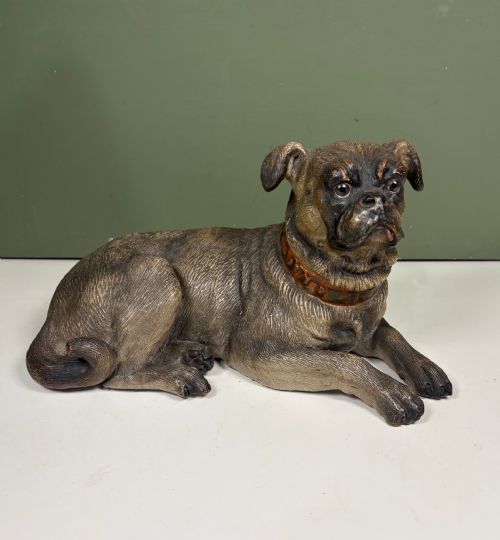


Vintage Pottery Ornaments
Vintage pottery ornaments bring character to a shelf, spanning centuries of figures, animals, and decorative ceramics shaped by hand.
Vintage Pottery Ornaments
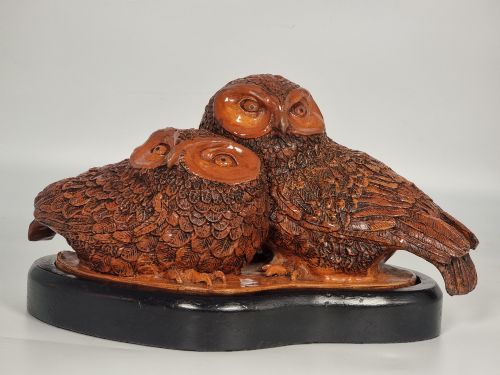
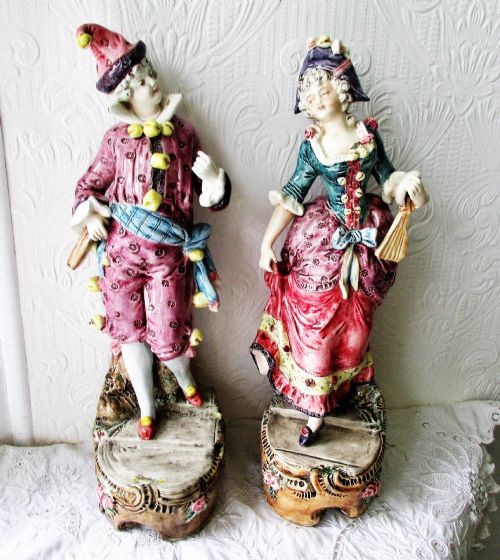
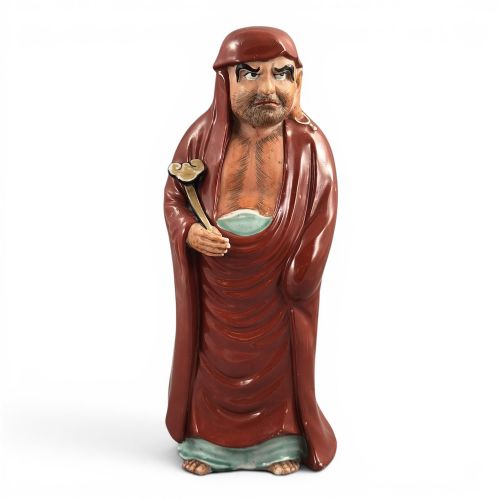
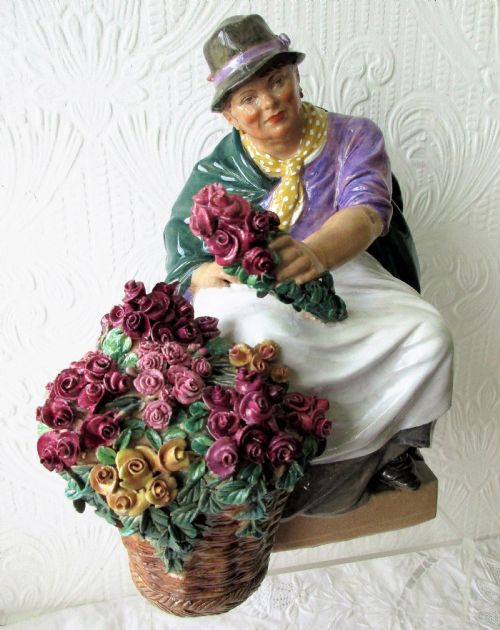
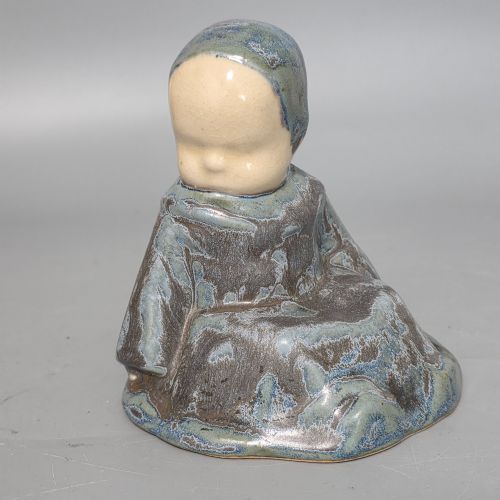
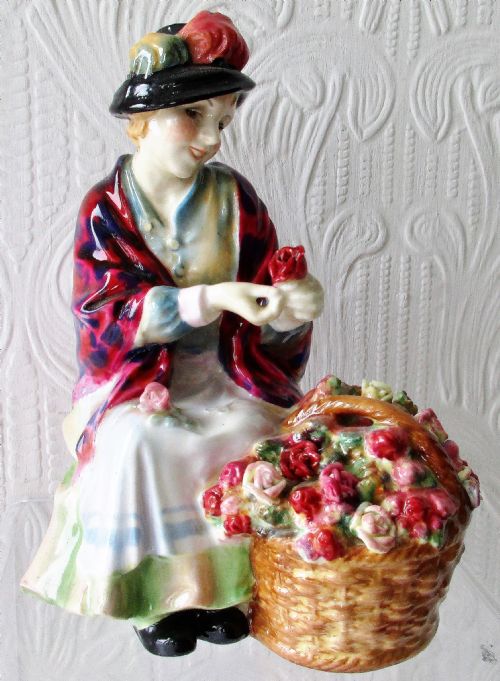
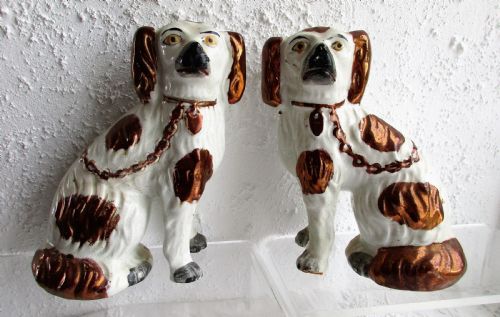
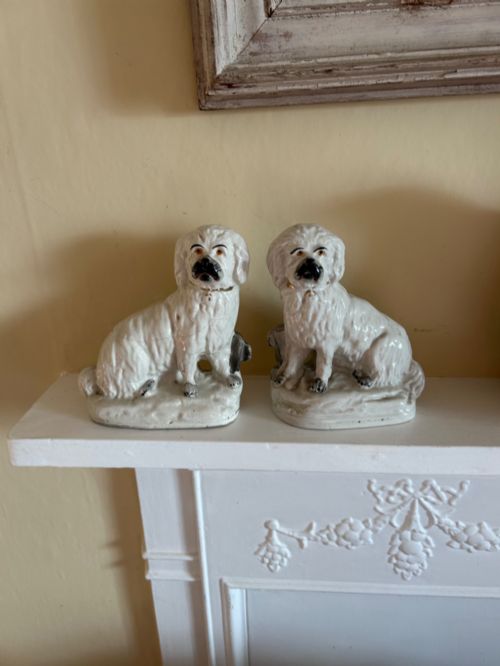
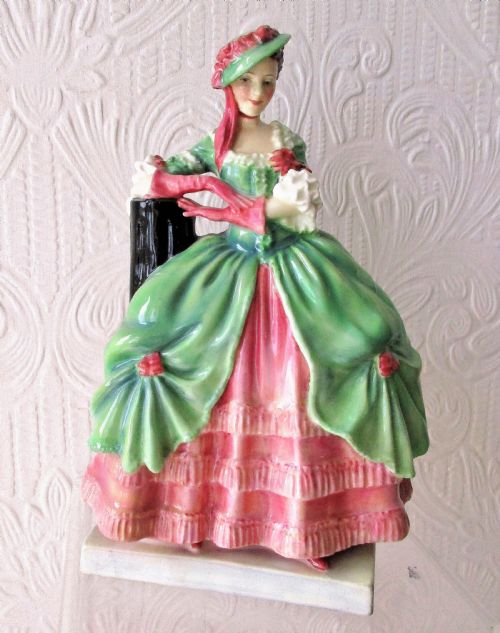
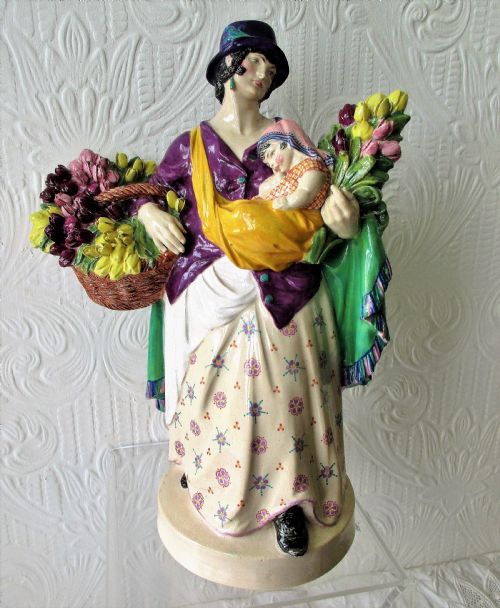
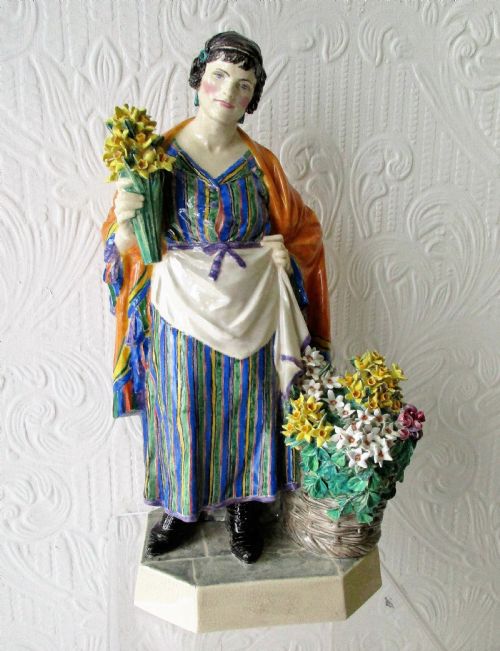
When you search for vintage pottery ornaments, you find a diverse assortment of decorative figures, sculptures, and bookends. The selection draws heavily on Victorian Staffordshire dogs, spaniels, and greyhounds alongside animal studies and human figures from various periods.
Makers and studios across England, France, and Japan shaped these ceramics into everything from domestic animals to literary and historical characters. Pairs of mantel dogs and sculptural groups dominate the groupings, reflecting popular domestic displays of the nineteenth and twentieth centuries.
The objects cross multiple eras, reaching from nineteenth-century earthenware through Art Deco studio pieces and Quimper faience. Buyers encounter both whimsical animal models and finely detailed human figurines intended purely for display.
How they were made
Many items incorporate traditional glazing techniques, such as the multicoloured Sancai style or traditional blue and white painting on Delftware. Bases and eyes occasionally integrate contrasting materials like ebonised wood or glass.
Some Art Deco feline figures stare back with real glass eyes fitted directly into the glazed ceramic heads.
What varies in quality
Quality depends upon the crispness of the modelling and the precision of the hand-painted decoration applied over the glaze. Superior examples show careful attention to facial expressions and fine surface detailing rather than hasty mass production.
The richness of the glaze, whether deep copper lustre or subtle enamel work, distinguishes finer studio and factory pieces. Well-balanced proportions and intact original finishes elevate the visual presence of sculptural animals and figures.
Charles Vyse·Berthe Savigny·Royal Doulton·Mabel Lucie Attwell Shelley·Joseph Constant
The Vintage Pottery Ornaments Glossary
- Earthenware
- Porous pottery fired at lower temperatures, commonly used for nineteenth-century figures and dogs.
- Staffordshire pottery
- Earthenware figures produced in the English pottery districts, famously including spaniels and greyhounds.
- Sancai
- A three-colour glaze technique associated with Tang Dynasty style ceramics, using amber, green, and cream tones.
- Faience
- Tin-glazed earthenware produced in Europe, notably in French centres such as Quimper.
- Okimono
- Japanese decorative sculpture designed for display on a shelf or in a cabinet.
- Animalier
- Artworks focused on the realistic or expressive depiction of animals, common in nineteenth and twentieth-century sculpture.
Vintage Pottery Ornaments: Frequently Asked Questions
What are Staffordshire dogs?
Staffordshire dogs are earthenware spaniels and other canine figures made in English potteries during the nineteenth century. People placed them on mantelpieces in mirrored pairs.
These ornaments served as decorative household companions rather than functional items. Collectors prize them for their distinct hand-painted markings and regional charm.
How do I identify Art Deco pieces?
Art Deco pieces from the nineteen-thirties display stylised forms, clean lines, and distinct glazing. Makers often used bold colours and expressive modelling for animals and human figures.
These items reflect the modern design movements of the interwar period. They contrast sharply with ornate Victorian styles through their simplified silhouettes.
Were these ornaments used outdoors?
Most vintage pottery ornaments were designed strictly for interior display on shelves, mantelpieces, or tables. Their earthenware and porcelain construction makes them unsuited for garden use.
Glazed surfaces protect the ceramic from indoor dust, but moisture and frost would damage the fabric. Interior placement preserved the delicate enamel and gold leaf details.
What is Quimper pottery?
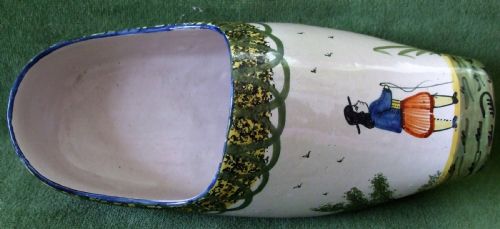
Quimper pottery originates from the French town of Quimper, known for distinctive hand-painted faience figures and kitchenware. Artisans painted traditional regional costumes and motifs directly onto the tin glaze.
These pieces carry a rustic French provincial character. The blue and yellow palettes remain a hallmark of this regional tradition.