

Vintage Pottery Figure
These vintage pottery figure selections bring character to a room through modelled animal and human forms spanning multiple centuries and global traditions.
Vintage Pottery Figure
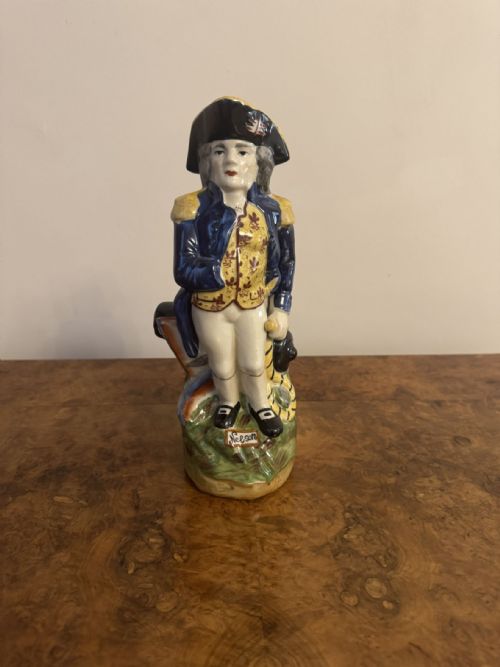
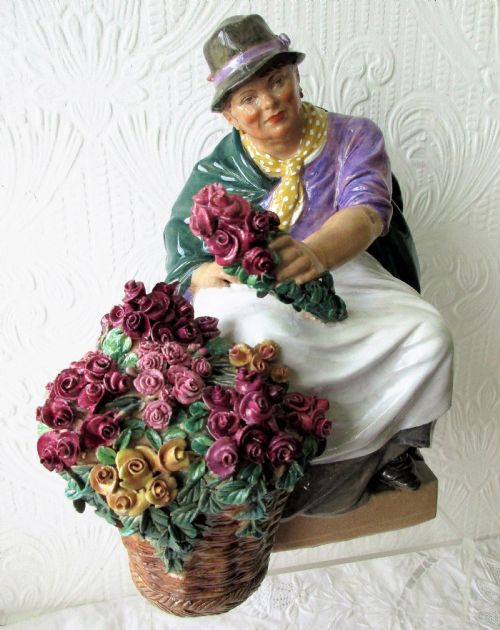
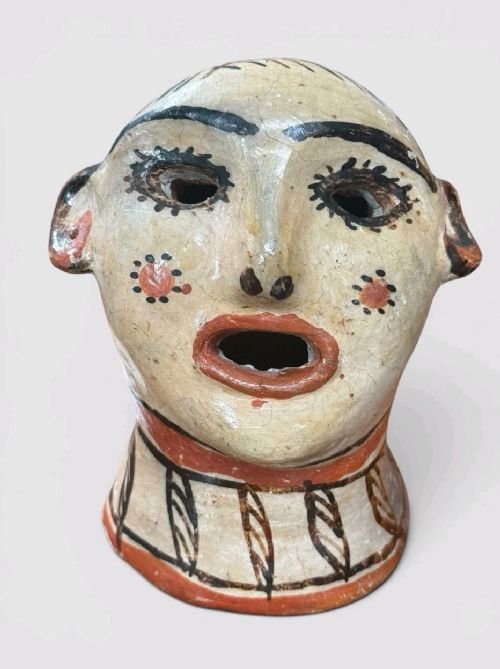
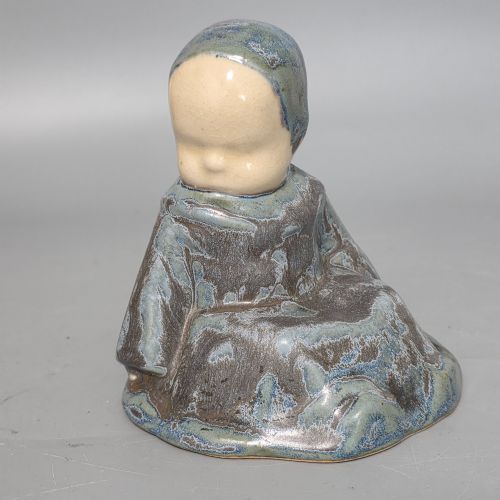
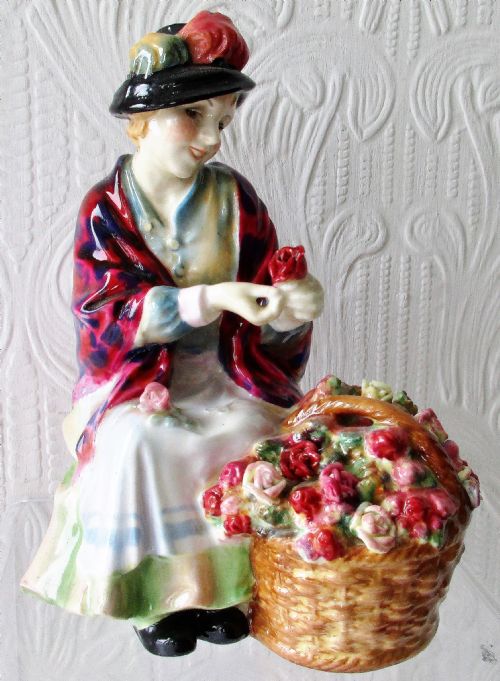
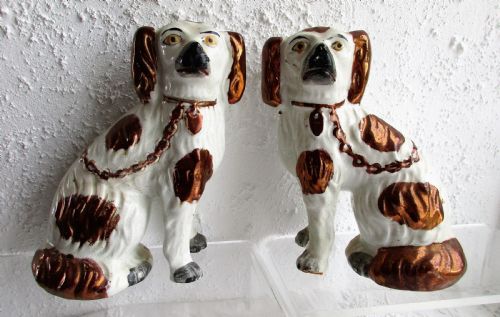
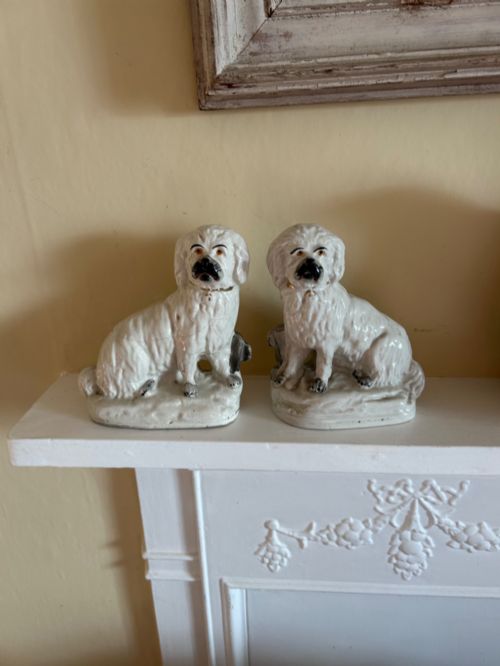
A vintage pottery figure search encompasses domestic animals, human subjects, and literary characters shaped from clay. Staffordshire spaniels, Toby jugs, and Continental groupings dominate the material encountered on this page.
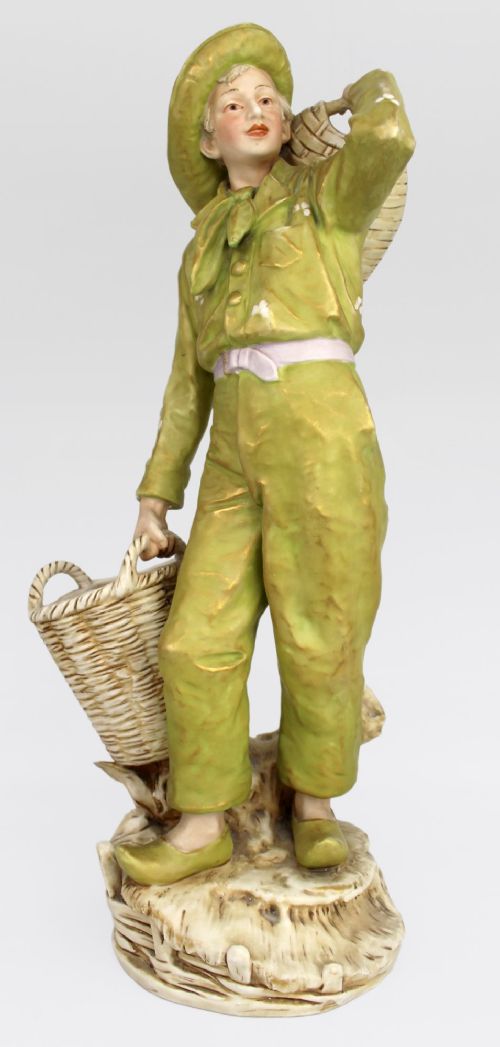
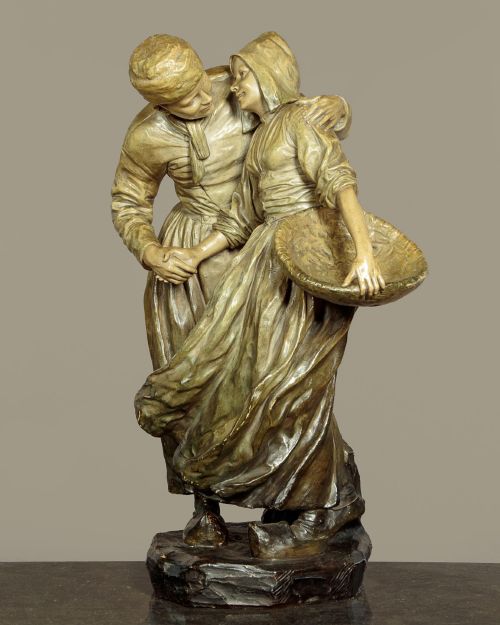
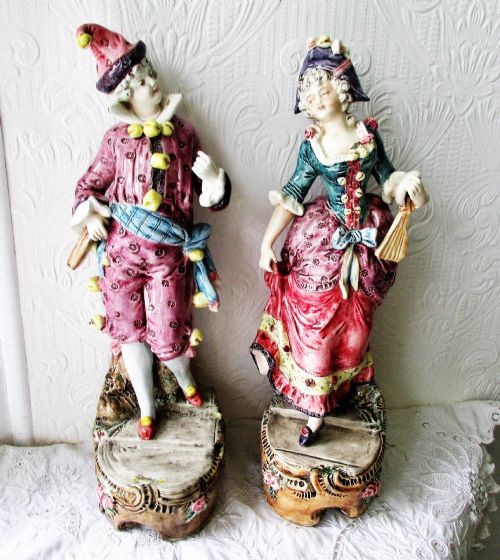
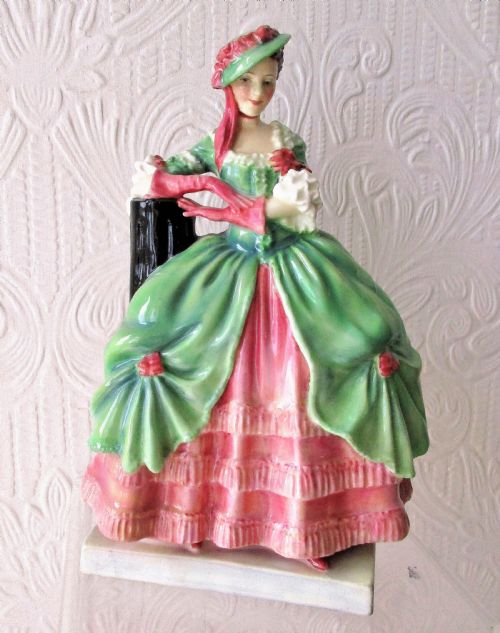
Makers ranged from large Bohemian potteries to individual English studio artists. Pieces stretch from the Victorian era through the Art Deco period, taking the shape of figurines, bookends, and decorative sculptures.
Materials and construction
Makers utilised earthenware, porcelain, and terracotta, applying coloured glazes, enamel, and occasional gold leaf to the surfaces. Many works combined hand modelling with moulded bases or applied decorative elements.
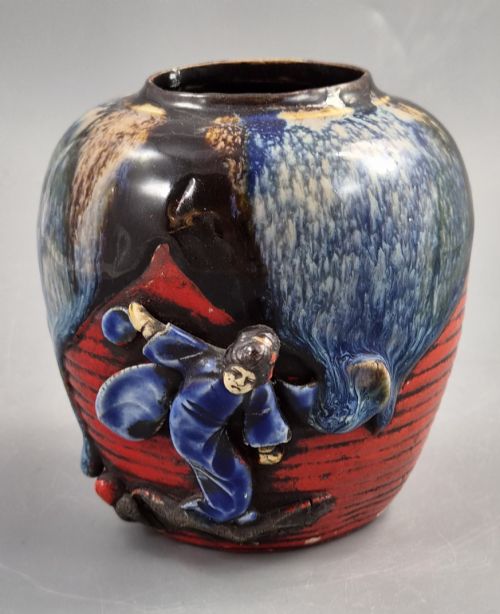
Fired ceramics received either high-gloss finishes or matte treatments depending on the workshop tradition. Japanese pieces incorporated distinctive flambé glazes, while European studios favoured painted details over white glazes.
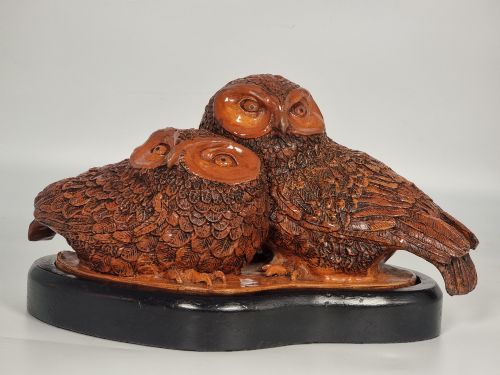
Several ceramic poodles and greyhounds patiently hold court alongside pottery owls, frogs, and fierce lions.
Judging execution and detail
The sophistication of the modelling distinguishes mass-produced wares from artist-signed studio pieces. Weight, balance, and the control of the glaze separation mark the better specimens.
Royal Dux Bohemia·Goldscheider·Charles Vyse·Berthe Savigny·Royal Doulton
The Vintage Pottery Figure Glossary
- Earthenware
- Porous pottery fired at lower temperatures, requiring a glaze to achieve impermeability. It forms the base of most Staffordshire figures.
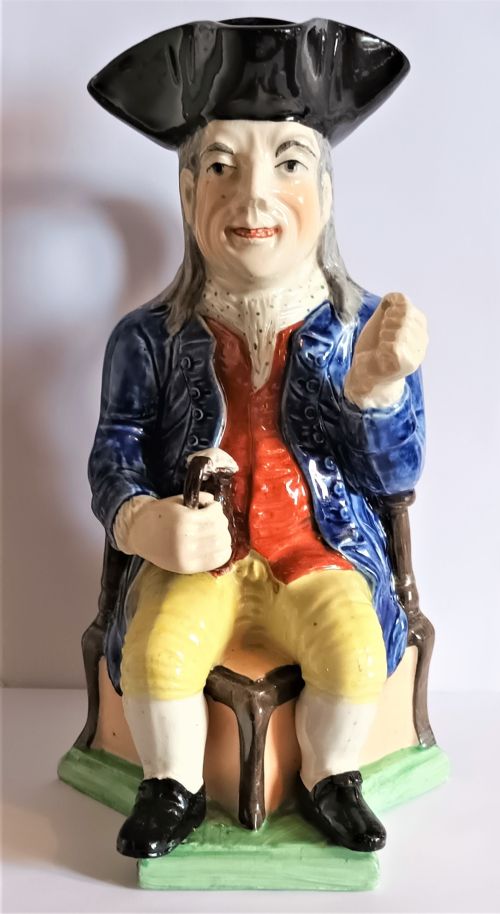
- Toby Jug
- A pottery jug modelled as a full-bodied robust character, usually seated with a mug and beer. Popularised in eighteenth-century England and continued through the Victorian era.
- Sancai
- A three-colour lead glaze tradition associated with Chinese ceramics, typically amber, green, and creamy white. It appears on Tang Dynasty style figures.
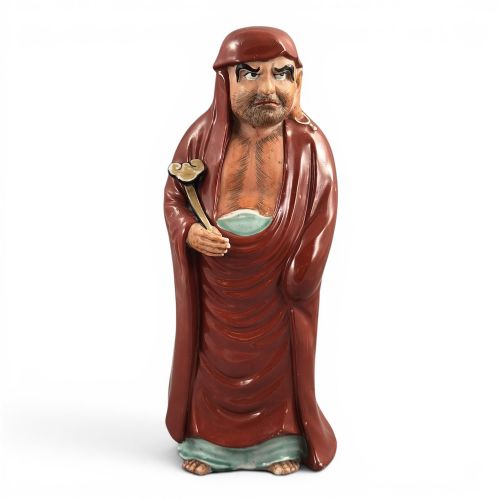
- Okimono
- A small Japanese decorative carving or modelled figure meant for display in a household. These ceramic objects often depict traditional figures or animals.
Vintage Pottery Figure: Frequently Asked Questions
What are vintage pottery figures?
These pieces comprise moulded or sculpted ceramic representations of people, animals, and mythological subjects created across various global traditions.
They serve primarily as decorative objects, mantel ornaments, or functional items like bookends and money boxes.
Where were Sumida Gawa wares made?
These distinctive ceramics originated in Japan during the Meiji and Taishō periods. They are recognised by their heavy dripping flambé glazes and applied clay figures.
Makers often signed these pieces with stamps or artist signatures such as Kōko.
How should I clean glazed ceramics?
Dusting with a soft, dry brush prevents the accumulation of dirt in recessed crevices. Avoid soaking older earthenware or pieces with delicate enamel decorations.
Water and harsh detergents can damage fragile glaze surfaces, particularly on studio pottery and antique figures.