
Vintage Portrait Picture
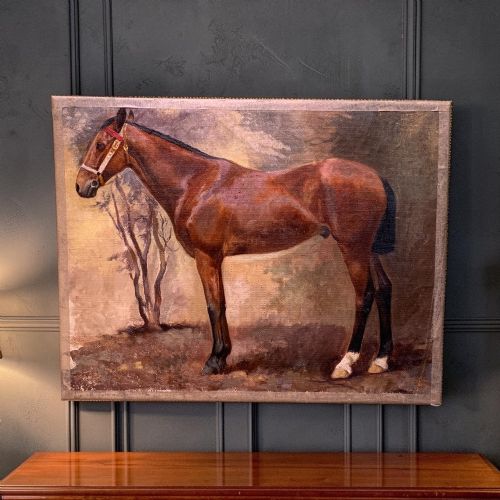
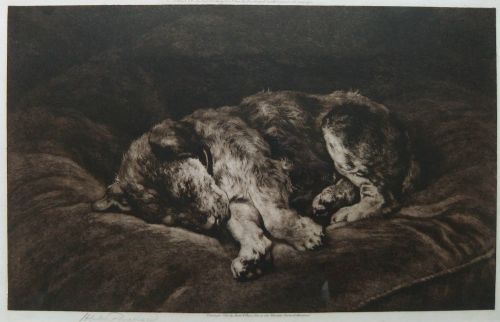
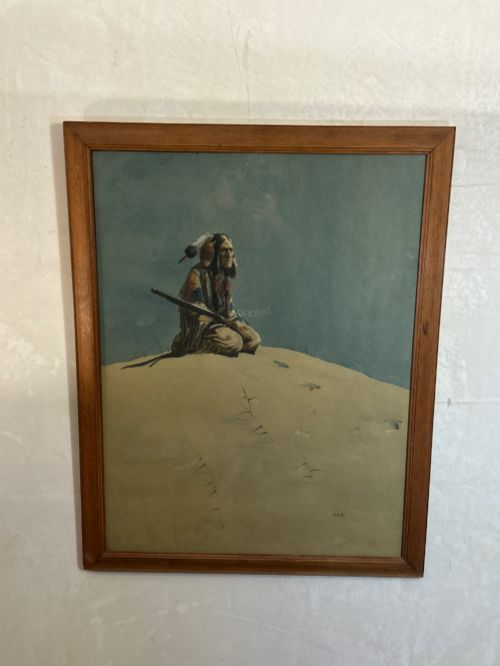
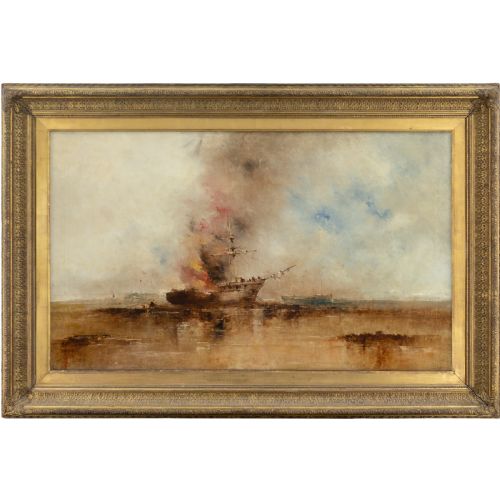
A vintage portrait picture brings character into a room through oil, pastel, print, or photograph.
Materials and construction
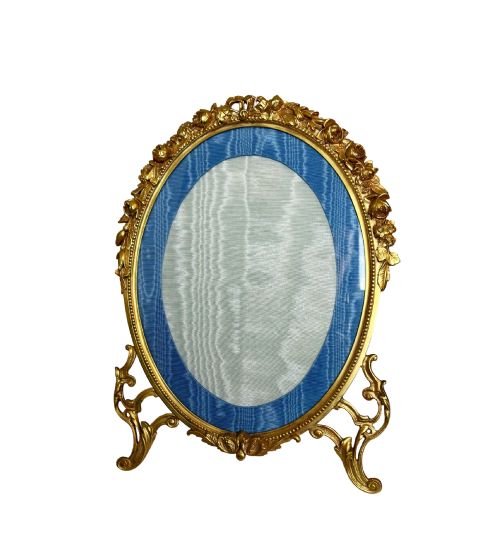
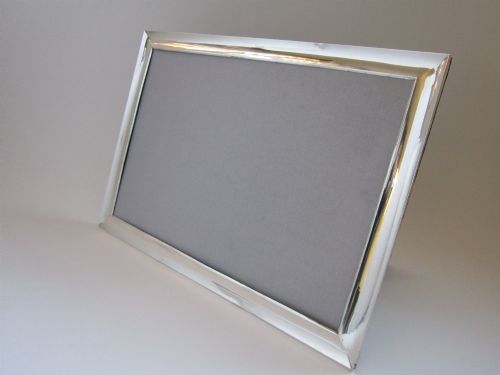
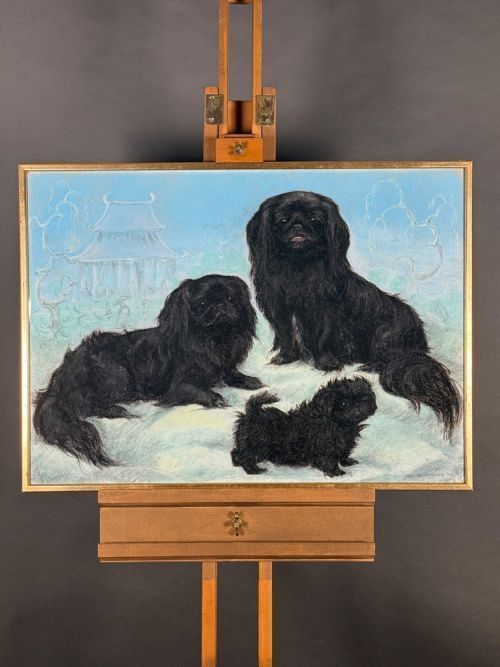
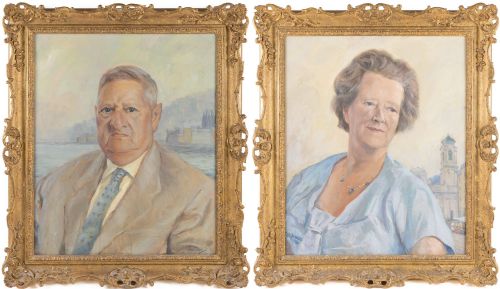
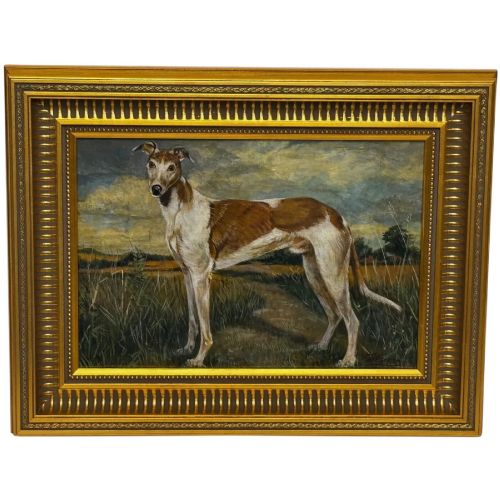
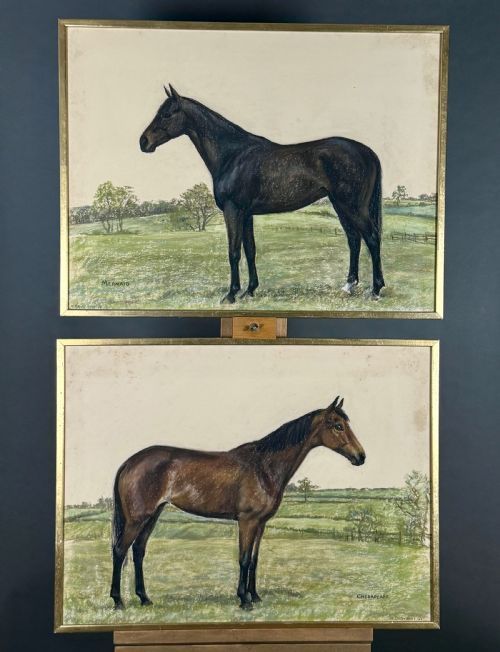
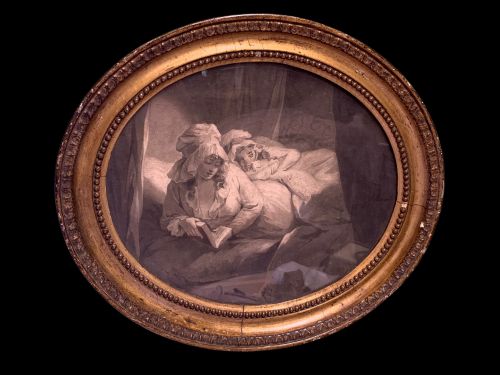
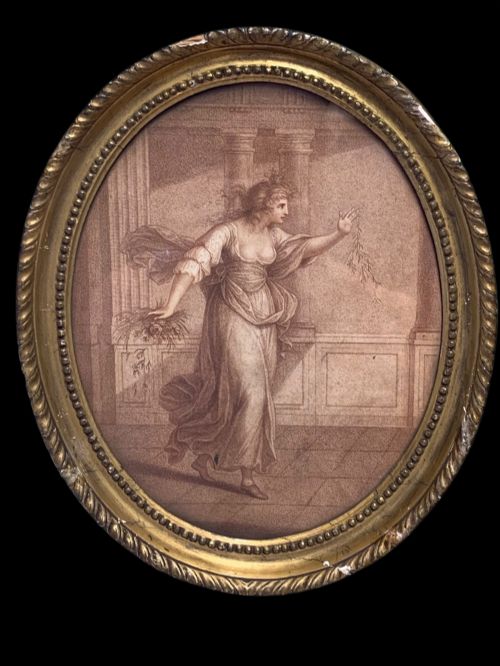
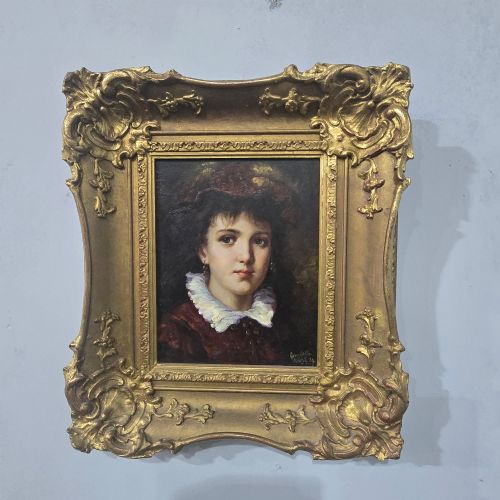
Makers utilised canvas, paper, and wood panel as supports for oil paint, pastel, watercolour, and etching, often protecting delicate works beneath glass. Frames incorporate carved wood, giltwood, ebonised timber, and sterling silver marked with Birmingham and Sheffield hallmarks.
Metals such as ormolu and gilt bronze appear in decorative surrounds alongside rosewood and traditional moulding techniques. Artisans combined traditional painting mediums with precise metalwork for photo frames and easel backs, ensuring structural support for heavy glass and timber panels.
Distinctions in craftsmanship
Quality separates through the finesse of the hand, whether in the confident brushwork of an oil painting or the delicate precision of a period silhouette and engraving. Superior works demonstrate careful anatomical rendering and expressive depth in the subject matter.
Listings feature works across paper, canvas, and sterling silver, spanning the Victorian, Edwardian, and mid twentieth century periods.
Herbert Dicksee·John Hassall·William McAlpine·William Comyns·Carl Felkel·Samuel Rabin
The Vintage Portrait Picture Glossary
- Silhouette
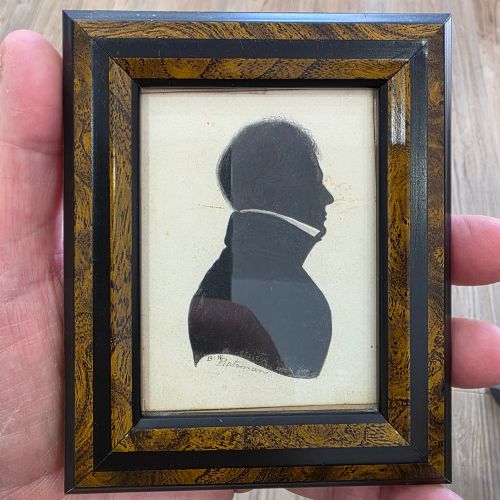
- A profile portrait cut from dark paper or painted onto a pale ground, popular during the eighteenth and nineteenth centuries. These stark likenesses rely entirely on outline shape to capture a subject.
- Sterling Silver
- An alloy consisting of silver and other metals, predominantly copper, standard in British hallmarks for precious metal photo frames. This material provides structural rigidity and a polished sheen around photographic portraits.
- Etching
- A printmaking process where lines are bitten into a metal plate with acid before ink is applied and transferred to paper. This technique allows for fine, expressive detail in portraiture and works on paper.
- Pastel
- A dry medium composed of powdered pigment and a binder, applied directly to paper to create velvety portraits. Works executed in pastel require glass protection to prevent the pigment from smudging over time.
- Ebonised
- Timber treated with a chemical stain or finish to imitate ebony wood, common in Victorian and Aesthetic Movement frames. This dark treatment provides a contrasting, sober border for works of art.
Vintage Portrait Picture: Frequently Asked Questions
How do I date a silver photo frame?
Silver frames often carry British hallmarks indicating the assay office, such as Birmingham or Sheffield, alongside a date letter. Examining these stamped marks reveals the exact year of manufacture.
Maker marks also help confirm the period when cross-referenced against historical silversmith records. Combining hallmark data with the style of the border provides a reliable chronology.
Are silhouettes genuine period pieces?
Authentic silhouettes from the nineteenth century feature hand-cut paper or direct painting on card, often housed behind curved glass in small wooden frames. The craftsmanship reflects contemporary portrait miniature traditions.
Signatures or attribution notes on the reverse occasionally link these works to known profile artists. Close inspection under magnification reveals the original paper texture and mounting age.
How should I hang heavy oil paintings?
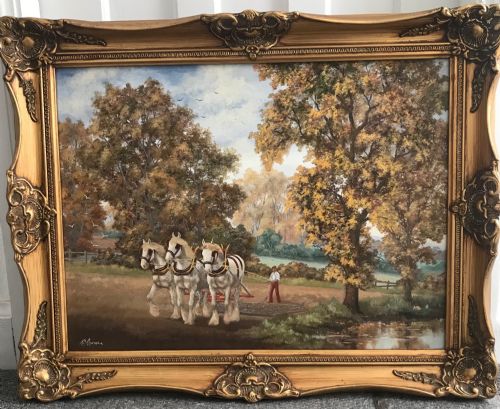
Heavy oil portraits require sturdy wall fixings secured directly into masonry or wall studs, avoiding reliance on standard plaster alone. Steel picture wire rated well above the weight of the frame ensures safe suspension.
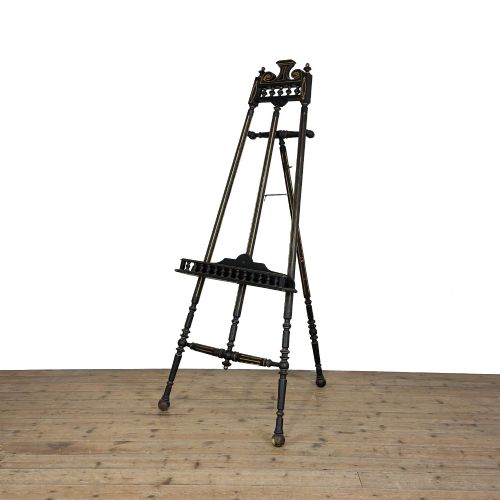
Floor standing easels offer an alternative display method for larger canvases without wall mounting. Ensuring the canvas remains away from direct heat sources protects the drying oil medium.